
How Do Airports Decide Which Runway to Use?
Key takeaways
- Wind is the deciding factor: the FAA requires controllers to use the runway most nearly aligned with the wind when it blows at 5 knots or more.
- Safety outranks everything else: tailwind and crosswind limits take precedence over delays, capacity, and noise complaints.
- Pilots can request a different runway, and airports with noise programs may assign the quietest option when the wind allows.
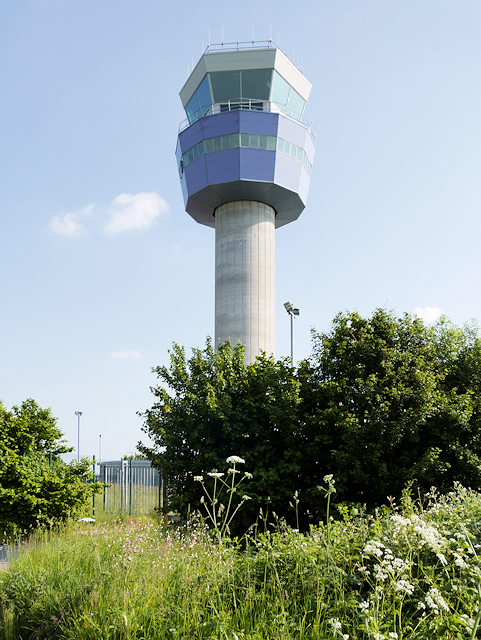
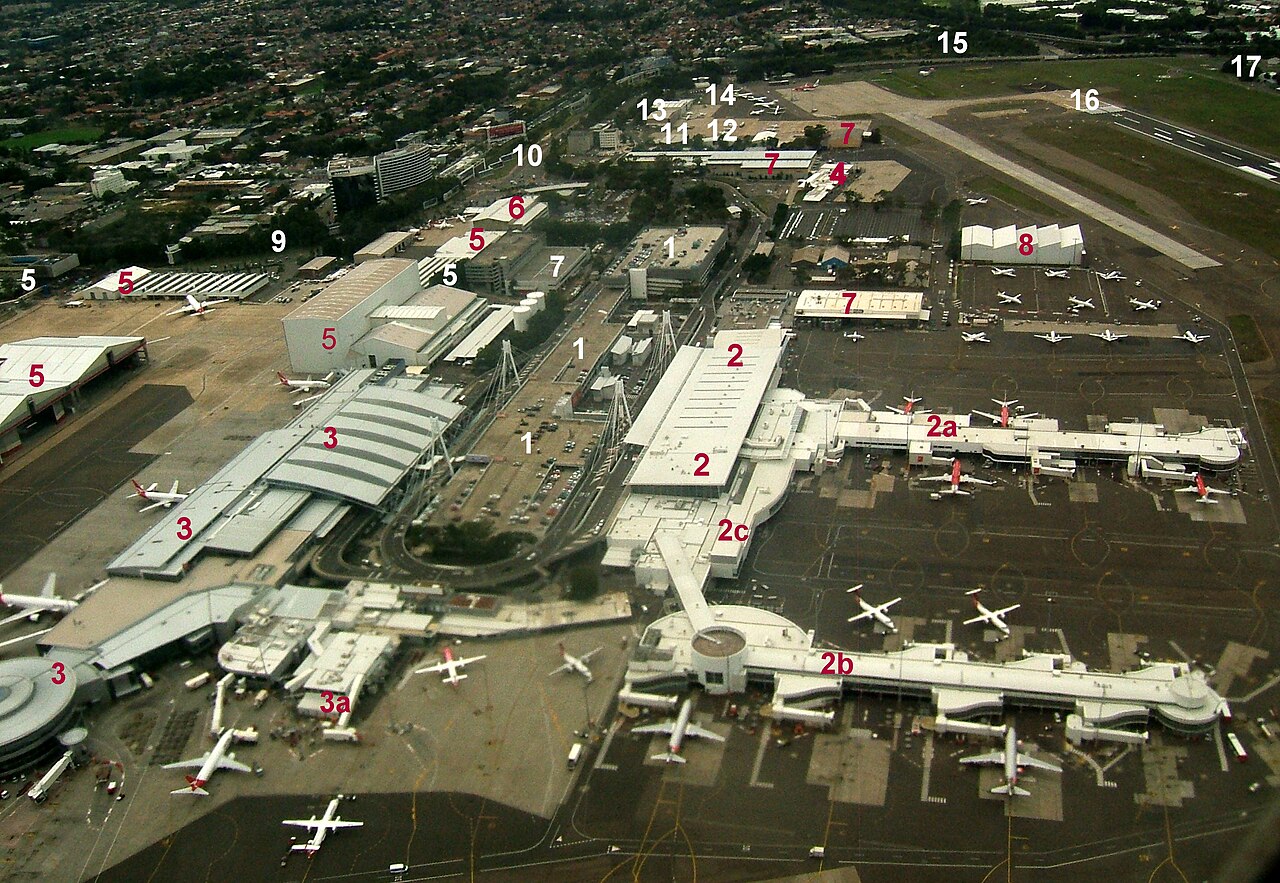
Most airports have more than one runway, and each runway can be used in two directions. Somebody has to decide which strip of pavement every arriving and departing aircraft uses, and that somebody is air traffic control, following written rules where wind is king.
This article explains the FAA's runway selection rule, why landing into the wind matters, what outranks what when the rules collide, how noise programs and pilot requests fit in, and the unusual airports where the wind does not get the final say.
The rule, straight from the FAA
In the United States, the answer is written down in FAA Order 7110.65, the air traffic controller's handbook. Section 3-5-1 on runway selection says the tower supervisor or controller-in-charge designates which runways are in use, then gives the selection rule:
Use the runway most nearly aligned with the wind when the wind is 5 knots or more, or the designated "calm wind" runway when it is less than 5 knots. Another runway may be used only if it is operationally advantageous or the pilot requests it.
The same section sets a strict pecking order. Tailwind and crosswind considerations take precedence over delay and capacity concerns, and over noise abatement procedures.
In other words, a controller may not pick a faster or quieter runway if it means accepting an unsafe tailwind. Safety first, throughput second, noise third.
If a pilot prefers a different runway than the one assigned, the rule expects the pilot to say so, and ATC honors the request as soon as it is operationally practicable. The controller will warn the pilot when the requested runway is noise-sensitive, but the pilot's call on safety stands.
Why into the wind wins
Pilots want to take off and land facing into the wind for a simple physical reason. An aircraft's wings care about airspeed, the speed of air flowing over them, not ground speed. A headwind adds free airflow over the wings, which means more lift at a lower speed over the ground.
That translates directly into shorter takeoffs and landings. The aircraft reaches flying speed sooner on departure and touches down slower on arrival, so it needs less runway in both directions. A tailwind does the opposite, stretching the ground roll and eating into safety margins.
This is also why airport designers study years of local wind records before deciding which way runways point. The goal is an orientation that gives arriving and departing aircraft a headwind component as often as possible.
Many airports build two runways at roughly 90 degrees to each other so that, whatever the wind is doing, one of them is reasonably aligned. Single-runway airports pick the single orientation that the historical data says will work most days of the year.
When the wind is light and variable, the active direction can flip several times in a day. Airports handle this with a designated calm-wind runway, often simply the longest one, or whichever direction keeps departures over the least populated ground.
What can override the wind
Wind is the default, not the absolute. Several factors can change the answer.
Noise abatement programs are the most common override at city airports. Where a formal runway use program exists, ATC assigns the runways deemed to have the least noise impact, typically keeping departures over water or industrial ground at night. The FAA rule still requires tailwind and crosswind safety to come first, so a noise-preferred runway gets dropped the moment the wind makes it unsafe.
Aircraft performance matters too. A heavily loaded long-haul jet needs the longest available runway, and some runways are simply too short or too weak for the biggest aircraft. In those cases the capable runway stays active for those flights even if another strip is better aligned with a light wind.
Pilot requests, as noted, are honored when practical. A pilot might want a longer runway for a heavy departure, or a particular approach their aircraft is equipped for. Short takeoff and landing (STOL) runways get their own carve-out: they are assigned only when the pilot asks or when a standing agreement with the operator covers them.
Traffic flow is the quiet background factor. Parallel runways let controllers dedicate one strip to arrivals and another to departures, doubling throughput. Switching the active configuration is a deliberate act by the tower supervisor, and it ripples through every taxi clearance on the field, so changes are made deliberately rather than with every gust.
The airports where wind loses
A few airports break the into-the-wind rule for terrain. The famous exceptions are alpine airports with steeply sloped runways, such as Courchevel in the French Alps.
There, takeoffs are made downhill and landings uphill regardless of wind direction, because gravity's help with acceleration and braking outweighs the wind's. Similarly, an airport with mountains tight against one end may use the only direction that keeps aircraft clear of the terrain.
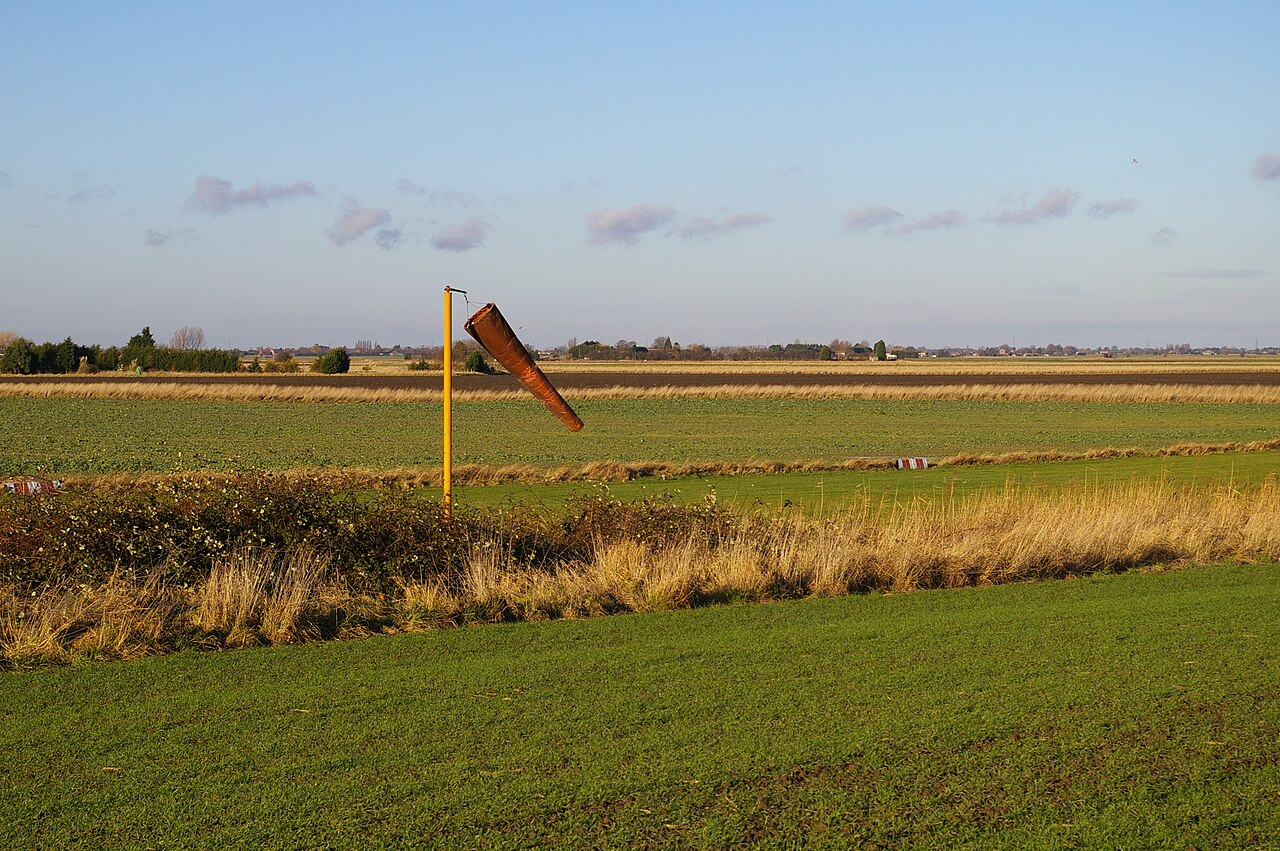
Uncontrolled airports, the thousands of small fields without a tower, work differently again. With no controller to designate an active runway, the pilot in command decides, based on the windsock, the automated weather broadcast, which runway other traffic is already using, and the aircraft's own limits. The same into-the-wind logic applies, but the decision sits with the pilot alone.
How it looks from the passenger seat
From the cabin, runway selection shows up as small mysteries. Your flight taxis to a runway that points away from your destination, or lands in the opposite direction from your last visit. Both are wind calls: the controllers picked the strip that gave your aircraft a headwind that day, and the direction of travel on the ground has nothing to do with the direction of the flight.
You can watch the decision happen. The windsock near the runway, the ATIS broadcast pilots listen to before contacting the tower, and the runway signs glowing white-on-red as you taxi all tell the same story. If the wind shifts hard enough mid-afternoon, you may even see the whole airport flip: arrivals that were landing one way start landing the other, and the tower re-sequences every aircraft in the pattern.
Frequently asked questions
Who decides which runway is in use?
At towered airports, the air traffic control tower supervisor or controller-in-charge designates the active runway or runways, following FAA Order 7110.65. At airports without a tower, the pilot in command decides based on wind and traffic.
Why do planes take off into the wind?
A headwind increases airflow over the wings at any given ground speed, producing more lift. That shortens the takeoff roll and the landing roll, which is why controllers pick the runway most aligned with the wind whenever it blows 5 knots or more.
Can a pilot use a different runway than the one assigned?
Yes. The FAA rule expects pilots to advise ATC if they prefer another runway, and controllers honor the request as soon as it is operationally practicable. Pilots are warned when the requested runway is noise-sensitive.
Do noise complaints change which runway is used?
They can, within limits. Airports with formal runway use programs assign the least noise-impact runways when conditions allow. But tailwind and crosswind safety considerations legally take precedence over noise abatement, so the quiet runway is dropped when the wind makes it unsafe.
The bottom line
Runway selection is a wind-first decision governed by a written rule: the most wind-aligned runway at 5 knots or more, the calm-wind runway below that, with safety outranking capacity and noise every time. Pilot requests, aircraft performance, and local noise programs shape the details, and terrain wins outright at a handful of mountain airports. The next time your flight taxis the long way to a runway pointing the "wrong" way, the wind made that call.
Tags: runway selection, air traffic control, airports, wind, FAA
Rive News's research desk covers air travel, consumer tech, and the regulations that shape them.
Latest in Travel
- Why Do You Have to Put Your Phone in Airplane Mode?
- Why Do Runways Have Numbers and What Do They Mean?
- Why Do Planes Dump Fuel Before Emergency Landings?
- Why Do Flight Paths Look Curved on Maps?
Get one practical travel explainer in your inbox every morning. Subscribe to the Rive News newsletter.
Related stories

The 3-1-1 liquids rule for planes: what each number means
TSA's 3-1-1 rule limits carry-on liquids to 3.4-ounce containers in one quart bag. Where the 2006 rule came from, what counts, and how

Why Is Airplane Food So Bland at Altitude?
A 2010 Fraunhofer study found altitude cuts sweet and salty perception by up to 30 percent. Low humidity, cabin pressure, and noise all

Carry-on size limits: why airlines each set their own
Airlines set their own carry-on limits because the FAA only requires each carrier to have a policy, not one global size. Why 22 x 14 x