
How duty free pricing works: taxes, margins, and when the deal is real
Key takeaways
- Duty-free means VAT, excise, and import duties are removed, not that the retailer takes a loss.
- Savings are biggest on heavily taxed goods like spirits and tobacco, and smallest on cosmetics and confectionery.
- The first airport duty-free shop opened at Shannon, Ireland, in 1947, created by Brendan O'Regan.
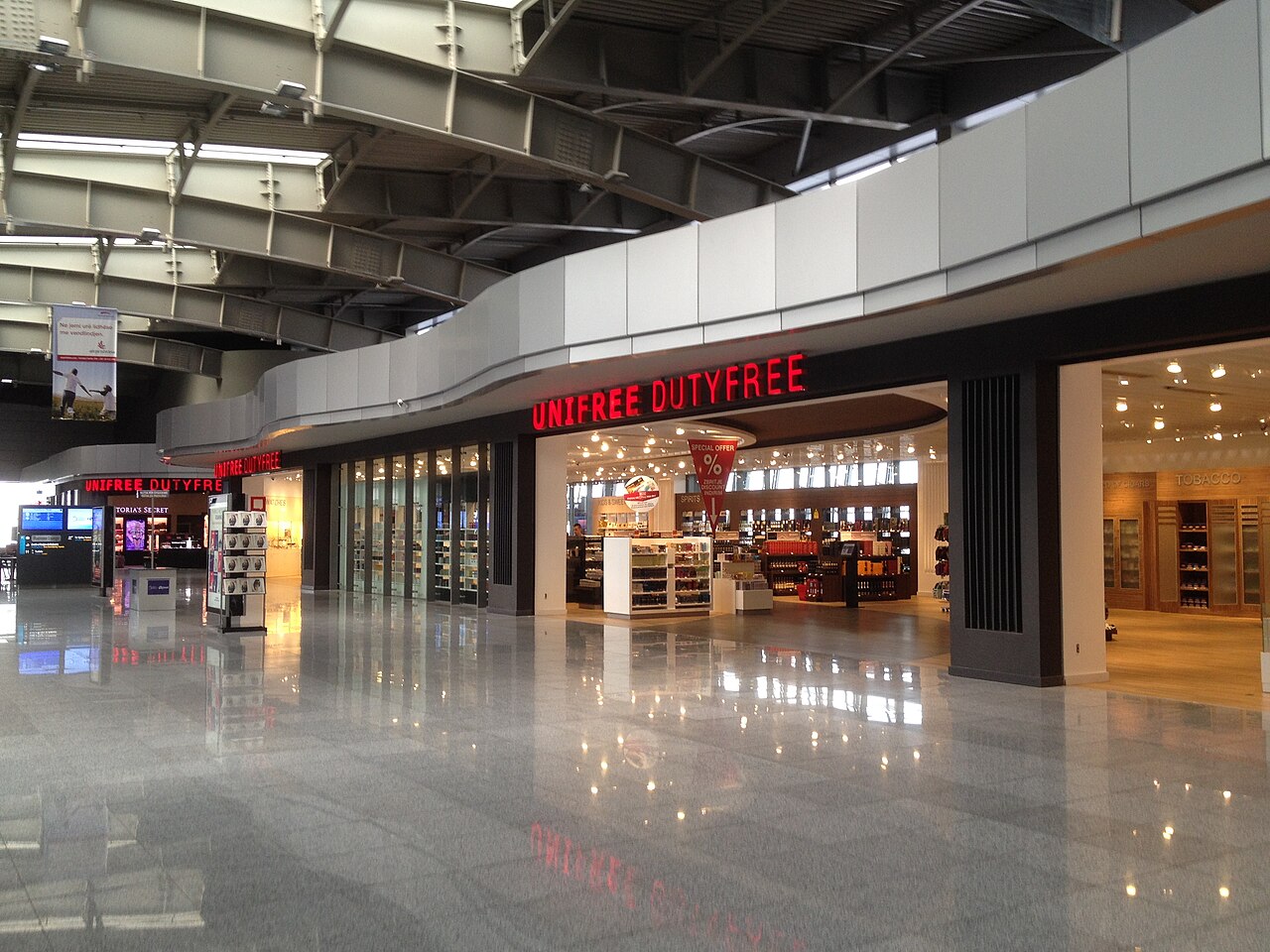
Duty-free pricing is the practice of selling goods to international travelers without the taxes and import duties that normally apply inside a country. The shop pays neither the value-added tax on the sale nor the excise duty on products like alcohol and tobacco, so its starting cost is lower than a high-street retailer's.
This article explains how duty-free pricing works. It covers the tax mechanics, why some products show bigger discounts than others, where the idea began, and how to check whether a duty-free price is actually a good deal.
What duty-free actually means
Duty-free shops work by selling products without including tax, which is exactly what the name promises. Products sold this way do not include value-added tax or consumption taxes, making the shops operate like small free-trade zones, according to N26 as reported by The Gazette.
The key detail is where the goods are treated as being consumed. When you buy in an international departure lounge, the goods are considered to leave the country's tax jurisdiction. You will need to provide a valid international boarding pass and ID to confirm that you are indeed exiting the nation where the transaction was made, according to GoDigit.
That is why duty-free shops sit after airport security scanners and before the gate, accessible only to outbound international passengers. Domestic travelers never enter that zone, because the tax exemption only applies when the buyer is genuinely leaving.
Where the discount really comes from
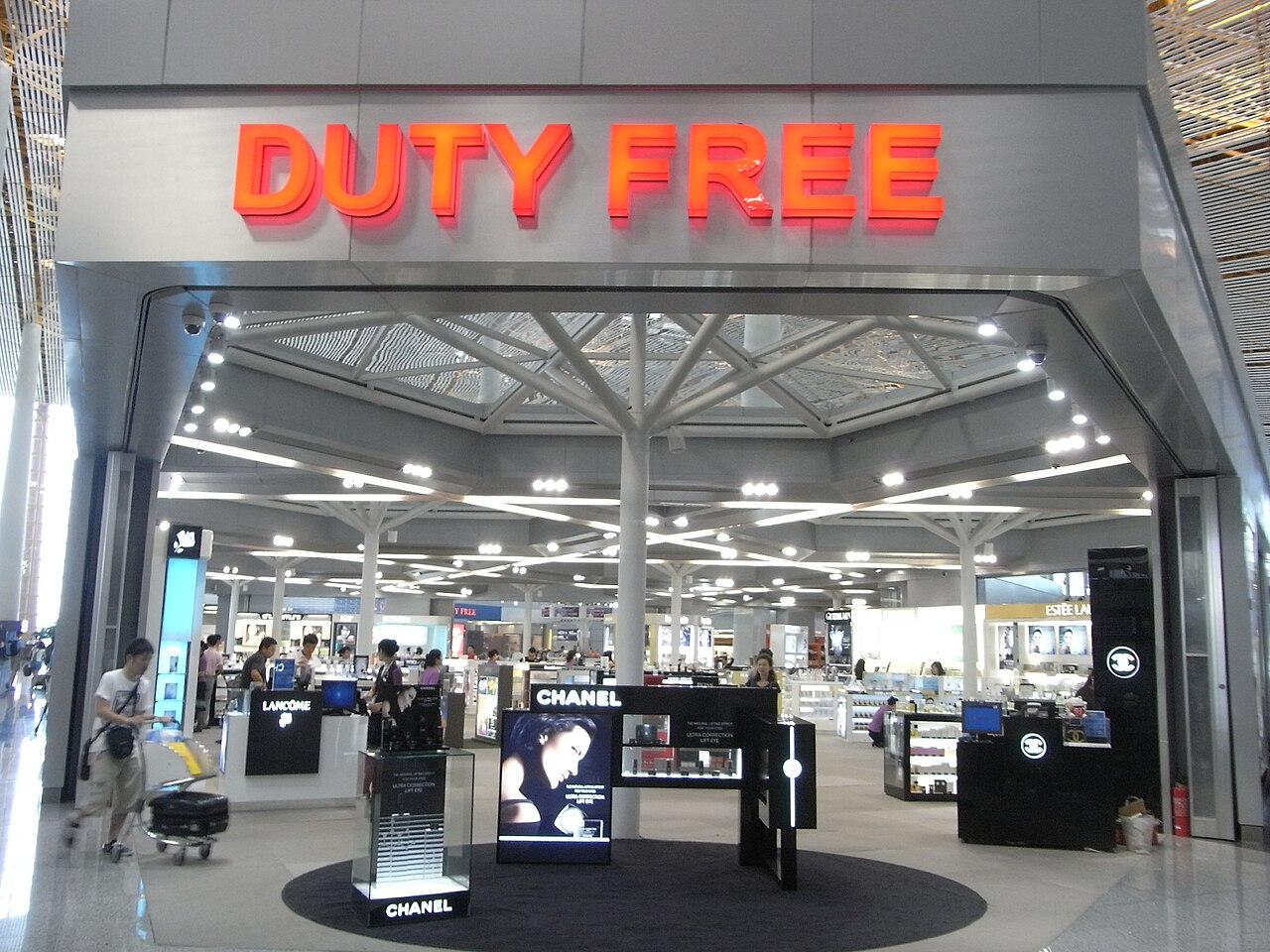
The discount comes off the taxes, not off the retailer's margin. A bottle of spirits that carries heavy excise duty on the high street can drop a lot in duty-free. A perfume with low taxes attached barely moves.
The Gazette found that a litre bottle of spirits can sell for around £18 to £19 duty-free instead of £28 at the supermarket. The same reporting found perfume selling for £54 instead of a £59 retail price, a far smaller saving. The overall answer, it concluded, is that items are typically cheaper but not by massive amounts, and comparable deals can sometimes be found online away from the airport.
That asymmetry is the single most useful thing to know. When the tax component is large, as with alcohol and tobacco, duty-free pricing is genuinely hard to beat. When the tax component is small, as with chocolate, sunglasses, or many electronics, the "duty-free" sticker is mostly branding.
Why some stores are cheaper than others
Airports charge retailers some of the highest rents in commercial property, and that rent flows into prices. A duty-free operator pays a concession fee to the airport, which is a major reason duty-free prices are not always as low as the tax saving suggests.
Competition matters too. Airports with several competing duty-free operators, or with price-comparison screens on the concourse, tend to pass more of the tax saving to shoppers. Single-operator airports can keep the saving for themselves, since departing passengers have no alternative past security.
Currency and promotions add another layer. Some operators price in dollars or euros and convert at their own rates, so the same bottle can cost different amounts depending on which airport you buy it in. Limited-time promotions on liquor or fragrance can beat the standard duty-free discount entirely, which is why checking prices before the trip is worth the effort.
How the first duty-free shop started
The world's first airport duty-free shop was established at Shannon Airport in Ireland by Brendan O'Regan in 1947, created to serve transatlantic passengers whose flights stopped there to refuel. The legal breakthrough came first: on March 18, 1947, the Irish parliament passed the Customs Free Airport Act, which let goods be sold in Shannon's transit area without normal customs and excise procedures, according to Business Traveller.
The first shop was modest. Business Traveller reports it was a simple kiosk, run by a local woman named Kitty Downes, measuring only a few square metres and selling Irish goods and souvenirs. In 1951, the first dedicated Airport Duty-Free Liquor Shop opened, initially only for airline stewards buying alcohol and tobacco for onboard resale, before passengers were allowed to buy directly at tax-free prices.
The idea took a decade to spread. Amsterdam's Schiphol airport opened the second duty-free shop in the world in 1957, and the concept has been copied at airports worldwide ever since. Today, global duty-free retail is a multi-billion-dollar industry built on that 1947 kiosk.
The catches: allowances, declarations, and traps
Buying duty-free does not mean buying without limits. Every country sets a duty-free allowance for how much alcohol and tobacco you can bring in, and anything above it can be taxed or confiscated at arrivals.
You also cannot treat the departure lounge as a tax haven for everything. Buyers must declare all purchases, duty-free or otherwise, as they enter any duty-levying country. Failing to declare can cost more in fines than you saved on the bottle.
A common trap is the sealed-bag rule on connecting flights. Liquor bought duty-free is usually packed in a sealed, tamper-evident bag with the receipt.
If you open that bag during a layover before clearing security again, some airports will confiscate the bottle at the next screening point. Keep the bag sealed until you reach your final destination.
How to tell if a duty-free price is a real deal
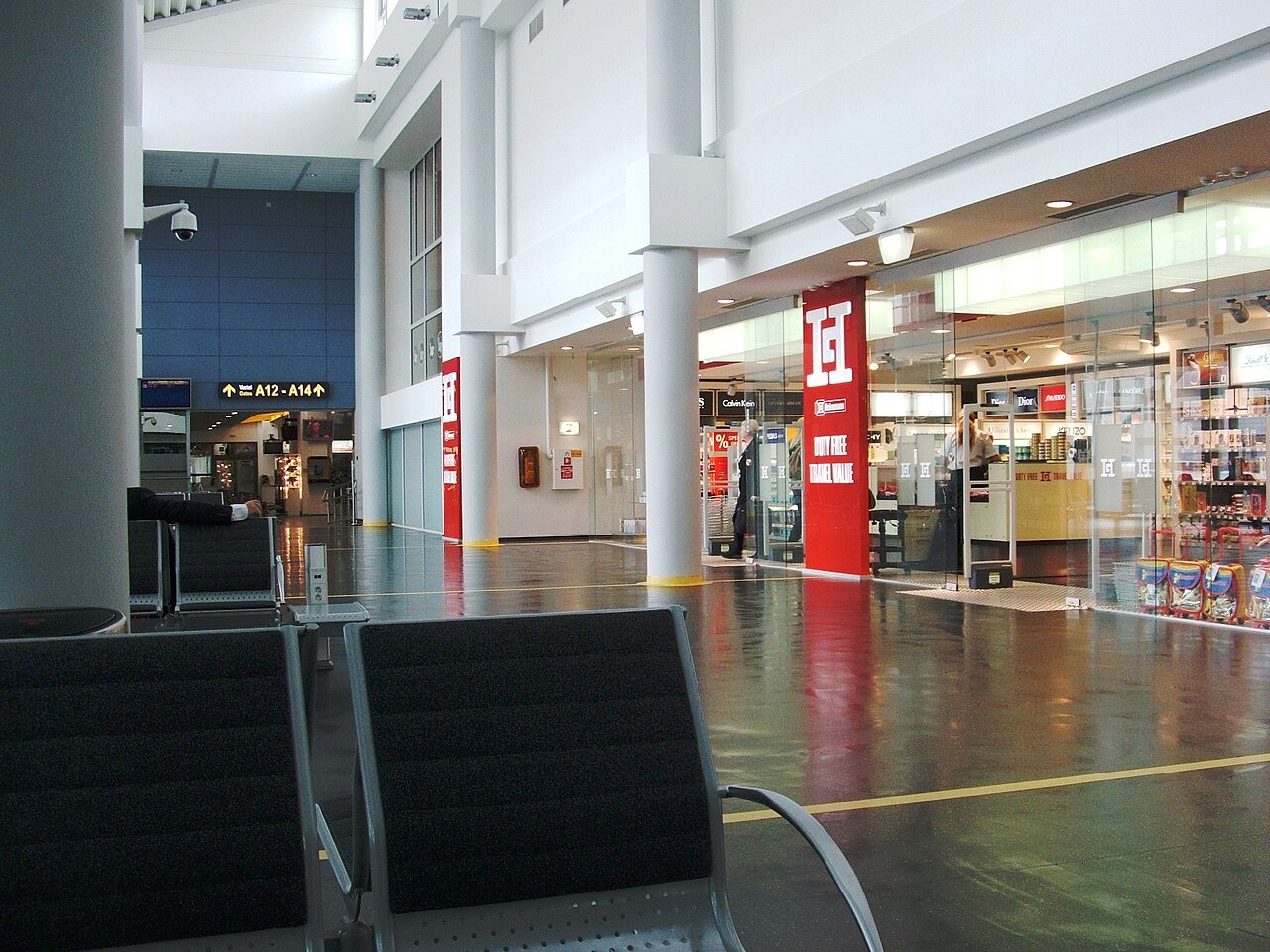
The only reliable method is to compare against a known reference price before you fly. Pick two or three items you might buy, note their online or supermarket price, and carry that number with you. A phone snapshot of the product page works well and doubles as a reminder if you travel insurance claims need documentation later, though for shopping the price list alone is enough.
Focus your comparison on high-tax categories. Spirits, wine, and tobacco almost always beat high-street prices, while cosmetics, confectionery, and electronics often do not. If a price looks close to what you saw online, it probably is close, because the retailer has priced to the market, not to the tax saving.
Watch for exclusives as well. Airport-exclusive sizes, such as one-litre bottles instead of the standard 700 ml, are common in duty-free and make direct price comparisons misleading. A larger bottle at a higher shelf price can still be a better per-millilitre deal, so do the quick division before deciding.
Frequently asked questions
Do you need a boarding pass to shop duty-free?
Yes, at most international airports. Shops must verify that you are departing internationally before selling at duty-free prices, and GoDigit notes that a valid boarding pass and ID are typically required at the till.
Is duty-free the same as tax-free shopping in the city?
No. Duty-free happens in the departure zone and removes duties and VAT at the point of sale. City tax-free shopping, such as VAT refund schemes, involves paying the full price first and claiming a refund later with export paperwork.
Why is duty-free cheaper for alcohol than for perfume?
Because the excise duty on alcohol is a large share of its retail price, while the tax share on perfume is small. Removing a big tax creates a big discount. Removing a small tax creates a small one.
Can you buy duty-free on arrival?
Many countries now operate arrival duty-free shops, but availability and prices vary widely. The classic duty-free experience, and most of the pricing logic in this article, applies to departure lounges.
Does duty-free mean the product is lower quality?
No. Duty-free products are the same branded goods sold on the high street. The price difference comes from tax treatment, not from a different supply chain, which is one reason counterfeits remain rare in the main operators' stores.
The bottom line
Duty-free pricing is a tax mechanism, not a sale. It reliably saves money on products the government taxes heavily, especially spirits and tobacco, and it saves little on products it barely taxes.
Knowing which category you are buying in is the whole trick. For anything beyond that, a two-minute price check before the trip, plus an eye on your destination's allowance, will tell you whether the duty-free shelf is worth a stop on your way to the gate, much like checking roaming charges before you land.
Related stories

The 3-1-1 liquids rule for planes: what each number means
TSA's 3-1-1 rule limits carry-on liquids to 3.4-ounce containers in one quart bag. Where the 2006 rule came from, what counts, and how

Why Is Airplane Food So Bland at Altitude?
A 2010 Fraunhofer study found altitude cuts sweet and salty perception by up to 30 percent. Low humidity, cabin pressure, and noise all

Carry-on size limits: why airlines each set their own
Airlines set their own carry-on limits because the FAA only requires each carrier to have a policy, not one global size. Why 22 x 14 x