
Why Do Ears Pop on Planes, and How Do You Stop It?
Key takeaways
- The pop is your Eustachian tube snapping open. It equalizes pressure on both sides of your eardrum.
- Descent hurts more than takeoff. The tube works like a one-way valve, trapping air on the way down.
- Swallowing, yawning, chewing gum, and the Valsalva maneuver all force the tube open. Decongestants taken 30 to 60 minutes before landing help if you are congested.
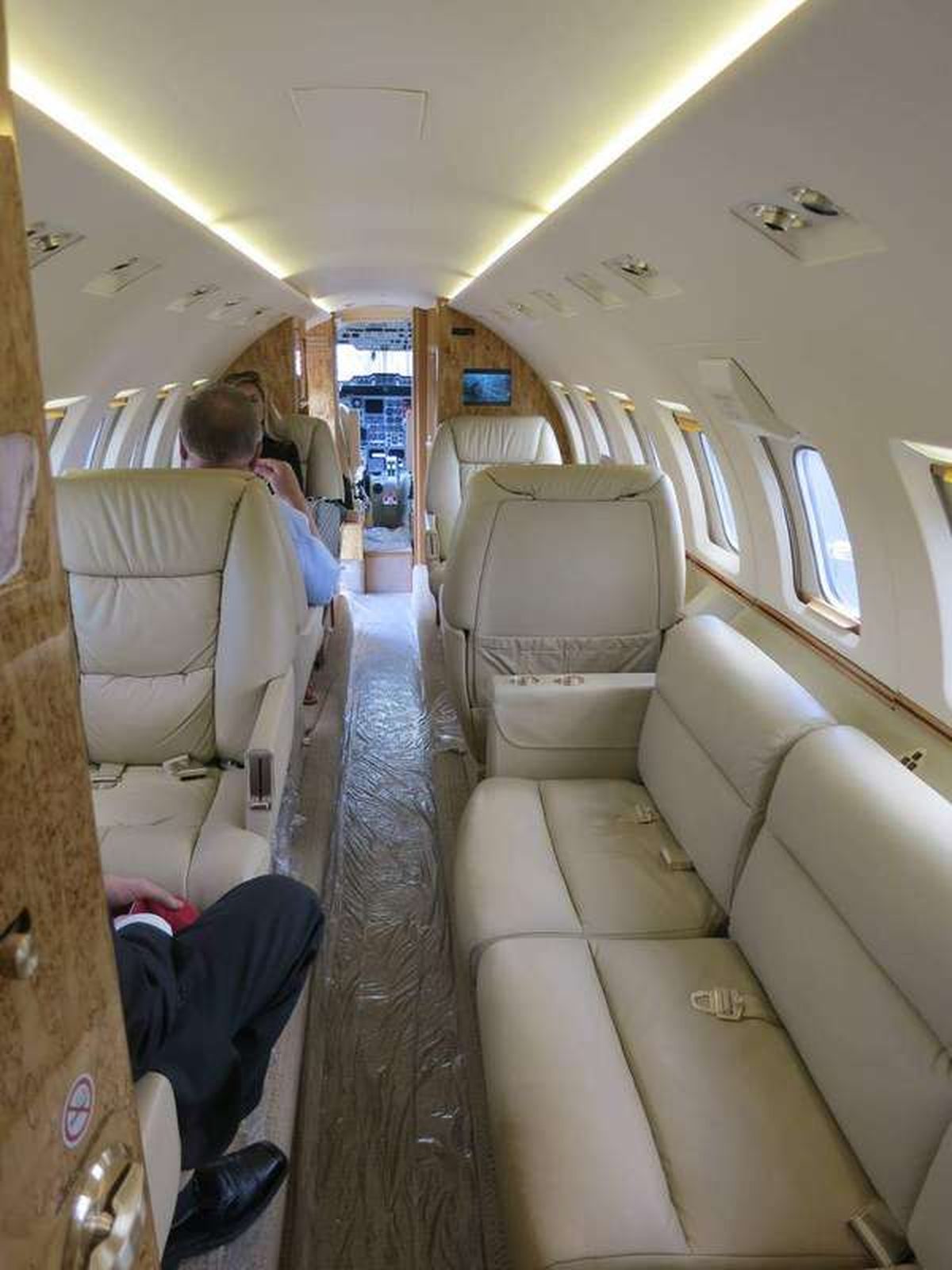
Image Credits: Wikimedia Commons
Your ears pop on planes because cabin air pressure changes faster than the pressure inside your middle ear can keep up.
The middle ear is a small air-filled chamber behind your eardrum. For the eardrum to vibrate properly and carry sound, the pressure on both sides must match.
A narrow passage called the Eustachian tube connects that chamber to the back of your nose and throat. Its job is to let air in and out so both sides stay equal.
This article explains why your ears pop on planes: what the Eustachian tube does, why descent is worse than takeoff, who feels it most, the techniques that actually stop it, and when to see a doctor.
What the pop actually is
The pop is the sound of your Eustachian tube opening. When pressure builds on one side of the eardrum, the tube snaps open. Air rushes through. The pressures equalize in an instant.
The Federal Aviation Administration describes the setup in its aviation physiology guide. On ascent, expanding air in the middle ear escapes through the tube naturally. On descent, the gas is trapped. The base of each tube acts like a one-way valve. It lets air out but resists letting it back in.
That trapped air must be actively forced through the tube. Until it is, the eardrum gets pulled inward by the higher cabin pressure outside.
Mayo Clinic gives this condition its medical name: ear barotrauma. It is also called barotitis media or airplane ear. It happens whenever middle-ear pressure and outside air pressure are out of balance.
Symptoms range from mild fullness to real pain. Mayo Clinic lists pain in one ear, slight hearing loss, and a stuffy feeling in both ears as the classic signs.
Why descent is worse than takeoff
Most people notice the problem on the way down, not the way up. The FAA's one-way-valve explanation is the reason.
During takeoff, cabin pressure drops as the plane climbs. The air trapped in your middle ear is at higher pressure than the cabin. It pushes the tube open on its own. Equalization happens passively.
During landing, cabin pressure rises. Now the air in your middle ear is at lower pressure than the cabin. The tube's one-way design works against you. The pressure difference itself holds the tube shut.
A University of Arizona atmospheric sciences lecture puts it plainly: opening the tube lets middle-ear pressure match outside pressure. The eardrum pops back to its normal shape. The vibrations of the eardrum as it changes shape are what you hear as ear-popping.
In other words, the pop is not a malfunction. It is the fix, happening. The pain is what you feel while the fix is stuck.
Who feels it most
Anyone can get airplane ear, but some people are built for worse. The FAA notes that an upper respiratory infection, such as a cold or sore throat, can cause the trouble. A nasal allergy condition can too. Either can produce enough congestion around the tube to make equalization difficult or impossible.
When congestion holds the tube shut, pressure builds across the eardrum. The FAA says an ear block produces severe pain and hearing loss. It can last from several hours to several days.
Children are especially prone. Their Eustachian tubes are narrower and more horizontal than adults'. So equalization is harder. That is a big part of why babies cry on descent.
Dehydration and fatigue can make it worse too. Dry, tired tissue does not open as readily. Staying hydrated during the flight is a small but real defense.
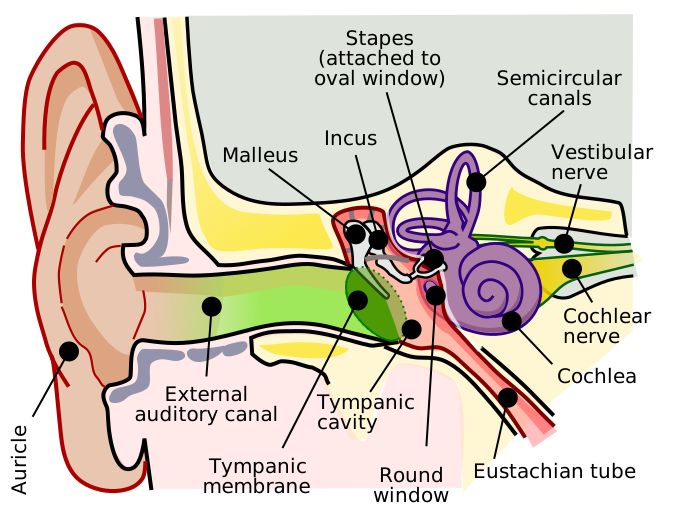
Image Credits: Wikimedia Commons
How to stop it: techniques that work
Every effective technique does the same thing. It opens the Eustachian tube on purpose, before pressure gets uncomfortable.
Swallow or yawn. Swallowing opens the tube briefly. A small bubble of air moves from the back of the nose into the middle ear. Healthy Hearing notes this is the tube doing its normal job, just on demand.
Chew gum or suck on hard candy. Chewing and sucking cause frequent swallowing. That keeps the tube cycling open. The University of Arizona lecture adds a detail: the taste and smell of gum signal the brain to release saliva. The buildup of saliva triggers the swallow reflex that opens the tube.
Try the Valsalva maneuver. Pinch your nostrils shut. Close your mouth. Gently blow as if blowing your nose. Mayo Clinic advises repeating it several times during descent. This equalizes pressure between the ears and the cabin.
Try the Toynbee maneuver. Pinch your nose shut and swallow several times. Healthy Hearing suggests this as the gentler alternative. It is especially useful if the Valsalva feels too forceful.
Stay awake during descent. Mayo Clinic recommends staying awake through ascents and descents. Then you can use these techniques when pressure changes fastest. You cannot swallow on schedule while asleep.
Use a decongestant if you are congested. Mayo Clinic suggests taking a decongestant 30 minutes to an hour before takeoff. Take it again 30 minutes to an hour before landing. This can prevent blockage of the tube. The clinic cautions that people with heart disease, heart rhythm disorders, or high blood pressure should check with a doctor first.
Consider filtered earplugs. Products like EarPlanes slow the rate of pressure change against the eardrum during ascent and descent. Mayo Clinic lists them among the self-management options. Follow the package directions.
For babies and small children, Mayo Clinic says to give them fluids during ascents and descents. Drinking encourages swallowing. Decongestants should not be used in infants or young children.
When to see a doctor
Most airplane ear resolves on its own within hours. Mayo Clinic advises calling a healthcare professional if rest, ice-style self-care, and over-the-counter pain relievers do not ease the pain.
Seek care sooner if hearing loss lasts more than a day or two. Also seek care if there is bleeding from the ear, or if dizziness and ringing persist. A ruptured eardrum is rare but possible after a severe block. It needs medical attention.
Do not try to force a stubborn block with aggressive blowing. A hard Valsalva against a fully closed tube can damage the eardrum. That is the opposite of the goal.
Frequently asked questions
Why do my ears only pop on landing, not takeoff?
On takeoff, expanding air in the middle ear pushes the Eustachian tube open by itself. On landing, the tube acts like a one-way valve and traps the air. You must open it deliberately by swallowing, yawning, or doing the Valsalva maneuver.
Is it safe to fly with a cold?
It is riskier. Congestion around the Eustachian tube can make equalization difficult or impossible, per the FAA. The resulting ear block can cause pain lasting hours to days. Mayo Clinic suggests a decongestant 30 to 60 minutes before takeoff and landing. But check with a doctor if you have heart conditions or high blood pressure.
What is the Valsalva maneuver, exactly?
Pinch your nostrils shut. Keep your mouth closed. Gently blow as if blowing your nose. The gentle pressure forces the Eustachian tubes open. Repeat several times during descent. Keep it gentle, never forceful.
Why do babies cry so much during descent?
Their Eustachian tubes are narrower and more horizontal than adults'. That makes equalization harder. Feeding them or giving them a pacifier during descent encourages the swallowing that opens the tubes. Decongestants should not be given to infants.
The bottom line
Ear popping is your Eustachian tube doing its job. It opens to equalize the pressure on both sides of your eardrum. Descent hurts more than takeoff because the tube works like a one-way valve. Congestion makes everything harder.
Stay awake during descent. Swallow or chew gum. Use the Valsalva or Toynbee maneuver at the first sign of fullness. If you are congested, a decongestant taken 30 to 60 minutes before landing gives the tube its best chance.
---
About the author: Rive News is the research desk behind these explainers, covering practical questions with verified facts and named sources.
Latest in Travel
- Why Is Airplane Food Bland at Altitude?
- How Does Jet Lag Work Scientifically?
- Jet Lag: Eastward vs Westward Travel
- Why Do Carry-On Size Limits Differ Between Airlines?
Subscribe for one practical explainer like this in your inbox every morning.
Rive News follows a corrections policy: factual errors are fixed promptly and noted with an update timestamp.
Related stories

The 3-1-1 liquids rule for planes: what each number means
TSA's 3-1-1 rule limits carry-on liquids to 3.4-ounce containers in one quart bag. Where the 2006 rule came from, what counts, and how

Why Is Airplane Food So Bland at Altitude?
A 2010 Fraunhofer study found altitude cuts sweet and salty perception by up to 30 percent. Low humidity, cabin pressure, and noise all

Carry-on size limits: why airlines each set their own
Airlines set their own carry-on limits because the FAA only requires each carrier to have a policy, not one global size. Why 22 x 14 x