
Frontier airfares jump 71% in third quarter: fuel bill hits $425 million
Web StoryWatch this story in 15 seconds →Key takeaways
- Frontier raised average fare revenue 71% to $67.82 per passenger in the third quarter.
- Total revenue hit a record $1.36 billion, but the fuel bill jumped 82% to $425 million.
- The airline still lost $104 million, yet it beat its own profit forecast on an adjusted basis.
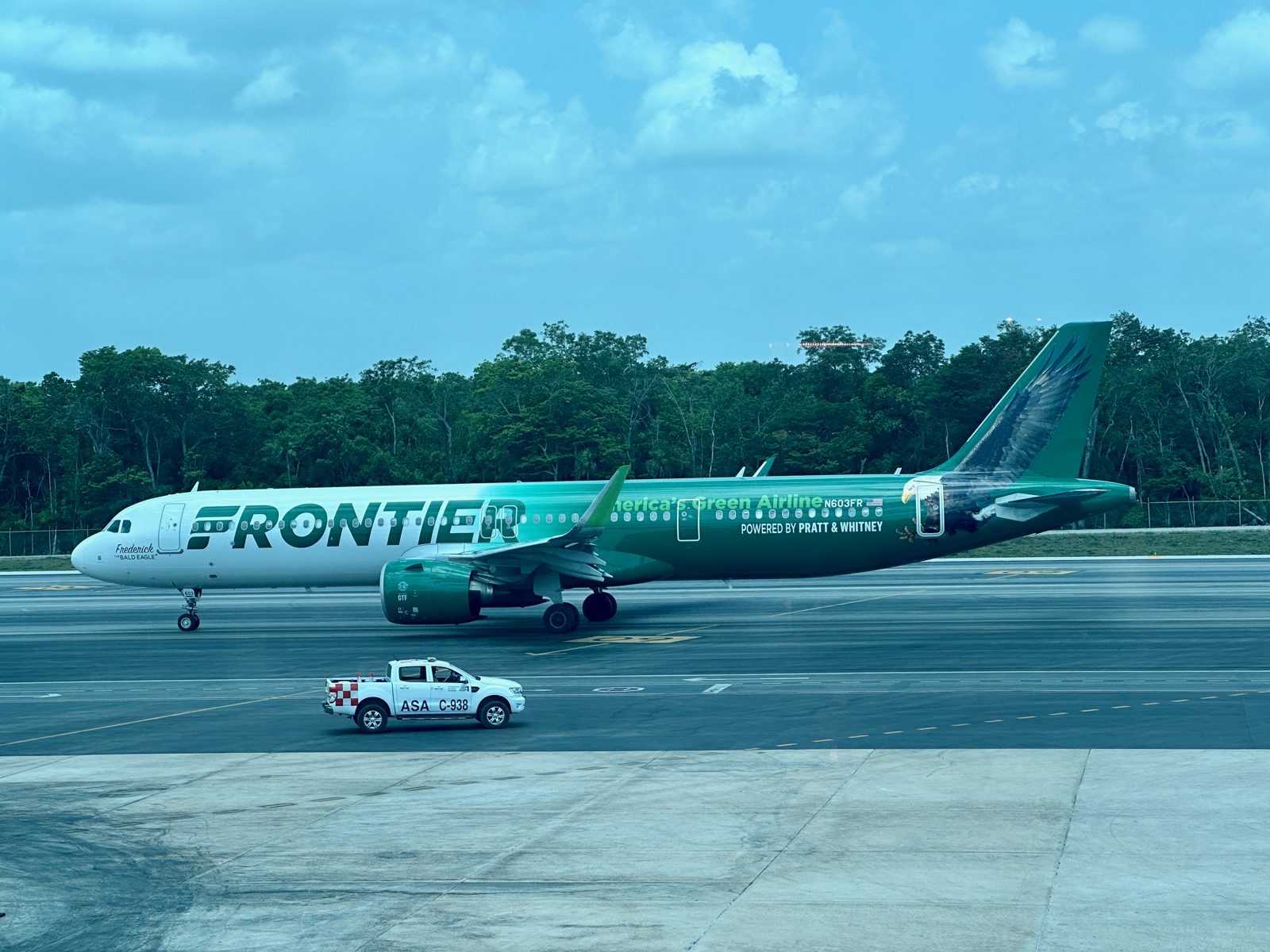
Frontier Airlines charged far more for tickets in the third quarter of 2026. Average fare revenue rose 71% from a year earlier to $67.82 per passenger. The rise came as jet fuel prices climbed even faster.
This article is for information only and is not financial advice.
What happened
Frontier reported its third quarter results on Wednesday, October 28, 2026. The Denver based budget airline is the largest discount carrier in the United States. CNBC reported that fare revenue averaged $67.82 per passenger in the July to September period. A year earlier, the same figure was $39.74.
Fees pushed the total higher still. Count extras such as checked bags and carry on bags. Total revenue per passenger rose 30% to $138.22.
Reuters reported that total quarterly revenue reached an all time high of $1.36 billion. That beat analyst estimates of $1.29 billion.
Passengers kept booking even at the higher prices. Frontier flew more than 9.8 million passengers in the quarter. That was 18% more than a year earlier.
That is about 1.5 million extra people. CNBC reported that demand stayed strong despite the higher fares.
Why fares rose so fast
Fuel is the main reason. Frontier paid $3.96 per gallon of fuel in the quarter. Yahoo Finance cited that figure.
Its total fuel bill jumped 82% to $425 million. Fuel is an airline's biggest cost after staff pay. When fuel costs surge, ticket prices usually follow.
Frontier also had more room to raise prices. Rival Spirit Airlines collapsed in May 2026. CNBC reported that Frontier had already passed Spirit as the biggest discount carrier before that collapse.
With one less rival on many routes, Frontier faced less pressure to keep fares low.
The airline has also changed how it earns money. Reuters reported that Frontier added first class seating and Starlink internet on board. It also worked to grow income from its loyalty program.
At the same time, it cut costs by handing back some leased planes.
Why it still lost money
Higher fares did not cover the fuel bill. Frontier reported a net loss of $104 million for the quarter under standard accounting rules. A year earlier, its loss was $77 million.
FlightGlobal also reported the $104 million loss figure.
The picture looks different on an adjusted basis. Adjusted figures strip out one off items to show the core business. On that basis, Frontier posted net income of $40 million, or 18 cents per share.
Reuters reported that this beat forecasts. Analysts had expected a loss of 4 cents per share. A year earlier, the adjusted result was a loss of 34 cents per share.
Chief executive Jimmy Dempsey said the revenue result beat company guidance. He said it also beat Wall Street forecasts. He credited strong travel demand and the airline's pricing work.
Shares rose about 6% in early trading on Wednesday, according to CNBC.
What happens next
The next quarter looks hard too. Frontier expects fuel to cost about $4.75 per gallon in the fourth quarter. Finimize gave that figure, as reported by QNC News.
That is well above the $3.96 average in the third quarter.
For the fourth quarter, Frontier forecast an adjusted result. The range runs from a 15 cent loss to a 5 cent profit per share.
Reuters reported that the middle of that range is a loss of 5 cents. That is slightly better than the 6 cent loss analysts had expected.
For travellers, the message is mixed. Budget fares have risen a lot, and fuel costs point to more pressure ahead. But Frontier is still adding seats and flying more people.
If fuel prices ease, fares could ease too. If they stay high, cheap tickets will stay hard to find.
For now, the budget model still works in one key way. People keep flying even when fares jump.
The winter question is simple. Will fuel let Frontier turn that demand into a real profit? The fourth quarter answer will show if the fare hikes were enough.
What this means for your next trip
Budget airlines make much of their money from fees, not just fares. The $67.82 figure is fare revenue only. Bags, seat choice and other extras take the total to $138.22 per passenger.
Travellers who pack light and skip extras pay far less than that total.
It also helps to compare the full price before booking. A low fare with high bag fees can cost more. It can beat a rival ticket that includes a bag.
Rules on budget airline cuts show how rivals are also trimming routes this winter. Airport rules matter too. Boarding order can change how early you must arrive.
Packing rules affect the final bill too. Check what fits in just a personal item before you pay for a bag.
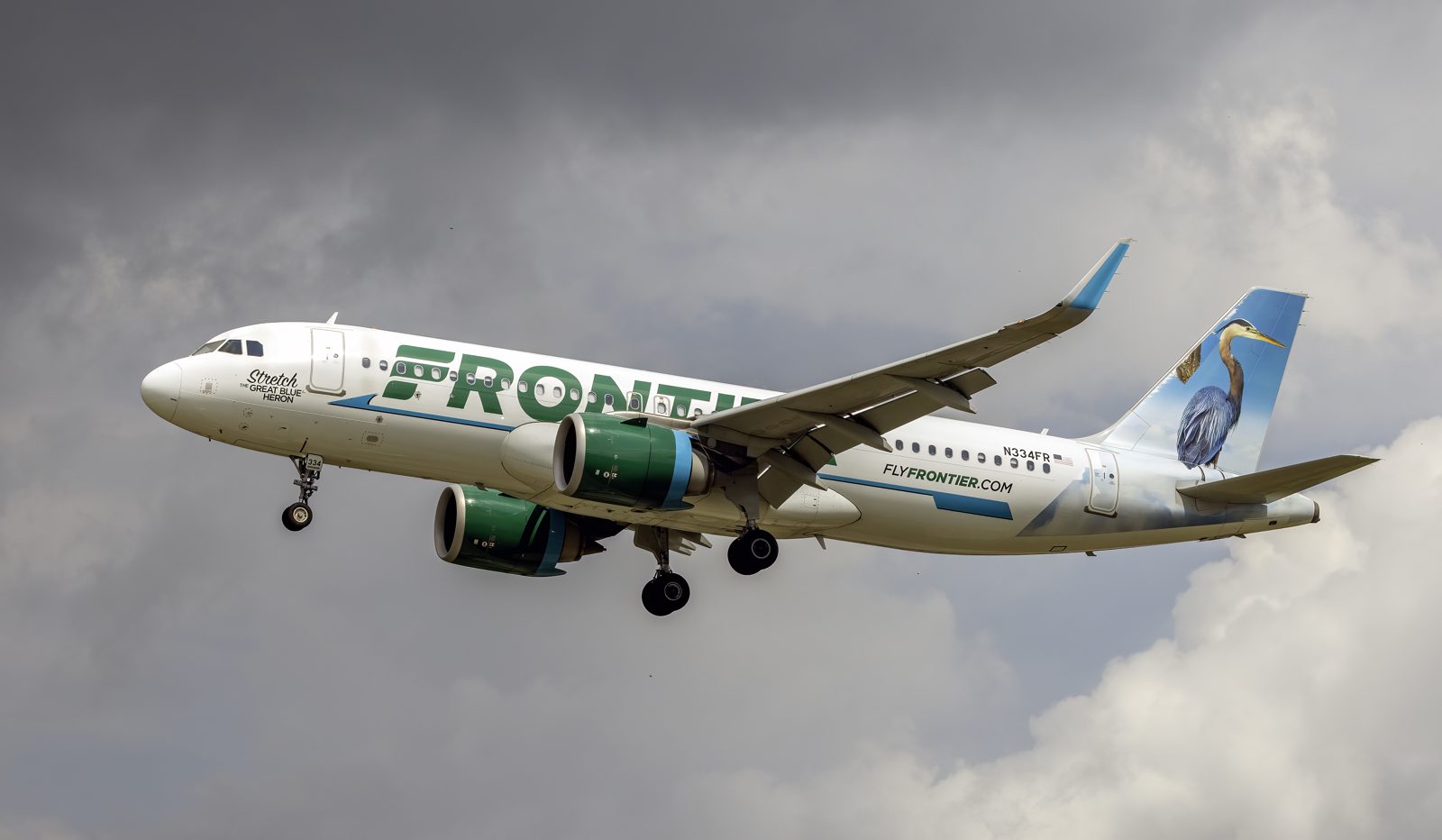
Related stories

The 3-1-1 liquids rule for planes: what each number means
TSA's 3-1-1 rule limits carry-on liquids to 3.4-ounce containers in one quart bag. Where the 2006 rule came from, what counts, and how
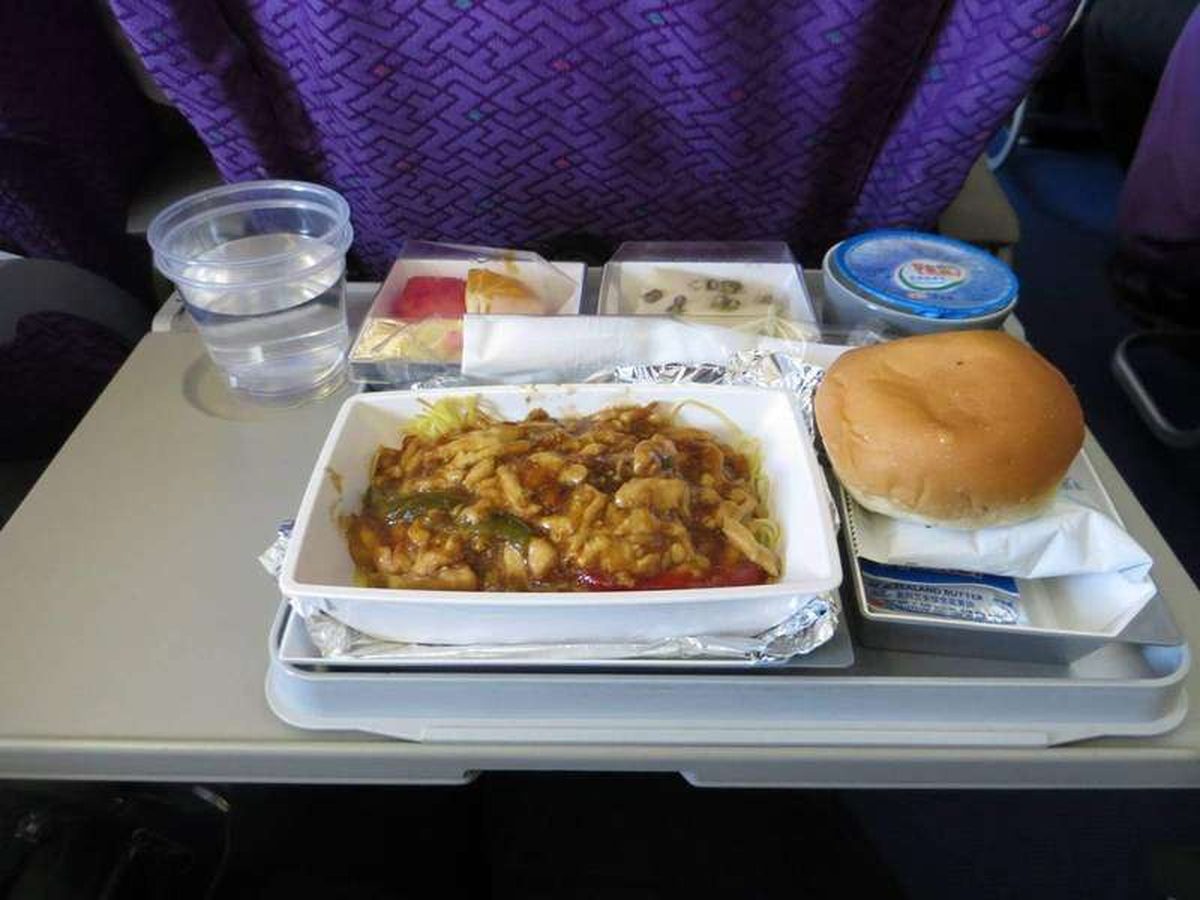
Why Is Airplane Food So Bland at Altitude?
A 2010 Fraunhofer study found altitude cuts sweet and salty perception by up to 30 percent. Low humidity, cabin pressure, and noise all
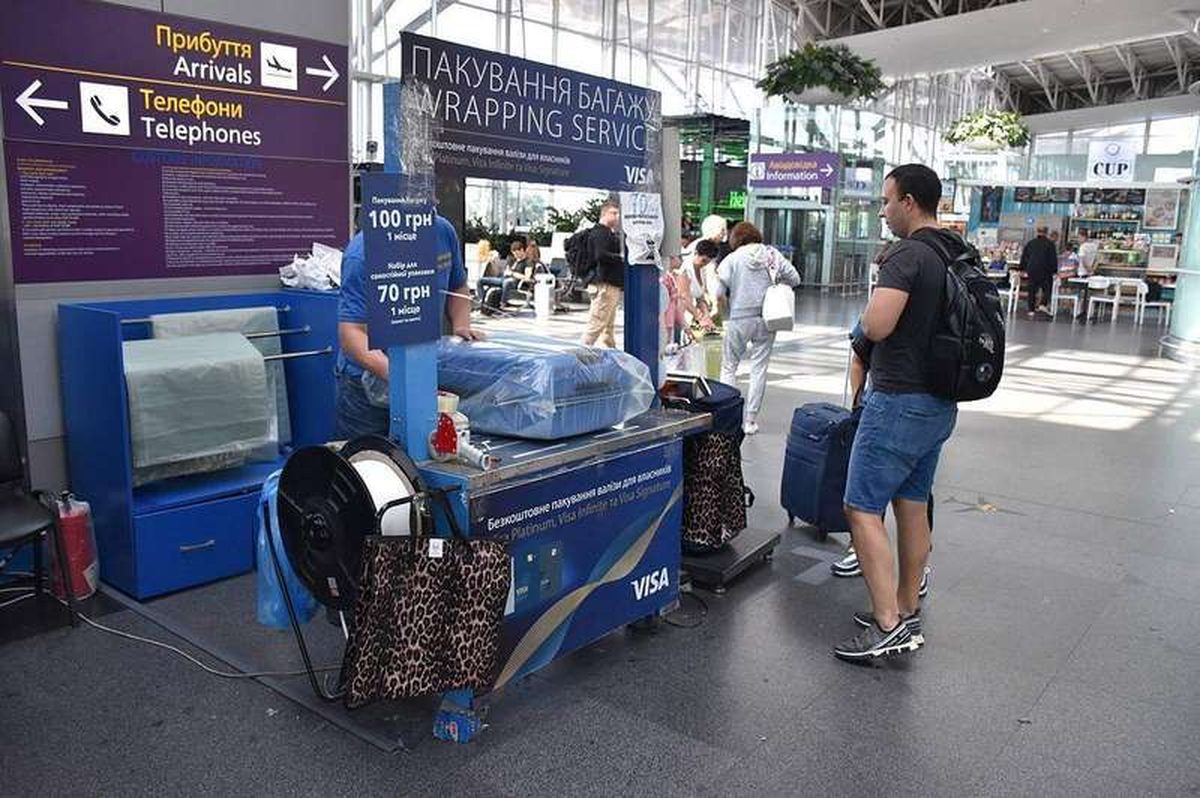
Carry-on size limits: why airlines each set their own
Airlines set their own carry-on limits because the FAA only requires each carrier to have a policy, not one global size. Why 22 x 14 x