
Gatwick flight power bank fire: passenger burned, plane turns back
Web StoryWatch this story in 15 seconds →Key takeaways
- A power bank caught fire in a man's pocket on a British Airways flight from Gatwick.
- The man suffered burns, and the plane turned back about 30 minutes after take-off.
- Power banks must stay in the cabin, never in checked bags, under 2026 flight rules.
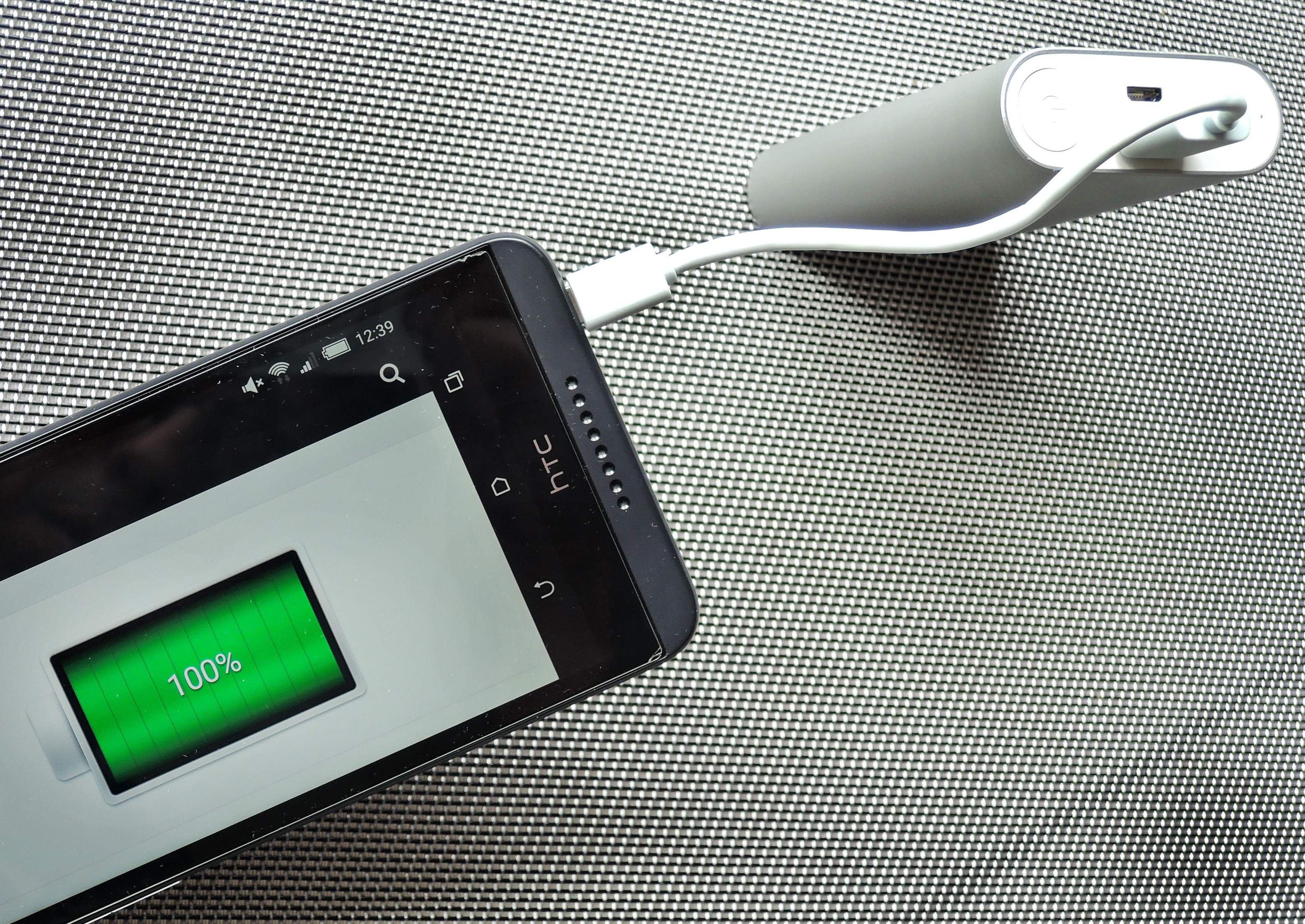
A power bank caught fire on a British Airways flight from Gatwick. The plane turned back soon after take-off. One man suffered burns.
Other passengers breathed in smoke.
The flight left Gatwick on Thursday morning, October 15, 2026. It was bound for Bari, Italy, according to The Sun. The fire started about 15 minutes into the flight.
A passenger heard someone shout "fire". She then smelled burning. Then she saw flames halfway down the aisle.
The power bank was in a male passenger's pocket, according to The Standard. It burst into flames there. The man suffered burns and needed treatment.
Other passengers sought help for smoke inhalation. Some were asked to change their clothes. The smoke had soaked into what they wore.
The cabin crew put out the fire. They made the device safe. The plane landed back at Gatwick about 30 minutes after take-off, according to The Sun.
It landed in a normal way. Passengers got off as usual. The plane was then taken out of service.
Passengers waited about six hours for another plane, The Sun reported.
British Airways thanked the crew for their fast work. "Safety is always our top priority," a spokesperson said.
"Our flight landed back at Gatwick following this incident." The airline said it was sorry for the delay. It gave passengers a gesture of goodwill.
It gave passengers a gesture of goodwill. It moved them onto another flight so they could keep going.
The UK Civil Aviation Authority praised the crew too. Glenn Bradley is its Head of Flight Operations. He said the crew, the fire teams, and the Gatwick team acted fast.
He also urged flyers to learn the rules. Lithium battery devices must travel in the cabin. They must never go in hold bags.
What happened
The flight was a normal morning trip from Gatwick. Then a small device turned it into an emergency. The device was a portable charger, also called a power bank.
It sat in a passenger's pocket. Then it caught fire.
A fellow passenger told her story on social media. Her name is Linda N Peter Davis. SussexWorld reported her account.
She said the shout of "fire" came about 15 minutes into the flight. She smelled burning first. Then she saw flames halfway down the aisle.
She called it the scariest moment of their lives.
Panic spread fast in the cabin. Crew members rushed to help the burned man. They put out the fire.
They made the device safe. The pilots turned the plane around. The plane came back to Gatwick.
It landed in a normal way. Fire teams met it on the ground.
No flight number was given in the reports. The destination was not named by all outlets. The Sun named Bari, Italy.
The key facts match across the reports. A pocket charger caught fire. A man was burned.
The plane turned back.
Why it matters
A power bank is a small box with a battery inside. That battery is a lithium-ion battery. The same type powers most phones and laptops.
These batteries are safe when they work well. But they can fail. When they fail, they can heat up fast.
Aerospace Global News explains the process in plain terms. A fault inside the battery starts a chain reaction. The battery heats up fast.
It lets out hot gas. It gives off smoke that can harm the lungs. It can catch fire.
The fire can start again even after it looks out. That is why crews treat these fires with care.
A plane is a closed space. Smoke and heat spread fast there. A small fire can force a whole flight to turn back.
It can also force an emergency landing. That is what happened at Gatwick. It is also part of a wider pattern.
Battery fires on planes keep showing up in the news.
In January 2025, a fire broke out on an Air Busan plane in South Korea. Seven people were hurt. The plane was destroyed by the fire.
Investigators said a power bank likely caused it. In February 2025, a power bank caught fire on a KLM flight. It flew from Sao Paulo to Amsterdam.
Crew members dealt with it in the air.
The pattern kept going this year. In June, a power bank burst into flames on a British Airways flight. The flight went from London to Las Vegas.
The Sun reported the fire at 30,000 feet. In May, a UK-bound easyJet flight diverted to Rome. A passenger had left a phone charging on a power bank in the hold.
On October 11, an IndiGo flight in India diverted to Hyderabad. A power bank caught fire in an overhead bin.
The Gatwick fire fits this pattern. It shows how fast a small battery can turn into a big problem. It also shows why the rules are strict.
The cabin is the safest place for these devices. Crew members can see a fire there. They can act at once.
A fire in the hold is much harder to reach. That is why power banks must never go in checked bags.
What happens next
The rules for power banks got stricter in 2026. On March 27, 2026, the world aviation body ICAO set new rules. Passengers may carry at most two power banks each.
The power banks must stay in cabin bags. Each one must be protected from short circuits. That means the ends must not touch metal.
A pouch or tape can help.
Passengers must not recharge power banks during flights. They are also advised not to use them to charge other devices on board. Airlines can set rules that are even stricter.
Flyers must check their own airline's rules before they travel.
Size limits also apply. Power banks up to 100 watt-hours can fly with no prior approval. A watt-hour is a measure of stored energy.
Most phone power banks fall under this limit. Banks from 100 to 160 watt-hours need airline approval. Banks over 160 watt-hours are banned on passenger planes.
The capacity must be printed on the device. If staff cannot read it, they may take the device away.
Some people ask for a full ban on power banks. Pilots do not back that call. Joji Waites speaks for the British Airline Pilots Association.
He told Aerospace Global News that the cabin is the best place for these devices. Crew members can spot a hot device at once. They are trained to deal with it fast.
He said the group does not support a ban. It wants more flyers to know the rules that already exist.
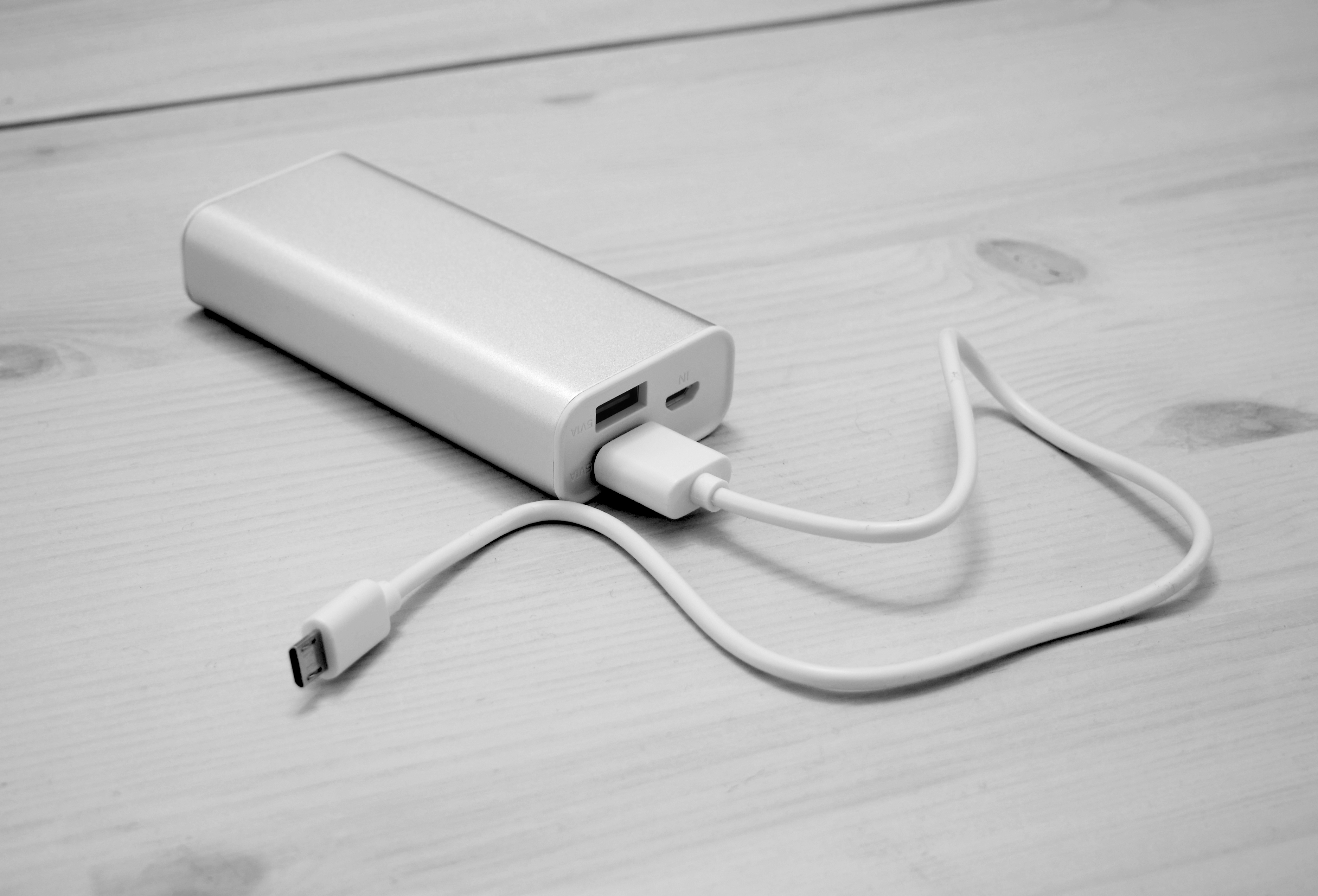
So what should flyers do? Keep power banks in hand luggage. Keep them where you can see them.
Do not pack them in checked bags. Do not charge them from the plane's power. Do not use a cracked or swollen power bank.
If a device gets hot, smokes, or looks damaged, tell the crew at once. That advice comes from IATA, the world airline group.
The Gatwick flight shows why these steps count. One small battery caused burns, smoke, and a six-hour delay. The crew acted fast.
The plane landed safe. But the scare was real. The rules exist to stop the next one.
For now, the 2026 rules stay in place. Flyers should check their airline's rules before each trip. Rules can differ by carrier and country.
A quick check takes a few minutes. It can save a flight from turning back. It can also keep every person on board safe.
An IndiGo flight made an emergency landing after a power bank fire. Flyers should also know why crews ask them to switch phones to airplane mode. It also helps to know why planes dump fuel before an emergency landing.
Related stories

The 3-1-1 liquids rule for planes: what each number means
TSA's 3-1-1 rule limits carry-on liquids to 3.4-ounce containers in one quart bag. Where the 2006 rule came from, what counts, and how

Why Is Airplane Food So Bland at Altitude?
A 2010 Fraunhofer study found altitude cuts sweet and salty perception by up to 30 percent. Low humidity, cabin pressure, and noise all

Carry-on size limits: why airlines each set their own
Airlines set their own carry-on limits because the FAA only requires each carrier to have a policy, not one global size. Why 22 x 14 x