
Why hotels ask for a card at check-in even prepaid
By Rive News / Research desk | Rive News / Published October 28, 2026 at 9:00 AM PKT
Key takeaways
- A prepaid booking covers the room rate, not minibar, room service, parking, damage, or resort fees.
- Hotels place a temporary pre-authorization hold, not a second room charge, to cover those possible costs.
- Holds are usually released at checkout, but debit-card holds can take up to 10 business days to clear.
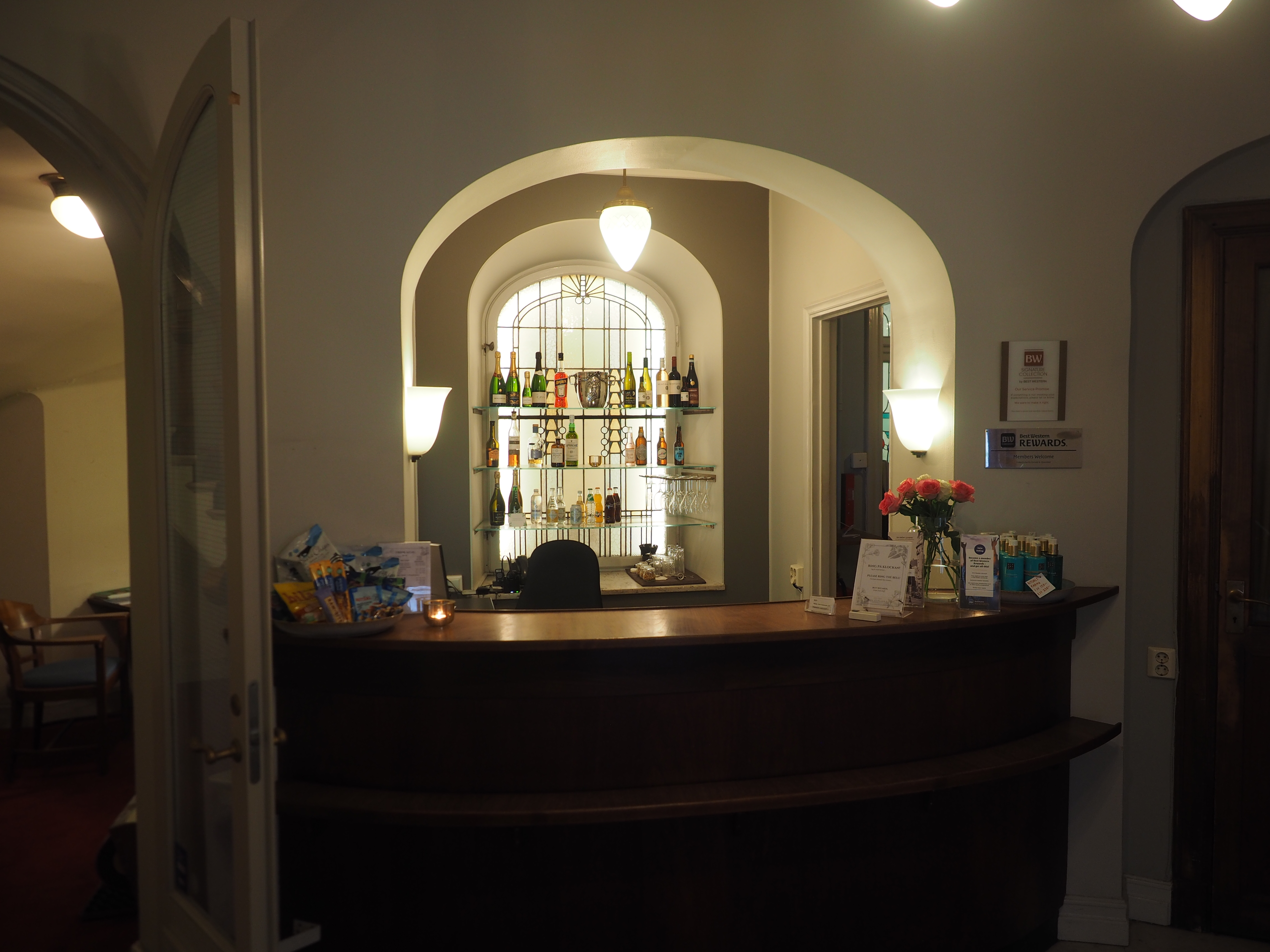
[A hotel front desk where guests present a card at check-in.] Photograph: hotel reception desk
Image Credits: Wikimedia Commons
You paid for the room in full weeks ago, yet the front desk still asks for a card. It feels like being charged twice, and for many travellers it is the most confusing moment of check-in. The request is normal, and it is not a second room charge.
This article explains why hotels ask for a card at check-in even when you prepaid, including what a pre-authorization hold is, what it covers, how large it can be, and what to do if the hold causes problems.
Prepaying covers the room, not the stay
A prepaid reservation settles the room rate and, usually, its taxes. It does not settle everything a stay can cost, because many charges only arise once you are in the room.
Minibar items, room service, parking, spa treatments, and pay-per-view films all post to your room account during the stay. Resort fees, where they apply, are often collected at the property rather than by the booking site. Damage, smoking penalties, and missing items are only discovered after checkout.
Hotels therefore need a payment method on file for costs that do not yet exist. As Chase explains, hotels take a card to validate the reservation and to charge for potential damages or theft, which are usually found after checkout.
LegalClarity puts the same point directly: paying in full through a third-party site like Expedia or Booking.com does not eliminate the hold at check-in. The room rate is settled, but the hotel still needs a card for incidentals, resort fees, and potential damage.
What a pre-authorization hold actually is
A pre-authorization, often called a hold, is not a charge. The hotel asks your bank to reserve a sum against your available credit or bank balance, and that sum stays reserved until the hotel releases it or converts part of it into a final bill.
Think of it as a fence around money rather than money taken away. If you use the same card to settle your final bill, the hotel converts part of the hold into the charge and releases the rest. If you pay another way, the hold should be released in full.
The distinction matters most for debit cards. A credit-card hold reduces your available credit, which is usually invisible unless you are near your limit. A debit-card hold reduces money you can actually spend, which is why debit holds cause more complaints.
How large the hold can be
There is no industry-wide standard for incidental holds, so amounts vary by property, brand, location, and length of stay. LegalClarity reports that hotels typically hold $100 to $200 per night on top of the room rate for incidentals.
Brand policies illustrate the range. Hilton's payment FAQ says a hotel may authorize the anticipated amount owed plus estimated incidentals, including food, drinks, parking, and gratuities, according to NewsWave's reporting.
A concrete example shows how the numbers stack up. Hyatt House Houston Medical Center authorizes the room rate and tax plus $50 per night for incidentals, NewsWave reported. On a three-night stay with a $500 room bill, that adds $150, tying up $650 in total even if the guest buys nothing extra.
Luxury hotels and longer stays generally carry larger holds. A suite, a resort with many chargeable extras, or a multi-week stay will usually trigger a bigger authorization than a single night in a budget property.

[A hotel reception desk where check-in holds are arranged.] Photograph: hotel reception desk
Image Credits: Wikimedia Commons
Why the hotel cannot just trust you
Hotels learned the hold system from experience with no-shows, damage, and unpaid extras. When a guest books a room, the hotel holds that room against other sales, and a late cancellation or no-show costs real revenue.
Chase notes that a card lets the hotel charge cancellation fees and contact the guest about changes. Most hotels require cancellation 24 to 48 hours before arrival to avoid a penalty, and LegalClarity reports that no-show fees usually equal one night's room rate plus tax.
Damage is the sharper problem. A stained carpet, a broken television, or a room smoked in after checkout can cost hundreds to repair, and the guest has already left. Without a card on file, the hotel has little practical way to recover that money.
The hold also protects the guest in one quiet way. It caps the dispute: the hotel can only convert the hold into charges it can itemise, and the guest's bank statement shows exactly what was taken and when.
What happens at checkout
At checkout, the hotel finalises your bill and settles it against the hold. If you charged nothing extra, the hold should be released, and no final charge should appear beyond anything already prepaid.
Release speed depends on your bank, not just the hotel. Credit-card holds often clear within a few days, and sometimes within hours. Debit-card holds are slower: the same Hyatt property warns that an original debit hold can remain for up to 10 business days in the United States after departure, according to NewsWave.
That gap is the main practical risk of using a debit card. A traveller who checks out on a Friday may find several hundred dollars unavailable well into the following week, even though the hotel released the hold promptly.
If a hold lingers beyond the expected window, the first step is to ask the hotel for the release reference. Banks can usually trace a hold faster with that reference than with a general complaint.
Alternatives if you have no credit card
Many hotels accept debit cards at check-in, though they may ask for a larger deposit. Some accept cash deposits, but the amount is often higher, and the refund may take days to process through the property's accounting.
Prepaid cards are a mixed option. Some hotels accept them, but a hold can freeze the card's entire balance, leaving nothing for other spending. Calling the property before arrival is the safest way to confirm what it accepts.
Asking for a smaller hold is always worth trying. LegalClarity notes that not every hotel will agree, but it costs nothing to ask, and a smaller hold means less of your credit tied up. Guests who genuinely plan to charge nothing to the room have the strongest case.
What to ask at the front desk
Three questions prevent most check-in surprises. First, how much will you authorize on my card, and what does it cover? Second, when will the hold be released after checkout?
Third, will a debit card be treated differently from a credit card?
Get the answers in plain numbers. A vague "a small deposit" is not an answer; a figure per night, plus taxes and fees, is. If the figure seems high for the property, ask whether it can be reduced, especially on a prepaid stay.
Keep the checkout receipt and note the name of the agent who handled the release. If the hold lingers, that receipt and name turn a vague complaint into a traceable request.
Frequently asked questions
Am I being charged twice if I prepaid?
No. The room rate is already paid, and the check-in request is a temporary hold for incidentals, fees, and possible damage. The hold is released or converted into your final bill at checkout, not added on top of the prepaid rate.
How much do hotels usually hold per night?
LegalClarity reports typical holds of $100 to $200 per night above the room rate. Actual figures vary by property: Hyatt House Houston Medical Center, for example, authorizes $50 per night for incidentals plus room rate and tax.
Why does a debit-card hold take longer to clear?
A debit hold ties up real money in a bank account, and banks release holds on their own timetables. NewsWave reported that one Hyatt property warns debit holds can remain for up to 10 business days after departure in the United States.
Can I check in without any card?
Some hotels accept cash deposits or debit cards, but policies vary and cash deposits are often larger. Calling the property before arrival is the reliable way to confirm what it will accept.
Can I ask for a smaller hold?
Yes, and it costs nothing to ask. Hotels will not always agree, but guests on prepaid stays who plan to charge nothing to the room often succeed in getting the authorization reduced.
The bottom line
Hotels ask for a card at check-in on a prepaid stay because prepaying settles the room, not the stay. The hold covers the extras, fees, and damage that can only appear once you are in the room, and it gives the hotel a way to collect them after you leave.
The practical lesson is simple: use a credit card where possible, ask the exact hold figure at check-in, and keep your checkout receipt until the hold clears. A few questions at the desk can save days of tied-up money later.
Tags: hotels, check-in, travel payments
Rive News's research desk covers everyday systems and the rules behind them, from travel documents to household technology, using public sources and named authorities.
Related
- Why hotel check-in times exist
- Why hotels ask for a deposit at check-in
- How hotels decide which room you actually get
- How to stay safe in a hotel room as a solo traveller
Subscribe to the Rive News newsletter for one plain-English explainer each morning.
Rive News publishes research-based explainers; facts are attributed to named public sources, and corrections are welcomed.
Related stories

The 3-1-1 liquids rule for planes: what each number means
TSA's 3-1-1 rule limits carry-on liquids to 3.4-ounce containers in one quart bag. Where the 2006 rule came from, what counts, and how
Why Is Airplane Food So Bland at Altitude?
A 2010 Fraunhofer study found altitude cuts sweet and salty perception by up to 30 percent. Low humidity, cabin pressure, and noise all
Carry-on size limits: why airlines each set their own
Airlines set their own carry-on limits because the FAA only requires each carrier to have a policy, not one global size. Why 22 x 14 x