
How hotels decide which room you actually get
By Rive News / Research desk | Rive News / Published October 26, 2026 at 9:00 AM PKT
Key takeaways
- A hotel booking reserves a room type, not a specific room number.
- Staff usually pre-assign rooms before check-in, using loyalty, requests, and housekeeping status.
- Upgrades follow inventory and rank order, not luck, and a room must be clean and ready first.
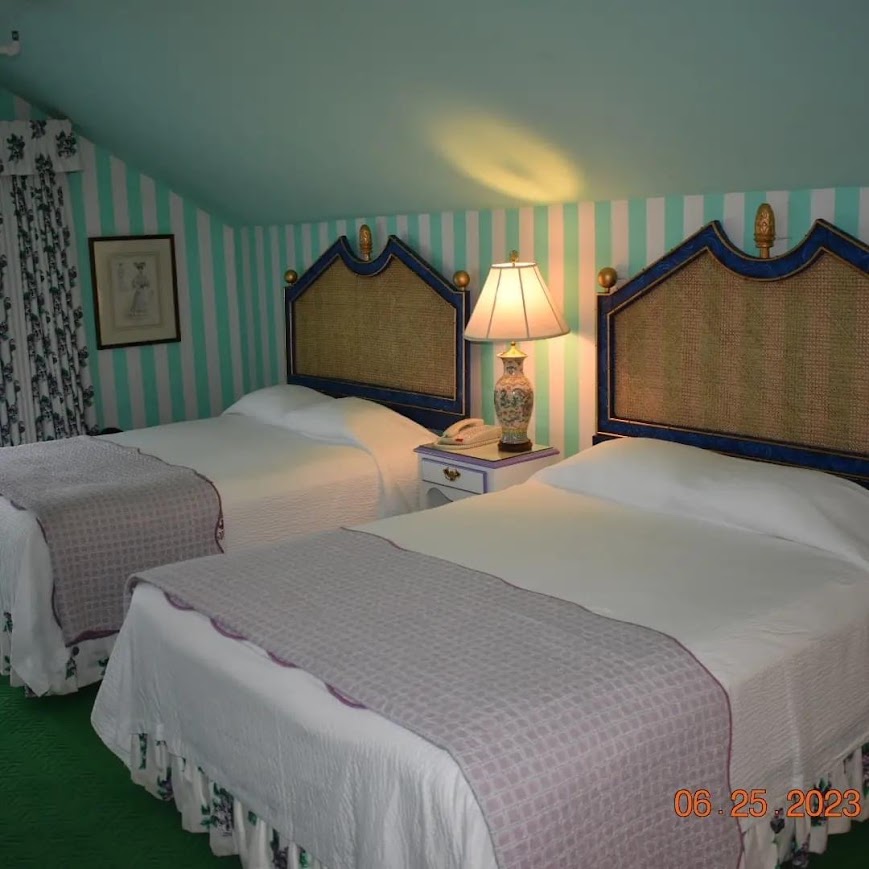
[A hotel room with a bed, seating, and a window, as a guest would find it on arrival.] Photograph: the subject
Image Credits: Wikimedia Commons
You book a double room, and you receive room 412. That number was not random, and it was probably chosen before you reached the front desk.
This article explains how that choice happens, including room types, the morning allocation list, loyalty rank, and housekeeping. It also covers upgrades, downgrades, and what actually helps at check-in.
You book a type, not a room
Most hotel bookings reserve a category, such as a standard double or a deluxe king. The booking does not promise a floor, a view, or a room number.
Hotelogix's allocation guide states this plainly. It notes that during booking only a room type is booked, and a room number is not yet allocated to the guest.
That gap gives the hotel flexibility. It can match guests to rooms as housekeeping finishes them, rather than locking numbers weeks ahead.
It also means two guests with the same booking can receive very different rooms. The difference comes from timing, requests, status, and what is ready.
Read the booking confirmation carefully. It usually names the type and the occupancy, and any view or floor promise only counts if it appears there in writing.
The morning allocation list
The real decision often happens hours before check-in. Staff review the next day's arrivals, the room types booked, and any special requests on file.
Travelbinger's duty-manager account describes that morning sort in detail. It says reservations hand the next day's arrivals to the front desk, and the duty manager reviews the full list, flags VIPs and loyalty holders, and pre-blocks rooms before any guest arrives.
By the time you reach reception, your room is usually already chosen. What you say at check-in can still change it, but only if a better room is free and ready.
Early arrivals complicate the list. A room booked for 3 pm may still hold a departing guest at noon, so early check-in depends on what housekeeping has finished.
Late arrivals face a different risk. A hotel that overbooks a type may move late guests to another type, since earlier arrivals have already taken the ready rooms.
Loyalty and booking channel matter
Loyalty status is one of the strongest factors in allocation. Hotels protect their repeat guests, because those guests choose the brand again and again.
Direct bookings also rank above third-party bookings in many hotels. A direct guest costs the hotel less in commission, and the hotel holds the guest's full details.
At 25hours hotels, chief brand officer Bruno Marti has described the upgrade order as regular guests first, then direct bookers, then pleasant guests. That ranking comes from Travelbinger's reporting of his public comments.
Occasion notes help too, within limits. A honeymoon or anniversary note may lift a guest above a similar booking, if a suitable room is free.
None of this guarantees an upgrade. It only sets the order in which free, ready rooms are offered when they exist.
Housekeeping decides what is possible
A room cannot be assigned until housekeeping marks it clean and ready. That single status gate shapes more decisions than any loyalty tier.
A suite that is still being cleaned is not available, even if it sits empty. Staff cannot hand over a room with unmade beds, missing towels, or an unchecked bathroom.
Maintenance holds work the same way. A room with a broken air conditioner, a leaking tap, or a faulty lock stays out of the pool until it is fixed.
Hotelogix notes that its allocation tools weigh occupancy, housekeeping status, and room optimisation rules together. The system scans available rooms and picks the best match for each guest's details.
That is why a polite request at noon may fail, while the same request at 4 pm succeeds. The room was not ready earlier, and no amount of charm changes cleaning time.
How upgrades actually work
An upgrade moves a guest to a higher room category than the one booked. It usually happens for one of three reasons, and only when the higher category has free, ready rooms.
The first reason is loyalty. Elite members receive complimentary upgrades when the hotel's upgrade inventory allows it, in rank order.
The second reason is overselling. If standard rooms are full but deluxe rooms are free, the hotel may upgrade a standard guest rather than turn that guest away.
The third reason is a service recovery. A guest moved from a faulty room, or kept waiting past check-in, may receive a better room as compensation.
Marriott automated part of this process in July 2025. Its Automatic Complimentary Upgrades system checks upgrade inventory for arriving elite members, starting at 3 pm local time the day before arrival, according to One Mile at a Time's report.
Hotels still choose which rooms count as upgrade inventory. A hotel can keep suites out of the pool, so automation does not force every suite to become a free upgrade.
Why downgrades happen
A downgrade gives a guest a lower category than booked, or a room that misses a promised feature. It is rare, and hotels dislike it, because it breaks the booking promise.
Maintenance is a common cause. A room type may be fully booked, and the only ready rooms left may sit in a lower category.
Overbooking is another cause. Hotels sometimes sell more rooms of a type than they hold, betting that some guests will cancel or not arrive.
When a downgrade happens, the hotel should explain it, adjust the rate, and offer compensation. Accepting a lower room at the booked rate is not a fair outcome, so ask for the rate change in writing.
A guest who accepts a downgrade should also ask when a move to the booked type is possible. Staff can note the request for the next morning, when new rooms become ready.
What helps at check-in
Arrive with a clear, short request. Name one or two preferences, such as a high floor or a quiet room away from the lift, rather than a long list.
Mention loyalty status and the booking channel if they help. Staff can see status on screen, but a calm reminder keeps it in the conversation.
Be flexible about timing. A guest who can wait an hour for a ready room has more options than a guest who must enter a room at once.
Be pleasant, but do not expect politeness alone to create a suite. Kindness helps staff choose between similar guests, but it cannot create inventory that does not exist.
Avoid demanding an upgrade as a right. Staff respond better to a request than a demand, and a demand can close off discretionary help.
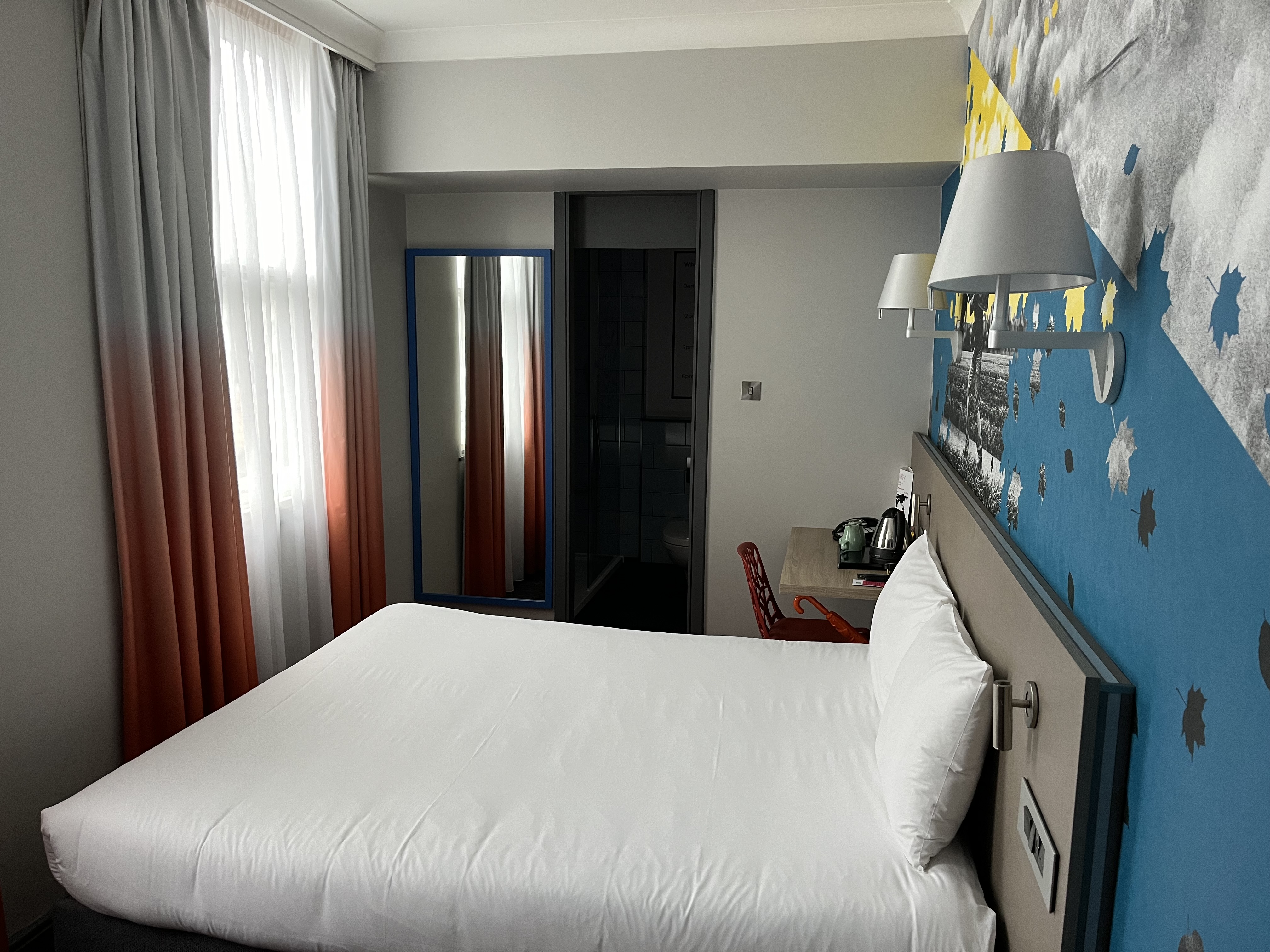
[A small hotel room interior, showing how room size and layout can vary within the same hotel.] Photograph: the subject
Image Credits: Wikimedia Commons
Special requests and their limits
Hotels record requests such as a quiet floor, a bathtub, or connecting rooms. Staff try to honour them, but a request is not a guarantee unless the booking says so.
Connecting rooms are the hardest to promise. Two adjacent rooms must both be free, clean, and in the right category on the same night.
Accessibility needs sit in a different class. Hotels must provide accessible rooms to guests who need them, and those rooms are held back from general allocation.
Smoking and non-smoking preferences also shape allocation. A non-smoking guest should never receive a smoking room, while a smoking guest may receive a non-smoking room only where local rules allow it.
Groups add another layer. Families or colleagues travelling together may receive rooms on the same floor, but only if that floor has enough ready rooms in the right types.
What booking sites change
Third-party bookings reach the hotel with less detail. The hotel may see the type and dates, but not the guest's full history or preferences.
That gap can cost a guest in allocation. A direct booker with a recorded preference for a high floor may win that room over a third-party guest with no notes.
Price also differs by channel. A deeply discounted rate may sit lower in the upgrade order, since the hotel earns less from that stay.
None of this means third-party bookings are ignored. They receive the booked type like any other booking, but they start with less information behind them.
Booking direct also makes changes easier. A direct guest can call the hotel to add a request, while a third-party guest must often change the booking through the agent.
Frequently asked questions
Can I request a specific room number?
You can ask, but hotels rarely promise a number in advance. Numbers depend on housekeeping status, maintenance holds, and other guests' stays, so a floor or view request is more realistic.
Does checking in late hurt my room chances?
It can, since earlier arrivals take the ready rooms first. On a full night, a late arrival may receive the last ready room in the type, or a move to another type.
Is tipping the front desk a reliable upgrade method?
No, it is not a system, and many hotels forbid staff from accepting money for upgrades. Loyalty, direct booking, and free inventory decide upgrades far more reliably.
Why did someone else get upgraded but not me?
Upgrade order follows loyalty rank, booking channel, and inventory at the time of allocation. A guest with higher status, an earlier allocation slot, or a better-matched request may simply rank ahead.
The bottom line
Hotels decide your room through a chain, not a coin toss. A type is booked, staff pre-assign rooms from the morning list, housekeeping gates what is ready, and loyalty sets the upgrade order.
Work with that chain. Book direct when you can, record one or two clear preferences, and arrive flexible about timing. The room you receive will still depend on inventory, but your chances of a good match rise sharply.
Tags: hotels, room upgrades, travel tips
Rive News's research desk covers everyday science and pet behaviour from public sources, with no invented experts or first-hand claims.
Related
- Why hotel check-in times exist: the real reasons
- Why do hotels ask for a deposit at check-in
- How to stay safe in a hotel room as a solo traveller
- Why do airlines overbook flights and how does bumping work
Subscribe for one plain-English explainer each day, with sources you can check.
Rive News publishes explainers from verifiable public sources; corrections are made openly when a source is shown to be wrong.
Related stories
The 3-1-1 liquids rule for planes: what each number means
TSA's 3-1-1 rule limits carry-on liquids to 3.4-ounce containers in one quart bag. Where the 2006 rule came from, what counts, and how
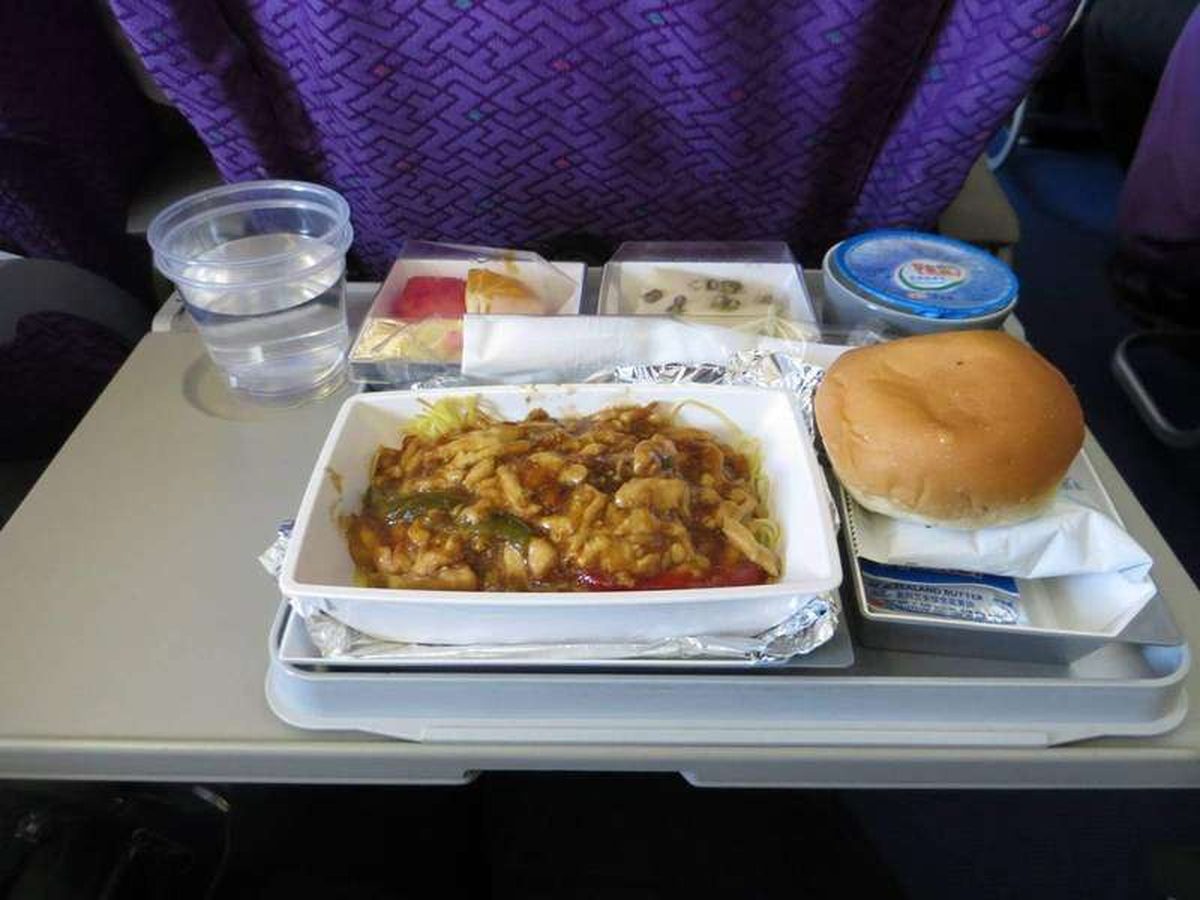
Why Is Airplane Food So Bland at Altitude?
A 2010 Fraunhofer study found altitude cuts sweet and salty perception by up to 30 percent. Low humidity, cabin pressure, and noise all
Carry-on size limits: why airlines each set their own
Airlines set their own carry-on limits because the FAA only requires each carrier to have a policy, not one global size. Why 22 x 14 x