
Why hotels set 3 PM check-in and 11 AM checkout, explained
Key takeaways
- A full departure clean takes 30 to 45 minutes per room, so the 11 AM to 3 PM gap is the minimum turnover window.
- Each housekeeper turns 13 to 16 rooms per shift, which means the whole building's schedule depends on checkout time.
- Earlier check-ins and later checkouts exist, but they cost money, staff hours, or loyalty status.
A hotel room is not ready when the previous guest leaves. It is ready after someone strips the bed, scrubs the bathroom, vacuums, restocks, and inspects it, all before the next guest arrives. This article explains why most hotels draw that line at 3 PM check-in and 11 AM checkout, what happens in the four hours between, and why the times rarely budge.
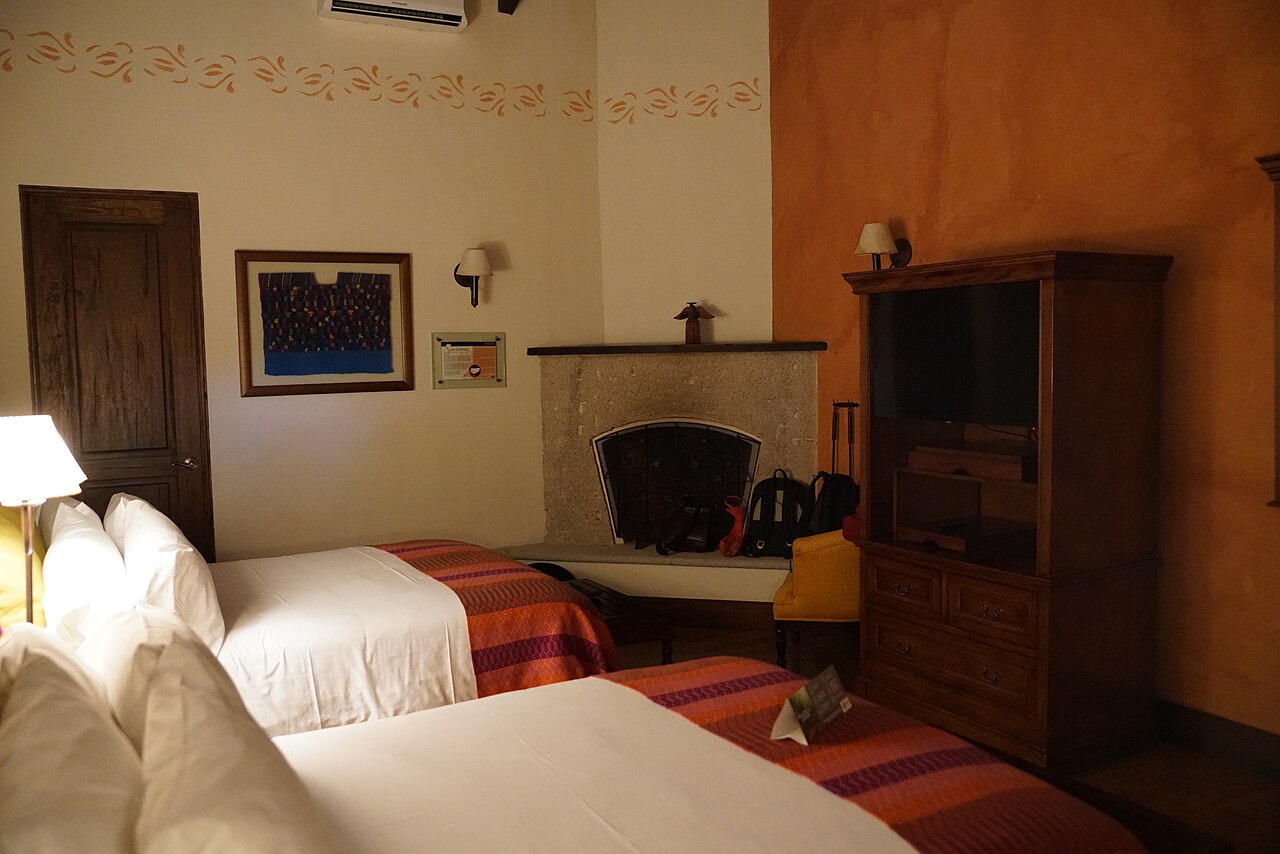
The four-hour window is a math problem
Most hotels set checkout around 11 AM or noon and check-in around 3 PM or 4 PM, according to the Ascendory travel guide to hotel timing. That leaves roughly four to five hours to flip the entire building.
The binding constraint is cleaning time. A departure clean, the full turnover for a new guest, averages 30 to 45 minutes per room, per Smartness's hospitality operations glossary. A lighter stayover service takes 15 to 20 minutes.
Those numbers assume a standard room in normal condition; a trashed room can double the time.
Multiply across a property. A hotel with 80 rooms has 80 rooms to turn over, quality-check, and prepare before arrivals begin, as Sunver's hotel operations guide notes. If each housekeeper handles 13 to 16 room credits per day, per the same Smartness data, a midsize property needs its whole team working the same narrow window.
One worked example comes from a Bilkent Hotel staffing model cited in a hotel management learner report: 410 productive minutes in a shift divided by 15 rooms gives about 27 minutes per guestroom. Push the target below about 25 minutes and inspection-failure rates climb, according to the Depix analysis of housekeeping productivity.
That is the real reason your room is not ready at 1 PM. The clock starts when the last guest leaves, and the work cannot be parallelized beyond the number of staff on the floor.
What actually happens between 11 AM and 3 PM
The departure wave is the starting gun. Housekeeping begins the moment rooms empty, working a prioritized board: early-arrival rooms first, then the rest. Each turnover includes stripping and replacing all linens, cleaning the bathroom, vacuuming or mopping, replenishing toiletries, and a final inspection.
Maintenance rides the same window. A running toilet, a dead lightbulb, or a faulty air conditioner gets fixed between guests, and larger properties schedule preventative maintenance during these hours to avoid disrupting occupied rooms.
Then comes communication. The front desk updates room statuses from checkout reports, housekeeping reports which rooms are clean, and maintenance confirms repairs. If you have ever wondered why the desk cannot promise a room at 2 PM, this handoff chain is why.
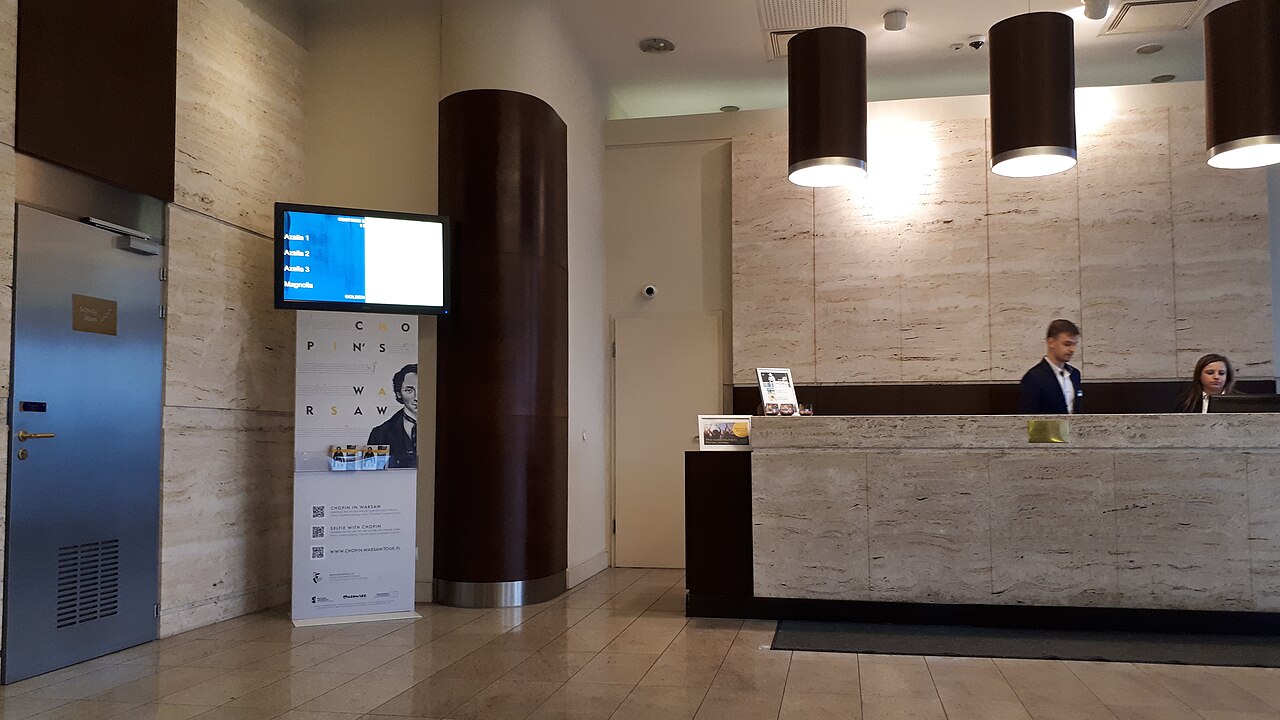
Staggered arrivals also manage lobby congestion. If every guest arrived at once, the front desk would be overwhelmed, so the 3 PM start smooths the flow of arrivals through the afternoon.
Why the times stick even when rooms sit empty
Hotels could offer flexible check-in, and some do for a fee or for loyalty members. But the standard times persist for three reasons.
First, labor cost. Extending checkout would require more housekeeping hours or overtime, and hotels already run lean teams. A veteran executive housekeeper quoted by Beaver Maids described budgeting exactly 30 minutes for a standard king room checkout, with every second accounted for.
Second, revenue. Faster turnover means rooms can be rented again sooner. Every room that sits dirty past check-in time is a room that cannot be sold, so the operation optimizes for rooms ready at the promised hour.
Third, predictability. Guests plan flights, meetings, and jet lag recovery around known times. Resorts and ryokans sometimes shift the window later, opening check-in between 3 PM and 5 PM, but they announce it in advance.
Late checkout is usually granted until 1 PM or 2 PM, and low occupancy or elite status often makes it free. Ask at check-in rather than the morning of, since housekeeping boards are planned daily.
How to work the system honestly
If you need the room early or late, ask early and be specific. Hotels can flag your reservation and prioritize your room on the morning housekeeping board.
Elite loyalty status is the most reliable lever for free late checkout. Failing that, many properties sell early check-in or late checkout for a fee, which offsets the staffing cost of reshuffling the board.
If your flight lands at 8 AM, plan for the gap. Drop your bags, use the gym or pool, and explore; packing light with one well-planned bag makes the wait painless. If you depart late in the evening, ask for a day-use rate or a courtesy shower room rather than holding the room past checkout.
One more note: a hotel can only hand you a clean room if housekeeping has one ready, and that usually means the room sat vacant the night before. Showing up at noon and demanding a room skips the entire production line described above.
Frequently asked questions
Why is hotel check-in at 3 PM and not earlier?
The 3 PM start gives housekeeping enough time to complete 30 to 45 minute departure cleans on every room after the 11 AM checkout wave. An earlier check-in would require significantly more staff.
Why do hotels make checkout so early?
Early checkout maximizes the cleaning window before afternoon arrivals. It also lets hotels sell the room again the same day, which is how they keep occupancy and revenue up.
Can I get early check-in for free?
Sometimes. It depends on occupancy and whether a clean room is available. Asking at booking time, having loyalty status, or arriving on a low-occupancy day all improve your odds.
Do all hotels use the same times?
No. There is no global standard. Resorts often open check-in later, between 3 PM and 5 PM, and checkout can run earlier near 10 AM.
Always check your confirmation email rather than assuming.
The bottom line
The 3 PM check-in and 11 AM checkout are not arbitrary. They are the product of a tight equation: 30 to 45 minutes per room, 13 to 16 rooms per housekeeper, and one shared four-hour window to reset the building.
Knowing the mechanics helps you plan around them instead of fighting them. And if your travel involves liquids in your carry-on or ear pressure on the flight, plan those details before you land, because the room will not be ready early.
Latest in Travel
- Why is airplane food so bland at altitude?
- Why do carry-on size limits differ by airline?
- How does jet lag actually work?
- Why do your ears pop on planes?
One practical travel explainer in your inbox each week. Subscribe for the Travel briefing.
Image Credits: Wikimedia Commons / jjmusgrove, Rakoon, Ammodramus
Related stories

The 3-1-1 liquids rule for planes: what each number means
TSA's 3-1-1 rule limits carry-on liquids to 3.4-ounce containers in one quart bag. Where the 2006 rule came from, what counts, and how
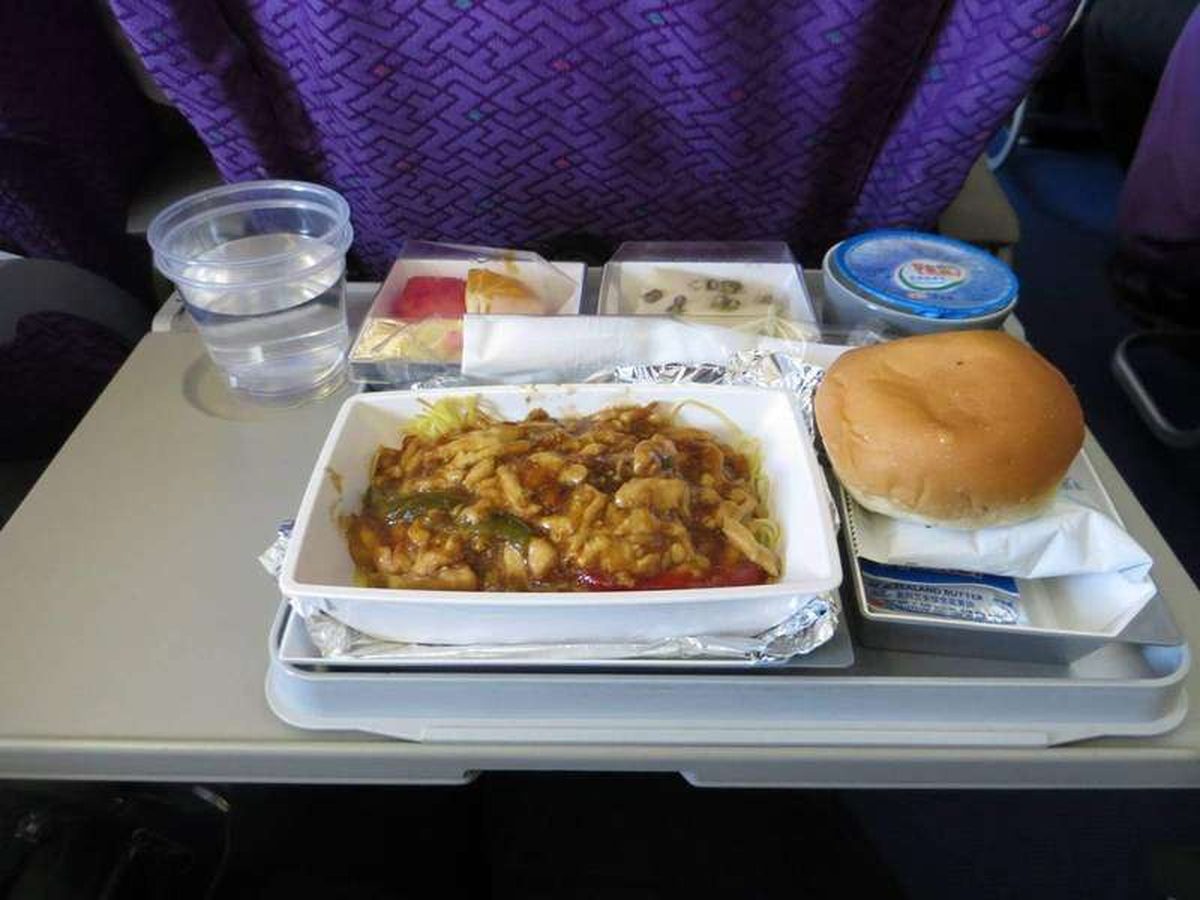
Why Is Airplane Food So Bland at Altitude?
A 2010 Fraunhofer study found altitude cuts sweet and salty perception by up to 30 percent. Low humidity, cabin pressure, and noise all
Carry-on size limits: why airlines each set their own
Airlines set their own carry-on limits because the FAA only requires each carrier to have a policy, not one global size. Why 22 x 14 x