
Nuremberg airport closes after false hijack alert, then reopens
Key takeaways
- A Corfu to Nuremberg flight sent hijack code 7500. The airline blamed a brief radio fault.
- Eurofighter jets escorted the plane in. Police checked it and found no danger.
- The airport closed for a short time. Flight operations then returned to normal.
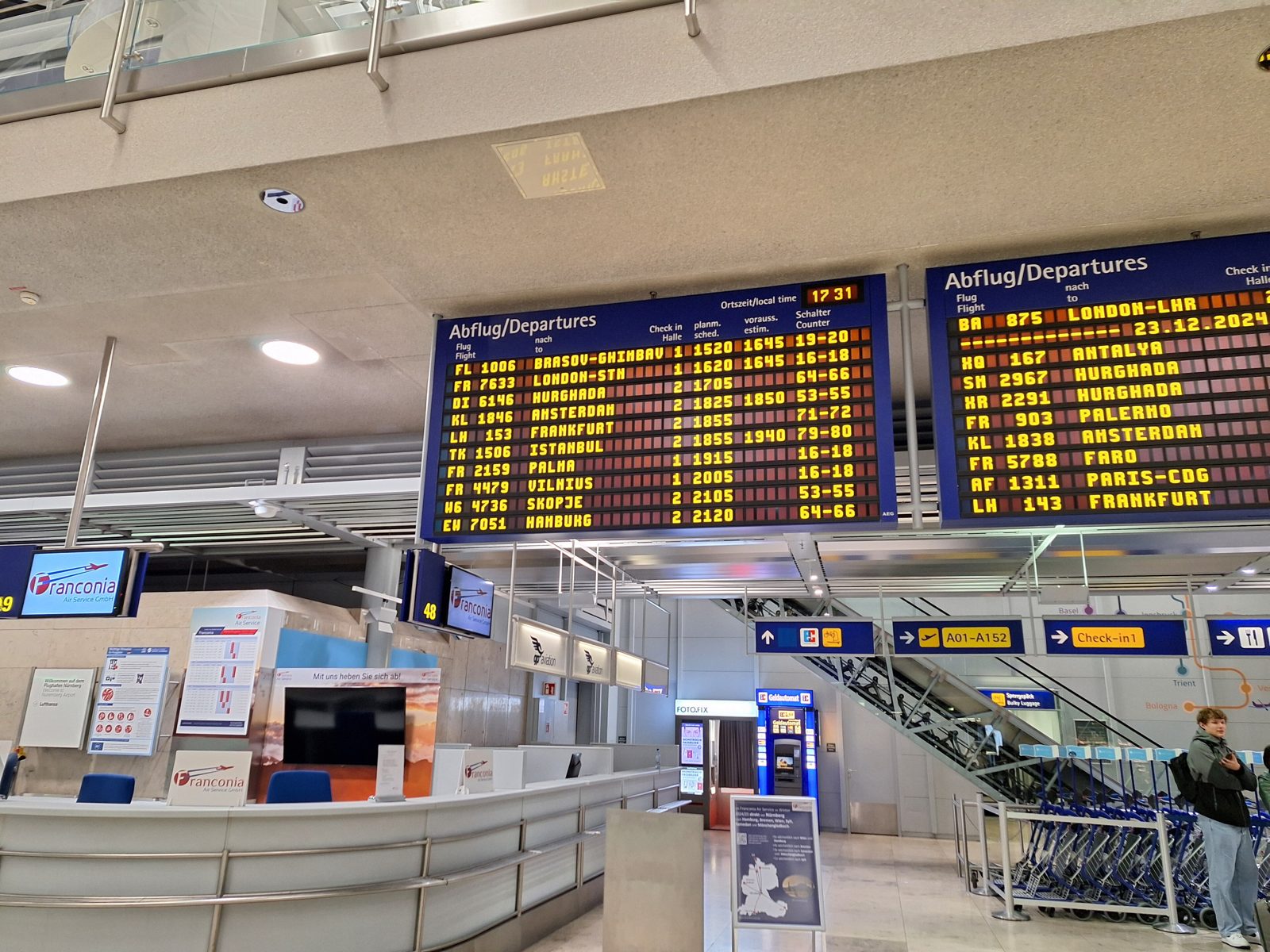
Nuremberg Airport closed for a short time on Tuesday, October 13. A plane from Corfu sent a false hijack alert. Police checked the plane.
They found no danger. Flights started again the same day.
The plane was a Corendon Airlines flight. It flew from the Greek island of Corfu to Nuremberg in Germany. The airline said a brief fault in the radio system sent the alert.
No one was in danger at any point, the airline said.
What happened
The story began in the sky over Croatia. The plane sent out an emergency code at 0900 GMT, the airline said. The code was 7500.
That code means a hijack case, police said on X.
The code alone would have caused alarm. Then a second problem made it worse. Police said the pilot could not be reached by radio.
Teams on the ground could not check what was true. They had to act as if the worst case was real.
Police said alarm scrambles were then set off for safety. Fighter jets took to the air. Eurofighter jets flew with the plane, an airport spokesman said.
Their job was to watch the plane and guide it in.
The plane kept flying toward Nuremberg. It landed safely in Nuremberg as planned, police said on X. That was the key moment.
The plane was on the ground. Police could now check it up close.
The airport had already stopped flight operations. Free Malaysia Today reported the airport notice. Its website said flights were suspended due to an in-flight emergency.
The airport needed clear space for police work. It needed to keep other planes away from the scene.
Police then checked the plane on site. They found no danger. Police said on X that on-site checks showed there was no danger.
The plane had landed as planned. The people on board were safe.
The airline then gave its account of the fault. The emergency code went out in Croatian airspace, the airline said. It went out due to a brief fault in the radio system.
The airline said no emergency had occurred. It said no one was in any danger at any point. That covered the passengers, the crew, and the plane.
The airport operator then said flight operations had returned to normal. It said all passengers were safe, according to Al Arabiya. The closure was over.
The airport was back to work.
One more detail may have added to the worry that day. A possible drone sighting had disrupted air traffic at the airport overnight into Tuesday. Three pilots had reported seeing an object.
They saw it during takeoff or landing, according to German newspaper Bild. Police later told CNN the two events were not linked. Gulf News reported that update.
The two events were separate.
Why it matters
This event shows why air safety teams react so fast. A hijack code is one of the most serious signals a plane can send. Crews on the ground cannot see inside the plane.
They cannot know at once if the signal is real.
Radio silence made the case harder. When teams cannot reach the pilot, they lose their best source of facts. They must plan for a real hijack until they prove otherwise.
That is why the response was so large.
Fighter jets are part of that plan. They can reach a plane fast. They can watch it from the air.
They can guide it to a safe landing. They can also act if the plane moves off course. In this case, they escorted the plane and it landed as planned.
The airport closure was part of the same plan. Police needed room to work. They needed to check the plane without other planes moving near it.
A short closure gave them that room. It also kept other travelers away from a live police check.
The false alert also shows how one small fault can grow. A brief radio fault sent a code with a grave meaning. That code set off a chain of steps.
Jets flew. Police moved in. An airport closed.
All of it came from one signal. That signal did not match the real state of the plane.
Travelers may ask why teams did not just wait. The answer is simple. Teams cannot wait on a hijack code.
They must act first and check after. A slow response to a real hijack could cost lives. A fast response to a false alert costs time and stress.
Safety teams pick the fast response each time.
The event also shows why clear facts matter. Early reports called it a suspected emergency. The airline then said it was a fault.
Police then said there was no danger. Each step narrowed the picture. The final picture was calm: a fault, a full response, and a safe landing.
Other flights have faced real mid-air problems and made a safe emergency landing. The steps look much the same. Teams plan, jets or fire crews stand ready, and the plane lands.
The Nuremberg case followed that same playbook. The alert turned out to be false.
What happens next
The airport is back to normal. Flight operations have resumed, the airport operator said. Travelers can use the airport as usual.
The closure is over.
If you had a flight that day, check with your airline first. Airlines hold the latest facts on each flight. They can tell you if your flight moved, left late, or stayed on time.
Use the airline app or website for the fastest update. Airlines use short flight status messages. They can be hard to read.
Check the time and gate with care.
Keep your boarding pass and ID close at hand. Lines can build up after a closure. A ready pass and ID make the line move faster.
If you need help, ask airport staff at the info desk. They can point you to the right gate or desk.
The airline said it started checks at once when the code went out. It said all needed steps were put in place. Those checks may now look at the radio fault itself.
The goal is to learn why the code went out. The goal is to stop the same fault from sending the same code again.
Police have closed the urgent part of the case. They found no danger. They have not reported any threat to the plane or the airport.
The drone reports from the night before remain a separate matter. Police said the two events were not linked.
Travelers can also expect normal security checks to stay in place. An event like this does not change the rules for bags or IDs. It does show why staff ask travelers to follow signs and stay calm.
Calm lines help police and crews do their work fast.
A plane can also dump fuel before some emergency landings. That did not happen here. The plane landed as planned.
But the step shows how many tools crews have. Each tool fits a set of facts. Crews pick the tool that fits the moment.
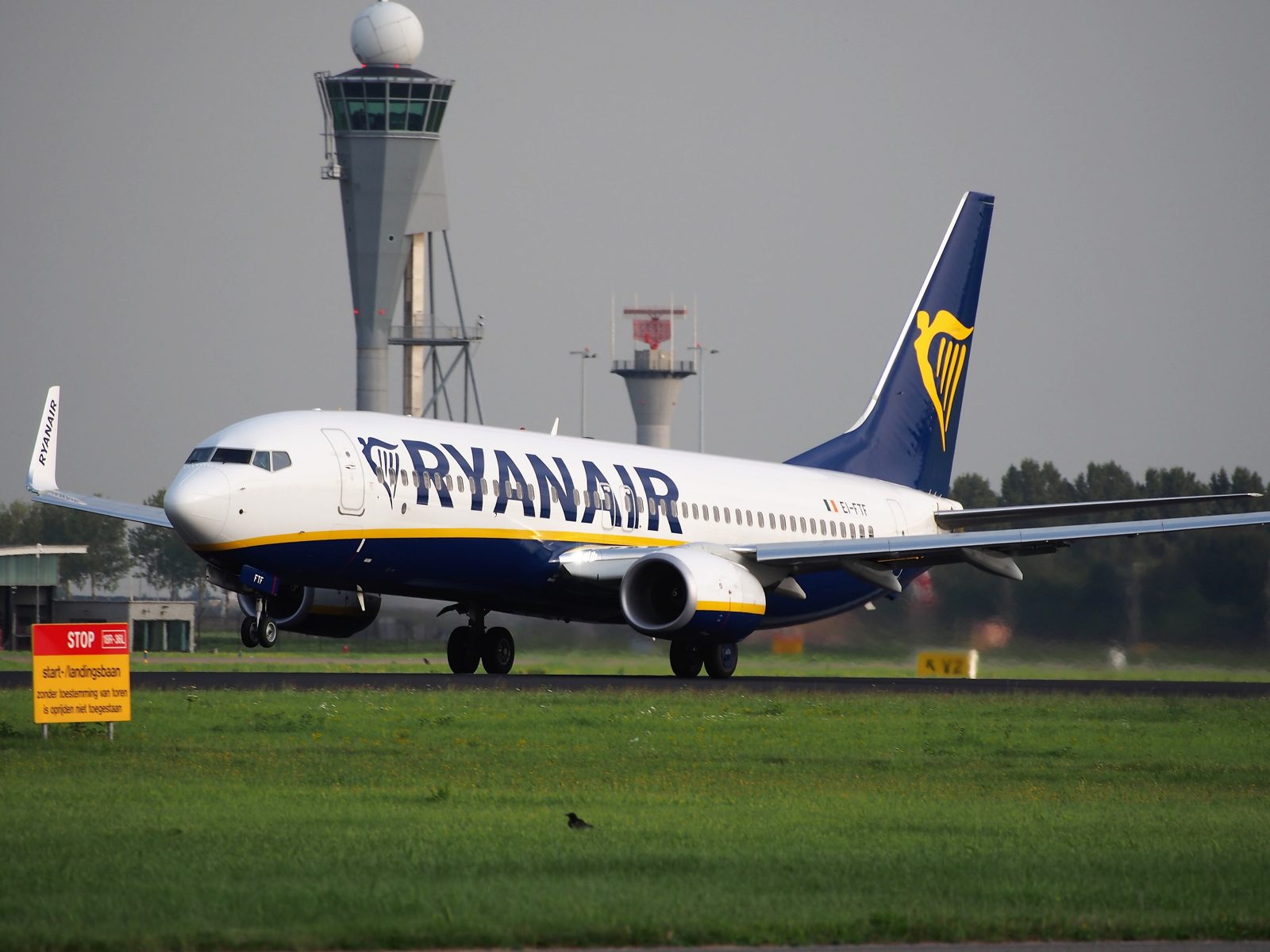
The Nuremberg event ended well. A scary signal met a fast, full response. Police checked the plane.
The airline gave a clear cause. The airport opened again. Travelers who fly through Nuremberg can plan with that calm end in mind.
Check your flight status before you head to the airport.
Related stories

The 3-1-1 liquids rule for planes: what each number means
TSA's 3-1-1 rule limits carry-on liquids to 3.4-ounce containers in one quart bag. Where the 2006 rule came from, what counts, and how

Why Is Airplane Food So Bland at Altitude?
A 2010 Fraunhofer study found altitude cuts sweet and salty perception by up to 30 percent. Low humidity, cabin pressure, and noise all

Carry-on size limits: why airlines each set their own
Airlines set their own carry-on limits because the FAA only requires each carrier to have a policy, not one global size. Why 22 x 14 x