
Why plane windows have a tiny hole in them
By Rive News / Research desk | Rive News / Published October 27, 2026 at 9:00 AM PKT
Key takeaways
- The hole, called a bleed hole, sits in the middle pane of a three-pane airplane window.
- It equalizes pressure between the cabin and the gap between panes, so the outer pane carries the flight load.
- The same hole helps prevent fogging between panes and keeps the middle pane ready as a backup.
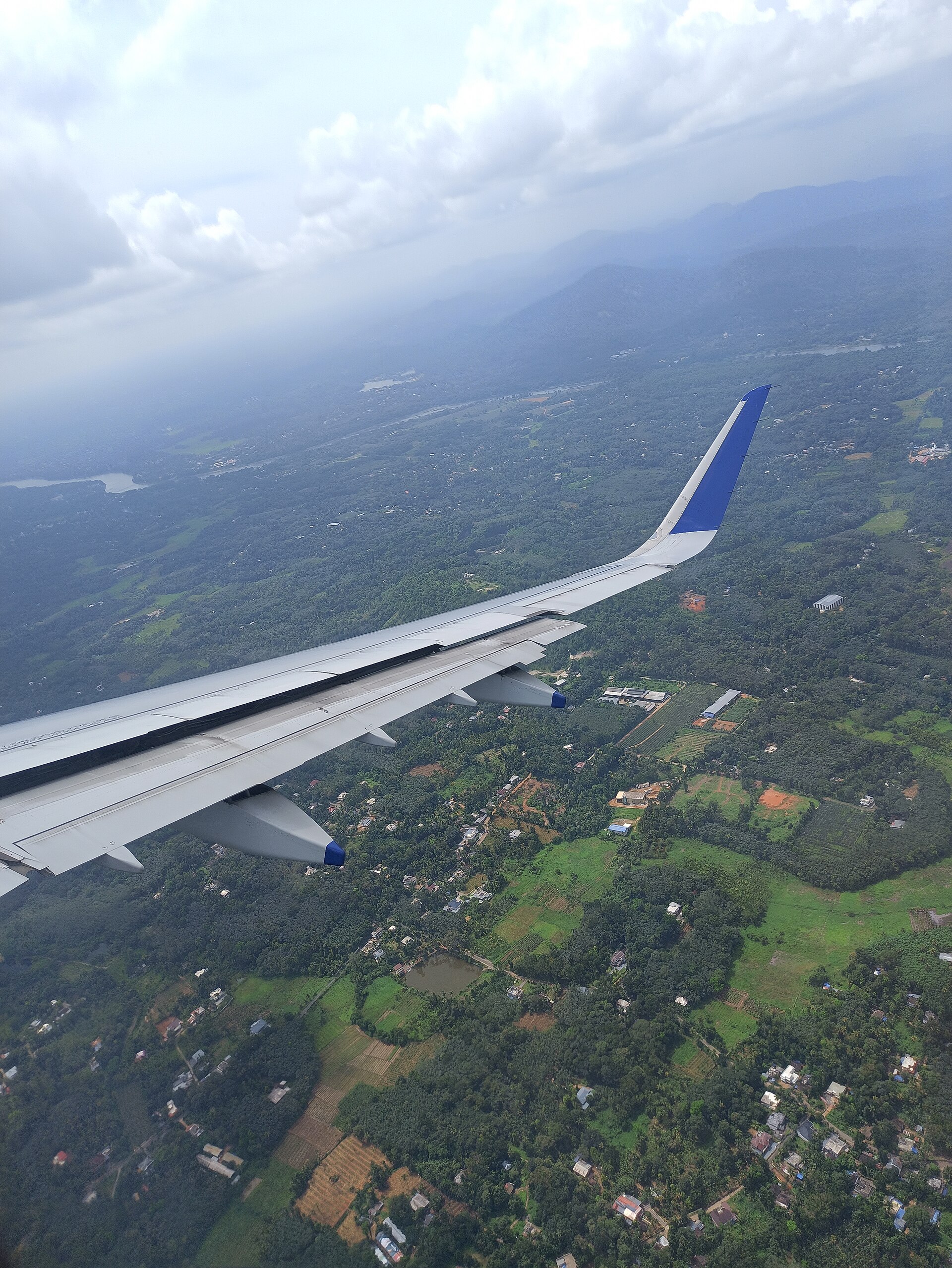
A view from inside an airplane window, the setting for the tiny hole. Photograph: the airplane window view
Image Credits: Wikimedia Commons
The tiny hole at the bottom of a plane window is not damage and not a manufacturing flaw. It is a deliberate feature called a bleed hole, or breather hole, drilled into the middle pane of the window. Its job is to manage pressure inside the window assembly during flight.
This article explains how a plane window is built, what the hole does to pressure, why the design keeps a backup pane ready, and how it helps with fogging. It covers the pressure numbers at cruising altitude and the common myths about the hole.
A window made of three panes
A passenger window is not a single sheet of glass. It is an assembly of three layers of acrylic, a tough transparent plastic chosen for strength and clarity.
The outer pane is the primary structural layer, built to carry the full pressure difference of flight. The middle pane is also structural, but during normal flight it carries little load, by design.
The innermost layer is a scratch pane. It takes the scuffs, smudges, and bumps from passengers and cleaning, so the structural panes behind it stay undamaged. It carries no pressure load and can be replaced more easily than the structural layers.
The small hole belongs to the middle pane only. Spotting it means looking past the scratch pane to the layer behind, near the bottom edge of the window. Its size is tiny, often compared with a pencil tip, but its placement is exact.
The pressure problem at cruising altitude
Cabins are pressurized because the air outside at cruise is too thin to breathe comfortably. At a cruising altitude of about 35,000 feet, outside air pressure falls to roughly 3.4 pounds per square inch. Inside, the cabin is held near 11 pounds per square inch, about what a person feels at 7,000 feet of elevation.
That gap of roughly 8 pounds per square inch pushes outward on every part of the fuselage, including the windows. Without careful design, the trapped air between sealed panes would expand and compress with each climb and descent, stressing the layers unevenly. The bleed hole prevents that trapped-air problem by connecting the gap to the cabin.
Reader's Digest quotes an engineer explaining that the holes do not regulate cabin pressure but instead regulate the rate of pressure loading on the window panes. The aircraft pressurization system controls the cabin, while the hole manages pressure inside the window assembly itself. That distinction matters: covering the hole would not change cabin pressure, but it would change how the window layers share the load.
How the hole directs the load
The bleed hole lets cabin air flow into the small gap between the middle and outer panes. Pressure on both sides of the middle pane therefore stays nearly equal, which removes almost all load from that pane. The full pressure difference then lands on the outer pane, which is built to carry it.
"The purpose of the small bleed hole in the middle pane is to allow pressure to equilibrate between the passenger cabin and the air gap between the panes, so that the cabin pressure during flight is applied to only the outer pane," said Marlowe Moncur, director of technology at GKN Aerospace, a passenger window manufacturer, in comments reported by Slate. The quote captures the whole design in one sentence: one pane works, one pane waits.
That waiting pane is the fail-safe. If the outer pane cracked or failed, the middle pane would take over as the pressure barrier. Because the hole is small, air would leak through it only slowly, and the pressurization system could compensate while the pilots descended.
Gizmodo's review of a Boeing 737 maintenance manual confirms the same two-pane design, with the outer pane as the primary structural window and the middle pane as backup.
The fog benefit
Pressure is the main job, but the hole also helps keep the view clear. At cruise, the outer pane grows extremely cold while the cabin stays warm, which is exactly the setup that fogs a cold window at home. Moisture trapped between sealed panes would condense and freeze there, clouding the view.
The bleed hole lets a small amount of warm, dry cabin air circulate into the gap between panes. That circulation limits condensation between the layers and keeps the window clearer through the flight. Mental Floss lists fog prevention as one of the hole's three jobs, alongside balancing pressure and easing stress during sudden descents.
Fog on the inside face of the scratch pane is a different matter, caused by cabin humidity and temperature at the surface. The bleed hole cannot fix that surface fog, and wiping the inner pane is the usual remedy. The hole's fog benefit applies to the sealed gap between the structural panes, where passengers cannot reach.
An airplane wing seen against sky and clouds from a passenger window. Photograph: the airplane wing view
Image Credits: Wikimedia Commons
Myths and things not to do
One myth says the hole lets the cabin breathe, as if the plane would otherwise run out of air. Cabin air comes from the engines and the pressurization system, refreshed constantly, not from window holes. The hole moves air only within the window assembly.
Another myth says the hole is a drain for rain. Rain on the outside never reaches the middle pane, since the outer pane seals the assembly. The hole sits in a dry internal gap, not in an external drainage path.
Passengers should leave the hole alone. Poking objects into it, covering it with stickers, or trying to widen it could damage the middle pane or block the pressure path it provides. The hole is small because its job needs only a slow trickle of air, not a large opening.
Frequently asked questions
Do all planes have the hole?
Most commercial airliners with multi-pane acrylic windows do, since the three-pane design is standard for pressurized cabins. Small unpressurized aircraft fly low enough that their windows face little pressure difference, so they may use simpler windows. Cockpit windows use different, thicker designs and do not follow the same pattern.
What happens if the outer pane breaks?
The middle pane takes over as the pressure barrier, and the small hole limits how fast air escapes through it. The pressurization system compensates for the slow leak while the pilots descend to a lower altitude. Such failures are extremely rare, and the backup design exists for exactly that case.
Why is the hole at the bottom of the window?
Placement at the bottom keeps the hole out of the main viewing area and lets any small amount of moisture drain or evaporate from the gap. The exact position varies by aircraft and window maker. The function stays the same wherever the hole sits on the middle pane.
Can the hole cause a window to fog from the inside?
No, the hole reduces fogging between panes rather than causing it. Fog on the surface a passenger can touch comes from cabin humidity meeting a cool surface. The sealed gap behind that surface stays clearer because cabin air circulates through the hole.
The bottom line
The tiny hole in a plane window is a small piece of careful engineering. It equalizes pressure across the middle pane so the strong outer pane carries the flight load, keeps the middle pane ready as a backup, and helps prevent fog between the layers. Next time the window catches your eye at 35,000 feet, that speck near the bottom edge is doing quiet, useful work.
Tags: air travel, airplane windows, aviation safety
Rive News is a research desk that writes plain-language explainers from public sources, with no invented experts or first-hand claims.
Related
- Why airplane windows are round and can never be opened
- Why is airplane food so bland at altitude?
- The 3-1-1 liquids rule for planes: what each number means
- Why do airlines overbook flights and how does bumping work?
Subscribe for one plain-language travel explainer each week.
Rive News publishes explainers from cited public sources; corrections are welcome and noted on the article.
Related stories

The 3-1-1 liquids rule for planes: what each number means
TSA's 3-1-1 rule limits carry-on liquids to 3.4-ounce containers in one quart bag. Where the 2006 rule came from, what counts, and how
Why Is Airplane Food So Bland at Altitude?
A 2010 Fraunhofer study found altitude cuts sweet and salty perception by up to 30 percent. Low humidity, cabin pressure, and noise all

Carry-on size limits: why airlines each set their own
Airlines set their own carry-on limits because the FAA only requires each carrier to have a policy, not one global size. Why 22 x 14 x