
Why some countries stamp passports and others stopped
Key takeaways
- A passport stamp is proof of entry: it records when and where you crossed a border, which matters for visa rules and overstay tracking.
- The EU ended ink stamps on April 10, 2026, replacing them with biometric scans and a digital database across 29 Schengen nations.
- Whether you get stamped depends on your nationality, the route you take, and whether the country already keeps digital entry records.
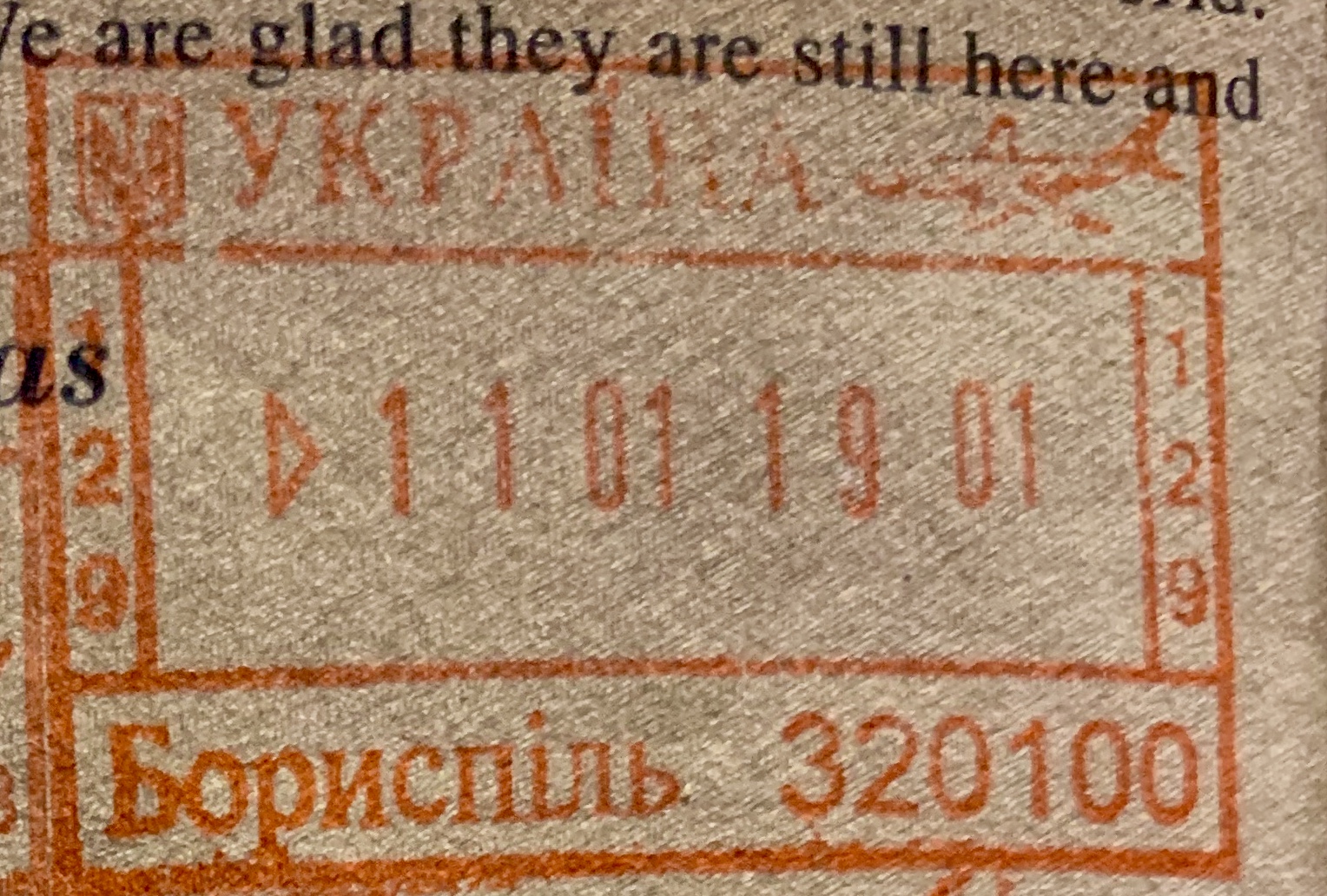
A passport stamp is an inked mark a border officer presses into your passport when you enter or leave a country. For decades, travelers treated these stamps as souvenirs. Border agencies treated them as paperwork: each stamp is a dated record of a crossing, used to check how long a visitor stays and whether they follow visa rules.
This article explains what a passport stamp actually does, why the European Union ended ink stamping in 2026, which countries still stamp and which never did, and what to do if your passport comes back empty.
What a passport stamp is actually for
Stamps exist to create a paper trail. When an officer stamps your passport, the ink records the date and place of entry or exit. That matters most in places with time-limited visits, like the Schengen Area's rule of 90 days of stay within any 180-day period.
The original purpose of a passport stamp was to prove legal entry. If a traveler is questioned later about how long they stayed, the stamps in their passport tell the story. Stamps may be entry-only or a pair of entry and exit marks. According to Wikipedia's summary of stamping practices, most countries issue both entry and exit stamps, while a few, including the United States, Canada, the United Kingdom, Ireland, New Zealand, Mexico, and El Salvador, issue only entry stamps.
That uneven practice is the first reason some passports fill up while others stay blank. There was never one global rule. Each country built its own system.
Why the EU stopped stamping in 2026
The biggest recent change came from Europe. The European Union built an Entry/Exit System (EES) that replaces manual ink stamps with biometric registration for non-EU visitors. Travelers have their fingerprints and facial images recorded, and entries, exits, and overstays are logged automatically in a shared database.
The system began rolling out on October 12, 2025, with a transition period during which some border posts used the new system while others kept stamping, according to Delano. It became fully operational on April 10, 2026, across the 29 Schengen nations, according to Gulf News reporting on the rollout. From that date, third-country nationals entering the Schengen Area generally receive a biometric registration instead of an ink stamp.
The EU's reasons were practical. Ink stamps can fade, smudge, or be forged. That made it hard for authorities to verify whether a traveler had overstayed the 90-day limit. A central electronic record lets all participating countries check the same data. The biometric data is kept for three years, which means repeat visits within that window should move faster.
Why some countries never stamp at all
Stamping was always optional, and several countries skipped it entirely. Wikipedia's overview lists Argentina, Australia, Cambodia, Cuba, Hong Kong, Israel, Macau, Jamaica, and Singapore as countries or territories that do not stamp passports on entry or exit.
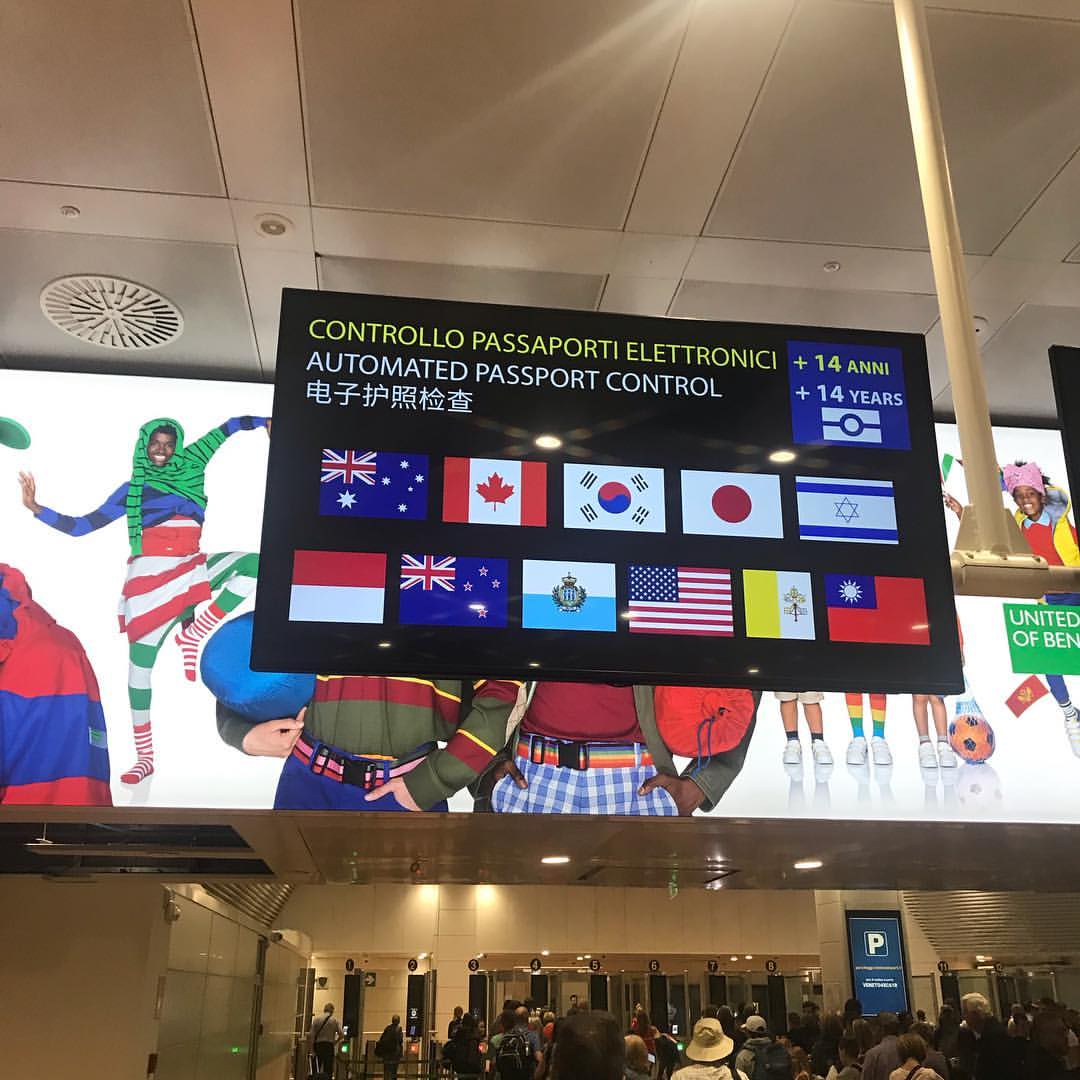
Australia phased out routine stamping because its primary border line is electronic: travelers clear immigration through kiosks and eGates, and the system holds the record. Travelers who want a physical stamp can still request one from a supervisor. Singapore and Argentina send digital entry receipts with conditions of entry by email instead of pressing ink into a page.
The United States has also moved away from stamps. According to Midlife Nomads, citing a U.S. Customs and Border Protection notice relayed through the American Immigration Lawyers Association on October 1, 2026, the agency eliminated admission stamps during primary processing for visitors. Entry records now live on the electronic I-94 system instead of the passport page.
Why your nationality and route change the answer
Two travelers can cross the same border and get different treatment. EU, EEA, and Swiss citizens are generally not stamped when entering or leaving EU, EEA countries, or Switzerland, because their right to move freely does not need a permission mark. The same logic applies at land borders: officers check residence documents rather than ink pages.
The route matters too. Under the EU's new system, France's Channel crossings, including Eurostar, Eurotunnel, and Dover ferry routes, delayed biometric checks, so manual stamps continued there while the rest of the Schengen Area went digital. A traveler could therefore pass through full digital entry at one border and receive an old-fashioned stamp at another on the same trip.
Sometimes the answer is just the officer's judgment. Border authorities decide case by case whether to stamp, and practices vary by crossing point and shift. That is why reports from travelers describe passports stamped on some visits and not on others, even at the same airport.
What to do if you got no stamp
If your passport comes back unstamped, check whether the country keeps electronic records. For the United States, travelers can look up their I-94 arrival record online. For the Schengen Area, the EES now holds your entry and exit data. Singapore and Argentina issue digital receipts by email, so keep that message.
Travelers who need proof of entry, for visa applications, tax residency, or employer records, can ask an officer for a stamp or a printed record. Officers may say no, but asking is allowed.
One warning: novelty and souvenir stamps are a bad idea. The U.S. State Department warns travelers not to put unofficial souvenir stamps in a real passport, since they can be mistaken for immigration markings and cause real problems at future borders. The Travel reported this warning, noting that it applies even to stamps collected at tourist attractions.

FAQ
Will I still get a passport stamp in Europe in 2026?
For most non-EU travelers, no. The EU's Entry/Exit System, fully operational since April 10, 2026, records entries biometrically instead of stamping. Some Channel crossings linked to France kept manual stamps during the transition.
Do US citizens get their passports stamped?
Rarely on the way home. U.S. Customs and Border Protection eliminated admission stamps during primary processing, so the record is electronic. Abroad, it depends on the country: many still stamp, and many never did.
Can I ask for a passport stamp as a souvenir?
You can ask a border officer for a stamp where stamps are still used, and many officers oblige. Never add novelty stamps yourself: unofficial marks in a real passport can trigger suspicion at later border crossings.
Why does my passport have no stamps after a trip?
You probably crossed through an electronic border. Australia, Singapore, Argentina, and the Schengen Area now record entries digitally, and the United States uses the I-94 system. The absence of ink is normal and does not mean you entered illegally.
The bottom line
Countries stamp passports to prove when you entered and left. Many now do it digitally instead: the EU's 29-nation biometric system, Australia's eGates, and the U.S. electronic I-94 all replaced the ink pad. If your passport comes home blank, the record almost certainly lives in a database. Keep your own notes anyway, especially boarding passes and booking confirmations, because a missed digital record carries more weight than a smudged stamp ever did.
Rive News's research desk covers travel logistics and border policy.
Latest in travel
- Why passport photos have strict rules
- What is the difference between a layover and a stopover
- Why airline carry-on size limits differ
- What airport security scanners see inside your bag
Subscribe for one practical travel explainer every week.
Related stories

The 3-1-1 liquids rule for planes: what each number means
TSA's 3-1-1 rule limits carry-on liquids to 3.4-ounce containers in one quart bag. Where the 2006 rule came from, what counts, and how

Why Is Airplane Food So Bland at Altitude?
A 2010 Fraunhofer study found altitude cuts sweet and salty perception by up to 30 percent. Low humidity, cabin pressure, and noise all

Carry-on size limits: why airlines each set their own
Airlines set their own carry-on limits because the FAA only requires each carrier to have a policy, not one global size. Why 22 x 14 x