
What is the difference between a layover and a stopover?
Key takeaways
- A layover is under 4 hours on domestic flights and under 24 hours on international flights; anything longer is a stopover.
- The 24-hour line comes from airline reservation systems, not from passenger convenience: cross it and ticketing, baggage, and award rules change.
- Many airlines sell or give away stopover programs, turning a long connection into a free bonus destination.
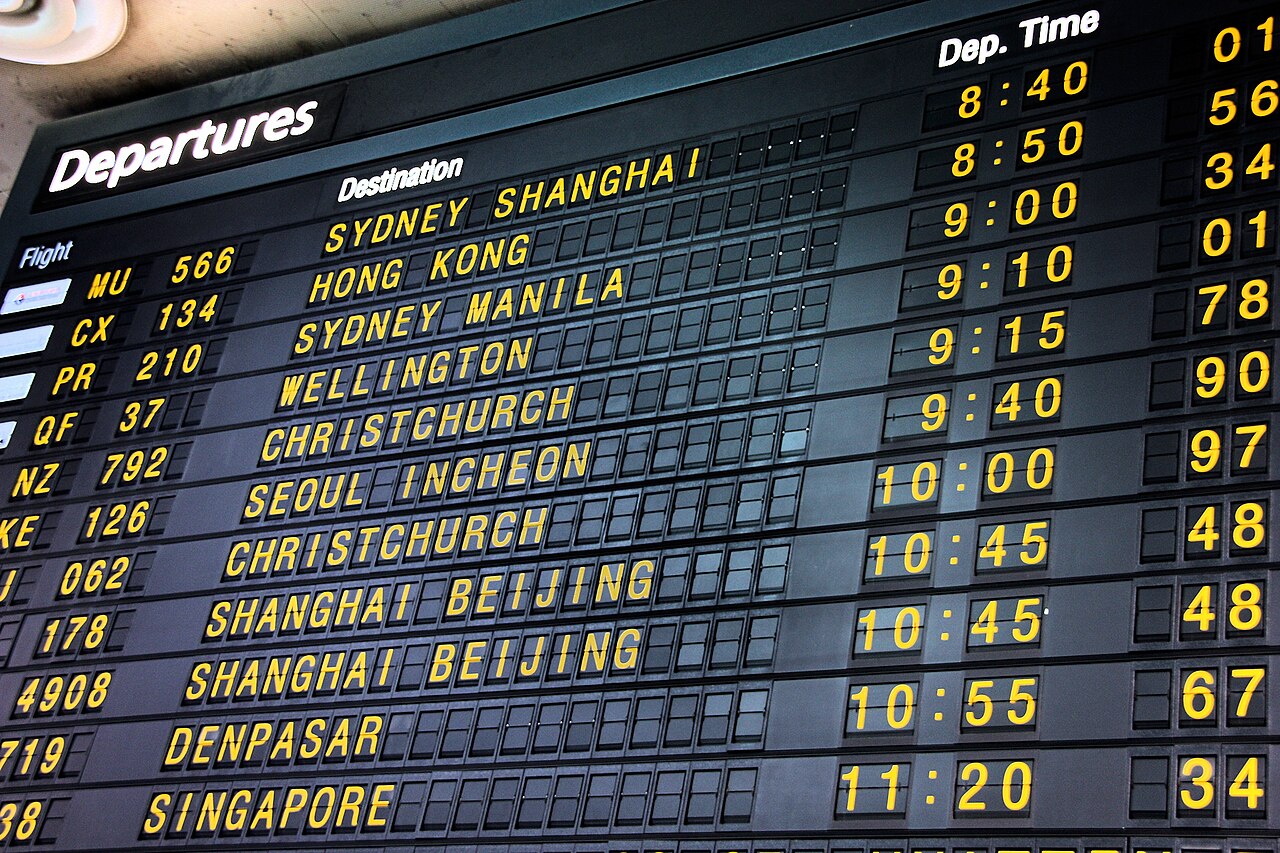
Travelers use "layover" and "stopover" interchangeably, but airlines do not. The distinction decides how your ticket is priced, whether your bags follow you automatically, and whether you need a visa for the connecting country.
This article explains what a layover is, what a stopover is, where the 4-hour and 24-hour thresholds come from, how stopover programs work, and how to pick the right one for your trip.
What is a layover?
A layover is a short stop between connecting flights, just long enough to change planes. For domestic flights, it means a connection under 4 hours. For international flights, it means a connection under 24 hours.
A three-hour wait in Doha between Delhi and New York is a layover. A five-hour wait in London between Los Angeles and Rome is also a layover, because it falls under the 24-hour international threshold.
Layovers are included in your ticket by default. You usually stay in the transit area, and your checked bags transfer automatically to the next flight. If the airline causes you to miss the connection, it must rebook you at no extra cost, since everything is on one booking.
What is a stopover?
A stopover is a longer break in the journey: 4 hours or more on domestic routes, 24 hours or more on international ones. Unlike a layover, it is usually intentional. You are pausing the trip to spend time in the connecting city.
A 30-hour halt in Istanbul between Mumbai and Toronto is a stopover. Two days in Singapore between Sydney and Paris is a stopover. You leave the airport, see the city, sleep in a hotel, and return for the onward flight.
Stopovers change the logistics. You will usually need to collect your checked bags, since airlines do not hold them across a multi-day gap. You may need a visa to enter the connecting country even briefly. And the fare rules differ: a stopover can cost extra, or in some programs, nothing at all.
Where the thresholds come from
The 4-hour and 24-hour lines are not arbitrary. They come from how airline reservation systems categorize connections, especially on award tickets. The Points Guy notes that programs like Air Canada Aeroplan treat any connection under 24 hours as a simple connection with no additional cost or ticketing complexity.
Cross the threshold and you enter stopover territory, which may require a separate ticket segment or carry specific award rules. Wikipedia's summary of industry practice puts the maximum connecting time at 4 hours for most US and Canadian domestic itineraries and 24 hours for most international ones, though individual airlines vary.
That is why the same six-hour wait can be a layover in London (international, under 24 hours) but a stopover in Chicago (domestic, over 4 hours). The route type sets the ruler.
Free stopover programs
Many airlines actively encourage stopovers because they boost tourism in their hub cities. These programs let you add a destination to a trip you were already taking, often at little or no extra airfare.
Icelandair pioneered the idea: fly between North America and Europe and stop in Iceland for up to several days. Qatar Airways offers stopovers in Doha with hotel packages, including options around two nights. Singapore Airlines bundles stopovers with hotel stays that make a two-day Singapore visit easy.
Others include Finnair for Finland, Etihad and Emirates for Abu Dhabi and Dubai, Air Canada for Canadian cities, and Swiss for up to four nights in Switzerland. Turkish Airlines and Iberia also run stopover packages with discounted hotels and tours.
The catch is always in the details: some programs apply only in one direction, some require booking through the airline's site, and hotel perks often have blackout dates. Read the program page before you build your itinerary around it.
Layovers and stopovers on award tickets
The distinction matters most when booking with miles. For international awards, anything under 24 hours is a layover and usually adds no cost. Add a stopover and the program's rules kick in.
Air Canada Aeroplan, for example, adds a 5,000-point supplement per passenger for a stopover on a one-way award, according to Prince of Travel reporting cited by Mighty Travels. A round trip with a stopover in each direction carries a 10,000-point total supplement. Aeroplan does not permit stopovers within Canada or the United States at all.
Other programs are more generous. Cathay Pacific's Asia Miles has allowed up to five free stopovers on round-trip awards, and Asiana has permitted up to seven, though award booking rules make them harder to maximize than the headline suggests. Always compare the stopover award quote against pricing the segments as two separate awards.
Baggage, visas, and practical differences
On a layover, your bags are usually tagged through to the final destination. On a stopover, expect to collect them. Frequent flyers note that you can sometimes ask an agent to short-check a bag at the layover city, but this is a request, not a right.
Visa rules shift too. Many countries let you transit airside without a visa during a short layover. Once your stay exceeds 24 hours, immigration law may treat you as entering the country, which can mean visa fees and paperwork. Check the transit country's rules for your nationality before booking a stopover.
Booking mechanics differ as well. Layovers are priced as ordinary connecting itineraries. Stopovers often need the "multi-city" booking option, and some online engines will not price them automatically, which is when calling the airline earns its keep.
FAQ
Is a 23-hour connection a layover or a stopover?
Internationally, it is a layover: under 24 hours. Domestically in the US, a 5-hour connection is a stopover, since the domestic threshold is 4 hours.
Do stopovers cost extra?
Sometimes. Many airlines sell stopover programs at little or no additional airfare, but hotels, visas, and meals are on you. On award tickets, some programs charge a supplement or extra miles.
Can I leave the airport during a layover?
Often yes, if the layover is long enough and you hold the right visa or visa-free entry. Budget at least 90 minutes each way for immigration and security on top of your sightseeing time.
Do I need to recheck bags on a stopover?
Usually yes. Airlines do not hold checked bags across multi-day gaps, so plan to collect them and recheck for the onward flight.
The bottom line
A layover moves you forward; a stopover invites you to explore. The dividing line is 4 hours domestically and 24 hours internationally, and it exists because reservation systems needed a rule, not because travelers asked for one.
If a long connection is unavoidable, check the airline's stopover program first. A forced overnight in Doha or Reykjavik can become the best part of the trip. If speed matters, keep connections short and let the bags travel through.
Planning the flight itself? Read how carry-on size limits differ between airlines before you pack, why airplane food tastes bland at altitude before you order, and how to sleep on a long-haul flight in economy before you board. For the document side of travel, see why passport photos have strict rules.
Topics: layover, stopover, flight booking, air travel, award travel
Rive News is a research desk covering practical travel and lifestyle topics. Articles are written from publicly verifiable sources.
Latest in Travel
- Why do passport photos have strict rules?
- Why do some countries stamp passports and others do not?
- What do airport security scanners see inside bags?
- How to avoid roaming charges without buying a local SIM
Subscribe for one practical travel guide every morning.
Corrections: spotted an error? We fix verified mistakes within 24 hours of notification.
Related stories

The 3-1-1 liquids rule for planes: what each number means
TSA's 3-1-1 rule limits carry-on liquids to 3.4-ounce containers in one quart bag. Where the 2006 rule came from, what counts, and how

Why Is Airplane Food So Bland at Altitude?
A 2010 Fraunhofer study found altitude cuts sweet and salty perception by up to 30 percent. Low humidity, cabin pressure, and noise all

Carry-on size limits: why airlines each set their own
Airlines set their own carry-on limits because the FAA only requires each carrier to have a policy, not one global size. Why 22 x 14 x