
How to sleep on a long-haul flight in economy
Key takeaways
- Sleep in economy is arranged, not hoped for: pick a window seat, block light and noise, and support your neck.
- Skip alcohol, which fragments sleep, and time low-dose melatonin carefully on eastward flights.
- Start living on destination time from boarding, and walk the cabin every 90 minutes to stay healthy.
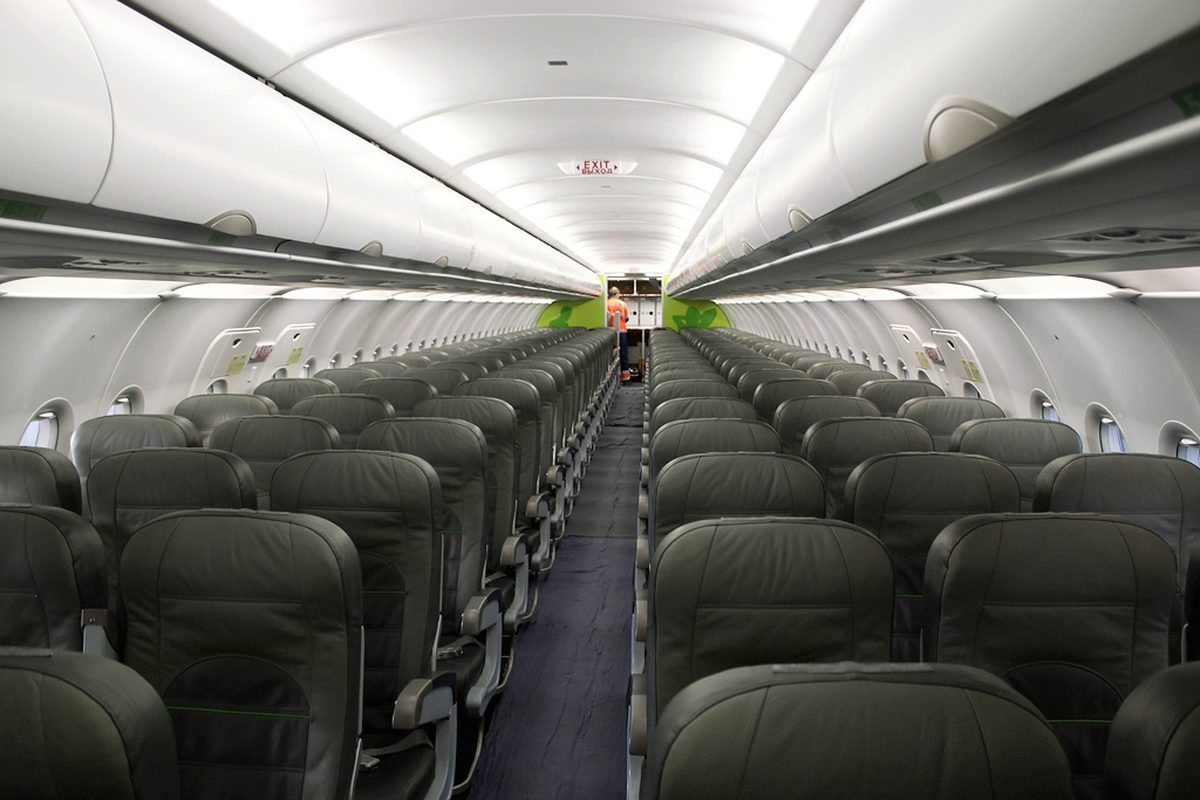
Sleeping on a long-haul flight in economy means getting real rest in a seat with about 30 inches of pitch, under cabin lights, next to strangers, while crossing time zones. It is possible, but it does not happen by accident. The travelers who arrive rested treat sleep as a strategy: the right seat, the right gear, the right timing, and the right habits in the air.
This article explains how to sleep on a long-haul flight in economy, including how to pick a seat that helps, what to pack in your sleep kit, how to time sleep to your destination, and how food, drink, and movement affect your rest.
This article is for information only and is not medical advice. Talk to a healthcare professional before using any sleep aid.
Pick the right seat before you board
The highest-leverage decision happens before you ever reach the airport. SmarterTravel reports that the average economy seat pitch has shrunk from roughly 35 inches in the 1970s to about 30 inches today, so every inch you can reclaim matters on a ten-hour flight.
If sleep is the goal, the window seat wins. It gives you a wall to lean against, so your head has somewhere to go, and it shields you from seatmates climbing over you and carts rolling past. The aisle offers legroom freedom, but every interruption costs you the sleep cycle you were building.
Check the actual seat map for your specific aircraft before booking. SmarterTravel points to detailed maps that flag the seats to avoid, like rows with missing windows or limited recline.
Exit rows typically offer 34 to 38 inches of pitch against the standard 30 to 31, a meaningful upgrade on an overnight flight, though many first exit rows do not recline, so the second exit row is the better pick when there are two. Bulkhead seats give open floor space and no one reclining into you, at the cost of fixed armrests and no under-seat storage.
Where possible, choose a flight that overlaps your normal sleeping hours. SkyPro advises picking an itinerary that lands at a sensible time at your destination, since arriving at 6 AM after an all-night flight is far kinder than arriving at midnight wired and exhausted. And start adjusting two to three days before departure: shifting bedtime toward the destination schedule, as BudgetTravelNerd and Airssist both recommend, takes some of the shock out of the first night.
Build your sleep kit
Four items do most of the work, and all of them fit in a carry-on.
An eye mask blocks the cabin light and the glow of other passengers' screens. SmarterTravel calls out the traveler two rows ahead watching a movie at full brightness during what is midnight for your body; a good mask makes that problem disappear. A contoured mask that does not press on your eyelids is worth the small upgrade over the free airline one.
Noise-canceling headphones or earplugs handle the sound. SmarterTravel calls noise-canceling headphones the single most effective upgrade available in economy, working for sleep as well as entertainment. If headphones are too bulky to sleep in, high-quality foam earplugs are the lightweight alternative.
Either way, dull the engine drone and the cabin announcements. Load an eSIM before departure too, so your landing connectivity is sorted and the phone can stay in airplane mode all flight.
A neck pillow prevents the head-snap that jolts you awake every twenty minutes. Memory-foam wraps that cradle the chin tend to outperform basic U-shapes, and inflatable versions pack flat. SkyPro adds one more move: recline carefully after checking behind you, and return the seat upright whenever the crew requires it.
Dress for the cabin, not the destination. Layers you can add or remove without disturbing your neighbor handle the temperature swings of a long flight, and compression socks in the 15 to 20 mmHg range keep legs comfortable during hours of sitting. SmarterTravel advises putting them on at home before leaving, since legs start swelling the moment you sit down.
Time your sleep to your destination
Jet lag is a scheduling problem, and the flight is where you start solving it. Set your watch and phone to destination time right after boarding, and begin eating and sleeping on that clock, as SkyPro recommends. On an overnight eastward flight, that means treating the cabin's lights-out as bedtime, even if your body insists it is mid-afternoon.
Melatonin can help, but timing is everything. For eastward travel, SmarterTravel advises 0.5 to 1 mg about 90 minutes before your intended bedtime at the destination. Taking it at the wrong time can push your body clock the wrong way and make jet lag worse.
The CDC notes that high doses, anything over 5 mg, create excess melatonin at the wrong time of day as the body processes it. Low dose, timed correctly, is the version that works. Never try a sleep medication for the first time on an aircraft; SkyPro warns against experimenting at 35,000 feet, and any sleep aid deserves a conversation with a healthcare professional first.
Wind down deliberately. Sleep expert Olivia Arezzolo told Escape.com.au that she recommends cutting out screens 30 minutes before planned sleep, drinking chamomile tea, and wearing an eye mask. Dim your own screen, decline the second meal service if it falls inside your sleep window, and give your body the cues it gets at home.
Light is the other half of the clock reset. After eastward travel, seek bright morning light at your destination to push your clock earlier; after westward travel, avoid morning light so you do not push it the wrong way.
Your body adapts to westward travel at about 1.5 hours per day and eastward at about one hour per day, according to SmarterTravel, because the human circadian rhythm runs slightly longer than 24 hours. Flying east is biologically harder than flying west, and no packing list changes that.
Eat, drink, and move smart
The cabin is actively dehydrating you. SmarterTravel reports that cabin humidity runs between 10 and 20 percent, drier than the Sahara Desert's average of around 25 percent, and that a body can lose up to two liters of fluid through breathing alone on a long flight. The fix is to sip about eight ounces of water per hour, starting at the gate.
Carry an empty bottle through airport security and fill it before boarding. Download offline maps and entertainment beforehand as well; avoiding roaming charges without buying a local SIM is one less thing to think about at 35,000 feet.
Alcohol is the classic trap. It makes you drowsy, then dismantles the sleep it promised: fragmented, dehydrated, headachy rest with hours still to go, as SmarterTravel describes it.
Skip it during the flight and save the glass of wine for after landing. Caffeine deserves the same caution in the hours before your planned sleep window.
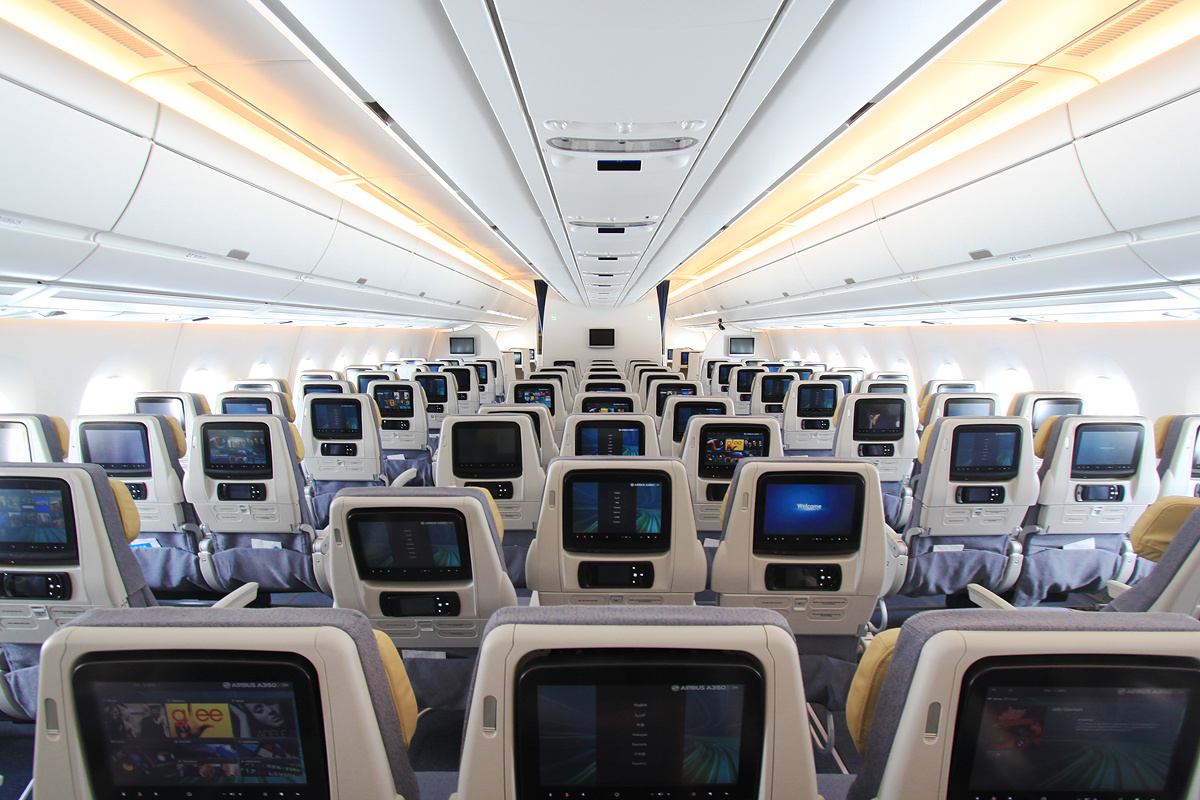
One aircraft choice can help if your route offers it. The Boeing 787 Dreamliner and Airbus A350 maintain cabin humidity around 22 percent, compared with 2 to 7 percent on older aircraft, because they retain passenger-generated moisture instead of venting it, according to SmarterTravel. Your sinuses will notice the difference on a twelve-hour flight.
Movement matters for safety as well as comfort. The CDC recommends hydration and regular movement on long flights, and SmarterTravel advises walking the cabin every 90 minutes, with ankle circles and calf raises in your seat between walks.
Deep vein thrombosis risk climbs after about four hours of continuous sitting, so the least glamorous advice is also the most important. Before you settle in for the night, fasten your seat belt over your blanket so the crew can see it during turbulence checks without waking you, a tip SkyPro includes in its survival guide.
If the flight is long enough to need a nap strategy rather than full sleep, keep naps short. Twenty-minute power naps refresh without dropping you into deep sleep that leaves you groggy, a rule Airssist includes in its long-flight routine.
Frequently asked questions
Is a window or aisle seat better for sleeping in economy?
The window seat is better for sleep. You get the cabin wall to lean on, and you avoid being climbed over by seatmates or bumped by service carts. The aisle wins only for freedom of movement.
Should I take melatonin on a long flight?
Low-dose melatonin, 0.5 to 1 mg taken about 90 minutes before your intended bedtime at the destination, can help on eastward flights, according to SmarterTravel. Timing matters more than dose, and high doses can backfire. Discuss any sleep aid with a healthcare professional first, and never try one for the first time mid-flight.
Does alcohol help you sleep on planes?
It helps you fall asleep and then ruins the sleep. Alcohol fragments rest, dehydrates you in an already dry cabin, and tends to wake you up worse than before, so most long-haul guides advise skipping it until after landing.
How do I avoid jet lag on a long-haul flight?
Start shifting your schedule two to three days before departure, live on destination time from boarding, sleep on the overnight leg, seek morning light after eastward arrival, and time melatonin carefully. Expect about one hour of adjustment per day eastward and 1.5 hours westward.
Are neck pillows worth it for economy sleep?
For most travelers, yes. The main cause of broken airplane sleep is the head falling forward and snapping you awake. A supportive pillow that keeps your head upright removes that interruption, which is why it appears in nearly every frequent flyer's kit.
The bottom line
Sleeping in economy is a system: a window seat against the wall, an eye mask and earplugs or noise-canceling headphones, a neck pillow, layers and compression socks, water every hour, no alcohol, and sleep timed to your destination's clock. Do the preparation on the ground, run the routine in the air, and walk the cabin every 90 minutes. You may not sleep eight hours, but you will land far closer to human than the passengers who just hoped for the best.
Related stories

The 3-1-1 liquids rule for planes: what each number means
TSA's 3-1-1 rule limits carry-on liquids to 3.4-ounce containers in one quart bag. Where the 2006 rule came from, what counts, and how

Why Is Airplane Food So Bland at Altitude?
A 2010 Fraunhofer study found altitude cuts sweet and salty perception by up to 30 percent. Low humidity, cabin pressure, and noise all

Carry-on size limits: why airlines each set their own
Airlines set their own carry-on limits because the FAA only requires each carrier to have a policy, not one global size. Why 22 x 14 x