
What is an eSIM, and how does it work?
Key takeaways
- An eSIM is a SIM card embedded as software on a chip soldered inside your phone, so no plastic card is needed.
- Activation means scanning a QR code or using a carrier app, which downloads a network profile over the internet.
- One chip can store many carrier profiles, making it simple to switch networks or add a travel plan.
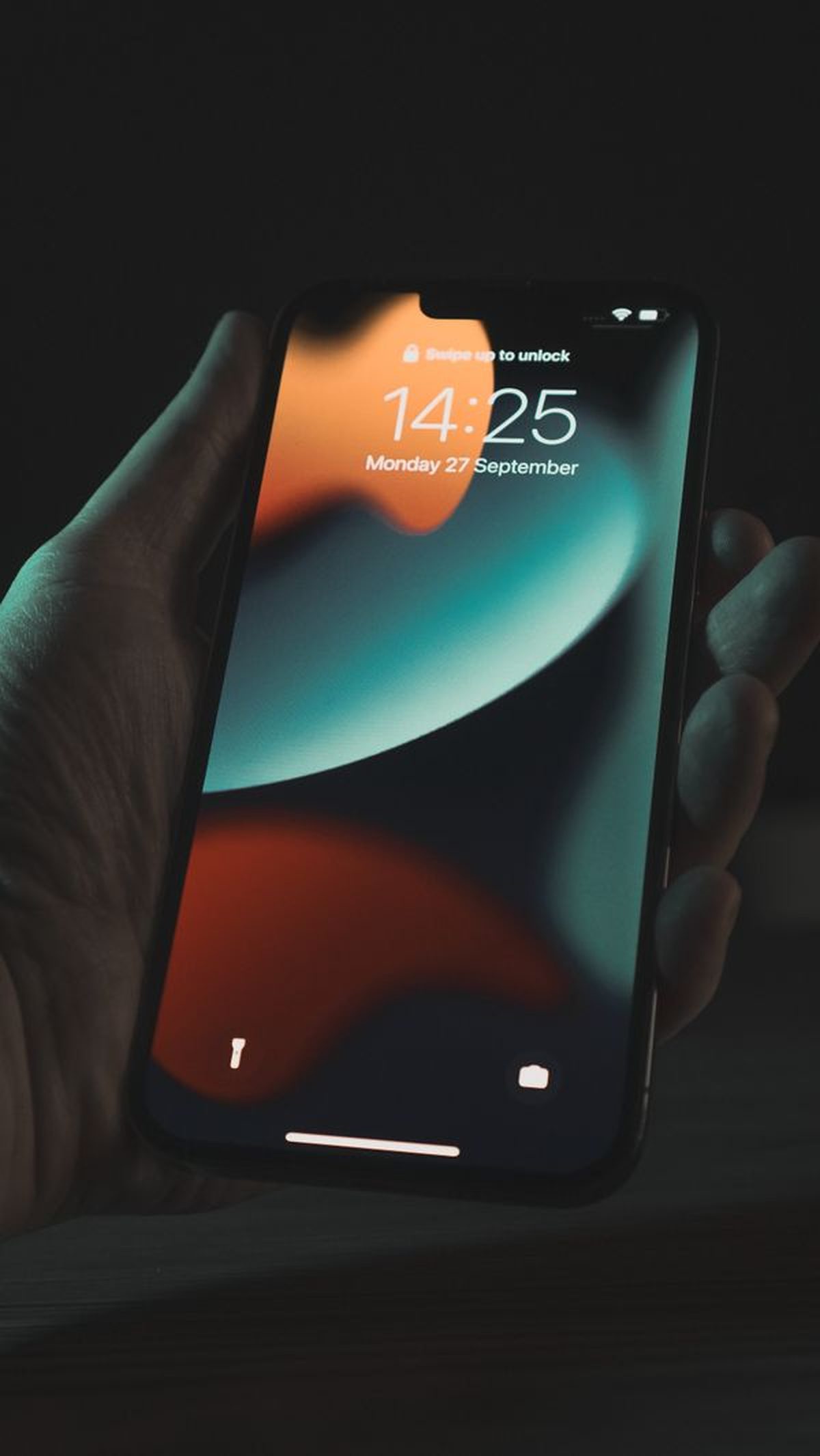
If you have ever wondered what is an eSIM and how does it work, the short answer is simple: it is a SIM card that lives inside your phone as software instead of a piece of plastic. The "e" stands for embedded. A small, reprogrammable chip is soldered onto the device's circuit board at the factory, and your carrier's network profile is downloaded onto that chip over the internet.
That one change removes the tray, the ejector pin, and the trip to the store. According to Tom's Guide, an eSIM is programmed remotely to give you instant access to your carrier network upon activation, with no manual swap required. This article explains what an eSIM is, how eSIM activation works, what the eUICC chip does, how an eSIM differs from a physical SIM, and where the technology is headed.
What is an eSIM, and how does it work?
An eSIM (embedded subscriber identity module) is a form of SIM card that is embedded directly into a device as software installed onto an eUICC chip, as Wikipedia's eSIM article describes it. It performs the same job as the plastic card: it stores your subscriber identity, authenticates you to the mobile network, and encrypts the connection.
The difference is entirely in delivery. A physical SIM is a piece of plastic you insert, remove, and swap. An eSIM profile arrives as a download.
ELE Times describes the process in three steps: provisioning (you receive a QR code or activation data from the mobile operator), activation (your device connects to the operator's server to download and install the profile), and network switching (you store multiple profiles and switch between them as needed).
In practice, the steps look like this. First, you pick a plan from your carrier or an eSIM provider, usually from an app or website. Then you scan the QR code they send you, which tells your phone where to fetch the profile.
Finally, your phone activates the profile and connects to the network. The consumer guide What Is an eSIM reports the whole process typically takes a couple of minutes. The profile can be installed at home before a trip so it is ready the moment you land.
How eSIM activation works
The clever part of eSIM is remote SIM provisioning, a system standardized by the GSMA, the industry body behind the standard. When you buy a plan, the carrier's server prepares a profile containing everything the network needs to recognize you. Your device contacts that server, verifies the activation code, and pulls the profile onto the secure chip.
One mechanical detail matters: the download step needs an internet connection. Your phone has to reach the provider's server to pull the profile, so the practical rule is to install it on Wi-Fi before you travel. Once installed, the profile sits on the chip and connects when its network is in reach and the line is switched on.
Tom's Guide notes that you can download your eSIM over Wi-Fi instead of heading into a carrier store or waiting for a physical chip to arrive in the mail. With an eSIM, you also stop worrying about SIM card sizes or finding the tray. A profile is typically tied to one device once installed, so moving to a new phone means transferring or re-issuing the eSIM through the provider rather than moving a card across.
Activation is only half the story, though. The other half is what the chip itself can hold.
What the eUICC chip does
Under the hood, every eSIM-capable phone ships with a small, permanently soldered chip called an eUICC (embedded universal integrated circuit card). Wikipedia notes that it is installed via surface-mount technology at the factory, measures just 6 mm by 5 mm, and uses the same electrical interface as a physical SIM. The common physical form factor is designated MFF2.
Think of the eUICC as an empty SIM slot that lives inside the electronics. It holds mobile plans as software instead of plastic.
The GSMA designed profiles to be downloaded, stored, switched, and deleted much like apps. The chip never changes. Only the profiles on it do.
That separation of hardware and plan is the entire reason eSIMs matter for travel and for people with two numbers. According to ELE Times, the chip supports multiple profiles, enabling seamless switching between carriers.
Wikipedia puts a number on it: devices can hold upwards of 20 eSIM plans simultaneously, with 1 or 2 active at a time. So a personal line, a work line, and a travel data plan can all live on one phone, and switching between them takes seconds in the settings.
The GSMA maintains three versions of the eSIM standard, as Wikipedia documents: SGP.22 for consumer devices like phones, SGP.02 for machine-to-machine devices, and SGP.32, an IoT specification published in May 2023 that introduced server-driven remote profile management for large-scale deployments. These shared specifications are what let a profile from any participating carrier install on any certified device.
How an eSIM differs from a physical SIM
Functionally, both connect you to the same networks with the same speeds and the same coverage. The differences are about logistics, flexibility, and security.
On logistics, eSIM wins on convenience: no store visit, no waiting for a card in the mail, no ejector pin. On flexibility, it wins on multiplicity: several profiles on one chip instead of one card per slot.
Travelers feel this most. Tom's Guide points out that since eSIMs can be purchased and activated remotely, you can buy a local data plan before departure and keep your home line untouched, avoiding expensive roaming. One caveat from the same guide: your device needs to be unlocked to use an eSIM from another carrier, so check before you buy.
Security cuts both ways. Because the chip cannot be removed, a thief cannot pull the SIM out of a stolen phone to disable tracking, which whatisanesim.com flags as a genuine anti-theft advantage.
On the other hand, moving your number to a new phone is no longer as simple as moving a card. It depends on your carrier's transfer process, which ranges from seamless to genuinely annoying.
ELE Times lists the same tradeoff as a disadvantage: migration between devices can be less straightforward than swapping a physical SIM, and activation still depends on operator support.
Plans themselves cost the same either way, according to whatisanesim.com. Where you save money is on travel, where local eSIM data plans are much cheaper than roaming.
Where eSIM is headed
The technology is now a decade old. In November 2010, the GSMA began discussing a software-based SIM, and the eSIM specification was released in March 2016.
Wikipedia's history section dates the milestones: the Samsung Gear S2 Classic 3G, released in February 2016, was the first device to implement an eSIM. The Apple Watch Series 3 followed in September 2017 as Apple's first eSIM device. Google's Pixel 2, unveiled in October 2017, was the first phone to use one, and Apple brought it to the iPhone with the XS and XR in 2018.
The turning point came in 2022, when Apple shipped US models of the iPhone 14 without a physical SIM tray at all. As of September 2025, Wikipedia reports, the iPhone 17 and 17 Pro are eSIM-only in a number of countries, and the iPhone Air is Apple's first model with no physical SIM capability in any country. Google's US-sold Pixel 10 series has also dropped the slot.
The pattern is clear: the removable card is on its way out in flagship phones, while physical SIMs will coexist with eSIM for many years elsewhere. For wearables, the shift happened even earlier, which is why smartwatches with eSIM can now make calls without a phone nearby.
If you are curious about the provisioning servers behind the scenes, see what remote SIM provisioning means in plain terms. Travelers who want the practical payoff should read how to avoid roaming charges without buying a local SIM, and anyone cleaning up old profiles can follow how to delete an eSIM profile properly.
How do I activate an eSIM?
Buy a plan from your carrier or an eSIM provider, then scan the QR code they send you. Your phone downloads the carrier profile over the internet and activates it, usually within a couple of minutes. Do the install on Wi-Fi before you travel, since the download needs a connection.
Can one phone hold multiple eSIMs?
Yes. The eUICC chip can store upwards of 20 carrier profiles, with 1 or 2 active at a time. You switch between them in your phone's settings, which is handy for keeping a personal line, a work line, and a travel plan on one device.
Does an eSIM work without the internet?
The profile download requires an internet connection, so install it before you leave. Once installed, the eSIM connects to the cellular network on its own, no Wi-Fi needed. For the full picture, see does eSIM work without internet for activation.
Is an eSIM more secure than a physical SIM?
It uses the same encryption and security as physical SIM cards. One advantage: it cannot be physically removed, so a thief cannot pull it out to disable tracking. One tradeoff: moving your number to a new phone depends on your carrier's transfer process.
Will eSIM replace physical SIM cards completely?
Eventually in flagship phones, where the trend is already set. Physical SIMs will coexist with eSIM for many years, especially on mid-range devices and in markets where carriers have been slower to support the standard.
The bottom line
An eSIM does exactly what a plastic SIM does: it proves to the mobile network who you are and which plan you pay for. The difference is how the profile gets onto the phone.
Instead of a card you insert, a tiny soldered chip downloads your carrier's profile over the internet, stores many of them at once, and switches between them in seconds. If your phone supports it and is unlocked, trying one is a low-risk way to see the difference, especially before your next trip.
Related stories

Apple plans two October launches: smart home hub, OLED MacBook Pro
Apple set October 13 for a smart home launch with a new hub, Apple TV 4K and HomePod mini, then October 27 for OLED MacBook Pro models

How to Check If Your Phone Supports eSIM in 30 Seconds
Dial *#06# and look for an EID number to confirm eSIM support in under 30 seconds. This guide also walks through the iPhone and Android

eSIM vs iSIM: what is the difference?
An eSIM is a dedicated chip on the phone's board, while an iSIM lives inside the processor itself. Qualcomm's Snapdragon 8 Gen