
eSIM for smartwatch: how it works and what it can do alone
Key takeaways
- An eSIM smartwatch carries its own programmable SIM chip, so it can reach the cellular network without your phone nearby.
- Setup usually happens through a companion phone app, and most carriers charge a monthly add-on for the watch plan.
- Calls, texts, and data work independently, but battery life drops and some carriers limit standalone features.
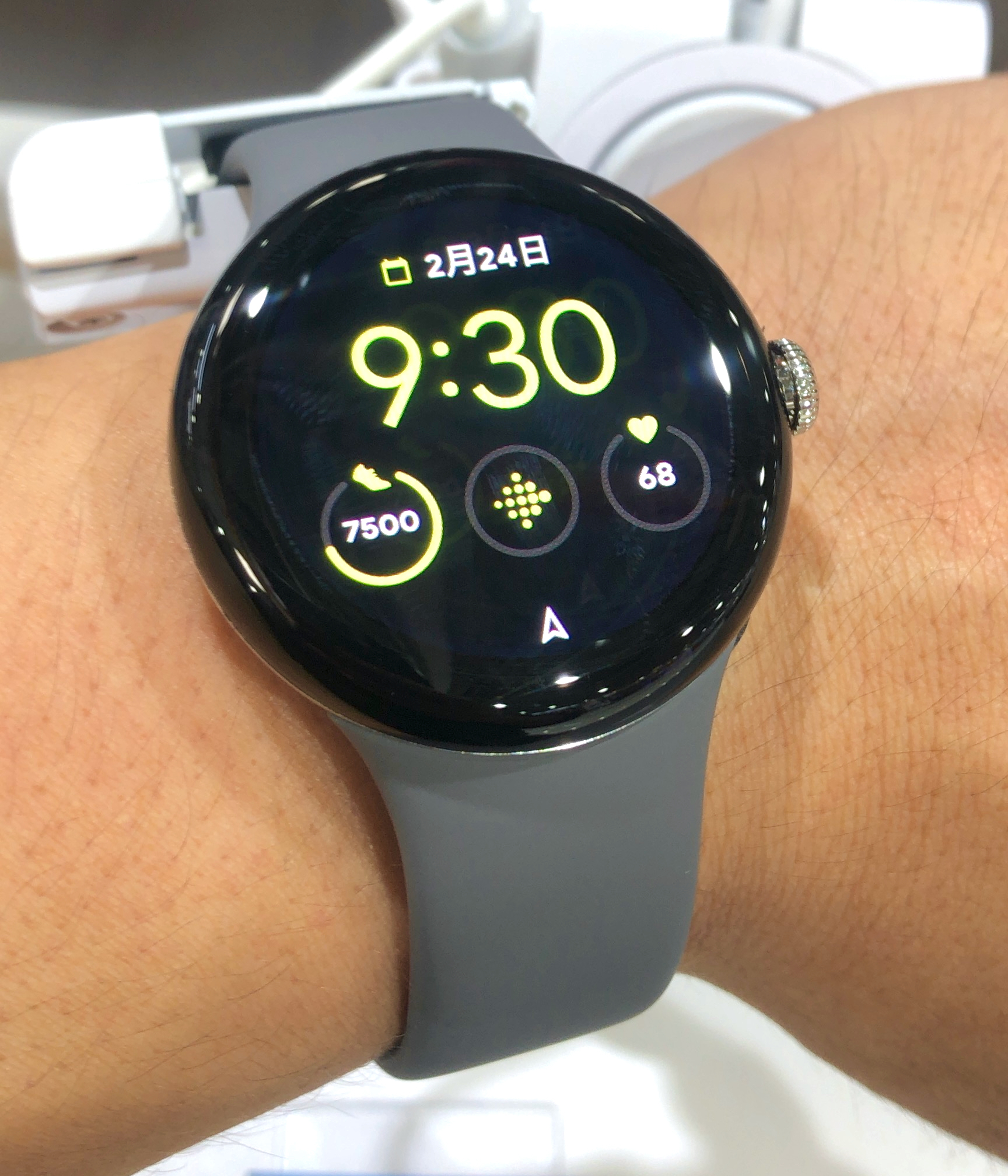
An eSIM smartwatch works the same way an eSIM phone does, shrunk to fit your wrist. A tiny embedded SIM chip inside the watch connects directly to the cellular network, so the watch can make calls, send messages, and use data even when your phone is switched off, out of battery, or sitting at home. The eSIM for smartwatch question usually boils down to three things: how the watch gets its plan, what it can do on its own, and what it costs.
Nomada describes the key distinction well: an eSIM smartwatch contains an embedded SIM card that is programmable, allowing it to connect directly to cellular networks without being physically paired to your smartphone. That separates it from standard Bluetooth-only smartwatches, which go quiet once the phone is out of range. This article explains how eSIM works on a smartwatch, how setup and plans work, what standalone features you actually get, and the limits worth knowing.
How eSIM works on a smartwatch
The core idea is identical to what an eSIM is and how it works: a soldered chip stores a carrier profile as software. On a watch, the payoff is bigger, because there is no room for a physical SIM tray. The embedded chip is what makes a cellular watch possible at all.
When the watch is away from your phone and Wi-Fi, it switches to the cellular connection on its own. Pocketnow explains that the LTE variants of watches like Samsung's Galaxy Watch 4 carry eSIM functionality to connect to your carrier's network, enabling standalone calls and texts. XDA Developers adds that some carriers may not support standalone voice calling, or may limit it to certain areas, so it is worth checking with your carrier first.
The history goes back further than most people realize. According to Gizmodo's reporting on the GSMA's 2016 announcement, the industry body published a new eSIM specification for smartwatches, fitness trackers, and tablets that allowed users to remotely activate a SIM embedded in those devices.
Samsung's Gear S2 Classic 3G, launched in March 2016, was the first device to support it. Apple then brought the technology to the mainstream with the cellular Apple Watch Series 3 in September 2017.
How setup and plans work
Here is where watches differ from phones. You cannot usually scan a QR code on the watch itself. Instead, setup runs through a companion app on your phone.
For Samsung's LTE watches, XDA Developers reports that you need an Android phone with Google services for the initial pairing process, after which the watch can handle standalone voice calling and text messaging. Apple takes a similar route through the Watch app on the iPhone.
The plan itself is a second decision. Most carriers treat the watch as an add-on line rather than a fully independent subscription.
Pocketnow notes that a separate cellular plan is required for the Galaxy Watch 4's standalone features, and Samsung warns that standalone functions will be limited if the paired phone is switched off or disconnected. Nomada reports that many carriers offer number-sharing features, so calls and texts to your primary number reach both your phone and your watch, typically for an additional monthly fee of around $5 to $15 depending on the provider.
Pricing for the hardware shows the cellular premium clearly. Pocketnow reported the Galaxy Watch 4 LTE starting at $299 versus $249 for the Bluetooth model, with the Watch 4 Classic LTE at $399 versus $349. XDA Developers confirmed the same $299.99 and $399.99 starting prices in the US. That roughly $50 premium buys the eSIM hardware. The monthly plan is on top.
One more practical note from Nomada: before buying, verify cellular compatibility with your destinations if you travel. Some watches advertise international roaming, but coverage varies by carrier partnership, and not every carrier supports every watch model.
What a cellular smartwatch can do alone
Once the plan is active, the watch stops being a phone accessory and starts being a phone alternative, at least for the basics. Nomada lists the independent functions: making calls, sending messages, streaming music, and accessing apps without the phone nearby. That is the whole appeal for runners, swimmers, and anyone who wants to leave a $1,000 phone in a locker.
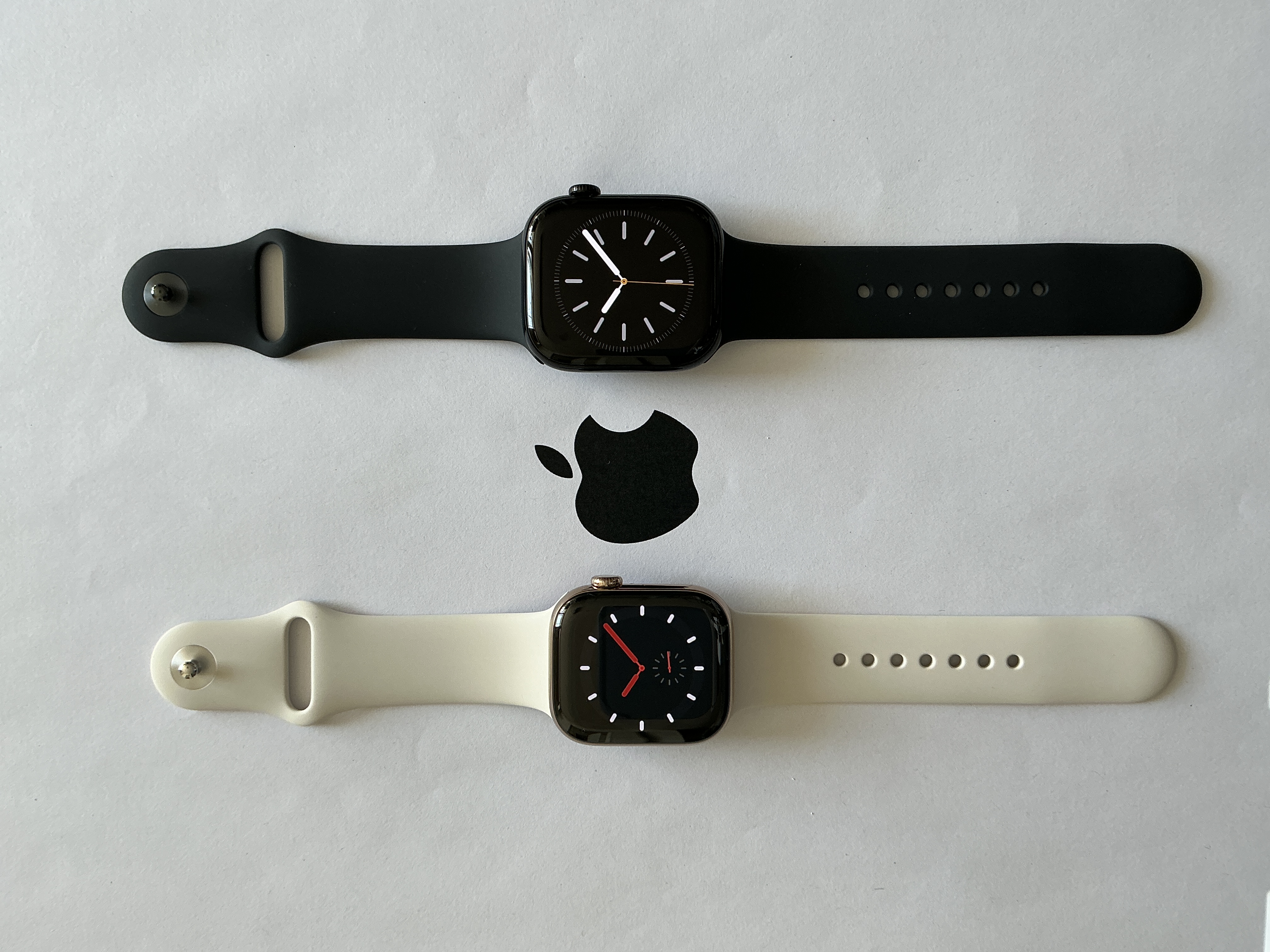
Emergency features are the strongest argument for the cellular version. Fall detection, emergency SOS, and location sharing can all work over the watch's own connection. For a hiker or a solo traveler, that redundancy matters: the watch can call for help even if the phone is lost, broken, or dead.
There are real limits, though. Battery life takes the biggest hit. Nomada reports that activating the cellular connection typically reduces battery life by 30 to 50 percent compared to Bluetooth-only mode, with premium models delivering around 12 to 18 hours of mixed use with active cellular.
Data use is modest, typically 0.5 to 2 GB a month with regular use, with music streaming at about 150 MB per hour, according to the same source. And as Samsung warns, some standalone functions lean on the paired phone more than the marketing suggests, so the "leave your phone at home" promise has fine print.
The bottom line
An eSIM smartwatch works by putting the same programmable SIM chip found in phones into a watch, then giving it a carrier plan through a companion app. The result is a watch that calls, texts, streams, and summons help on its own, for a hardware premium and a monthly add-on.
If you want the general technology first, start with what is an eSIM and how does it work. If your carrier still does not offer watch plans, read why some carriers still do not support eSIM. And if you travel, the roaming angle in how to avoid roaming charges without buying a local SIM applies to watches too.
Do I need a separate plan for a smartwatch with eSIM?
Yes, in most cases. Carriers sell the watch as an add-on line to your existing plan, often with number sharing so both devices ring. Expect a monthly fee on top of the hardware premium.
Can a smartwatch with eSIM make calls without a phone?
Yes, once set up with its own cellular plan. The watch connects to the network directly for calls, texts, and data. Some carriers limit standalone calling in certain areas, so confirm with yours.
How do you set up eSIM on a smartwatch?
Through the companion app on your phone, not by scanning a QR code on the watch. Samsung requires an Android phone with Google services for the initial pairing. Apple uses the Watch app on the iPhone.
Does cellular drain a smartwatch battery faster?
Noticeably. Expect 30 to 50 percent less battery life with cellular active versus Bluetooth-only, which usually means charging a premium watch every night.
Which smartwatches have eSIM?
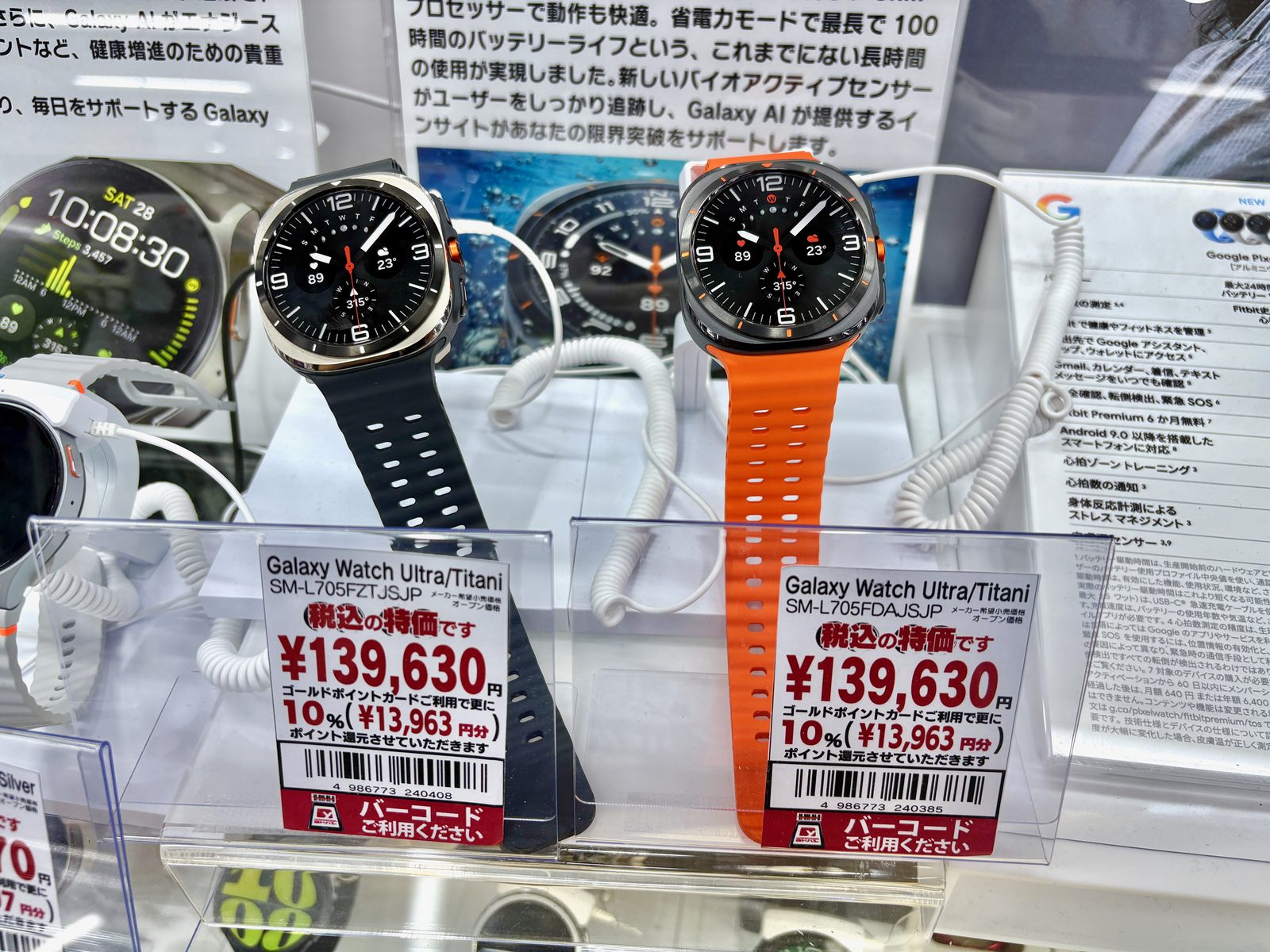
Most flagship lines offer LTE variants: Apple Watch Series models, Samsung Galaxy Watch models, Google Pixel Watch, and Huawei Watch models. Look for "LTE" or "cellular" in the model name. Bluetooth-only versions are cheaper but cannot connect on their own.
Related stories

Apple plans two October launches: smart home hub, OLED MacBook Pro
Apple set October 13 for a smart home launch with a new hub, Apple TV 4K and HomePod mini, then October 27 for OLED MacBook Pro models

How to Check If Your Phone Supports eSIM in 30 Seconds
Dial *#06# and look for an EID number to confirm eSIM support in under 30 seconds. This guide also walks through the iPhone and Android

eSIM vs iSIM: what is the difference?
An eSIM is a dedicated chip on the phone's board, while an iSIM lives inside the processor itself. Qualcomm's Snapdragon 8 Gen