
Why do some carriers still not support eSIM in 2026?
Key takeaways
- Supporting eSIM requires expensive backend upgrades, staff training, and new activation processes that small carriers struggle to fund.
- eSIM makes switching carriers nearly frictionless, which threatens the lock-in and store traffic many carriers depend on.
- Regional demand stays low in markets where physical SIMs still dominate, and Apple keeps pressuring carriers by removing the SIM tray.
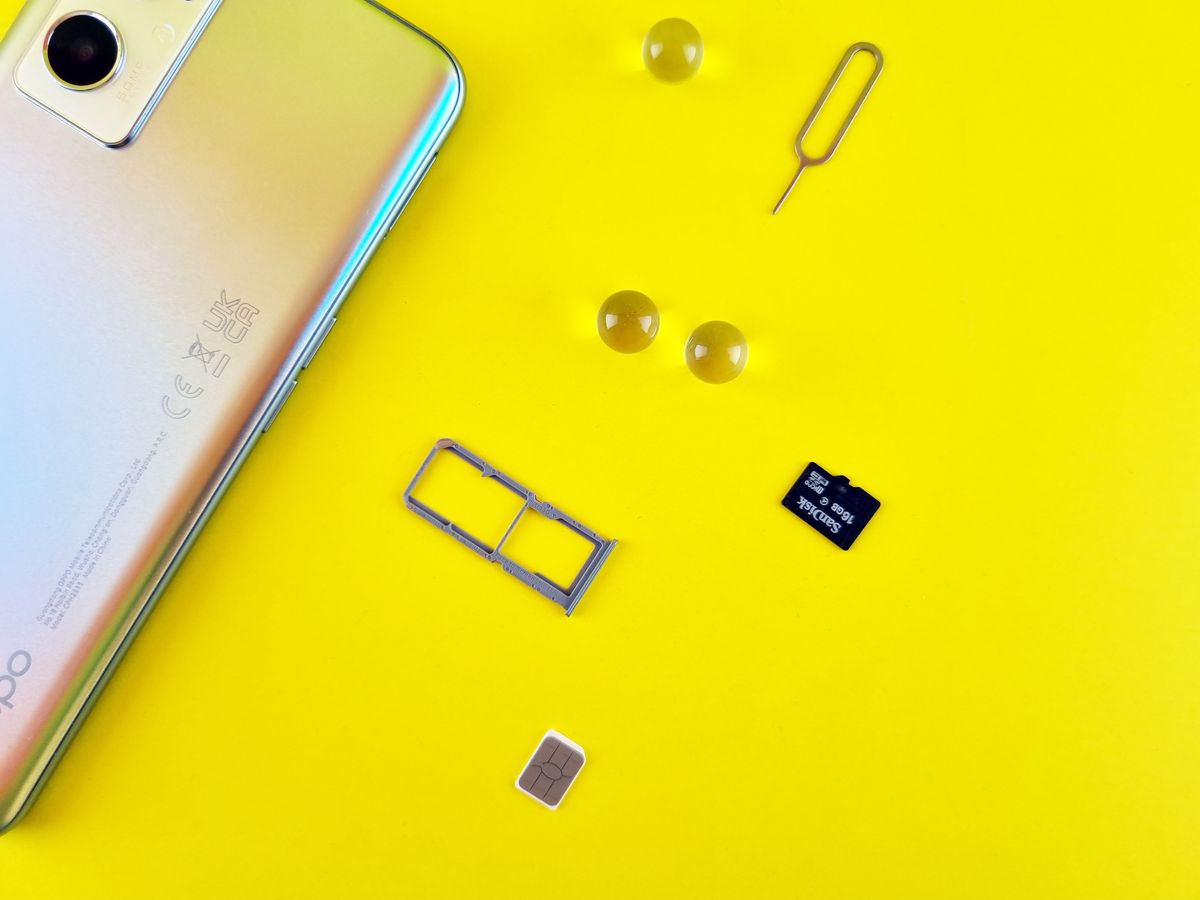
An eSIM replaces the plastic SIM card with a rewritable chip built into the phone. Profiles download over the internet, often by scanning a QR code, and a phone can hold several at once.
Apple forced the issue in September 2022 when the US iPhone 14 shipped with no SIM tray at all, as AppleInsider reported at the time. Juniper Research now forecasts 1.5 billion eSIM connections worldwide in 2026, up 30 percent year over year, according to WebProNews.
Yet some carriers still drag their feet. This article explains what an eSIM does, then walks through the real reasons behind the holdouts: upgrade costs, customer retention, retail economics, security worries, and uneven regional demand.
Upgrading the backend costs real money
Supporting eSIM is not a switch a carrier flips. The carrier needs provisioning servers that talk to the GSMA's remote SIM provisioning standards, fraud checks that work without a physical card, and support teams trained on a new activation flow. Alertify lists backend changes, staff training, and new processes among the main reasons operators delay.
For a large carrier, that investment spreads across millions of customers. For a small regional carrier or MVNO, the math is harder.
Physical SIM logistics are already paid for and understood, while eSIM means new vendors, new certification, and new failure modes for support to learn. Until enough customers demand it, the project stays parked.
Easy switching threatens carrier lock-in
The most-cited reason is also the most awkward. AndroidHeadlines puts it bluntly: carriers dislike eSIM because it makes leaving easy.
With a physical SIM, switching meant ordering a card or visiting a store and waiting days. With eSIM, a customer can be active on a rival network in minutes.
Alertify names the same dynamic as a deliberate retention tactic. If changing carriers only requires scanning a QR code, promotional deals become far more dangerous to incumbents.
The same carriers that stall their own eSIM support are usually happy to accept eSIM sign-ups leaving competitors. The resistance, in other words, is aimed at the door their own customers would walk through.
Stores lose foot traffic
Physical SIM cards gave people a reason to walk into carrier stores. AndroidHeadlines argues carriers leaned on that foot traffic to sell phones, accessories, and insurance plans, describing some stores as resembling small electronics retailers.
Some carriers also bundle setup services, like data migration and accessory discounts, into the store visit, which gives each visit revenue value well beyond the SIM itself. Remove the SIM card and a large share of those visits disappears.
This pressure predates the iPhone 14. In 2018, the US Department of Justice investigated whether GSMA, Verizon, and AT&T had colluded to slow eSIM standardization, partly over a locking mechanism that would have worked like a digital carrier lock, as reported by Android Police and KnowTechie. The investigation ended without charges, but it showed how much the retail channel mattered to carriers.
Security concerns around number hijacking
Carriers also cite fraud. With a physical SIM, stealing a number required physically grabbing the card. Android Police quotes a T-Mobile representative explaining that a fully remote eSIM process could let an attacker move your number to their phone before you notice, then intercept the SMS two-factor codes protecting bank accounts.
The trade-off is genuine while so many financial services still rely on SMS verification. eSIMs are harder to steal in person and easier to transfer remotely, which shifts the fraud surface rather than removing it. Carriers that have been burned by SIM-swap scams tend to move slowly here.
Demand has not arrived everywhere
In many developing markets, physical SIMs remain the entire distribution model. E-SPIN Group's analysis notes that carriers in these regions still rely heavily on traditional SIM infrastructure, producing limited eSIM plan availability and inconsistent service. Prepaid shops on every corner do not need provisioning servers.
Carriers follow their own markets, not the global average. Alertify points out that where eSIM demand has not hit critical mass, operators see little reason to spend on the upgrade. That keeps the gap wide: travelers arrive with eSIM-only phones in countries where no carrier supports them.
Apple keeps raising the pressure
The holdouts are running out of room. Since the iPhone 14 in 2022, every US iPhone has been eSIM-only.
In September 2025, Apple extended eSIM-only models to 12 more markets including Canada, Japan, Mexico, the UAE, and Saudi Arabia, and its iPhone Air launched eSIM-only worldwide, according to TUAW. Where phones have no tray, carriers that refuse eSIM simply cannot serve those customers.
WebProNews reports that Apple and Google have also aligned on common transfer protocols, and major carriers have invested in self-service tools. The technical friction is falling; what remains is mostly commercial reluctance.
Which carriers do not support eSIM?
There is no single global list, because support varies by plan and country, not just by brand. WebProNews notes that some carriers support eSIM only on certain plans or in certain regions, and BitJoy Global reports the same limitation. Always check the carrier's site for your specific plan and market before assuming.
Can I use eSIM if my carrier refuses?
Often, yes, through a workaround. Alertify describes a popular dual-setup: keep the home carrier on the physical SIM and add a travel or data eSIM from a different provider. You can choose which line handles calls, texts, and data in settings, which is exactly how many digital nomads operate.
Will every carrier support eSIM eventually?
The trajectory points that way, but "eventually" is doing heavy lifting. GSMA's SGP.32 standard, introduced in 2025, is easing how eSIM profiles reach devices for new device categories, per WebProNews. Phones are moving faster than carriers, and once enough handsets lack a tray, the holdouts will have to choose between upgrading and losing customers.
The bottom line
Carriers still resist eSIM for a mix of honest and self-serving reasons: upgrades are expensive, security worries are real, and regional demand is thin in places. But the commercial reasons, lock-in and store traffic, are the ones that explain why the technology moves faster than the carriers. Apple removing the SIM tray keeps shrinking their options, and the carriers that adapt last will simply be left with fewer customers to lock in.
Related stories

Apple plans two October launches: smart home hub, OLED MacBook Pro
Apple set October 13 for a smart home launch with a new hub, Apple TV 4K and HomePod mini, then October 27 for OLED MacBook Pro models

How to Check If Your Phone Supports eSIM in 30 Seconds
Dial *#06# and look for an EID number to confirm eSIM support in under 30 seconds. This guide also walks through the iPhone and Android

eSIM vs iSIM: what is the difference?
An eSIM is a dedicated chip on the phone's board, while an iSIM lives inside the processor itself. Qualcomm's Snapdragon 8 Gen