
Headphone dodgers face £100 fines on UK buses
Web StoryWatch this story in 15 seconds →Key takeaways
- Bus riders in England can face fines of up to £100 for playing music or videos aloud.
- On trains, staff can remove rule breakers. Fines there can reach £1,000.
- Bus drivers will not hand out fines. Trained safety officers and police will enforce the rules.
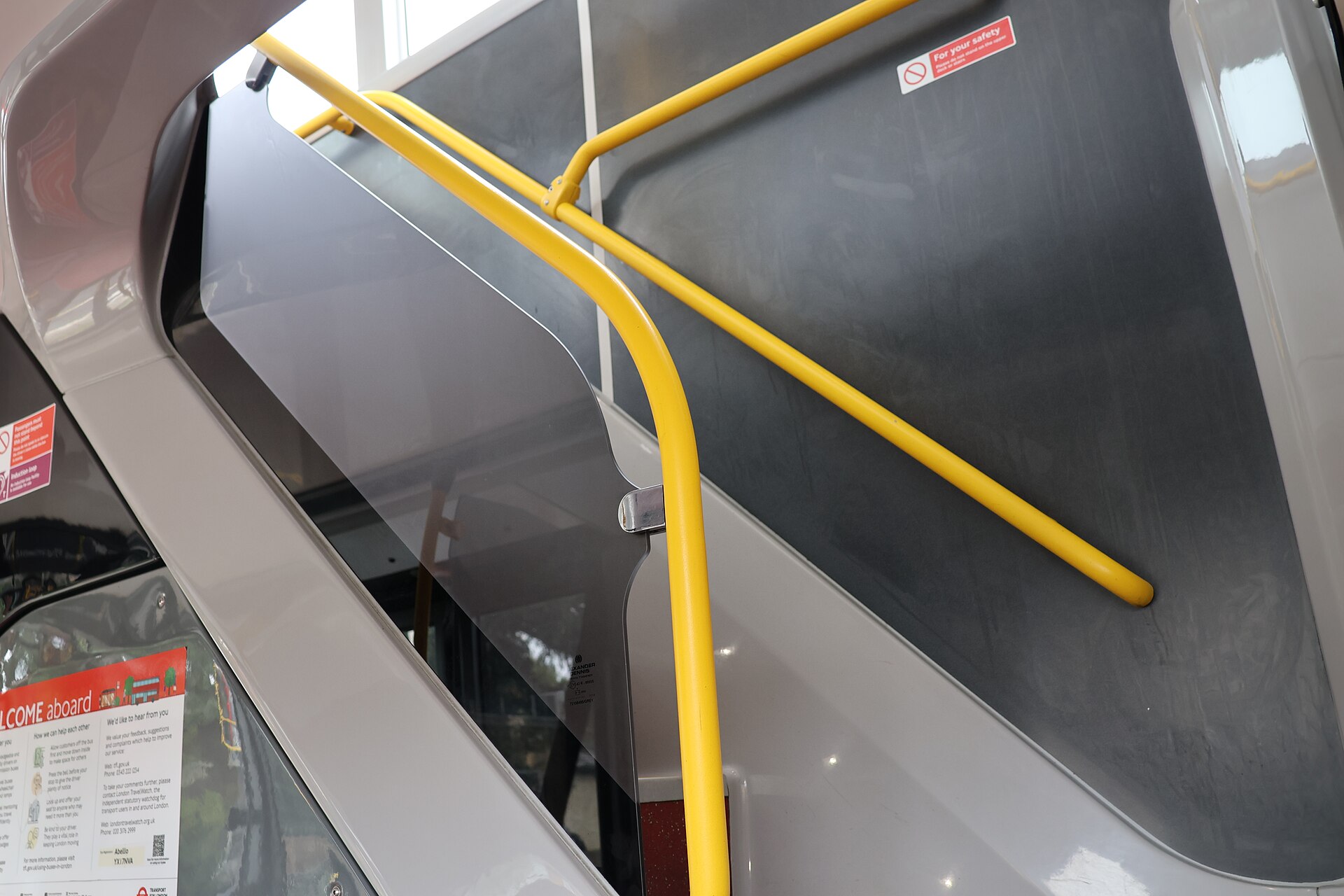
Play music aloud on a bus in England, and you could soon pay £100. The UK government announced new rules on October 19, 2026. They target so-called headphone dodgers.
A headphone dodger is a person who plays sound from a phone speaker in public. That means music, videos, or games, played aloud, with no headphones.
The government calls this habit loudcasting. It is now one of the most common complaints on public transport.
What happened
Prime Minister Andy Burnham launched a crackdown on loud behaviour on buses and trains. The plan has two parts.
One part covers buses. The other part covers trains.
On buses, local authorities can now issue fines of up to £100. The fines target nuisance behaviour. That includes loud music, vaping, and littering. The government issued new guidance to help local leaders use these powers.
The legal power behind the bus fines came into force on August 5, 2026. The Bus Services Act 2025 made it possible. Each local area must still write its own local rules. Each set of rules needs sign-off from the Secretary of State before officers can enforce it.
On trains, the government launched a national campaign. Its slogan is share the carriage, not the noise. The campaign uses posters and audio reminders.
It tells rail riders to use headphones and skip speakerphone calls.
Train staff already had powers to act. If a rider refuses to stop, staff can remove that person at the next station. The rider can also face fines of up to £1,000.
Who enforces the rules
Bus drivers will not hand out fines. That job goes to authorised officers. The group includes transport safety officers and the police.
Officers will follow a three-step approach. First, they engage with the person. Next, they explain the rules and their effect on other riders.
Last, they take enforcement action if the person refuses to comply.
Burnham said the change is simple but useful. "We have all been on the train when someone starts blasting music or videos from their phone," he said.
"It gets on your nerves and can quickly spoil the journey." He added that the campaign reminds riders to use headphones on trains.
Transport Secretary Heidi Alexander backed the move. "It is so frustrating when the actions of an inconsiderate few spoil journeys for the rest of us," she said.
She named vaping, littering, and loud music as the key problems. She said even small changes in behaviour can make a big difference.
Why it matters
Noise on public transport annoys a lot of people. Many riders face it on a daily trip to work or school. A loud phone can ruin a quiet ride for a whole bus.
The issue also affects who chooses to ride at all. Ben Plowden leads the Campaign for Better Transport. He said antisocial behaviour can put people off public transport.
He said this is a real problem for people with different access needs. He added that clear enforcement should help everyone feel safe and at ease.
Public support for action looks strong. LADbible reported polling cited by the Guardian. It found around 60 percent of voters back action against people who play loud music or videos on their phones.
The plan also has critics. Shadow transport secretary Richard Holden said the rules do not go far enough.
He said assaults against rail staff have risen by 68 percent. He called on the government to get serious about enforcement and staff safety.
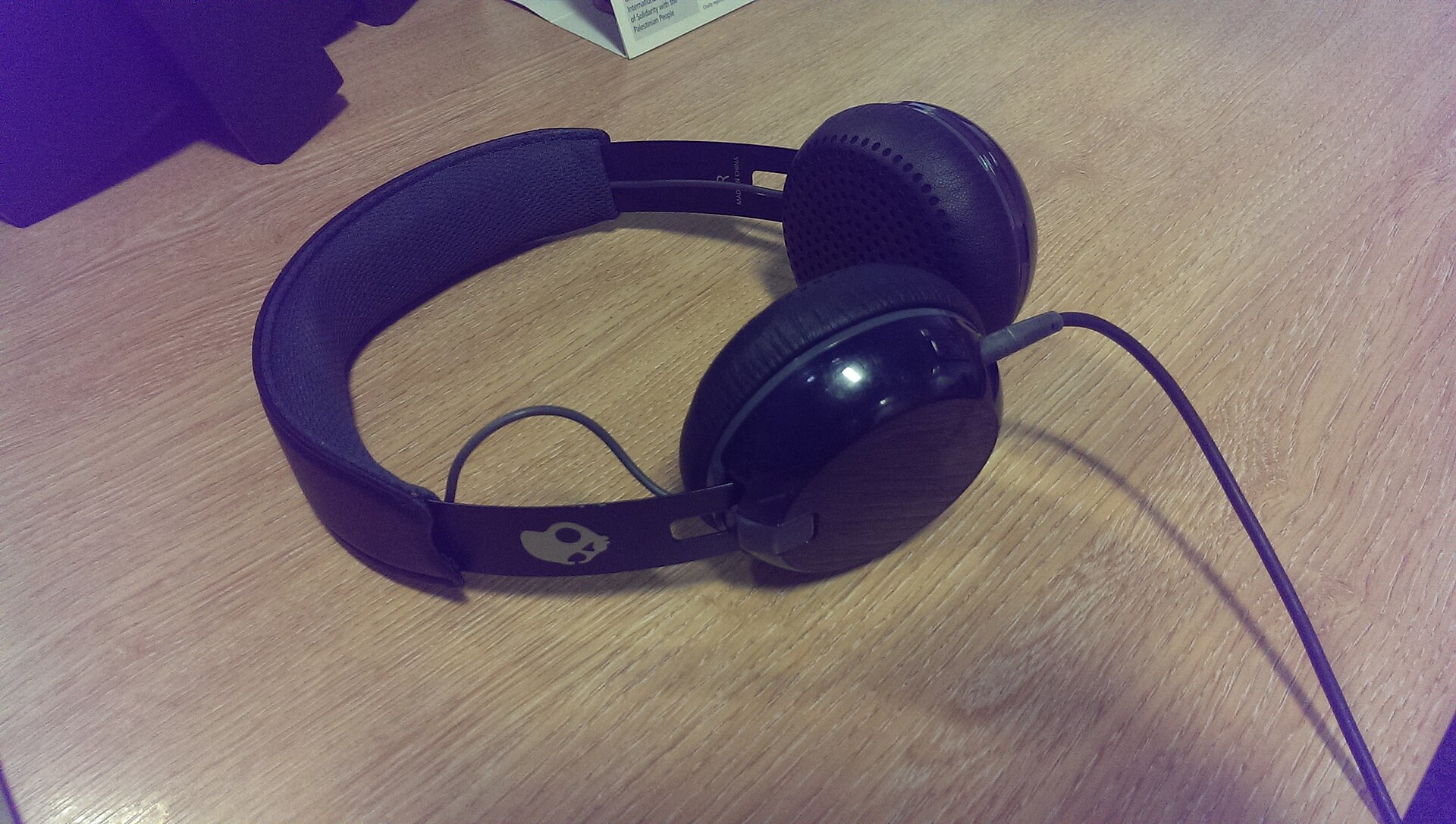
What happens next
Local authorities must now write their own local rules. Each area can set rules that fit its own bus network. No fine can apply until the Secretary of State signs off the local rules.
The rail campaign will roll out across the network. Most operators will show the message on websites and social media.
Riders will also see posters in carriages and at stations. Audio reminders will play on trains.
The change ends a patchwork of local rail campaigns. Before, each train operator ran its own message.
Now the message is the same across the network. The government said public ownership of train operators helped make that joint push possible.
For riders, the ask is simple. Use headphones when you watch or listen on the bus or train. Keep calls off speakerphone.
If you want to learn how noise-cancelling headphones work, that is a good next read.
Travel rules keep changing in small ways. You can also read how to keep luggage safe on trains and buses. And the new EU cabin bag rules may help if you fly soon.
The fines will only bite if officers enforce them. That is the test to watch.
If the rules stay on paper, nothing changes for riders. If officers use them, the daily ride could get a lot quieter.
Related stories

The 3-1-1 liquids rule for planes: what each number means
TSA's 3-1-1 rule limits carry-on liquids to 3.4-ounce containers in one quart bag. Where the 2006 rule came from, what counts, and how
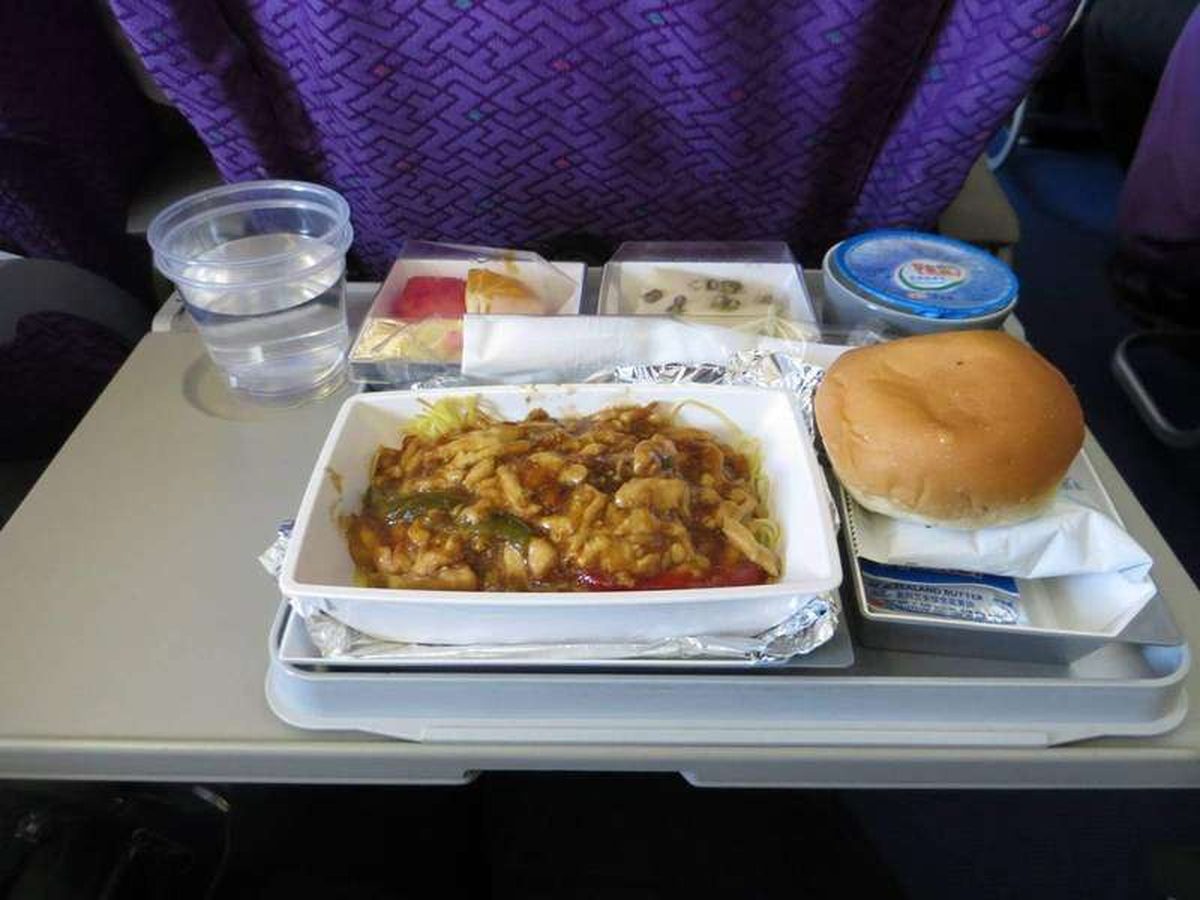
Why Is Airplane Food So Bland at Altitude?
A 2010 Fraunhofer study found altitude cuts sweet and salty perception by up to 30 percent. Low humidity, cabin pressure, and noise all
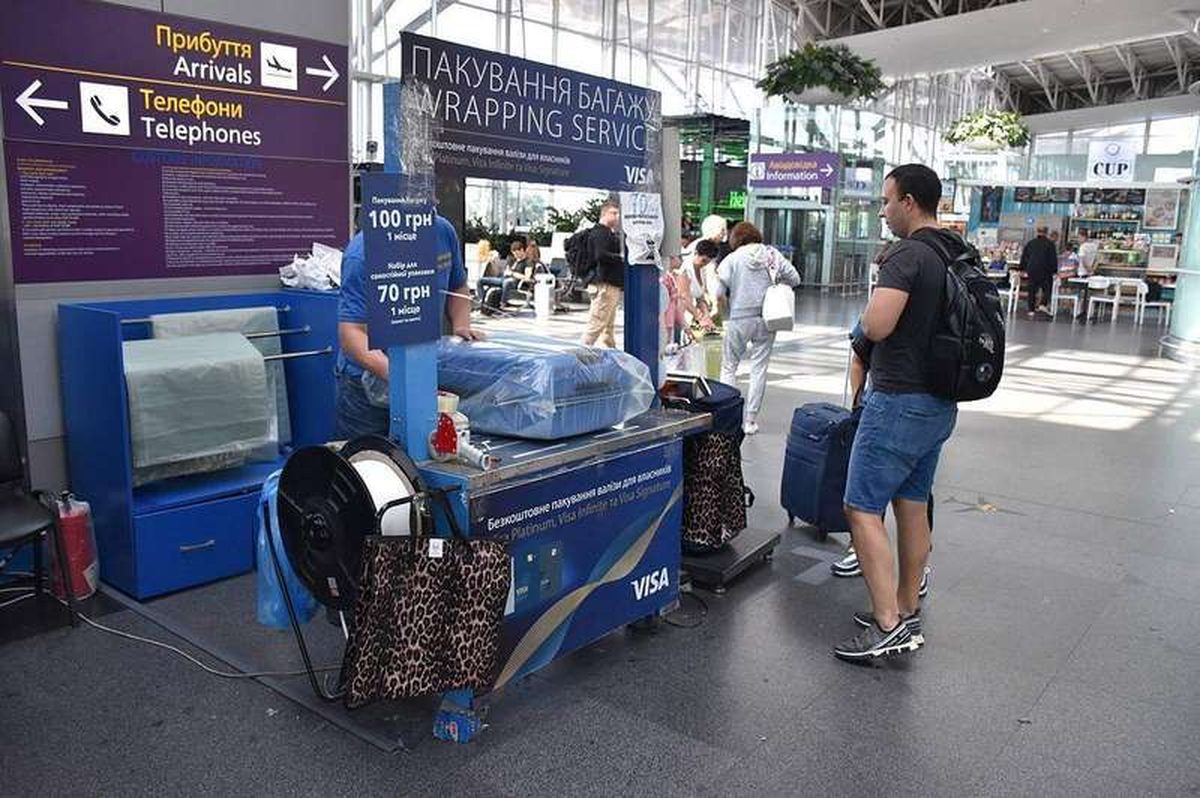
Carry-on size limits: why airlines each set their own
Airlines set their own carry-on limits because the FAA only requires each carrier to have a policy, not one global size. Why 22 x 14 x