
US adds wrongful detention warning to China travel advisory: what travelers must know
Web StoryWatch this story in 15 seconds →Key takeaways
- On Oct 19, 2026, the US added a wrongful detention warning to its China travel advisory.
- China stays at Level 2, "exercise increased caution," not "do not travel."
- The warning covers detention risk, exit bans, and monitored emails and messages.
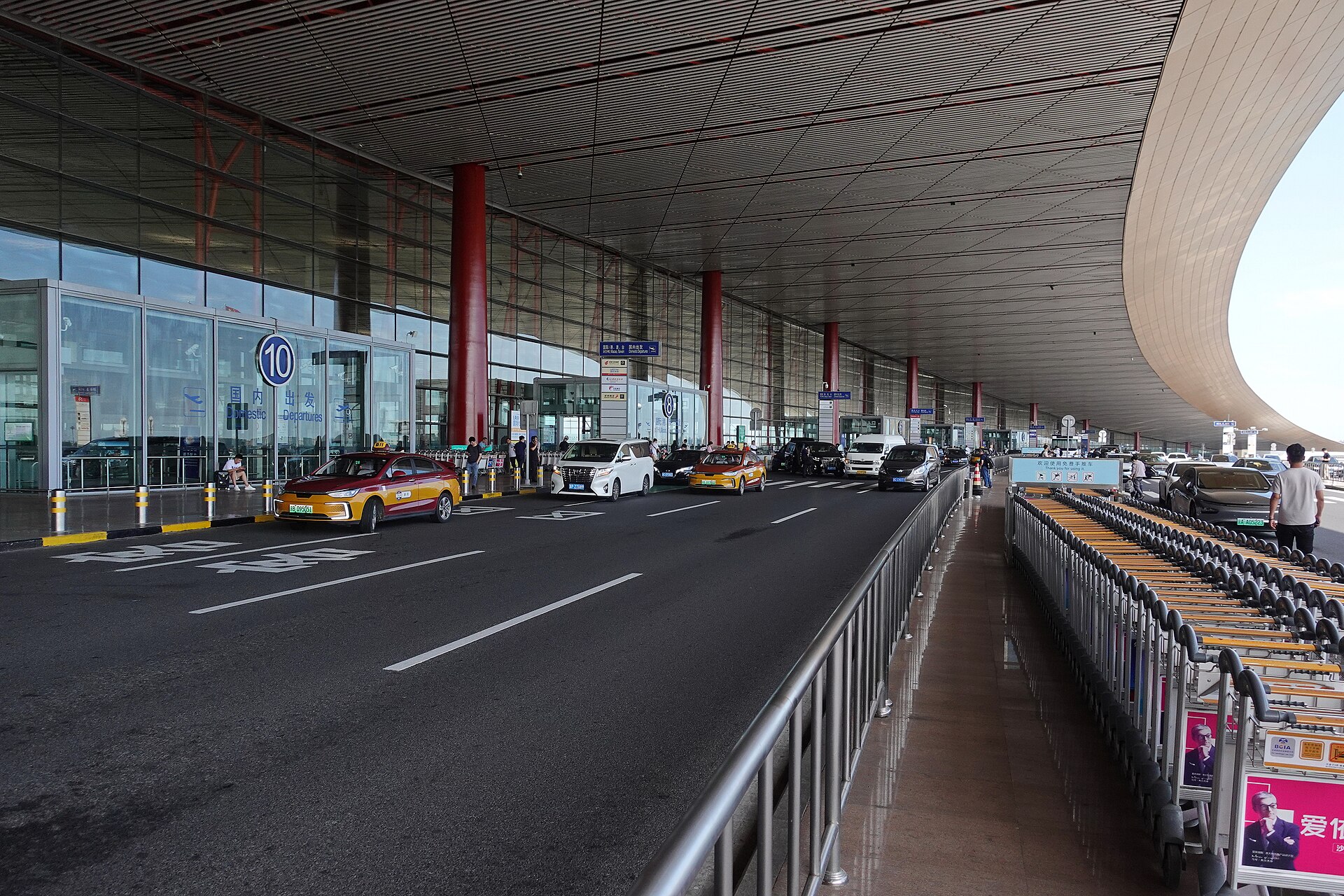
The US now warns Americans about wrongful detention in China. On Oct 19, 2026, the State Department updated its China travel advisory. It added a new warning mark.
The overall level stays at Level 2, "exercise increased caution."
What happened
The US State Department reissued its China travel advisory on Oct 19, 2026. The new version carries a "D" risk indicator, which means wrongful detention. This is the first time China has received this mark.
An update on Sept 4, 2026 did not include it, according to TheTraveler.
China stays at Level 2, which means "exercise increased caution." The new mark does not raise the level. It sharpens the warning about the risks on the ground.
The advisory now reads: "Exercise increased caution in mainland China due to the arbitrary enforcement of local laws, the use of exit bans without a fair and transparent process under the law, and the risk of wrongful detention." That text comes from the State Department's own travel advisory page, reported by TheTravel.
Fox News reported a stronger line from the October 19 advisory. The advisory says the Department of State has found that Americans face a serious risk of wrongful detention by the Government of China.
People who are detained could spend years behind bars. They may have limited contact with family or US officials.
The advisory history shows China has moved levels before. In Nov 2024, China moved from Level 3, "reconsider travel," down to Level 2. Level 1 and Level 2 advisories are reviewed once a year.
Level 3 and Level 4 advisories are reviewed at least every six months.
Why it matters
The warning matters because the risk is not only about prison. It also covers exit bans and monitored communications.
Chinese authorities have used exit bans during investigations and business or civil disputes. Some bans have lasted for years. Officials warn there may be no clear way to challenge them in court.
Some travelers learn about an exit ban only at the airport, according to Fox News.
The advisory also warns that emails, texts, and social media may be watched. "Assume that China's security services can read your emails, texts and social media posts if you send them to or from China," the Oct 19 advisory states. Some people have been detained or deported over private messages critical of Chinese authorities.
That happened even when the messages were sent outside China.
Travel activities that are harmless in the West may be treated as crimes in China. China's security laws are broad. The advisory tells travelers to be aware of this gap.
Routine behavior at home can draw scrutiny. This can happen if it touches national security, state secrets, or public order.
The warning follows real cases. Earlier this year, Min Zin was wrongfully detained in China, according to NBC News. Min Zin is an American scholar.
A State Department spokesperson told TheTravel the government is "committed to securing the release of Youlin Chen, Min Zin, and all Americans wrongfully detained overseas."
Research backs the concern. A 2024 study by the Foley Foundation found China surpassed Russia in wrongfully detaining Americans. China had 8 verified detainees in 2024. Russia had 5.
China is not the only country with the "D" mark. The US issued a similar warning for Iran in February. Iran sits at Level 4, the do-not-travel tier.
Afghanistan, Eritrea, and Nicaragua also carry the mark.
China's response has been firm. Chinese Foreign Ministry spokesperson Lin Jian called the US wrongful detention order "ill-motivated."
He said it "paints a wrong picture" of China. He insisted China protects foreign visitors, travelers, and business people.
What it means for your trip
For now, the US is not telling Americans to cancel travel to China. Level 2 means the government is not broadly recommending against travel. That differs from Level 3 or Level 4 countries.
But the warning changes how travelers should prepare. The State Department urges Americans to enroll in STEP. That is the Smart Traveler Enrollment Program.
It helps the US embassy contact you in an emergency.
Travelers should also register for email updates from the local US embassy. They should review global news before they go. Keep copies of your passport and visa where family can reach them.
Losing a passport abroad can turn a bad situation into a much worse one.
A travel expert spoke to Fox News. He said travelers should strip their phone to the basics. Leave confidential information at home.
Be careful with photos near law enforcement. Unexpected roaming charges are the least of your worries. Still, a clean, simple phone setup helps on every front.
New risk marks can appear at any update. So check the advisory again before you depart. Check your passport validity before any international trip.
Make sure it covers your full stay.
The State Department can revise the advisory again at any time. Check the latest advisory on the State Department website before you book or fly. For now, China remains open to US travelers, but with a sharper warning than before.
Related stories

The 3-1-1 liquids rule for planes: what each number means
TSA's 3-1-1 rule limits carry-on liquids to 3.4-ounce containers in one quart bag. Where the 2006 rule came from, what counts, and how

Why Is Airplane Food So Bland at Altitude?
A 2010 Fraunhofer study found altitude cuts sweet and salty perception by up to 30 percent. Low humidity, cabin pressure, and noise all
Carry-on size limits: why airlines each set their own
Airlines set their own carry-on limits because the FAA only requires each carrier to have a policy, not one global size. Why 22 x 14 x