
Why You Have to Use Airplane Mode on Phones During Flights
Key takeaways
- The original 1991 ban on in-flight phones came from the FCC to protect ground cell networks, not because phones were crashing planes.
- FAA studies, including a 1992 RTCA investigation, never found conclusive evidence that phones interfere with aircraft systems, but the precautionary rule stayed.
- In the US, airplane mode remains mandatory, while Europe now permits normal phone use with onboard picocell systems.
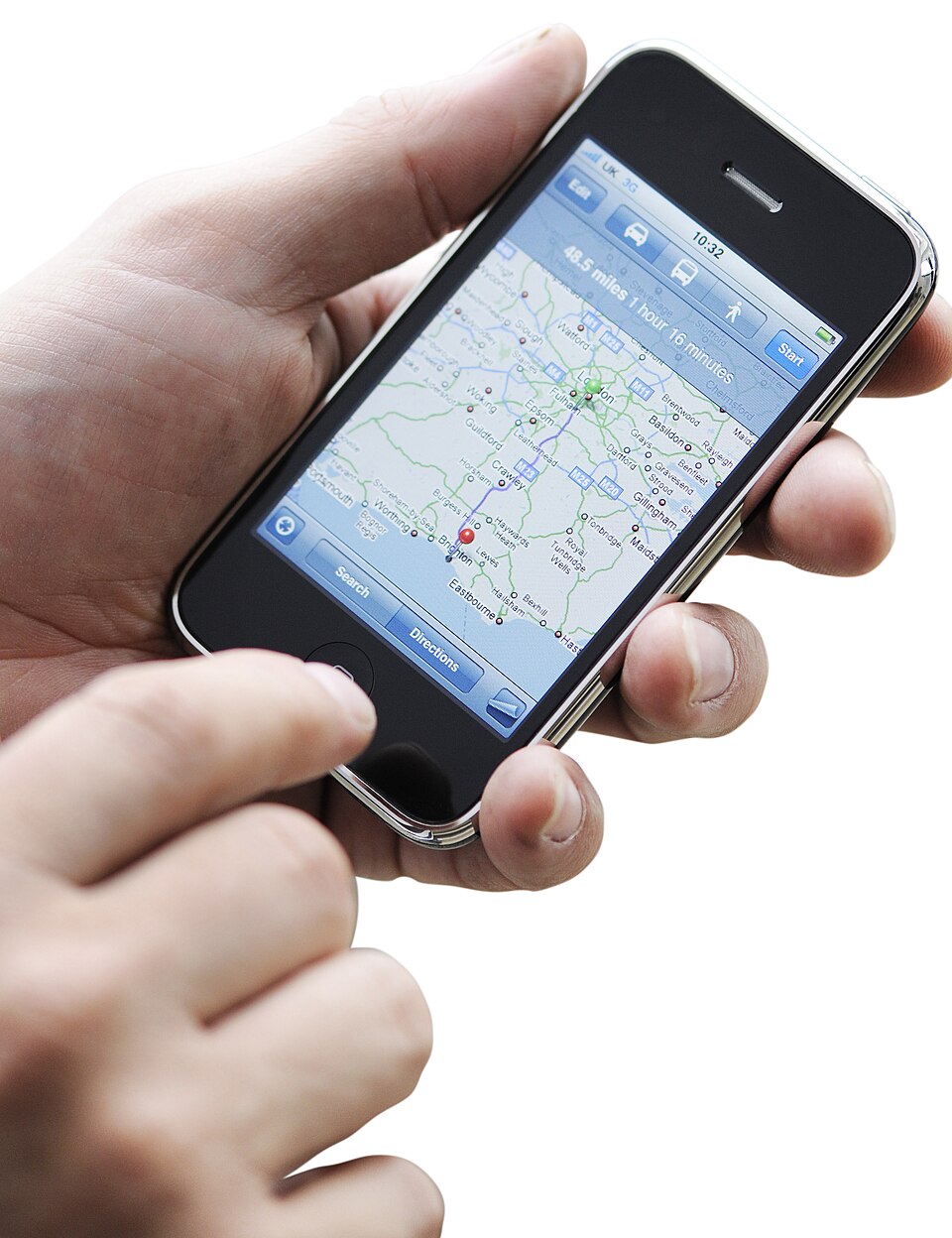
A smartphone. Airplane mode shuts down its cellular, Wi-Fi, and Bluetooth radios with a single tap.
Image Credits: Wikimedia Commons
Every flight begins the same way: the crew asks you to switch your phone to airplane mode, and most passengers comply without knowing why. The common story is that a single ringing phone could bring down an airliner.
The real story is stranger and more interesting. It starts with overwhelmed cell towers on the ground, runs through decades of inconclusive science, and ends with a rule that survives mostly on caution.
This article traces the history of the airplane mode requirement, explains what the mode actually does, and looks at where the rules are heading.
What airplane mode actually does
Airplane mode is a single setting that disables all of a device's wireless communications: cellular voice and data, SMS, Bluetooth, and usually Wi-Fi, as Eagle Eye's guide explains. Wi-Fi can typically be re-enabled separately, which is how passengers use airline-provided inflight Wi-Fi while the cellular radio stays off.
The setting arrived with the smartphone era. Before that, phones and other electronics simply had to be switched off entirely for the flight.
In the US and Europe, regulations changed in 2013 to let devices stay powered on as long as they were in flight mode, Simple Flying reports. China only recognized flight mode in 2017, so rules still differ by country.
It started with cell towers, not planes
The surprising part of the history is that the first ban had nothing to do with aircraft safety. In 1991, the Federal Communications Commission banned cell phone use during flights because of interference with ground networks, MotorBiscuit reports, citing Live Science.
In the 1990s, rural cell towers were not built to handle hundreds of phones flying overhead at 500 miles per hour, rapidly hopping from tower to tower. The fear was that airborne calls would overwhelm the networks, not that they would crash planes.
The aviation safety angle came second. The FAA was not taking chances: in 1992 it asked the Radio Technical Commission for Aeronautics to study whether passenger electronics could interfere with aircraft systems.
The RTCA found no evidence of interference but still recommended banning devices during takeoff and landing, just in case, according to MotorBiscuit. Boeing investigated crew reports of autopilot disconnects and instrument glitches linked to passenger devices, but could not replicate any of them in lab tests.
There was also an earlier precedent. The FAA had implemented a ban back in 1961 on certain radio receivers after finding that strong FM radio transmissions could disrupt aircraft navigation communications, Eagle Eye notes. The instinct to keep transmitters away from the cockpit predates the cell phone by decades.
So the rule rests on two pillars: a proven problem for ground cell networks, and an unproven but plausible concern about avionics. Aviation, as Simple Flying puts it, is an industry that errs on the side of caution, and the precautionary ban stuck.
Why the rule survives today
By the 2000s, both aircraft and cell networks had improved considerably. The FCC briefly considered lifting the ban in 2006 but decided there was not enough evidence to declare it safe, MotorBiscuit reports. Studies even showed passengers were already making one to four calls per flight, rules or not.
The newest wrinkle is 5G. Aircraft radio altimeters, which measure height above the ground during descent and landing, operate in frequency bands adjacent to some 5G allocations.
Signals from ground 5G antennas near airports raised concerns about interference with those altimeters, Simple Flying explains. Airlines have responded by rolling out altimeters hardened against 5G interference, but the episode refreshed regulators' appetite for caution.
In the United States, the FAA's official policy is that devices must be used in airplane mode or with the cellular connection disabled while airborne, and the FCC's ban on in-flight voice calls still stands, Eagle Eye reports. Attempts to lift the call ban have met fierce opposition, driven as much by cabin-noise and behavior concerns as by safety. The European Union, meanwhile, has updated regulations to allow normal phone use through onboard picocell systems that route calls via the aircraft's own connection.
No aviation accident has ever been definitively attributed to a passenger's phone. Pilot Gary Coxe made headlines stating that skipping airplane mode causes "not a darn thing" for flight safety, as cited by Republican Press. The honest position is the industry's own: the risk is unproven, the caution is deliberate, and the rule is the rule.
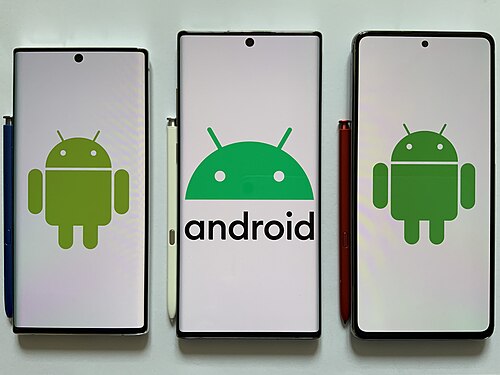
An Android phone. Modern regulations let devices stay powered on in flight mode; the cellular radio is what must stay off.
Image Credits: Wikimedia Commons
The practical reasons to comply anyway
Beyond regulations, airplane mode has genuine side benefits. A phone straining to reach distant towers at 35,000 feet boosts its transmit power and drains its battery fast; airplane mode stops that futile searching. It also keeps you from landing with a dead battery and a stack of roaming surprises.
And there is a simpler reason: refusing a crew instruction about electronic devices can get you fined or removed from the flight. The biggest risk of skipping airplane mode today, as MotorBiscuit jokes, is getting into it with your flight attendant. Compliance costs nothing; defiance can cost you the trip.
Frequently asked questions
Will my phone crash the plane if I forget airplane mode?
There are no known cases of a mobile device causing an accident, and studies have never proven interference with aircraft systems. Forgetting once is extremely unlikely to cause harm, but the rule exists as a precaution and you should still comply.
Why was airplane mode invented in the first place?
The 1991 FCC ban that started it all was meant to protect ground cellular networks from hundreds of fast-moving airborne phones overwhelming rural towers. Aircraft interference concerns were added later as a precautionary measure.
Can I use Wi-Fi in airplane mode?
Yes, on most devices you can re-enable Wi-Fi while staying in airplane mode. That is how airline inflight Wi-Fi works: the cellular radio stays off while Wi-Fi connects to the aircraft's own system, generally permitted above 10,000 feet.
Is airplane mode still required in Europe?
European regulations have evolved further than American ones. The EU now permits normal phone use, including calls, through onboard picocell systems. In the US, the FAA and FCC requirements remain in force.
Does 5G make airplane mode more important?
5G raised fresh concerns about interference between ground antennas and aircraft radio altimeters during landing. Airlines are deploying protected altimeters, but regulators have kept the airplane mode requirement as a precautionary measure while the transition continues.
The bottom line
Airplane mode exists because of a 1991 problem with ground cell towers, reinforced by decades of better-safe-than-sorry aviation culture. The science never proved phones endanger aircraft, and it never fully cleared them either. Until regulators see conclusive proof of safety, the little airplane icon stays on, and honestly, your battery will thank you.
Latest in Travel
- Why your ears pop on planes and how to stop it.
- Packing for the flight: the 3-1-1 rule for liquids on planes.
- Why airport codes look nothing like city names.
- Why passports come in different colours and what they signal.
Subscribe to the Rive News newsletter for one practical travel explainer every morning.
Related stories

The 3-1-1 liquids rule for planes: what each number means
TSA's 3-1-1 rule limits carry-on liquids to 3.4-ounce containers in one quart bag. Where the 2006 rule came from, what counts, and how
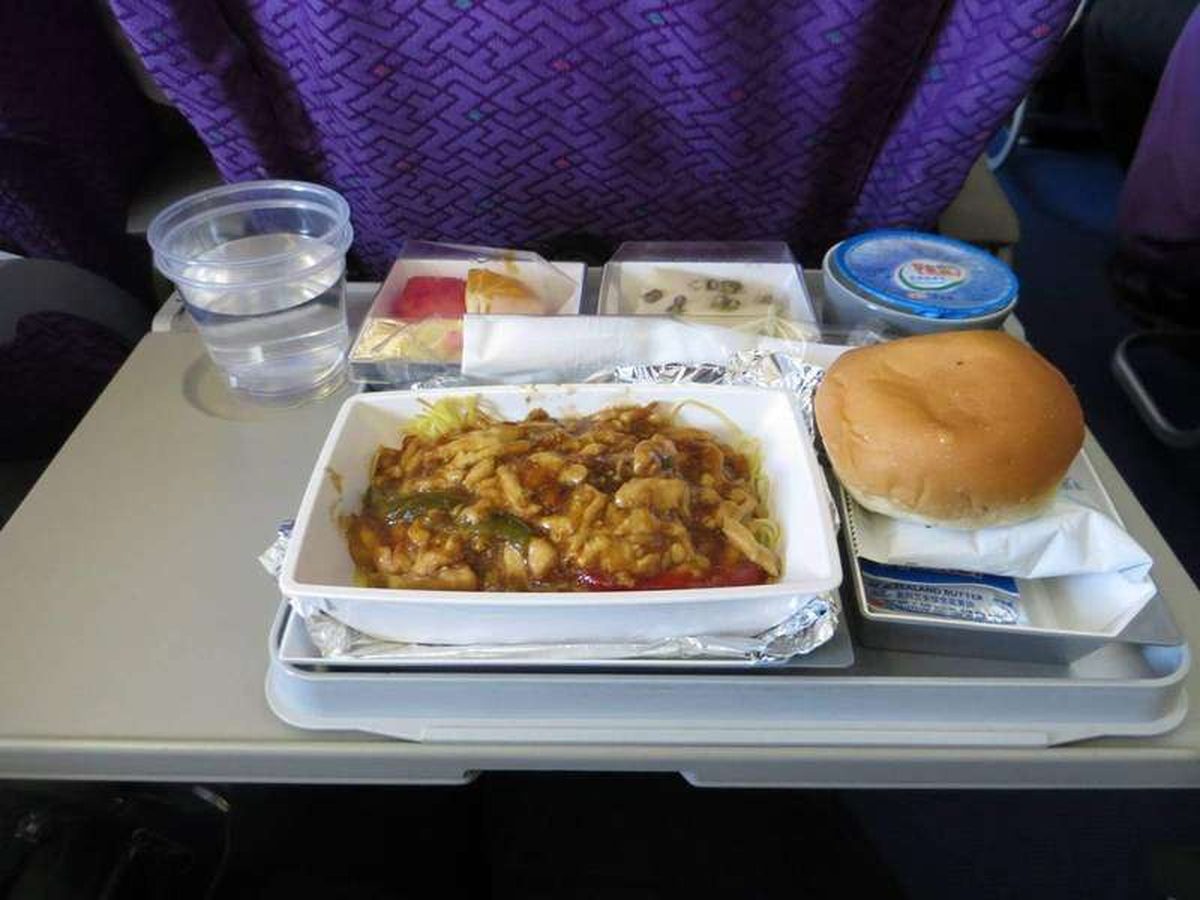
Why Is Airplane Food So Bland at Altitude?
A 2010 Fraunhofer study found altitude cuts sweet and salty perception by up to 30 percent. Low humidity, cabin pressure, and noise all
Carry-on size limits: why airlines each set their own
Airlines set their own carry-on limits because the FAA only requires each carrier to have a policy, not one global size. Why 22 x 14 x