
What Is the Best Way to Handle a Language Barrier While Travelling?
Key takeaways
- Learn a handful of local phrases before you go, since effort earns patience and goodwill.
- Set up a translation app with offline language packs before departure, not at the airport.
- Keep sentences short, point and show, and stay calm when the first try fails.
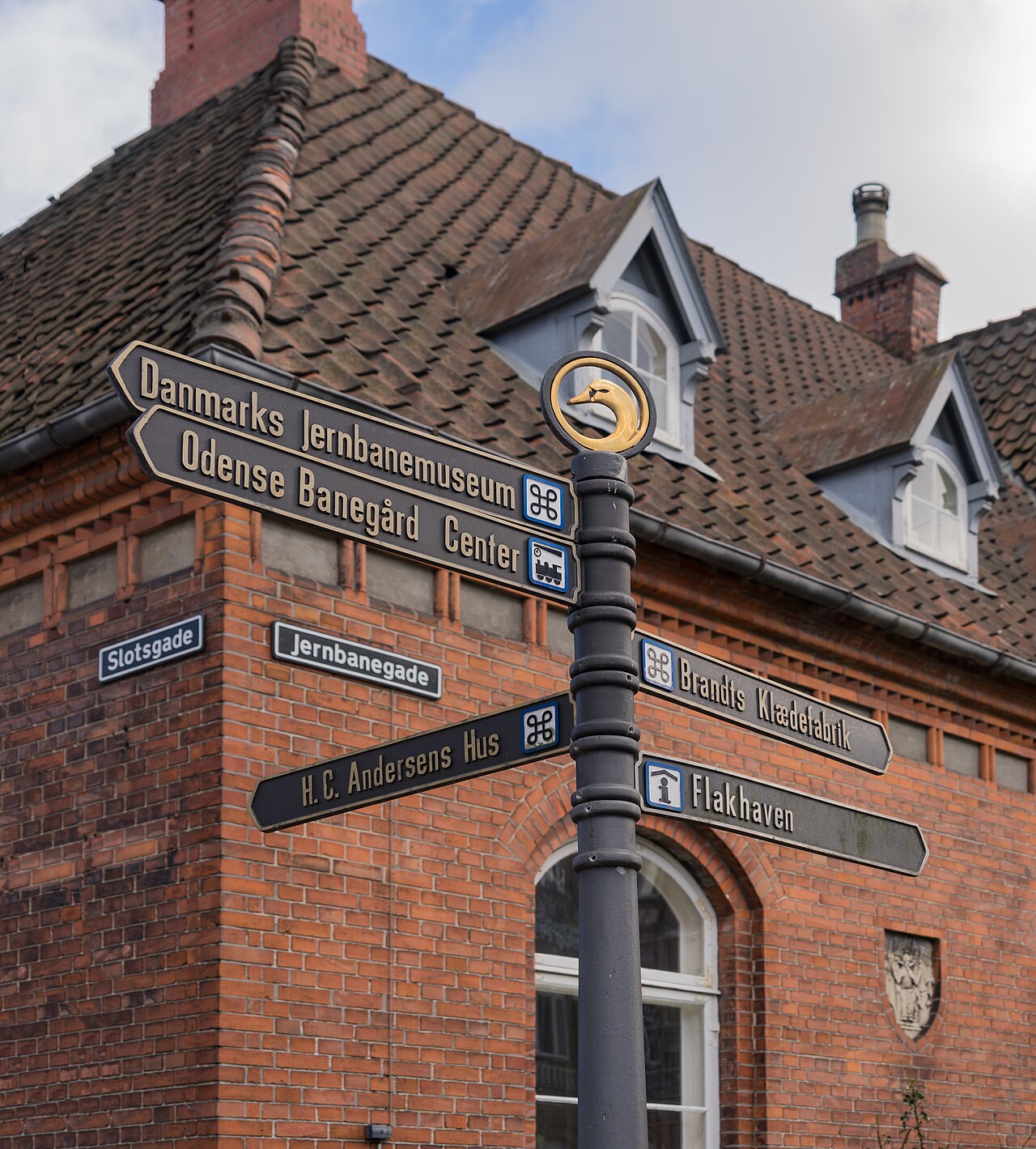
The best way to handle a language barrier while travelling is to combine three tools: a few phrases in the local language, a translation app set up before you leave, and simple visual backup. No single tool covers every situation. Phrases open doors, apps handle detail, and pointing plus patience carry the moments when both fall short.
A language barrier feels bigger than it is. Most travel exchanges are short and concrete: a room, a ticket, a meal, a direction. You do not need a conversation.
You need one clear request and one clear answer.
This article explains how to prepare before departure, how to use translation tools well, how to communicate without shared words, and what to do when nothing seems to work.
Learn a few phrases before you go
Start with the phrases that travel runs on. Hello, please, thank you, excuse me, yes, no, how much, where is, and I would like. Add the phrases for your own needs: an allergy, a dietary rule, or a medical note.
Ten phrases cover most of a trip.
Effort matters more than accuracy. Evendo's travel guide makes the point plainly: making an effort to learn a few basic phrases shows respect and a willingness to connect with the local culture. Locals often respond with extra patience when they see a visitor trying, even when the pronunciation is rough.
Practice out loud, not just on screen. Say each phrase until it feels automatic, because a phrase you can only read will not help at a busy counter. Language apps like Duolingo or Babbel can drill the basics, and a phrasebook gives you a quick reference on the road.
Save your hotel address in the local script. Travel Herstory recommends screenshotting key translations, especially "your hotel address written in the local script," so you can show it to a taxi driver without wrestling with pronunciation after a long travel day. Save the same trick for your embassy address and any allergy wording.
Write your phrases on a card as well as on your phone. A card works when your battery dies, when rain makes a screen unreadable, or when a guard at a gate will not let you hold up a phone. Paper is the cheapest backup in travel.
Set up your translation app before departure
Download your translation app and its offline language packs before you leave home. Travel Herstory calls this the single step to take from its guide: prepare the app by downloading languages before you leave your country, because most people skip it and regret it when they stand somewhere with no Wi-Fi and no data.
Google Translate is free on iOS and Android, and its web version needs no account. Once a language pack is downloaded, text translation works with no connection. That covers typed messages, copied booking emails, and short phrases you need on the spot.
The camera feature translates signs, menus, and labels by pointing your phone at them. The original text is replaced on screen with the translation, which makes a foreign menu readable in seconds. This feature needs a data connection or Wi-Fi, so it is not the tool to count on in a dead zone.
Live Translate handles two-way spoken conversation. Each person takes turns speaking, and the app translates aloud. It also needs a connection.
Voice translation works the same way: speak, and the app turns your words into text and speech in the other language.
Know the limits. Translation apps handle short, concrete sentences well and struggle with idioms, jokes, and complex grammar. Do not use them for formal documents, medical consultations, or legal matters.
In those cases, find a human interpreter or a professional translation service.
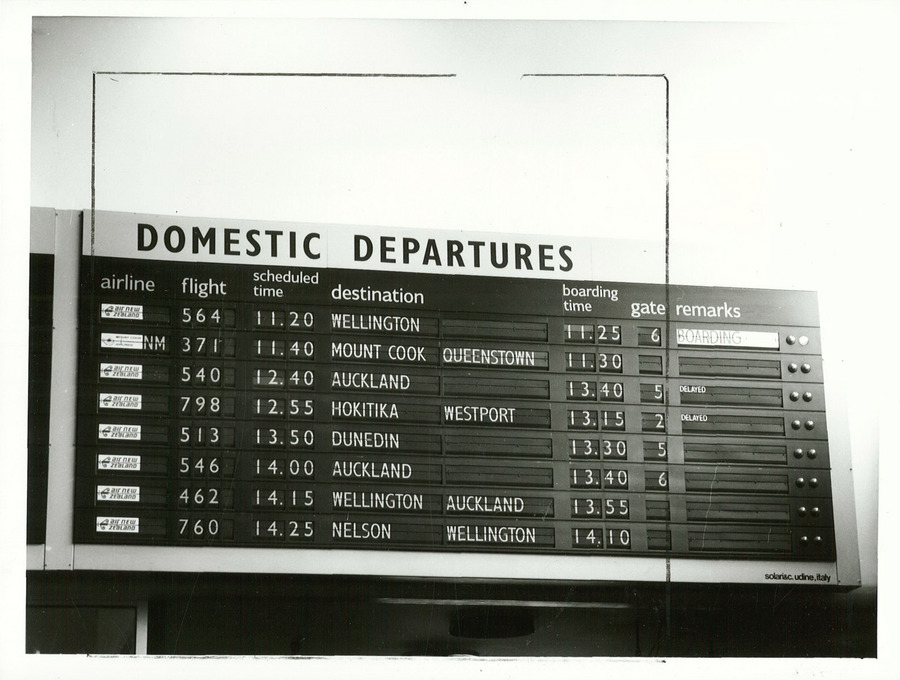
Communicate without shared words
Short sentences travel best. Speak slowly, use one idea at a time, and skip slang, idioms, and long clauses. "Two tickets to the station, please" beats a full paragraph of explanation.
Pause after each sentence so the other person can respond.
Point and show. Hold up the item, point at the menu line, or show the photo of the place you want. Numbers are easier written than spoken, so type a price or a time on your phone screen or write it on paper.
A map pin on your phone settles a destination faster than any sentence.
Gestures help, but they are not universal. A nod means yes in many places and no in a few. A thumbs-up is friendly in some countries and rude in others.
Use calm, open gestures, and watch how locals respond rather than assuming your own gestures translate.
A notebook and pen earn their weight. Draw a simple map, sketch a bus, or write down a number when speech fails. Mentalitch's travel guide recommends visual aids and flashcards for exactly these moments, since a picture can carry meaning where words cannot.
Smile and stay patient. Frustration makes every exchange harder, and raising your voice does not make a foreign language clearer. A calm tone and a smile signal that you are asking for help, not making a demand.
Most people respond to that.
Ask for help in the right places
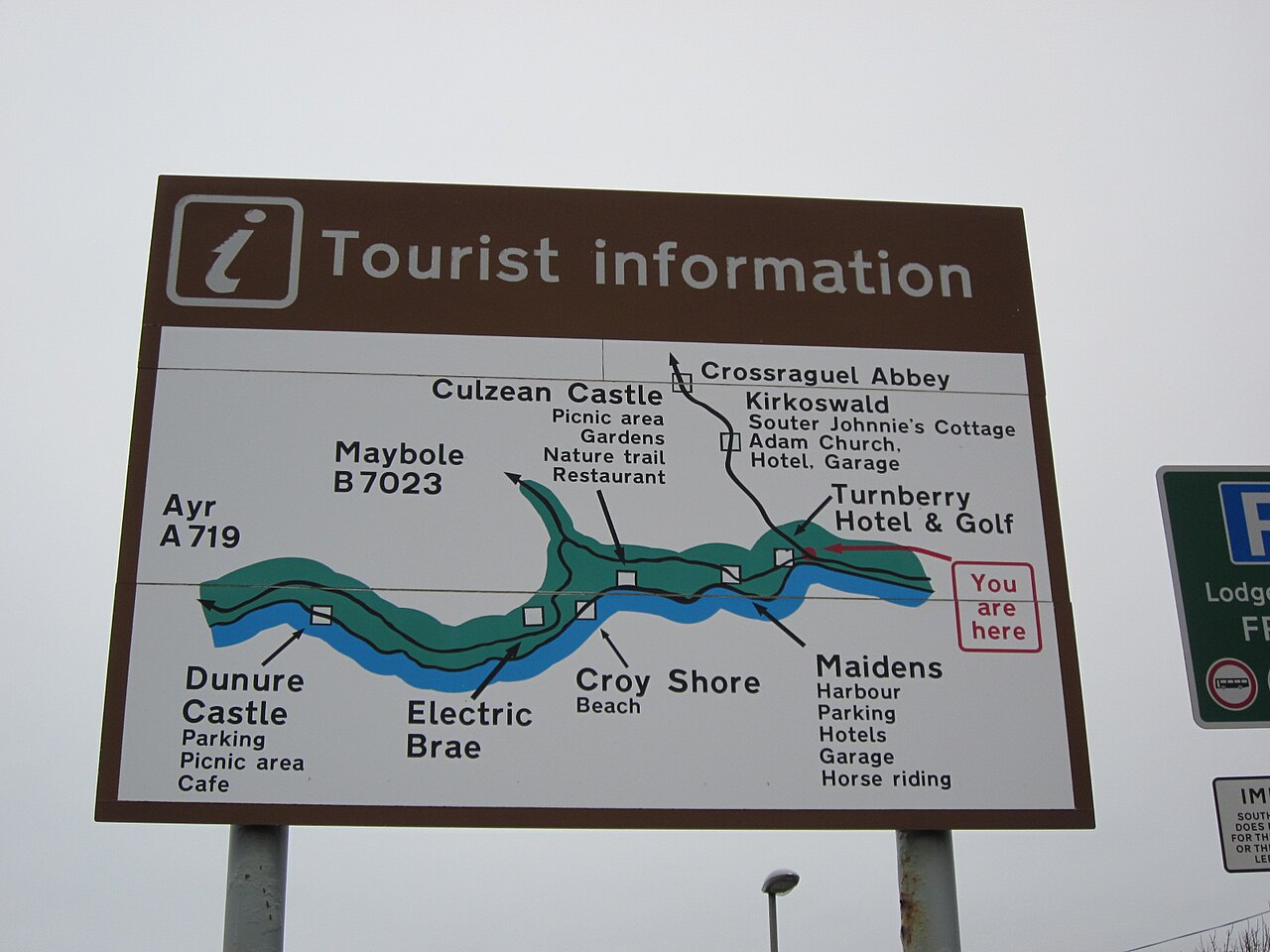
Tourist information offices are built for this problem. Staff there answer the same questions all day, often in several languages, and they can write down directions in the local language for you to show a driver. Hotels work the same way: ask the front desk to write down your destination, your return address, or a question in the local script.
Other travellers are a resource too. A hostel common room or a tour group usually holds someone who speaks both languages. Asking a fellow traveller for a two-minute translation is normal, and many people enjoy helping.
When the stakes are high, pay for a professional. A hospital visit, a police report, or a contract needs a real interpreter, not an app. Your hotel or embassy can usually point you to one.
The cost is small next to the risk of a mistranslated medical or legal detail.
If you are travelling with children, keep the plan simple. Agree on a meeting point, carry the hotel address in the local script, and teach children to show the card to a shopkeeper or police officer if they get separated. A written card works when a frightened child cannot remember a phrase.
What to do when nothing works
Step back and simplify. Drop your request to its shortest form. Instead of explaining a route, show the address.
Instead of describing a dish, point at it. Most failures come from sentences that are too long, not from a total lack of language.
Switch channels. If speaking fails, try typing. If typing fails, try the camera on a sign.
If the app fails, try paper. Each channel has its own failure mode, so changing the channel often fixes the exchange.
Accept a partial answer. A nod toward a street and a finger pointing left may be all you need. Travel communication is not a test.
Getting there counts, even if the grammar never arrives.
Keep your sense of humor. A garbled translation or a wrong turn is a story later, and the people who tried to help usually remember your patience better than your pronunciation. The barrier is a puzzle, and puzzles get solved one small step at a time.
The same preparation habit pays off in other parts of a trip, such as knowing how to deal with lost luggage and compensation before it happens.
Should I learn the language before travelling?
You do not need fluency. A handful of phrases plus a translation app covers most trips. For a long stay, a basic course pays off, since daily life needs more than tourist exchanges.
Which translation app is best for travel?
Google Translate is the common pick because it is free, works offline with downloaded packs, and covers text, camera, voice, and live conversation. Microsoft Translator and DeepL are also useful. Pick one before departure and learn its buttons at home.
How do I handle a language barrier with no internet?
Use downloaded offline language packs for text translation, and carry a paper phrasebook plus your hotel address in the local script. Offline packs do not cover camera or live conversation, so paper backup matters in dead zones.
Is it rude to use a translation app in front of someone?
No, as long as you are polite about it. Start with a greeting in the local language, then show the app. Most people see the app as a sign of effort, not rudeness.
The bottom line
A language barrier is a logistics problem, not a wall. Learn ten phrases, download your offline language packs before departure, keep sentences short, and carry paper backup for the moments when screens fail. When the stakes are high, find a human interpreter.
The rest of the time, patience and a pointed finger will carry you most of the way. Before your next trip, also check how to avoid roaming charges while travelling internationally, since translation features work best with a connection you can afford.
Tags: travel, language, translation apps, tips
Latest in Travel
- How to Deal With Lost Luggage and Compensation
- How to Avoid Roaming Charges While Travelling Internationally
- How to Stay Safe in a Hotel Room as a Solo Traveller
Subscribe to the Rive News newsletter for one practical explainer each week.
Related stories

The 3-1-1 liquids rule for planes: what each number means
TSA's 3-1-1 rule limits carry-on liquids to 3.4-ounce containers in one quart bag. Where the 2006 rule came from, what counts, and how

Why Is Airplane Food So Bland at Altitude?
A 2010 Fraunhofer study found altitude cuts sweet and salty perception by up to 30 percent. Low humidity, cabin pressure, and noise all

Carry-on size limits: why airlines each set their own
Airlines set their own carry-on limits because the FAA only requires each carrier to have a policy, not one global size. Why 22 x 14 x