
How to deal with lost luggage and get compensation
Key takeaways
- Report a missing bag to the airline before you leave the airport, and get a copy of the report.
- Keep every receipt for essentials you buy while the bag is missing.
- Airlines must refund the bag fee for a lost bag, and pay up to $4,700 domestic or 1,519 SDR international.
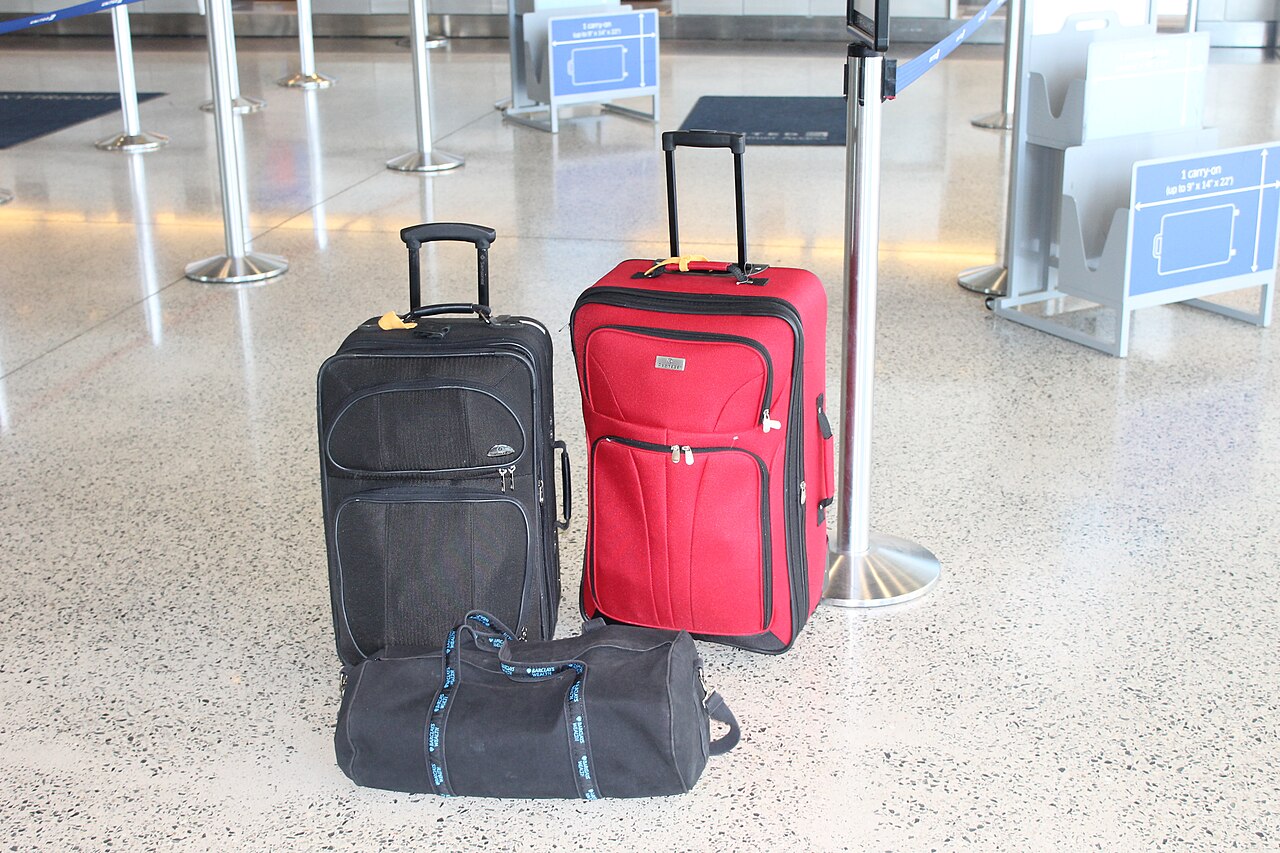
You watch the carousel until it stops. Everyone else has a bag, and you do not. Lost luggage is stressful, but it is also a process with rules, deadlines, and money attached.
The airline owes you specific things, and your job is to trigger them in the right order.
This article explains how to deal with lost luggage and get compensation, including the airport report, the waiting period, the claim, and the liability limits. It covers United States rules and the Montreal Convention for international flights.
Step 1: Report the bag before leaving the airport
Go to the airline's baggage desk before you leave the airport. Do not assume the bag will turn up on its own, and do not leave without a report. The US Department of Transportation (DOT) advises passengers to report a missing bag to airline staff before leaving the airport, and to insist that a report is created.
Get a copy of the report and a reference number. Ask for a phone number for follow-up, and confirm how the airline will deliver the bag when it is found. Ask whether delivery is free.
Keep the baggage claim tags you received at check-in, since you may need them to prove the bag was checked.
This report is the foundation of everything that follows. Without it, the airline can argue that you never told them the bag was missing. With it, the clock starts on their duty to find the bag and pay your expenses.
Step 2: Know the difference between delayed and lost
A delayed bag is missing for now. A lost bag is one the airline has given up finding. Most bags are delayed, not lost, and the DOT notes that the vast majority of delayed bags turn up within a few days, often on the next flight.
Airlines differ on when they declare a bag lost. The DOT states that most airlines will declare a bag lost between five and fourteen days after the flight. The exact window depends on the airline and the itinerary.
That distinction matters for money. While the bag is delayed, you claim the cost of essentials you had to buy. Once the bag is declared lost, you claim the value of the bag and its contents, up to the liability limit.
Both claims need receipts and a paper trail.
Step 3: Buy only what you need, and keep receipts
While the bag is missing, the airline must compensate you for reasonable, verifiable, and actual incidental expenses. The DOT uses exactly those words: reasonable, verifiable, and actual. Toiletries, underwear, and a change of clothes are the classic examples.
The DOT also blocks a common airline trick. Airlines are not allowed to set an arbitrary daily amount for interim expenses. An airline cannot, for example, cap you at $50 per day as a flat policy.
Your real, reasonable expenses are what count, subject to the overall liability limit.
Keep every receipt. Photograph each one with your phone as a backup. Note what you bought and why you needed it.
A claim without receipts is a claim the airline can trim or deny.

Step 4: File the written claim on time
The airport report is not the claim. After the trip, file a written claim with the airline for your expenses and losses. Do it promptly, and keep a copy of everything you send.
For international flights, the Montreal Convention sets deadlines for written protests, including 21 days for delayed baggage claims. Missing a deadline can end your right to compensation, so treat the claim like a bill with a due date. For domestic flights, follow the airline's claim process and keep proof of when you filed.
List the contents of the bag in detail. Include brands, ages, and approximate values. Airlines consider the depreciated value of your possessions, not their original price or replacement cost, according to the DOT.
A five-year-old suitcase is not worth its purchase price, and the airline will say so.
How much you can claim
Liability limits cap what the airline must pay. For domestic flights within the United States, the DOT states that the maximum liability amount allowed by regulation is $4,700 per passenger. Airlines may pay more, but they are not required to.
For most international flights, the Montreal Convention applies. The DOT states that the maximum baggage liability under the Montreal Convention is currently 1,519 Special Drawing Rights, approximately $2,175 US, per passenger. A Special Drawing Right is an IMF unit of account, and its dollar value moves with exchange rates.
These are ceilings, not flat payments. If your proven loss is below the ceiling, you get the proven loss. If it is above the ceiling, you get the ceiling, unless you declared excess value at check-in and paid a fee.
Get the bag fee refunded
Many travelers miss this one. If you paid a fee to check a bag that was lost, the airline must refund that fee. The DOT states that airlines must refund fees charged to transport a bag that was lost.
A bag fee refund also applies to a significantly delayed bag. For domestic flights, a bag counts as significantly delayed if it is not delivered within 12 hours after your flight has arrived. For international flights, the threshold is 15 hours for flights of 12 hours or less, and 30 hours for longer flights.
File a mishandled baggage report at the airport to start this process. The DOT encourages filing the report as soon as you learn the bag did not arrive. Once the delay becomes significant, the bag fee refund should be issued automatically.
What airlines will not pay for
Airlines often exclude certain items in their contracts of carriage, such as fragile items, electronics, cash, and perishables. For domestic travel, airlines are not required to compensate for items they excluded in the contract. For international travel, the airline remains responsible for excluded items it accepted for transport.
Airlines will not pay for spoilage caused by a delay. If you checked fresh food and it went bad because delivery was late, that loss is on you. The DOT also notes that airlines will not reimburse for pre-existing damage to a bag, or for damage caused by improper packing.
Carry valuables, medicine, keys, passports, and irreplaceable items in your hand luggage. The DOT's packing advice is blunt: keep small valuables, critical items, and irreplaceable items out of checked bags. A bag that never arrives cannot take your passport with it if the passport is in your pocket.
Prevent the next loss
Label every checked bag inside and out with your name, phone number, and email address. The DOT notes that almost all delayed bags turn up eventually, and proper labeling helps the airline contact you and return the bag.
Avoid last-minute check-in. The DOT warns that even if you make the flight, your bag may not. Nonstop flights are safest for bags, followed by direct flights, then connections on one airline, then connections across airlines.
Each handoff is another chance for the bag to go astray.
Remove old routing tags and loose straps from your bags. Old tags can send a bag to the wrong destination, and loose straps can catch in baggage machinery. A bright strap or tag that is unique to you helps you spot the bag on the carousel and helps others return it if it goes astray.
Frequently asked questions
How long does an airline have to find my bag?
Most airlines declare a bag lost between five and fourteen days after the flight, according to the DOT. The exact window varies by airline and itinerary.
Will the airline pay for a new suitcase?
If the bag is declared lost, the airline pays the depreciated value of the bag and its contents, up to the liability limit. You will not get the new retail price for a used bag.
What if the airline refuses my claim?
Escalate in writing to a supervisor, and cite the DOT rules or the Montreal Convention. If that fails, file a complaint with the DOT. Airlines must respond to written consumer complaints.
Does travel insurance help with lost luggage?
Yes, it can cover the gap above the airline's limit, plus items the airline excludes. Check whether your credit card already includes baggage coverage before you buy a separate policy.
The bottom line
Lost luggage is a process, not a disaster. Report the bag before leaving the airport, buy only the essentials, keep every receipt, and file a written claim on time. The airline must refund the bag fee for a lost bag, and pay up to $4,700 on domestic flights or 1,519 SDR on international flights.
Pack valuables in your hand luggage next time, and label every bag. If the trip also involves a phone, avoid roaming charges while travelling internationally so the baggage mess does not come with a phone bill shock.
Tags: lost luggage, air travel, passenger rights, compensation
Latest in Travel
- Avoid roaming charges while travelling internationally
- Choose a travel backpack that fits airline size limits
- Exchange money abroad without losing money on fees
Subscribe for one practical travel tip each week.
Related stories

The 3-1-1 liquids rule for planes: what each number means
TSA's 3-1-1 rule limits carry-on liquids to 3.4-ounce containers in one quart bag. Where the 2006 rule came from, what counts, and how

Why Is Airplane Food So Bland at Altitude?
A 2010 Fraunhofer study found altitude cuts sweet and salty perception by up to 30 percent. Low humidity, cabin pressure, and noise all

Carry-on size limits: why airlines each set their own
Airlines set their own carry-on limits because the FAA only requires each carrier to have a policy, not one global size. Why 22 x 14 x