
How to Exchange Money Abroad Without Losing Money on Fees
Key takeaways
- Compare every offer to the mid-market rate before you accept it.
- Skip airport and hotel kiosks, where spreads of 10 to 15 percent are common.
- Always pay in local currency and use a card with no foreign transaction fee.
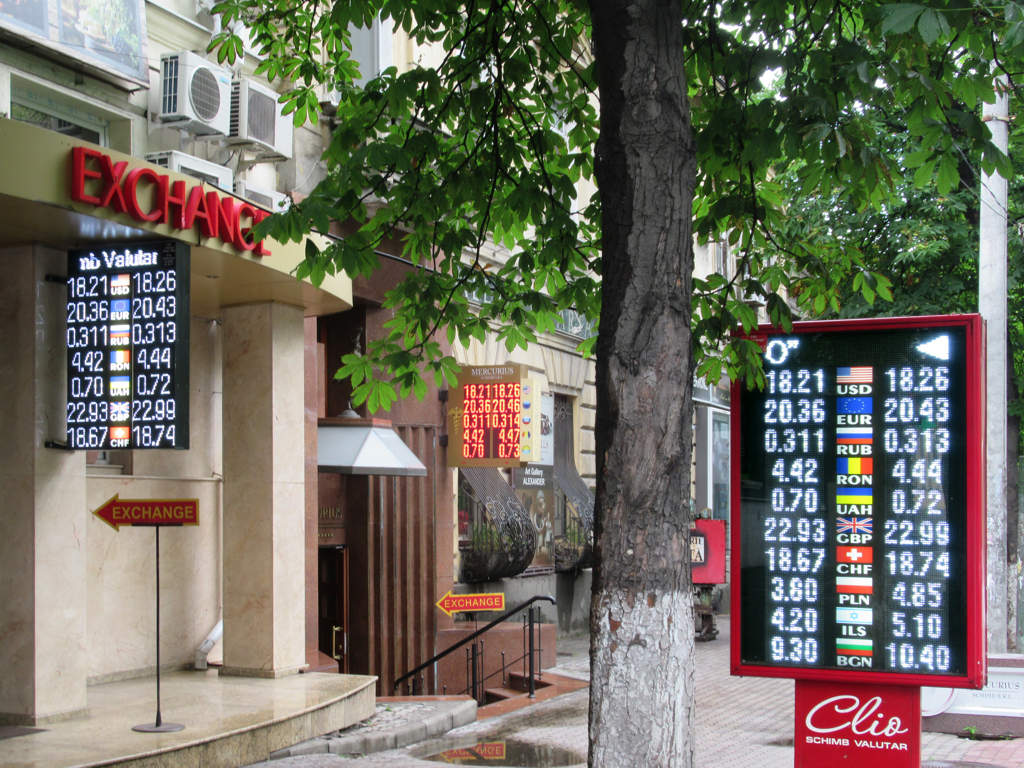
Money changes hands on every trip, and each exchange takes a cut. The rate on the news is not the rate you get at a booth, an ATM, or a card terminal. The gap between the two is where banks, bureaux, and card companies make their money.
The good news is that most of the loss is avoidable. A few habits cover nearly all of it: know the real rate, skip the worst venues, pay in local currency, and carry the right card. None of them takes much effort.
This article explains how to exchange money abroad without losing money on fees, including the mid-market rate, the traps to skip, the best ways to get cash, and a simple plan for a trip.
Start with the mid-market rate
The mid-market rate is the midpoint between the buy and sell prices for a currency pair, with no margin added. Exchange Coin calls it the real rate and advises checking it before you travel so a bad deal stands out at once. If a booth offers 10 percent worse than mid-market, you know to walk away.
Every other rate is the mid-market rate plus a spread. The spread is the profit. It may appear as a fee, a commission, or simply a worse rate.
A booth advertising zero commission still earns its cut through the spread, so always compare the rate itself, not the fee label.
Check the mid-market rate for your destination before you leave. A quick converter search gives you the number in seconds. Write it down or save a screenshot.
When you stand at a counter abroad, that number is your yardstick.
The traps that cost the most
Airport and hotel exchange desks charge the most for convenience. Exchange Coin puts typical airport spreads at 10 to 15 percent. Far and Wide agrees, noting that airport kiosk markups can pass 15 percent.
If you must change money at an airport, change only enough to reach your hotel.
Dynamic currency conversion is the second trap. When a foreign card machine or ATM asks whether you want to pay in your home currency or the local currency, the home-currency option lets the merchant's bank set the rate. Exchange Coin advises declining it and paying in local currency, since your own bank converts at a better rate.
Far and Wide puts the cost of dynamic conversion at 3 to 10 percent worse than the bank rate.
The third trap is the ordinary card with a foreign transaction fee. Far and Wide notes that some cards add 2 to 3 percent to every purchase made outside your home country. That fee stacks on top of any spread, so a card that looks fine at home can quietly cost you on every meal and taxi ride abroad.
Use a no-fee card as your main tool
For most trips, a good card plus a small cash buffer beats carrying lots of pre-exchanged cash. Exchange Coin makes that exact point: several modern debit and travel cards convert close to the mid-market rate with little or no foreign transaction fee.
Before you leave, check your card terms. Confirm that the card charges no foreign transaction fee and no separate currency conversion fee. Tell your bank your travel dates so a sudden block does not strand you.
Carry a backup card from a different network in case one is declined.
Citizen Daily Post points to fee-free travel cards and multi-currency cards as the best option in 2026, since they let you spend in local currency at close to the interbank rate. If your current cards charge foreign fees, opening a no-fee card before a big trip can pay for itself in one journey.
Getting cash without overpaying
Cash still matters for markets, tips, small towns, and places that do not take cards. The cheapest way to get it is usually a bank ATM at your destination, using a debit card with no foreign transaction fee. Citizen Daily Post states the general rule plainly: withdrawing local currency from an ATM at your destination beats exchanging cash at home.
Use ATMs attached to banks, not standalone machines in tourist areas. Bank ATMs charge fewer surprise fees and are less likely to push dynamic conversion on you. Withdraw larger amounts less often, since a flat ATM fee hurts less when spread across one big withdrawal than across five small ones.
Always choose local currency if the machine offers a conversion choice.
Order a small amount of local cash before you leave if it helps you relax. Your own bank or credit union usually offers a fairer rate than a retail exchange shop. Keep that starter amount small, since the best rates wait at your destination.
The same planning habit that helps you avoid roaming charges while travelling internationally helps here: sort the essentials at home, then use local options on arrival.
Compare offers like a local
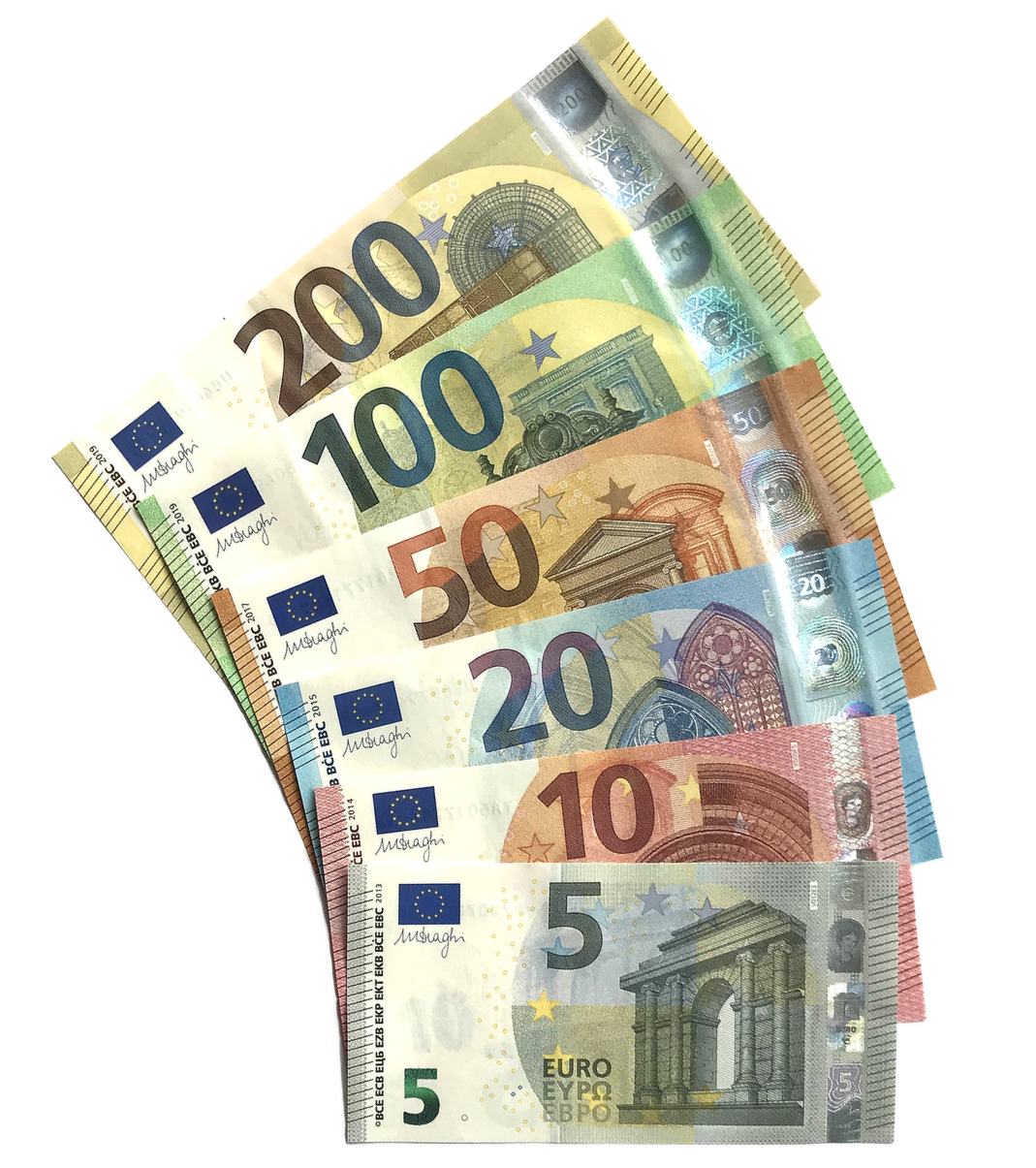
When you do use a bureau, compare two numbers: the rate and the total you receive. Ask how much local currency you get for a fixed amount of your own money, after all fees. That single figure cuts through zero-commission claims and fine print.
Shop around. Rates vary street by street, and a five-minute walk can save several percent. Large, reputable bureaux in city centers usually beat kiosks in tourist zones.
Avoid anyone who will not state the total before the deal.
Count your money at the counter before you walk away. Mistakes and short counts happen, and they are far easier to fix on the spot. Keep the receipt until you are back at your hotel.
If the deal feels rushed or the rate changes mid-count, walk away.
A simple money plan for a trip
A workable plan has four parts. First, get a no-fee card and confirm it works abroad. Second, check the mid-market rate for your destination and save it.
Third, carry a small amount of local cash from home for arrival. Fourth, use bank ATMs at your destination for the rest.
Split your money across two cards and two places. Keep one card in your day bag and the other in the hotel safe. That way a lost wallet or a blocked card does not end the trip.
The same backup thinking applies to documents and bags, which is why a plan for lost luggage compensation belongs on the same pre-trip checklist.
Set a daily cash budget in local currency. Converting every price back to your home currency all day is tiring and leads to sloppy spending. Learn the local prices for a meal, a taxi, and a coffee, and judge costs in those terms.
Your card statement will do the conversion for you later.
What to do if a fee slips through
Check your card statements during the trip, not after. A dynamic conversion charge or a foreign fee shows up within days. If a charge looks wrong, call the card issuer at once and ask whether the merchant applied dynamic conversion.
Some issuers will reverse the markup, and the sooner you report it, the better your chance.
Keep receipts for every cash exchange. If a bureau promised one rate and gave another, the receipt is your evidence for a complaint. In the European Union, consumer centers can help with disputes against traders.
Elsewhere, your card issuer is the main route for card payments, and the local tourist police can help with a cash dispute.
Do not let one bad exchange spoil the trip. Note the lesson, switch to your card and bank ATMs, and move on. The biggest losses come from repeating a costly habit all trip, not from one mistake.
Frequently asked questions
Is it better to exchange money at home or abroad?
For most trips, abroad is better. Home-country banks often offer poor rates and high commissions on foreign currency sales. A bank ATM at your destination, used with a no-fee card, usually gives a rate closer to mid-market.
Bring only a small amount of local cash from home.
What is dynamic currency conversion?
It is an offer to charge your card in your home currency instead of the local currency. The merchant or ATM operator sets the exchange rate, which runs 3 to 10 percent worse than the bank rate, according to Far and Wide. Always choose the local currency option.
Are airport exchange counters really that bad?
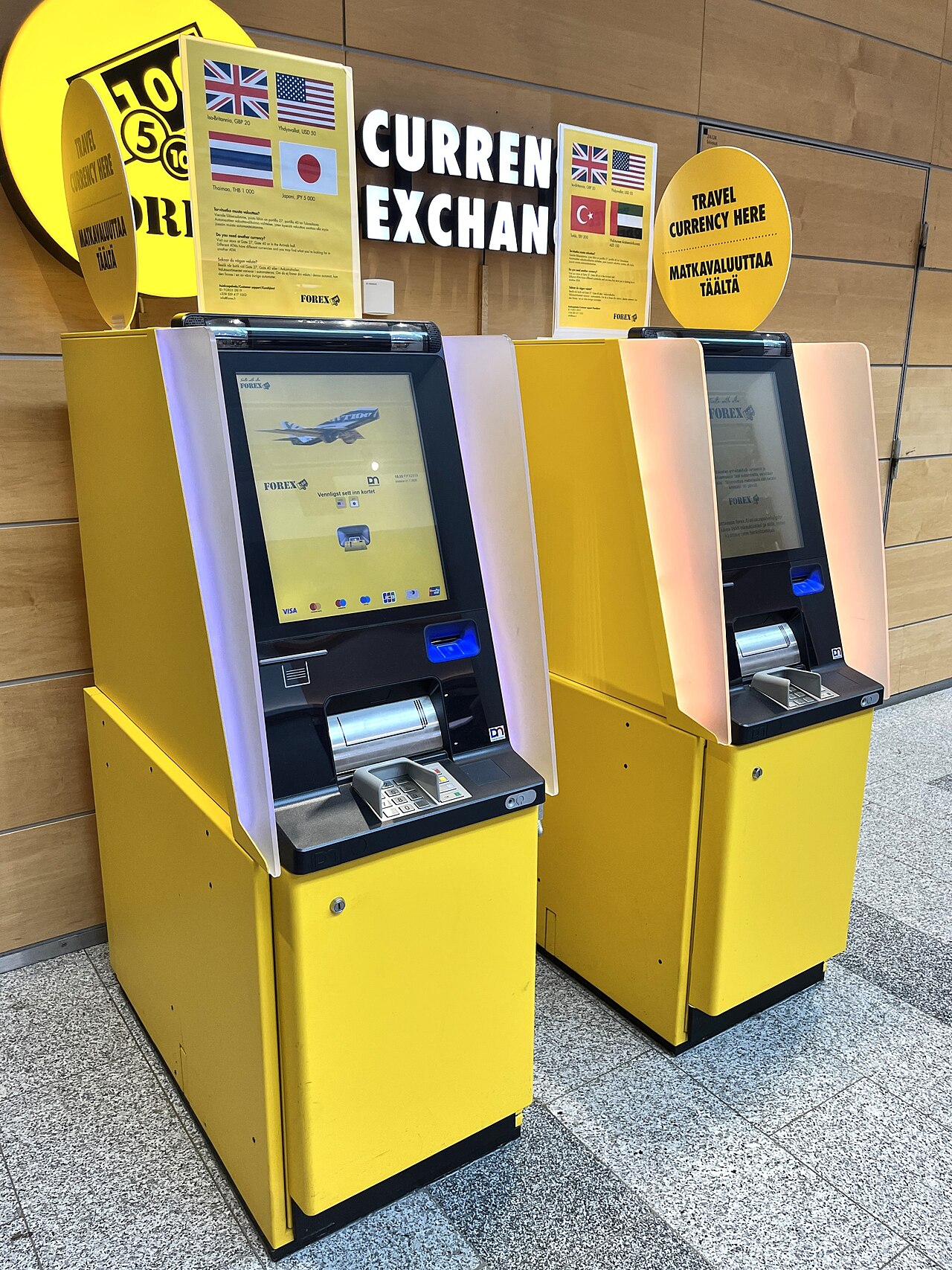
Yes. Airport spreads of 10 to 15 percent are common, per Exchange Coin, and Far and Wide notes markups can pass 15 percent. Change only enough at the airport to reach your hotel, then use a bank ATM or a reputable bureau in town.
Do I still need cash if cards work everywhere?
Carry some. Markets, tips, small shops, rural areas, and transit machines may not take cards. A small cash buffer covers those cases without forcing you to accept a bad rate under pressure.
How do I check the real exchange rate?
Look up the mid-market rate for your currency pair in a converter before you travel and during the trip. Compare every booth, ATM, and card offer to that number. If an offer is more than a few percent worse, skip it.
The bottom line
Losing money on exchange fees is optional. Know the mid-market rate, skip airport and hotel desks, decline home-currency conversion, and pay with a card that charges no foreign transaction fee. Get your cash from bank ATMs in a few larger withdrawals.
That set of habits keeps the spread small on every transaction. Over a two-week trip, the savings can cover a day of meals or a night in a hotel. Plan your money the way you plan your hotel room safety as a solo traveller and your backpack that fits airline size limits: sort it before you go, then enjoy the trip.
Tags: currency, travel money, exchange rate, fees, travel
Latest in Travel
- How to Avoid Roaming Charges When Travelling Internationally
- How to Deal With Lost Luggage and Compensation
- How to Stay Safe in a Hotel Room as a Solo Traveller
- How to Choose a Travel Backpack That Fits Airline Size Limits
Subscribe to the Rive News newsletter for one practical travel guide each week.
Related stories

The 3-1-1 liquids rule for planes: what each number means
TSA's 3-1-1 rule limits carry-on liquids to 3.4-ounce containers in one quart bag. Where the 2006 rule came from, what counts, and how

Why Is Airplane Food So Bland at Altitude?
A 2010 Fraunhofer study found altitude cuts sweet and salty perception by up to 30 percent. Low humidity, cabin pressure, and noise all

Carry-on size limits: why airlines each set their own
Airlines set their own carry-on limits because the FAA only requires each carrier to have a policy, not one global size. Why 22 x 14 x