
How to Choose a Travel Backpack That Fits Airline Size Limits
Key takeaways
- Most major airlines cap overhead carry-on bags at 22 x 14 x 9 inches, including handles and pockets.
- Depth is the dimension that fails most often, so check it first when comparing packs.
- Measure the backpack when it is fully packed, since bulges can push it past the sizer.
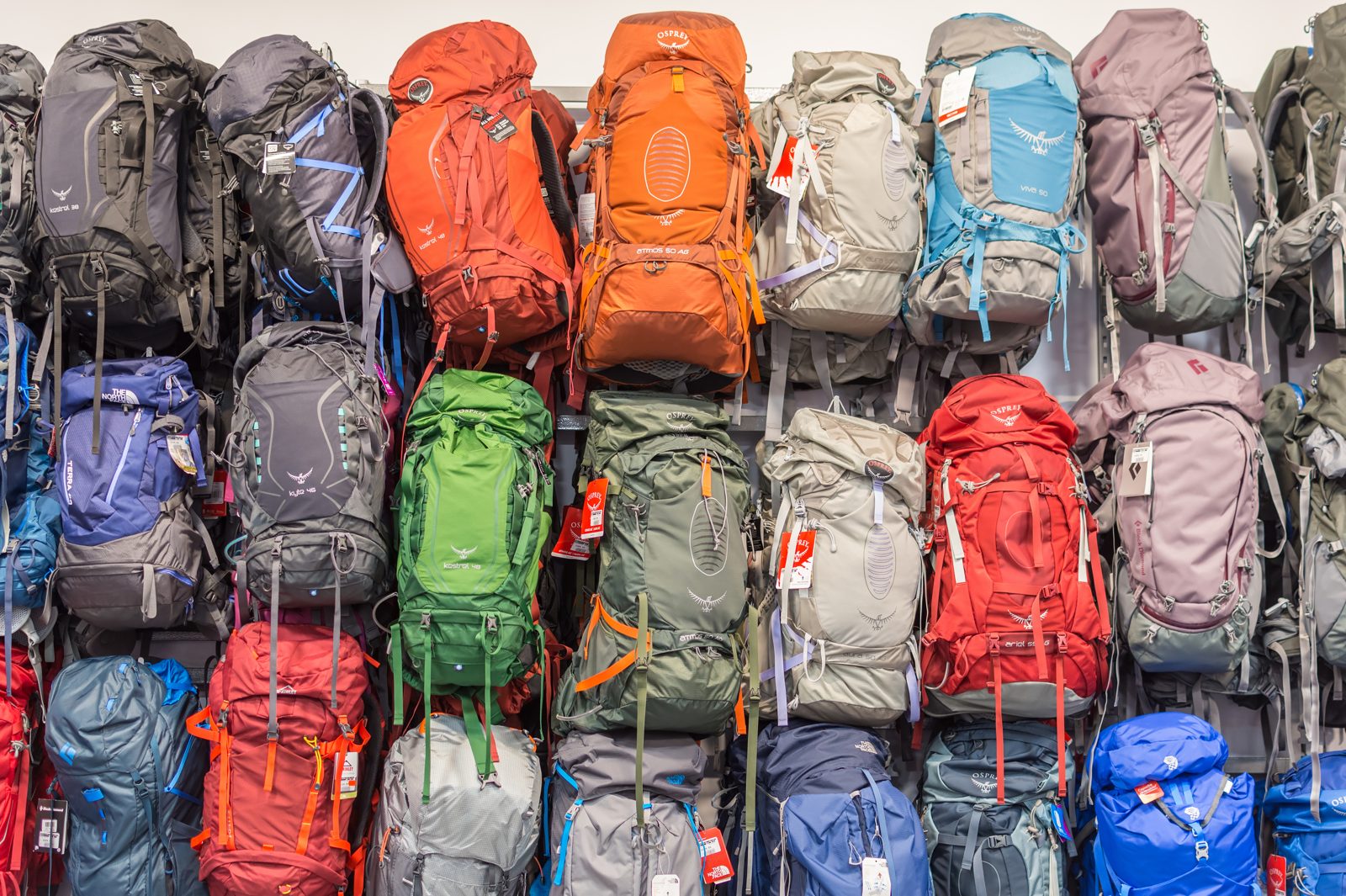
A travel backpack that fits one airline can fail at the next gate. Limits differ by carrier, by fare class, and by whether the bag goes in the overhead bin or under the seat. A bag that looks cabin-sized on the shop shelf can bulge past the sizer once it is packed.
This article explains how to choose a travel backpack that fits airline size limits, including the standard dimensions, the difference between a carry-on and a personal item, how to measure a packed bag, and which features matter once the size is right.
Start with the standard: 22 x 14 x 9 inches
For most major airlines, the overhead-bin carry-on limit is 22 x 14 x 9 inches (56 x 36 x 23 cm). Delta, United, and American all use this size, according to Eagle Creek, which lists airline policies verified in September 2026. Southwest allows a little more at 24 x 16 x 10 inches. Spirit lists 22 x 18 x 10 inches with a 40-pound weight cap.
International carriers often run smaller and stricter. Many European full-service airlines use around 55 x 40 x 23 cm and add weight caps of about 7 to 8 kg. European budget carriers go smaller still.
Ryanair priority cabin bags sit at about 55 x 40 x 20 cm, and its free small bag is far smaller.
The safest single target for a bag that works across the widest range of airlines is 22 x 14 x 9 inches, with handles and pockets included. That size covers the big United States carriers and fits most budget-carrier sizers too. A bag built to that standard avoids most gate surprises.
Volume tells the same story in litres. Backpacks between 35 and 45 litres typically fall within standard carry-on limits, according to Citizen Daily Post. A 45-litre pack is roughly the maximum overhead carry-on on most United States airlines.
For international or budget airlines, a bag under 40 litres is the safer pick.
Carry-on versus personal item
Airlines split cabin bags into two groups. A carry-on goes in the overhead bin. A personal item must fit under the seat in front of you.
The two groups have different limits, and the distinction decides whether you pay a fee on budget carriers.
A personal item is usually capped at about 18 x 14 x 8 inches (45 x 35 x 20 cm). That translates to roughly 20 to 30 litres. A standard school-sized backpack or laptop backpack usually falls inside those limits.
A large hiking pack or an overstuffed weekender does not.
This matters most on low-cost carriers. On airlines such as Spirit or Frontier, a personal item flies free while a standard carry-on can cost a fee. A bag that counts as a personal item on one ticket can count as a carry-on on another if it bulges.
If the bag fits fully under the seat without blocking the footwell, it is a personal item. If it must go in the bin, it is a carry-on.
Why depth is the dimension that fails
Of the three dimensions, depth is where backpacks fail airline limits. Height and width are usually generous. Depth is where a stuffed main compartment, a front pocket full of chargers, and a laptop sleeve stack up.
Carry On Gear Guide makes this point with a comparison table. Ryanair's 7.8-inch depth limit eliminates nearly all 40-litre backpacks. United and Delta's 9-inch limit is borderline for many popular packs.
A pack with 9 inches of depth or less works across the widest range of carriers.
Check depth before you check anything else. A bag that measures 22 inches tall and 14 inches wide can still fail if it is 10 inches deep when packed. Compression straps help, but only on soft bags, and only down to the bag's listed size.
Rigid bags barely compress at all.
How to measure a backpack the airline way
Retailer labels are a starting point, not a verdict. Measure the bag yourself, and measure it packed, since a half-empty pack and a full pack are different bags at the gate.
Lay the packed bag flat and measure height, width, and depth at the widest points. Include handles, front pockets, and anything strapped to the outside. Airlines measure the bag as it arrives at the gate, not as it left the factory.
Pack it the way you will fly. If you plan to carry a jacket stuffed in the front pocket, include it in the measurement. If you use packing cubes, measure with them in.
A bag that measures 22 x 14 x 9 inches on the shelf can measure 22 x 15 x 10 inches once it is loaded.
Test the squeeze. A soft bag packed to 70 to 80 per cent of capacity compresses under the straps. A bag packed to bursting does not.
Leave a little slack if you fly budget carriers with sizer boxes at the gate.
Enforcement: the rule behind the rule
Published limits tell half the story. Enforcement is the other half, and it splits sharply between budget and full-service carriers.
Budget carriers enforce strictly because baggage fees are part of their business. Ryanair, Frontier, and Wizz Air use metal sizing cages at the gate and check bags actively. Carry On Gear Guide reports gate fees of 25 to 70 euros for Ryanair and 65 to 100 dollars for Frontier when a bag fails the sizer.
Major carriers enforce loosely because they prioritise boarding speed. United, Delta, American, British Airways, Lufthansa, and most Asian carriers rarely measure a bag unless the overhead bins are full or the bag is plainly oversized. A borderline 40-litre pack usually passes.
A 50-litre-plus pack draws attention anywhere.
Regional jets add a wrinkle. Smaller planes have smaller bins, so even a compliant carry-on can be gate-checked when the bins fill. That is usually free on major carriers, but it still means waiting at the carousel on arrival.
Pick the right capacity for your trip
Size limits set the ceiling. Trip length sets the floor. Eagle Creek suggests 26 to 28 litres for weekend trips of one to three nights, and 38 to 40 litres for longer one-bag trips of four to seven nights or more.
A 20 to 30 litre pack covers day trips and overnight stays. It also doubles as a personal item on many airlines, which makes it the pick for travellers who want to dodge fees entirely. A 40-litre pack covers most carry-on travel but needs care on budget carriers.
Anything above 45 litres belongs in checked luggage on most airlines.
Think about how you pack. If you roll clothes and use packing cubes, you will fit more in a smaller bag than a loose packer fits in a larger one. Eagle Creek notes that its packing cube system lets travellers stretch a 40-litre carry-on across up to two weeks.

Features that matter once size is right
A bag that fits the sizer still has to carry well. A clamshell opening, which unzips like a suitcase, makes packing and security checks far easier than a top-loading hiking sack. Compression straps keep the load close to the bag and stop it from bulging past its listed depth.
A dedicated padded laptop sleeve matters for business travellers. A sleeve that opens on its own lets you clear security without unpacking the main compartment. Quick-access pockets hold a passport, a boarding pass, and a water bottle where you can reach them.
Carry comfort decides whether you enjoy the bag after the airport. Adjustable shoulder straps and a padded hip belt spread the weight on long connections. For city days and cobblestone streets, a backpack harness beats rolling luggage, since it leaves your hands free and moves easily over rough ground.
Water resistance helps, but check what it means. A water-resistant fabric sheds light rain. A waterproof bag costs more and weighs more.
For most trips, a packable rain cover covers the gap.
What happens if the bag does not fit
If a bag fails the sizer, the airline gate-checks it and charges a fee on budget carriers. On major carriers, a bag gate-checked because the bins are full is usually free.
Frequently asked questions
What size backpack fits as a carry-on?
A backpack under 50 litres, or about 22 x 14 x 9 inches, generally qualifies as a carry-on on most major airlines. A 35 to 45 litre pack is the usual sweet spot, and 45 litres is roughly the maximum on United States carriers.
Can a backpack be a personal item?
Yes, if it fits under the seat. Most airlines cap personal items at about 18 x 14 x 8 inches, or 20 to 30 litres. A standard laptop backpack usually qualifies.
A large hiking pack does not.
Do airlines actually measure carry-on bags?
Budget carriers do, with metal sizing cages at the gate. Major carriers rarely measure unless bins are full. Ryanair, Frontier, and Wizz Air are the strictest enforcers.
Does TSA set carry-on size limits?
No. TSA permits backpacks as carry-on luggage but does not set dimensional limits. Airlines set the limits.
Can I compress my backpack to fit a smaller limit?
Only on depth, and only on soft bags. Compression straps on a soft bag keep a partly packed bag from bulging past its listed depth. Rigid bags compress very little, so pack them light if you fly strict carriers.
The bottom line
Pick the airline first, then the bag. For most travellers, a soft-sided pack at or under 22 x 14 x 9 inches and 40 litres covers the widest range of carriers. Check depth first, measure the bag fully packed, and buy to the strictest airline on your route.
Do that, and the bag goes in the bin without a fee, a sizer argument, or a wait at the carousel.
Tags: travel backpack, carry-on, airline rules, packing
Latest in Travel
- How to deal with lost luggage and claim compensation
- How to avoid roaming charges when travelling internationally
- What is the difference between a visa on arrival and an e-visa?
- How to exchange money abroad without losing money on fees
Subscribe to the Rive News newsletter for one practical travel guide each week.
Related stories

The 3-1-1 liquids rule for planes: what each number means
TSA's 3-1-1 rule limits carry-on liquids to 3.4-ounce containers in one quart bag. Where the 2006 rule came from, what counts, and how

Why Is Airplane Food So Bland at Altitude?
A 2010 Fraunhofer study found altitude cuts sweet and salty perception by up to 30 percent. Low humidity, cabin pressure, and noise all

Carry-on size limits: why airlines each set their own
Airlines set their own carry-on limits because the FAA only requires each carrier to have a policy, not one global size. Why 22 x 14 x