
What Is the Difference Between a Visa on Arrival and an E-Visa?
Key takeaways
- An e-visa is a full visa approved online before you travel, while a visa on arrival is issued at the border after you land.
- E-visas give certainty before departure, while visas on arrival can mean queues and a decision made at the airport.
- Neither document guarantees entry, since the immigration officer at the border makes the final call.
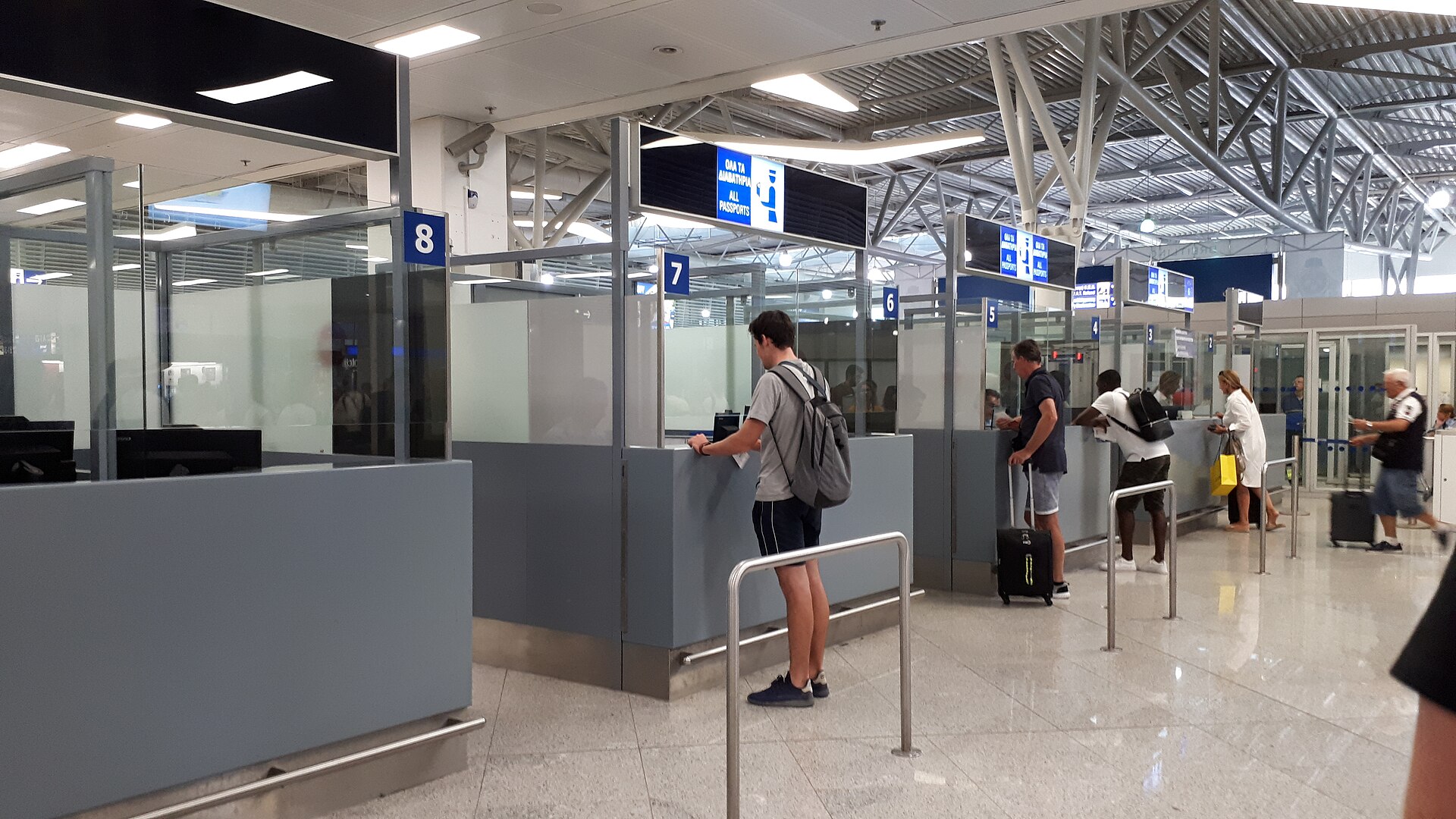
A visa on arrival and an e-visa both let you enter a country without visiting an embassy. The difference is timing: an e-visa is approved before you leave home, while a visa on arrival is issued after you reach your destination.
That timing gap shapes everything else. It affects how much you queue at the airport, how certain your trip is before you board, and what happens if your documents fall short.
This article explains the difference between a visa on arrival and an e-visa, including how each one works, how they compare side by side, which one fits which trip, and the mistakes that catch travellers out.
The one-sentence difference
An e-visa is a visa you obtain online before travel. A visa on arrival is a visa you obtain at the border when you arrive. Gulf News puts it in the same terms: e-visa means a visa obtained online before travel, while visa on arrival means a visa issued after reaching the destination.
Both are real visas. That matters, because a third document often gets mixed into the same conversation: the Electronic Travel Authorisation, or ETA.
An ETA is not a visa. It is a pre-travel approval for travellers who are already exempt from visa requirements, used as an extra security check before arrival.
Confusing these documents has real consequences. A traveller who needs an e-visa but applies for an ETA could be denied boarding. Someone relying on a visa on arrival without checking eligibility could face difficulties at the border, according to Gulf News.
What an e-visa is
An e-visa is a full visa issued electronically instead of being stamped or attached to a passport. You apply online before your trip, submit the required documents, pay the fee, and receive approval digitally.
Processing times vary by country. Gulf News reports that e-visa processing can range from hours to several days. Approval is electronically linked to your passport, so immigration officers can confirm it when you arrive.
Countries including India, Egypt, and Vietnam run e-visa systems for eligible travellers, according to Gulf News. Business Standard lists Australia, New Zealand, the United Arab Emirates, Singapore, Malaysia, Turkiye, Russia, Kenya, Ethiopia, Colombia, and Sri Lanka among the countries offering e-visas.
The main advantage is certainty. You know before you book or board whether your visa is approved. If a document is missing or a photo is rejected, the portal usually flags it before payment, giving you time to fix it.
The trade-off is planning. You must apply early enough to clear processing, and you must use the official portal. Unofficial sites that imitate government pages charge extra fees and harvest personal details, so Gulf News advises applying only through authorised portals.
What a visa on arrival is
A visa on arrival lets eligible travellers obtain a visa after reaching their destination. The visa is issued at the airport, border checkpoint, or port, provided travellers meet the entry requirements.
The process usually involves filling out a form, showing supporting documents, paying a fee, and sometimes providing a photograph. Fees are often paid on the spot, and payment is sometimes required in a specific currency, often US dollars.
Business Standard lists Thailand, Maldives, Indonesia, Sri Lanka, Cambodia, Laos, Jordan, Vietnam, Bahrain, Bolivia, Saint Lucia, Zimbabwe, and Samoa among the countries offering visa on arrival. Some countries, such as Sri Lanka and Vietnam, appear on both lists, since they offer more than one route depending on nationality and entry point.
The main advantage is flexibility. You can decide to travel with less advance paperwork. The main drawback is uncertainty: the decision happens at the airport, after you have already flown there.
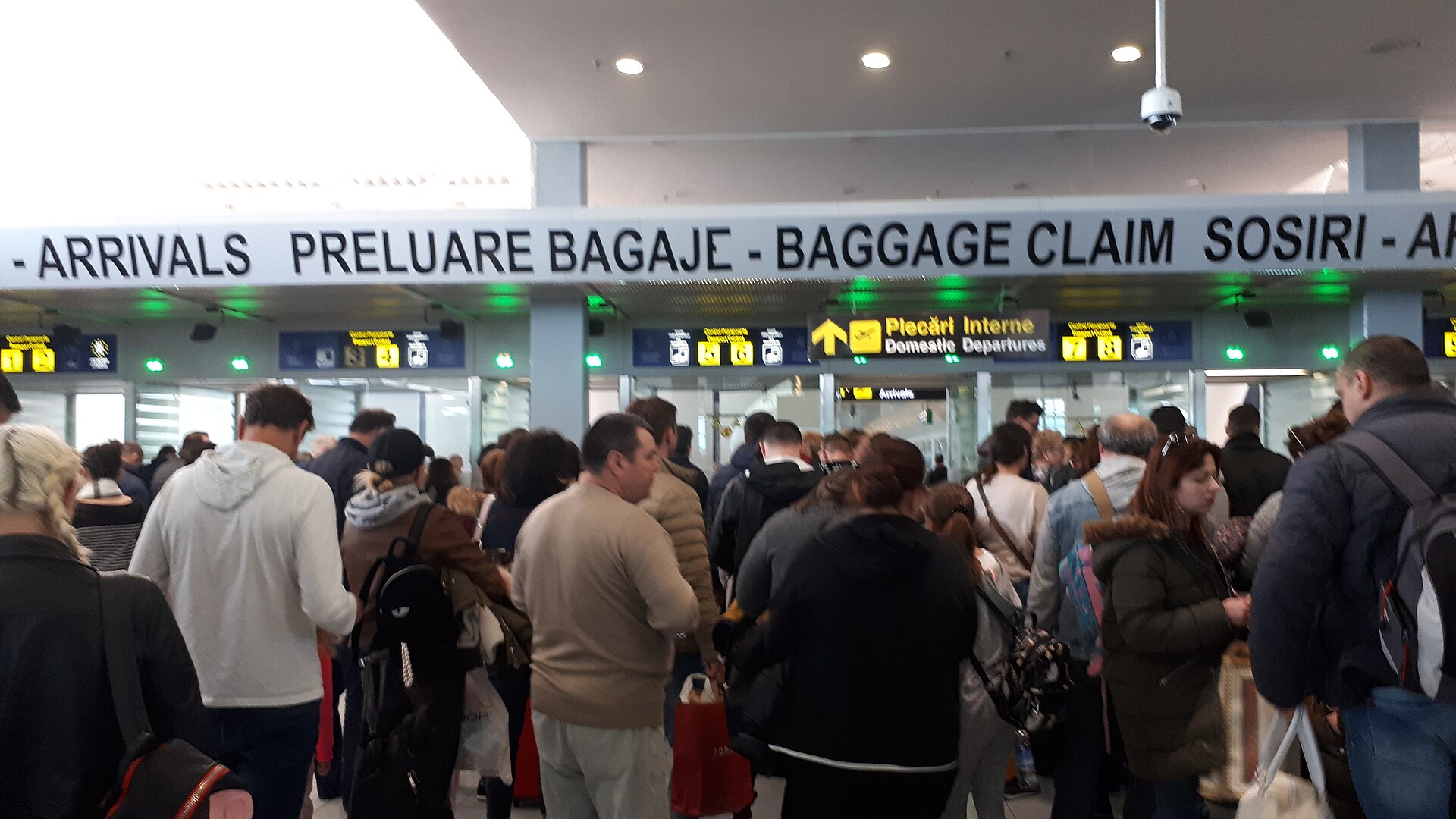
Queues add to the risk. Visa-on-arrival counters can mean waits of 30 minutes to several hours in peak season.
Arthur Mignet, chief executive of SimpleVisa, told Business Standard that missed connections caused by long visa-on-arrival queues are not covered by most airlines. He added that incomplete documents can lead to refusal at the counter, while e-visa portals validate uploads before payment is taken.
Side-by-side comparison
The two options differ on five points that matter for planning.
- When you apply. E-visa: days or weeks before departure, online. Visa on arrival: after you land, at the border.
- Certainty. E-visa: approval is known before you travel. Visa on arrival: the decision happens at the airport.
- Waiting time. E-visa holders usually go straight to the immigration line. Visa-on-arrival travellers queue at a separate counter first.
- Payment. E-visa fees are paid online by card. Visa-on-arrival fees are often paid in cash at the border.
- Documents. Both need a valid passport and supporting papers. An e-visa lets you check completeness in advance, while a visa on arrival tests it at the counter.
Both routes share one limit. Even an approved visa or authorisation does not guarantee entry. The final decision rests with the immigration officer, who can still refuse entry if something does not check out.
Passport strength shapes how often this choice even arises. The UAE passport ranks as the strongest in the Passport Index 2026, with a Mobility Score of 182, giving holders access to 173 destinations visa-free or with a visa on arrival. Travellers with weaker passports face the e-visa question far more often.
Which one should you pick
Pick the e-visa when certainty matters most. If you have a tight connection, a fixed hotel booking, or a trip you cannot afford to lose, approval before departure is worth the advance planning.
Pick the visa on arrival when the trip is flexible and the destination offers it to your nationality. A spontaneous trip with a roomy layover can absorb a queue at the counter without damage.
Check eligibility first either way. Visa on arrival is open only to nationals of approved countries, and some entry points do not offer it even when the country does. An e-visa can also be limited by nationality, purpose of travel, and length of stay.
Also check passport validity. Many destinations require a passport valid for six months beyond arrival, plus blank pages for stamps. A short-validity passport can sink either route at the counter.
Carry the same supporting documents for both options. Proof of accommodation, a return or onward ticket, and proof of funds cover the questions officers ask most. Keep a printed copy of an e-visa approval as well as the digital one, in case a phone battery dies at the wrong moment.
If you are also sorting money for the trip, bring small-denomination cash in the currency the visa counter accepts. Card-only travellers can get stuck when a border counter takes cash alone.
Common mistakes to avoid
The most common mistake is assuming one document covers every destination. Visa rules depend on nationality, destination, purpose of travel, and length of stay. A rule that applied to your last trip may not apply to the next one.
A second mistake is using an unofficial site. Copycat portals charge extra fees, delay applications, and collect passport scans. Gulf News advises checking official government immigration websites and applying only through authorised portals.
A third mistake is leaving the e-visa too late. Processing can take days, and a weekend or holiday can stretch it further. Apply as soon as flights and hotels are set, not the night before departure.
A fourth mistake is treating approval as a guarantee. Officers can still refuse entry, and an approved e-visa does not override that discretion. Answer questions plainly, keep documents handy, and keep the story of your trip consistent with your booking.
A fifth mistake is ignoring the fine print on stay length. An e-visa or visa on arrival may allow 30 days while your trip runs 35. Overstaying can mean fines, detention, or a ban on future visits.
Frequently asked questions
Is an e-visa the same as an ETA?
No. An e-visa is a full visa. An ETA is a pre-travel approval for travellers who are already visa-exempt.
Applying for an ETA when you need an e-visa can lead to denied boarding.
Can I get a visa on arrival at any airport?
Not always. Some countries offer it only at certain airports or land borders. Check the entry point as well as the country before you rely on it.
Do I still need documents for a visa on arrival?
Yes. Officers usually check your passport, return ticket, accommodation booking, and funds. Incomplete documents can lead to refusal at the counter.
Which option is cheaper?
Fees vary by country and route, and neither is always cheaper. Compare the official fee for each option, plus any service charges, and watch for copycat sites that inflate the price.
What if my e-visa is refused?
A refusal usually comes with a reason and a chance to fix the application or choose another route, such as a consular visa. Read the notice carefully and reapply through the official portal rather than a third-party site.
The bottom line
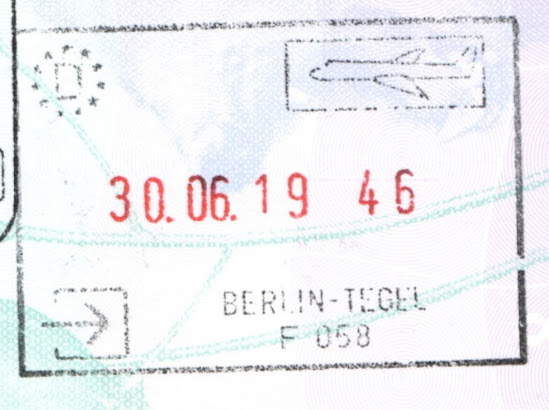
The difference between a visa on arrival and an e-visa is when the decision happens. An e-visa gives you approval before you travel, with less waiting at the airport. A visa on arrival gives you flexibility, with the decision and the queue waiting at the border.
Check your eligibility on the official immigration site, apply early when you choose the e-visa route, and carry the same documents either way. The officer at the border always has the final word.
Tags: e-visa, visa on arrival, travel documents, immigration
Latest in Travel
- What to Do About Deal With Lost Luggage Compensation
- How to Avoid Roaming Charges When Travelling Internationally
- How to Stay Safe in a Hotel Room as a Solo Traveller
- How to Exchange Money Abroad Without Losing Money on Fees
Subscribe to Rive News for one practical travel guide each week.
Related stories

The 3-1-1 liquids rule for planes: what each number means
TSA's 3-1-1 rule limits carry-on liquids to 3.4-ounce containers in one quart bag. Where the 2006 rule came from, what counts, and how

Why Is Airplane Food So Bland at Altitude?
A 2010 Fraunhofer study found altitude cuts sweet and salty perception by up to 30 percent. Low humidity, cabin pressure, and noise all

Carry-on size limits: why airlines each set their own
Airlines set their own carry-on limits because the FAA only requires each carrier to have a policy, not one global size. Why 22 x 14 x