
Why does your car use more fuel than before?
By Rive News / Research desk | Rive News / Published October 20, 2026 at 9:00 AM PKT
Key takeaways
- The most common culprits are underinflated tyres, worn spark plugs, a clogged air filter, and extra weight, all of which force the engine to work harder.
- Soft tyres alone can cut fuel efficiency by up to 3%, while every extra 50kg of clutter adds roughly 2% to consumption.
- Aggressive driving, short cold trips, and skipped servicing waste as much fuel as any mechanical fault, and they are free to fix.
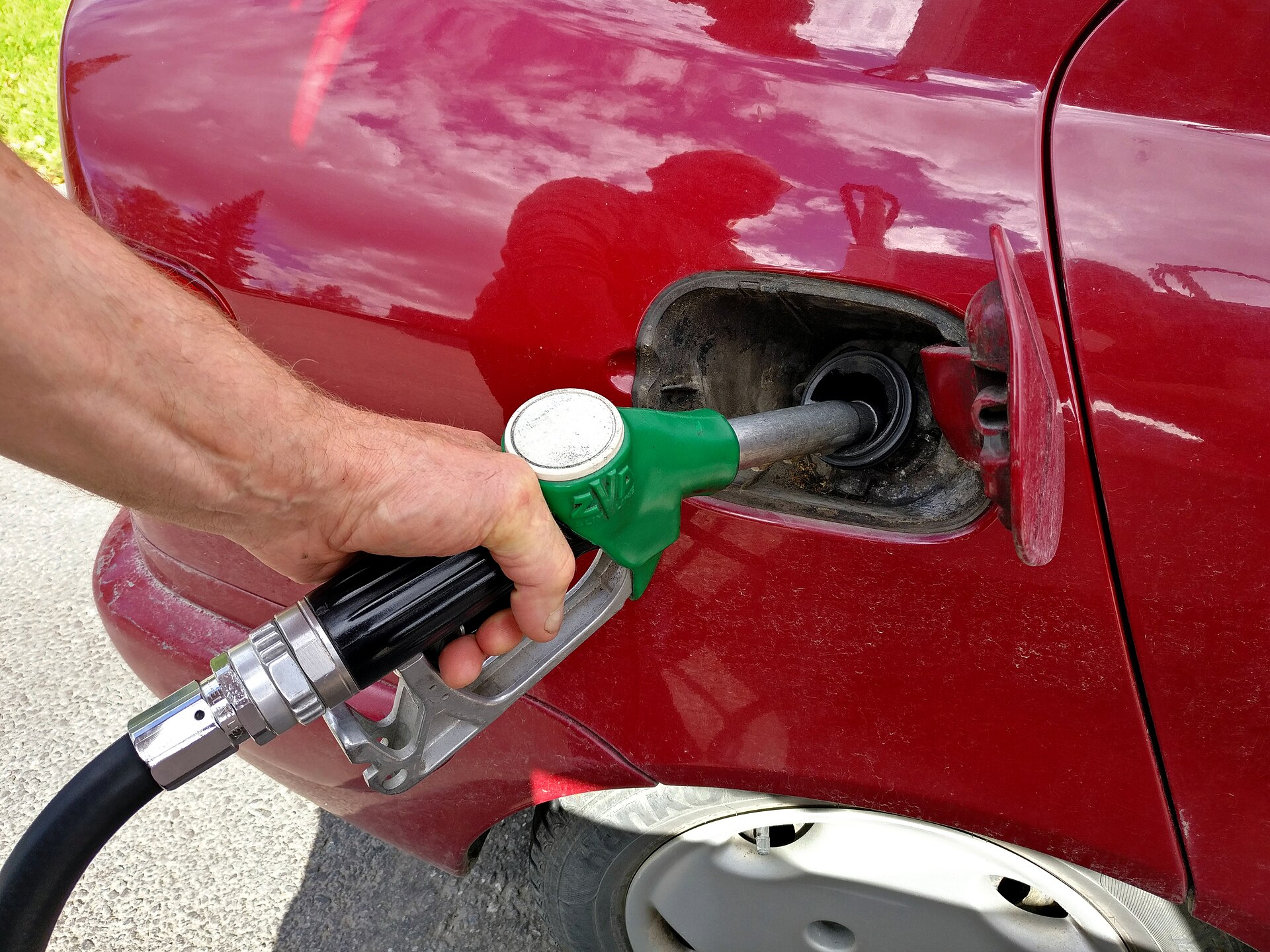
Refuelling a car. When the bill climbs, the cause is usually maintenance, weight, or driving habits.
Image Credits: Wikimedia Commons
When a car starts drinking more fuel than it used to, the cause is rarely mysterious. Fuel consumption rises when the engine has to work harder than before, and that extra work comes from a short list of suspects: maintenance that has slipped, weight and drag that has crept in, or driving habits that waste energy. The good news is that most of these are cheap to check and cheaper to fix.
What makes this problem worth diagnosing properly is that the losses stack. One neglected item might cost you a few percent, but three or four together can push consumption 10 to 15 percent above normal, which is the figure Gumtree's motoring guide cites for a neglected Ford Focus versus a well-maintained one. This article takes a closer look at rising fuel consumption, including the maintenance issues behind it, the driving habits that waste fuel, how to diagnose the cause, and the fixes that work.
The maintenance issues that raise fuel use
Underinflated tyres. Soft tyres increase rolling resistance, forcing the engine to work harder for every mile. Underinflation can cut fuel efficiency by up to 3%, according to Gumtree's guide, which cites UK motoring organisations. Pressures of 32 to 35 PSI suit most hatchbacks, but the exact figure is on the driver's door sticker or in the manual, and monthly checks with a reliable gauge are the habit that matters.
Worn spark plugs. Old plugs cause incomplete combustion, so some fuel leaves the engine unburned. Worn plugs can reduce combustion efficiency by up to 30% in some models, and replacement intervals of 30,000 to 60,000 miles are typical, according to Gumtree. Hard starting and rough idling often arrive with the fuel waste.
A clogged air filter. The engine needs the right air-to-fuel mixture to burn efficiently, and a filter choked with dust restricts airflow. Replacement every 12,000 to 15,000 miles is the usual guidance, according to Gumtree's motoring guide.
Dirty or low engine oil. Oil past its best increases internal friction, making the engine labour. Ultra Tune lists dirty or low oil among the six most common causes of higher consumption, and keeping changes on schedule is one of the cheapest efficiency measures there is. Our two-minute guide to checking your oil level makes the between-service check painless.
Faulty sensors. A failing oxygen sensor or coolant temperature sensor can trick the engine computer into over-fuelling without triggering a warning light, according to Gumtree. A sudden consumption jump with no other symptom is the classic signature.
Dragging brakes. A sticking caliper keeps a pad rubbing the disc, adding constant resistance. If one wheel runs noticeably hotter than the rest after a drive, get the brakes checked.
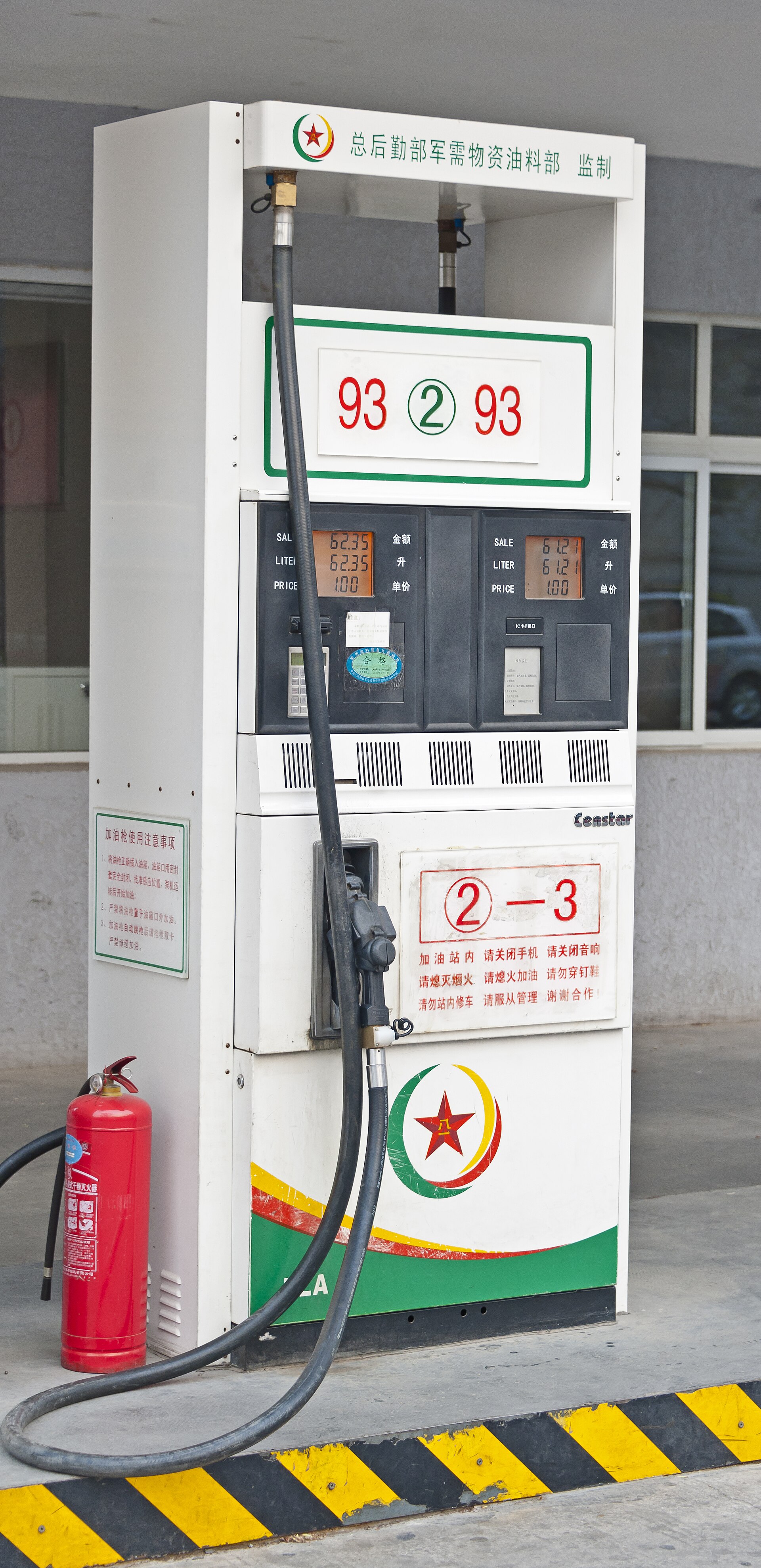
A fuel pump display showing litres dispensed. Tracking litres per fill-up is how you confirm consumption is really rising.
Image Credits: Wikimedia Commons
The driving habits that waste fuel
Machines get the blame, but the driver often matters more. Rapid acceleration and heavy braking waste the energy the engine just produced, and high speeds multiply aerodynamic drag. Ultra Tune's guide lists harsh acceleration and braking alongside excess idling as the driving habits most responsible for poor economy.
Short trips are the quiet thief. An engine that never reaches its optimal temperature runs rich and inefficient for the whole journey, which is why cold-morning short hops return such miserable mileage. Combining errands into one longer trip beats three cold starts every time.
Idling is pure waste in a modern car. Contrary to old advice, engines do not need long warm-ups, and sitting on the driveway burning fuel achieves nothing that gentle driving would not do faster. The same goes for the air-con: it costs fuel, so use it when you need it, such as clearing a fogged windscreen, rather than leaving it blasting out of habit.
At motorway speeds, open windows create enough drag to cost more than efficient air-con use, according to Gumtree.
Weight and drag deserve their own mention. Roof boxes, roof racks, and a boot full of things you never use all force the engine to push harder. An extra 50kg can raise consumption by about 2% in a small car like a Mini Cooper, according to Gumtree, and a roof box left on between holidays is drag you pay for every single mile.
How to diagnose the cause
Start by confirming the problem is real. Track consumption over three or four full tanks using the trip computer or a simple litres-divided-by-distance calculation, since a single bad tank can mislead. Compare like with like: winter fuel, cold weather, and changed routes all move the numbers.
Then work through the cheap checks in order. Tyre pressures first, because they take five minutes and fix the most common cause.
Then look at service history: when were the plugs, air filter, and oil last done? Pop the bonnet and check the oil level and the air filter's visible condition.
Look at the tyres for uneven wear, which hints at alignment problems that also waste fuel.
Warning lights change the order. A check-engine light with rising consumption points toward sensors, injectors, or the emissions system, and an OBD2 scan at a garage will identify the fault code in minutes, according to Gumtree's guide. No light and no obvious cause after the basic checks means a professional inspection is the next sensible step, as Auto Leaders advises.
Fixes that actually work
The fixes follow the diagnosis, roughly in order of cost-effectiveness.
- Set tyre pressures monthly to the manufacturer's figure, and check them cold before driving.
- Service on schedule, with plugs, air filter, and oil done at the book intervals rather than when something breaks.
- Drive smoothly: gentle acceleration, early anticipation of stops, steady motorway speeds, and cruise control where it fits.
- Cut the weight: empty the boot, remove roof boxes and racks when they are not in use.
- Combine short trips so the engine warms up once, and skip the long driveway idle.
- Fix faults promptly: replace worn plugs and sensors, free off sticking calipers, and treat a check-engine light as a fuel bill in disguise.
None of this requires new technology or expensive upgrades. The neglected Focus in Gumtree's example did not need a hybrid drivetrain to recover its 10 to 15 percent; it needed the maintenance it had been missing.
Why is my car suddenly using more fuel with no warning lights?
The usual suspects are soft tyres, a clogged air filter, worn spark plugs, or extra weight. A faulty sensor can also over-fuel the engine without lighting a warning, so a diagnostic scan is worthwhile if the basics check out.
Does air-con really use that much fuel?
It adds a measurable load, so use it deliberately rather than by default. At low speeds, opening windows is cheaper; at motorway speeds, efficient air-con beats the drag of open windows, according to Gumtree.
Will premium fuel improve my economy?
Only if your engine is designed for it. In a car built for standard fuel, premium petrol does not meaningfully change consumption, and the manual's octane recommendation is the one to follow.
How much difference does driving style make?
A large one. Smooth driving, steady speeds, and minimal idling can recover several percent on their own, which is why habits belong in the diagnosis before any parts get replaced.
The bottom line
Rising fuel use is the car telling you something changed, and the change is usually small and fixable. Check the tyres, catch up the servicing, lighten the load, and smooth out the driving, in that order. If the numbers still do not add up after that, let a garage run a diagnostic scan before the extra fuel spend becomes a habit.
Rive News is a research desk covering practical car care. We write from documented sources, never from invented test drives.
Latest in Automotive
- How to check your car oil level in two minutes
- Why your car struggles on cold mornings
- What to do when your car overheats on the road
- How to stop your car windows from fogging up
Subscribe for one practical car-care article every morning.
Copyright 2026 Rive News. Facts checked against public sources listed above.
Related stories
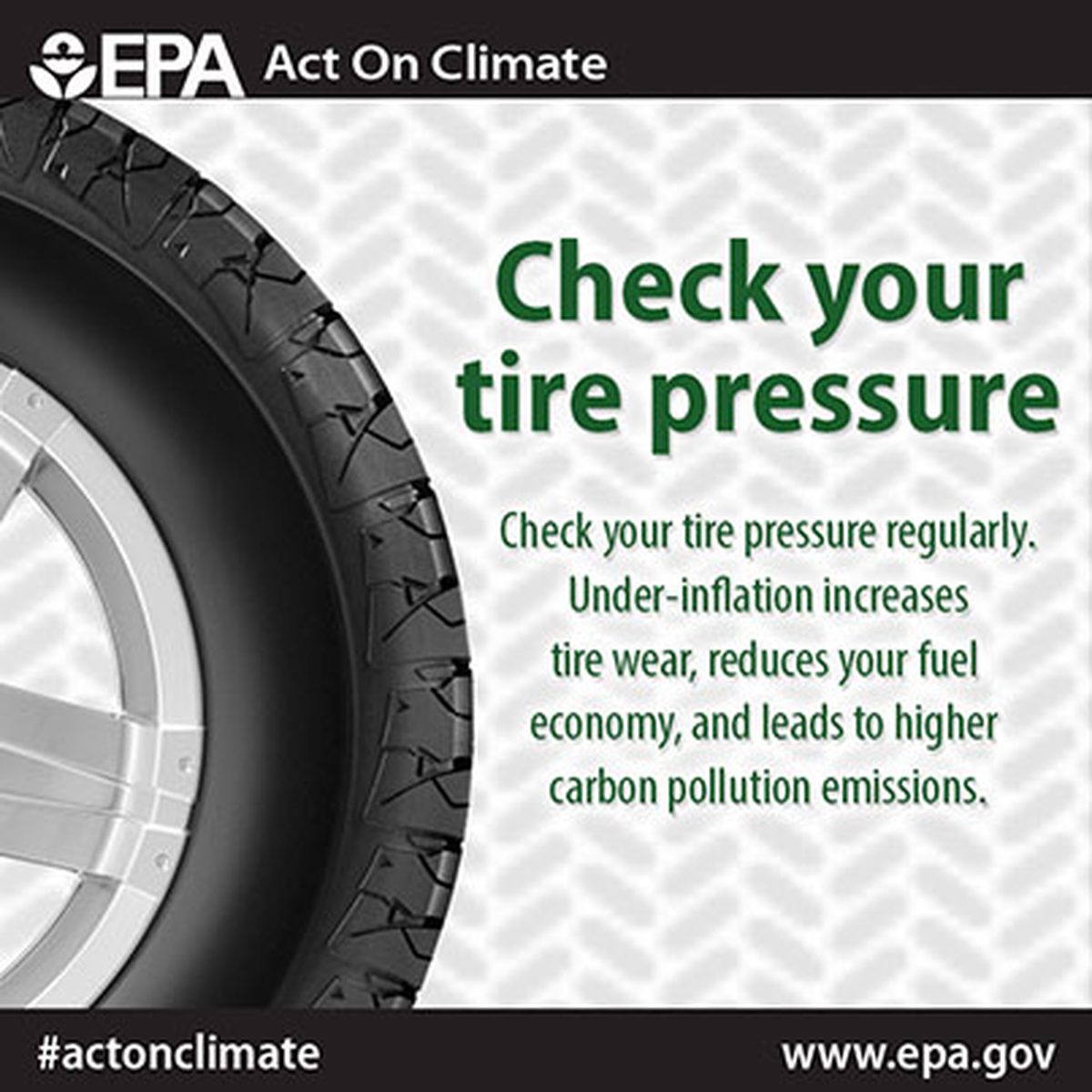
Why Does Tire Pressure Drop in Cold Weather?
Cold weather can cut tire pressure by 1 psi for every 10°F drop, thanks to the ideal gas law. Here is what happens inside the tire and what
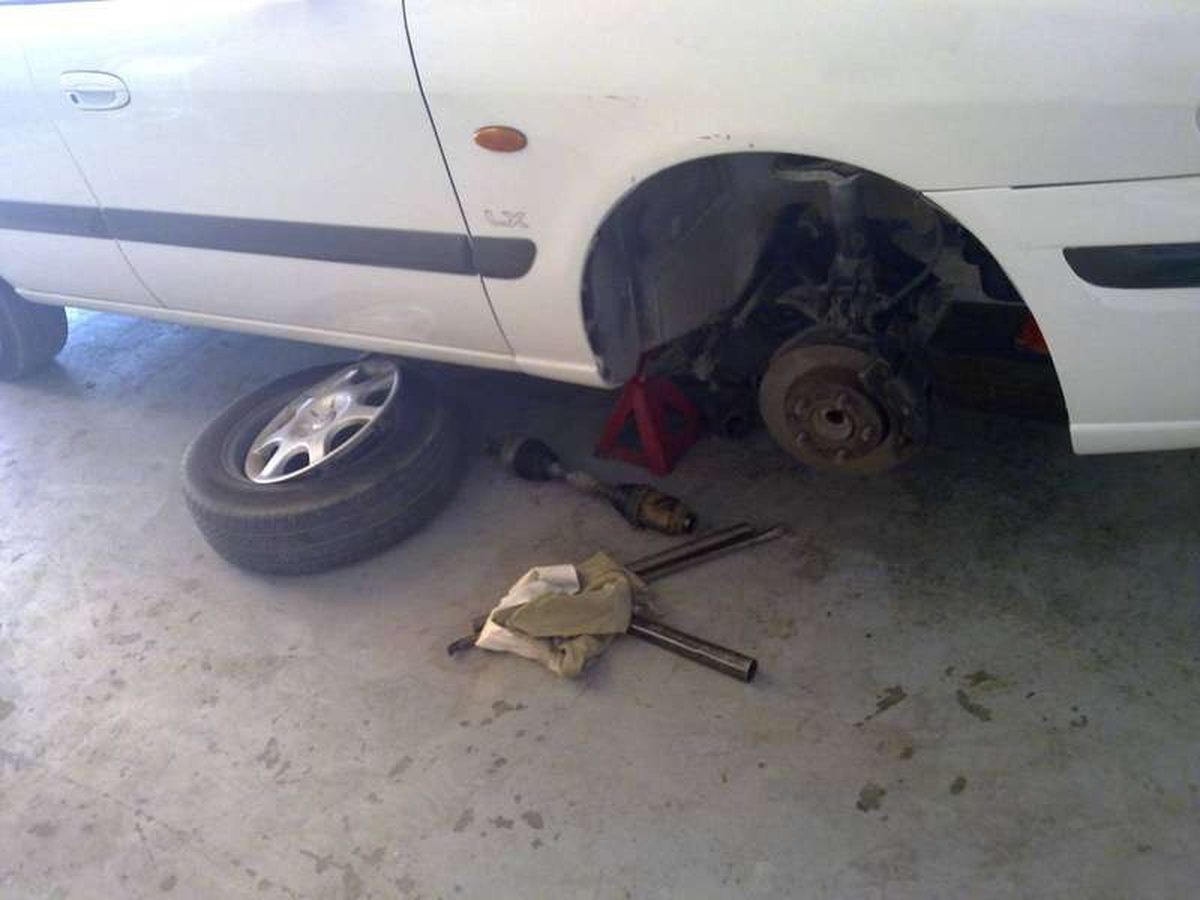
Why Do Brake Rotors Warp, or Do They Actually?
Mechanics rarely see a truly warped rotor. The shudder usually comes from uneven pad deposits a few thousandths of an inch thick. Here

How to Buy a Used Car Without Getting Scammed: The Checklist
Over 450,000 cars a year have rolled-back odometers, NHTSA says. This checklist covers VIN checks, title washing, and the inspection that