
Why Does Engine Oil Turn Black So Quickly? Soot Science
Key takeaways
- Oil turns black because detergent and dispersant additives suspend microscopic soot and carbon from combustion instead of letting them form sludge.
- Diesel and direct-injection gasoline engines make more soot, so their oil can darken within miles or days of a fresh change.
- Color alone does not tell you the oil is worn out; follow the service interval and watch for milky texture or fuel smell instead.
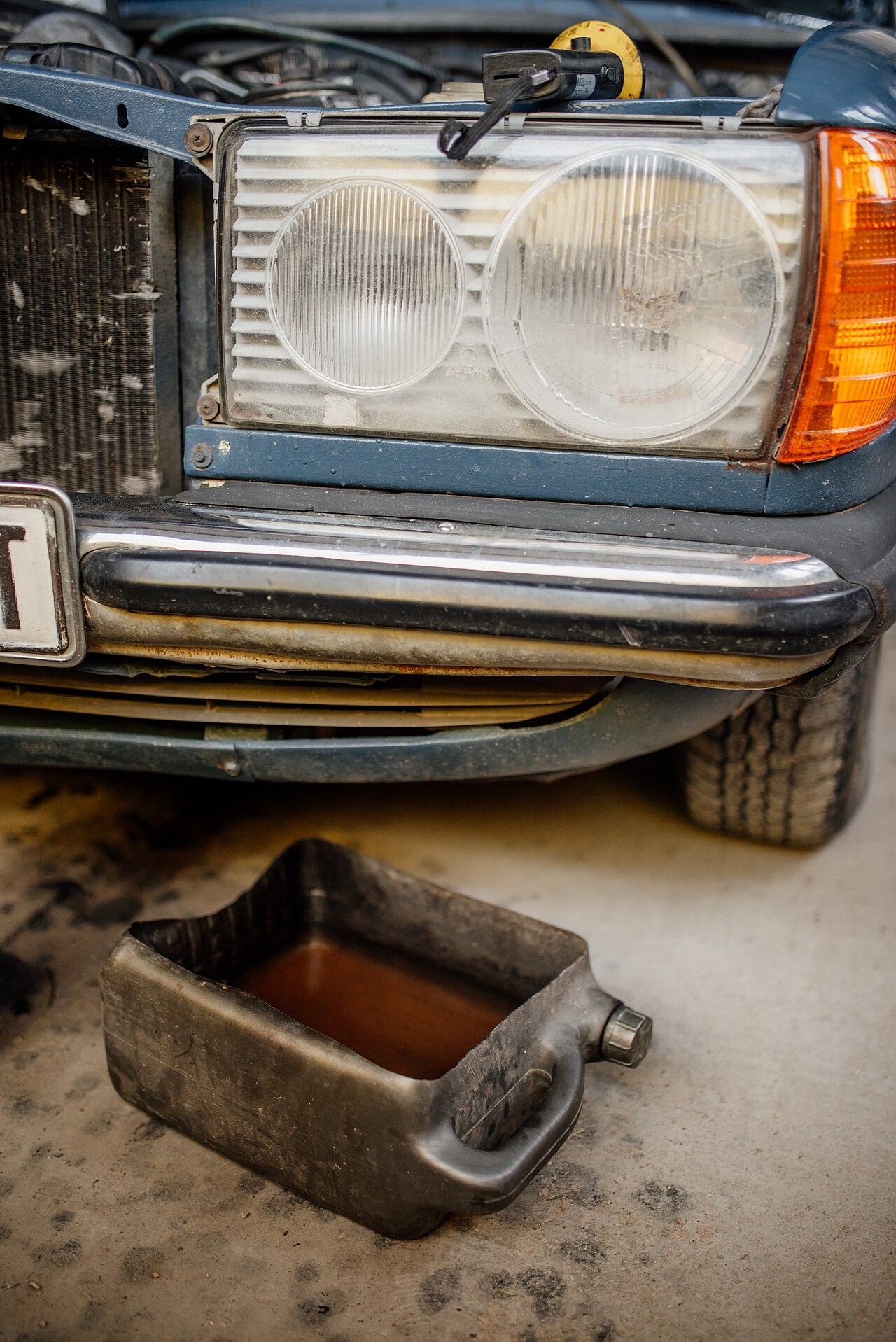
Fresh engine oil goes in golden and comes out black, sometimes within days. That color change worries a lot of drivers, and one 2024 study found that over 78 percent of vehicle owners fret unnecessarily when their fresh oil darkens shortly after service. In most cases the blackening is the oil doing exactly what it was designed to do.
This article takes a closer look at why oil darkens, including the soot-suspension chemistry, why diesels blacken oil fastest, when dark oil is actually a warning sign, and what to check instead of color.
Soot suspension: why black means the oil is working
Modern engine oil is far more than refined petroleum. It is a blend of base oil plus an additive package, detergents and dispersants that make up roughly 10 to 25 percent of the total volume. Those additives have two jobs: keep the engine's insides clean and keep contaminants from settling.
Here is the cycle. Combustion is never perfect, so every power stroke leaves behind microscopic soot and carbon.
A small amount of exhaust gas, called blow-by, slips past the piston rings and carries those fine black particles into the crankcase oil. Detergents neutralize the acids that form as combustion byproducts, while dispersants surround each solid particle and hold it in suspension. Suspended particles cannot clump together into sludge or bake onto hot surfaces as varnish.
The particles doing the darkening are astonishingly small. Soot particles are often less than one micron across, far too fine for the oil filter to catch.
But millions of them distributed through the oil change its color fast. That is the trade the engineers chose: better to have black oil carrying soot safely to the drain pan than golden oil with sludge cemented to the pistons.
A good oil with a robust dispersant package will turn black quickly precisely because it is cleaning effectively. The choice between oil types matters less for color than the additive chemistry; synthetic versus conventional oil is a separate decision about performance and change intervals.
Why diesels and direct-injection engines darken oil fastest
Not all engines soot equally. Diesel combustion produces a significantly higher soot load than gasoline combustion, which is why diesel-specific oils carry higher concentrations of detergent and dispersant additives.
In a diesel, new oil can turn pitch black within minutes of an oil change. Blackstone Laboratories, the well-known oil analysis lab, notes that soot can darken diesel oil within only a few miles of driving.
That is normal. It is the high-detergent formula doing its job against a heavy soot stream.
Modern gasoline engines have joined the fast-darkening club. Gasoline direct injection, or GDI, sprays fuel straight into the cylinder at high pressure instead of into the intake port.
The higher temperatures and pressures produce more soot than older port-injected designs, so GDI engines blacken their oil noticeably faster than the engines most drivers grew up with. Turbocharging and frequent short trips add to the effect, since a cold engine runs richer and washes more fuel and soot past the rings.
One more honest factor: a routine drain never gets all the old oil out. A small amount of used oil stays behind in passages and components, and the moment fresh oil circulates, the two mix. That leftover charge gives new oil a head start toward dark.
When dark oil is actually a problem
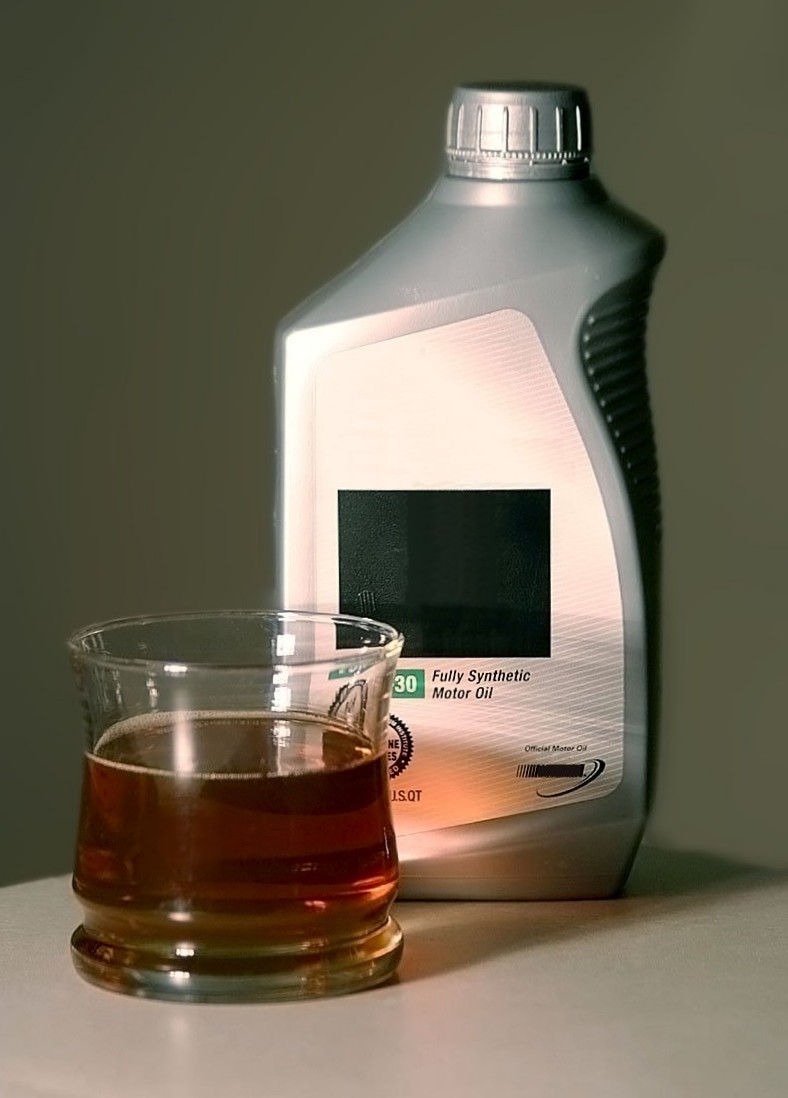
Black is usually fine. Thick, gritty, or strange-smelling is not. The distinction matters because real oil problems announce themselves through texture and smell, not color.
Oxidation is the slow killer. When oil is subjected to excessive heat over extended periods, oxygen attacks the base stock and the oil thickens into sludge or varnish that sticks to internal surfaces.
This is the dark, pasty deposit that restricts oil flow and raises engine temperature. It comes from severe heat or neglected change intervals, not from normal soot loading.
Fuel dilution is another genuine concern. Unburned gasoline or diesel can leak past the piston rings and mix with the oil, especially during cold operation or with high-pressure direct injection.
Diluted oil loses viscosity, which weakens the protective film between moving parts. If your dipstick oil smells strongly of fuel or feels unusually thin, that deserves attention.
Water and coolant contamination show up visually. Oil that looks creamy, milky, or like coffee with too much cream may contain water or coolant.
A small amount of pale residue under the filler cap can be harmless condensation from short trips, but milky oil on the dipstick calls for professional inspection. AAA's fluid-condition guidance says the same: milky, unusually thick, or fuel-smelling oil needs a mechanic, while plain dark oil just needs its scheduled change.
What to check instead of color
Follow the manufacturer's maintenance schedule or the vehicle's oil-life monitor rather than your eyes. AAA advises exactly that: engine oil naturally becomes darker in service, and the interval, not the hue, is the service trigger. That guidance also answers the endless debate about engine oil change intervals: the engineers who built the engine set the schedule, and the dipstick's color is not part of it.
Check the level regularly and check the condition with your nose and fingers. Rub a drop between thumb and forefinger. It should feel slick, not gritty.
Smell it. A strong gasoline odor suggests fuel dilution.
Look at it in good light. Amber to black is normal; milky or with visible metal flakes is not.
For the definitive answer, there is used oil analysis. Labs test a small sample for viscosity breakdown, remaining additive strength, fuel content, coolant traces, and wear metals. It costs a fraction of an unnecessary early oil change and tells you what the dipstick never can.
Should I change my oil early if it turns black fast?
No. Color is not the service trigger.
Change it on the manufacturer's schedule or when the oil-life monitor says so. Changing early because the oil looks dark wastes money and oil without helping the engine.
Does black oil mean I bought a cheap brand?
No. Darkening shows the dispersant additives are working, and every major brand formulates them in.
A cheap oil that meets the correct specification will darken just like a premium one. Buy the specification, not the color.
Why did my old car keep its oil golden for months?
Older port-injected engines simply made less soot, and looser tolerances and lower operating temperatures slowed contamination. Some engines also run cleaner by design. The golden look was never proof of better protection.
Can I test my oil condition at home?
Partly. The dipstick reveals level, obvious contamination like milkiness, and fuel smell.
It cannot reveal remaining additive strength or viscosity breakdown. For that, a laboratory used-oil analysis is the reliable route.
The bottom line
Black engine oil is usually working oil. Detergents and dispersants suspend microscopic soot so it cannot become sludge, and that suspension is what darkens the color, sometimes within miles on a diesel.
Judge oil by the service interval, the level, the feel, and the smell, not the shade. Save your worry for milky texture and fuel odors, the signs that actually mean something.
Latest in Automotive
- The Engine Oil Change Interval Myth
- Synthetic vs. Conventional Oil
- Why Tire Pressure Drops in Cold Weather
Get one plain-English car maintenance explainer in your inbox every week. Subscribe to the Rive News newsletter.
Image Credits: Wikimedia Commons / Shixart1985, Interiot, Frankieleon
Related stories

Why Does Tire Pressure Drop in Cold Weather?
Cold weather can cut tire pressure by 1 psi for every 10°F drop, thanks to the ideal gas law. Here is what happens inside the tire and what

Why Do Brake Rotors Warp, or Do They Actually?
Mechanics rarely see a truly warped rotor. The shudder usually comes from uneven pad deposits a few thousandths of an inch thick. Here

How to Buy a Used Car Without Getting Scammed: The Checklist
Over 450,000 cars a year have rolled-back odometers, NHTSA says. This checklist covers VIN checks, title washing, and the inspection that