
What is regenerative braking in simple terms, and how it works
Key takeaways
- Regenerative braking turns the electric motor into a generator while slowing down, sending recovered energy back to the battery.
- It only exists in cars with an electric motor: hybrids and EVs. Every one of them also carries normal friction brakes.
- It extends brake pad life dramatically but cannot handle emergency stops or the final crawl to a halt alone.
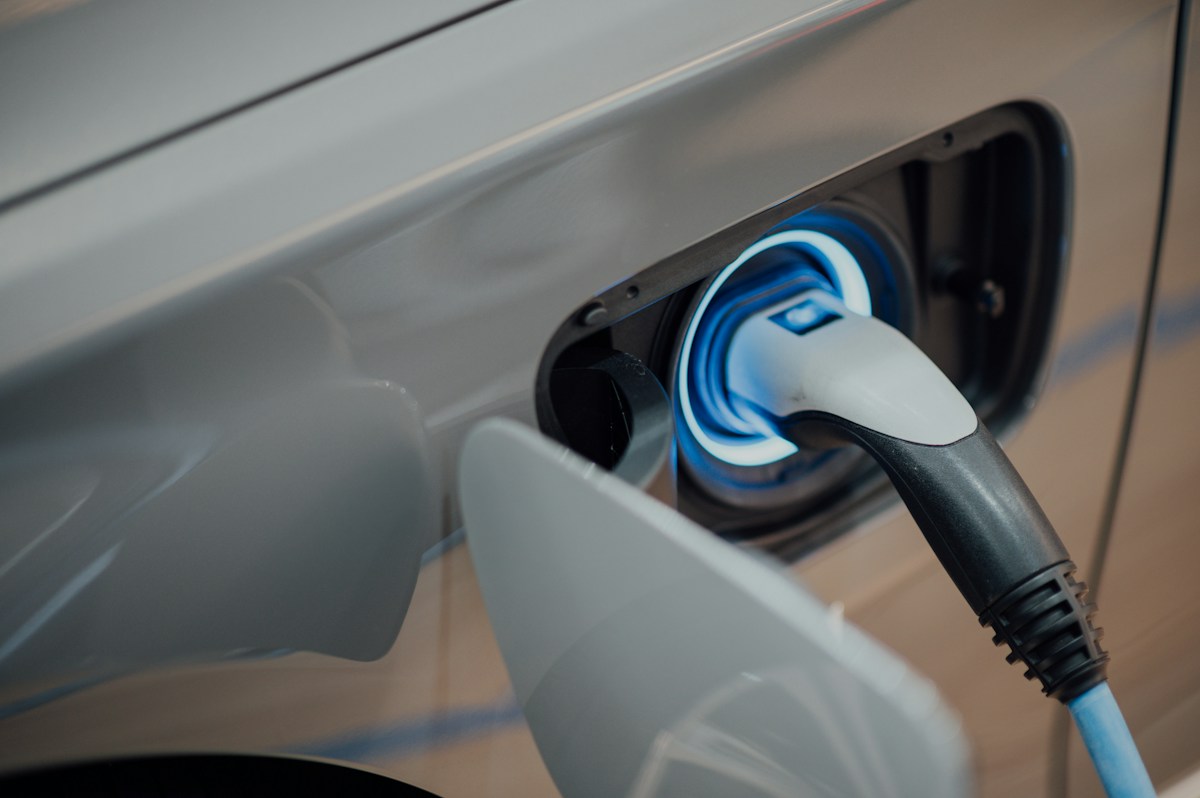
Regenerative braking is a system in hybrid and electric cars that recovers energy while slowing down. Instead of turning the car's forward motion into wasted heat, it converts part of that motion into electricity and stores it in the battery for later use.
The concept is straightforward once you see the reversal at its heart. When the car accelerates, electricity flows from the battery to the motor, and the motor turns the wheels. When the car slows down, the wheels turn the motor instead, and the motor acts as a generator that charges the battery.
This article explains how regenerative braking works, what it feels like from the driver's seat, where its limits are, and how it affects brake wear and maintenance.
How the motor becomes a generator
In a normal petrol or diesel car, pressing the brake pedal squeezes pads against discs, and friction converts the car's kinetic energy into heat. That heat drifts away into the air. The energy is gone.
Regenerative braking reverses the flow. According to Wikipedia, the system drives the electric motor in reverse to recapture energy that would otherwise be lost as heat, effectively turning the traction motor into a generator. The harvested energy feeds back into the battery or a capacitor, and can later be used for propulsion.
Carbuyer's guide frames it with a simple picture: Battery to Motor to Wheels when accelerating, Wheels to Motor to Battery when slowing down. Lifting off the accelerator stops feeding current to the motor, but the car's forward momentum keeps turning it. A spinning motor with no input current generates electricity, and the resistance of that generation is what slows the car.
The same principle powers a wind-up torch: spinning a small generator makes electricity. In the car, the forward momentum is the hand doing the winding. The physics has been used far beyond cars, too; Wikipedia notes that the S7/8 Stock trains on the London Underground return around 20 percent of their energy usage to the power supply.
Where you find it, and what it feels like
Regenerative braking only exists in cars with an electric motor. Carbuyer lists the full set: mild hybrids, self-charging hybrids, plug-in hybrids, and fully electric cars. A conventional petrol or diesel car has no motor to run in reverse, so it cannot regenerate.
From the driver's seat, the sensation resembles braking in a traditional car, though the strength varies by model. Many cars let the driver adjust how aggressively the system slows the car when the accelerator is released. The strongest setting enables one-pedal driving, where lifting off the pedal slows the car so firmly that the brake pedal is rarely needed in city traffic.
Carbuyer recommends starting new drivers on the weakest setting and working up, since the strongest setting takes some adjustment. On motorways, strong regen can even be a nuisance, decelerating the car every time you ease off, so some drivers switch it down or off for fast roads.
Regeneration helps efficiency, but it does not make the whole car cheaper to run. Stop-and-go traffic is also where cabin comfort systems work hardest, which is why drivers notice AC blowing warm at idle but cold when driving on hot days.
Two braking systems working together
Here is the part most explainers underplay. Regenerative braking never works alone. Every hybrid and EV also has a full conventional friction-brake system with pads, rotors, and hydraulic lines, and the car's computer constantly blends the two.
Recharged describes the blend clearly. Pressing the brake pedal first commands maximum regenerative braking, and pushing harder progressively adds friction braking.
You feel one smooth deceleration while two systems cooperate behind the scenes.
The friction brakes take over in four situations.
Hard or emergency braking needs stopping force regen cannot deliver. High-speed braking often exceeds what regen alone can manage.
Very low speeds are outside regen's effective range, so that final grab as the car halts comes from the pads. And when the battery is full or very cold, it cannot accept much charging current, so the car leans on conventional brakes instead.
Carbuyer confirms the safety logic: regen alone cannot perform a sudden emergency stop, and systems like traction control need traditional brakes because they adjust force at each individual wheel, something regen cannot do. If a brake or stability-control warning ever appears on the dash in an EV, the friction system is part of what those warnings protect.
Why brake pads last so much longer
Because regen handles most everyday slowing, the pads and discs sit idle through thousands of gentle stops. Recharged reports that many EV and hybrid owners see 100,000 miles or more between major brake services when the car is driven reasonably. Compared with similar petrol cars, pad life is often two to three times longer.
That longevity saves real money on consumables. Pads and discs that barely wear do not need replacing, and the savings compound over the life of the car. Stop-and-go city traffic, where conventional brakes work hardest and wear fastest, is exactly where regen shines most.

There is a catch, though, and Recharged names it plainly: pads can age even when you barely use them. Rotors and pads that never get friction can develop corrosion, especially in humid or salty climates. Occasional hard use after long idle periods can leave uneven wear that causes pulsing when braking.
The fix is simple. Most manufacturers recommend at least an annual brake inspection regardless of how thick the pads look, and a few deliberate firm stops now and then keep corrosion wiped off the rotors.
Cold, salty roads age brake hardware faster too, and winter is when car batteries die overnight as well, so schedule the annual inspection before the cold sets in. Long pad life does not mean zero maintenance.
Driving habits that get the most from regen
You do not need engineering knowledge to benefit. Look far ahead and lift off the accelerator early, letting regen do the work instead of racing to each stoplight. Smooth, progressive inputs give the system time to recover energy before friction has to join in.
Use higher regen settings in city driving where stop-and-go gives constant recovery opportunities. On the open highway, a gentler setting often feels better and recovers nearly as much, since coasting is efficient on its own.
Watch for changes in how the pedal feels. A softer pedal, grinding, or pulsing under braking in an EV is a sign to get the brakes inspected, even if the service computer reports plenty of pad life left. Weather also matters: drivers in cold or wet regions should remember that car batteries can die overnight for unrelated reasons, and that a cold battery temporarily reduces regen strength.
One-pedal driving deserves a final note. It is efficient and reduces fatigue in traffic, but it is a habit, not a requirement. Practice a few firm stops occasionally so you know exactly how the car feels when the friction brakes engage, because that is the feel you will rely on in an emergency.

Frequently asked questions
Does regenerative braking completely replace brake pads?
No. Regen does not use the pads at all, but every EV and hybrid keeps a full set of friction brakes for hard stops, emergencies, low-speed final braking, and situations where the battery cannot accept charge.
Can regenerative braking fully charge the battery?
No. Regen recovers only a portion of braking energy, and SlashGear cites a typical recapture efficiency of 16 to 70 percent depending on driving style, gradient, and temperature. It extends range but never replaces plugging in.
Why does my EV brake differently when the battery is full?
A full battery has nowhere to store recovered energy, so the system reduces regen and relies more on friction brakes. Cold batteries behave similarly. The change in feel is normal and temporary.
Do I need to service brakes I never use?
Yes. Pads and rotors can corrode when idle, and calipers can stick. Manufacturers generally recommend an annual brake inspection even when pad wear reads near zero.
Is one-pedal driving safe for beginners?
It is safe but unfamiliar. Start with a mild regen setting and increase it as you adapt. Keep in mind that emergency stops always use the friction brakes, so learn that pedal feel too.
The bottom line
Regenerative braking is the electric motor running in reverse: wheels turn the motor, the motor generates electricity, and that electricity tops up the battery. It cuts brake wear dramatically and boosts city efficiency, but it shares the car with conventional brakes that handle emergencies, low speeds, and full-battery situations. Drive smoothly, let regen do the routine slowing, and still get the brakes inspected once a year.
Related stories

Why Does Tire Pressure Drop in Cold Weather?
Cold weather can cut tire pressure by 1 psi for every 10°F drop, thanks to the ideal gas law. Here is what happens inside the tire and what

Why Do Brake Rotors Warp, or Do They Actually?
Mechanics rarely see a truly warped rotor. The shudder usually comes from uneven pad deposits a few thousandths of an inch thick. Here

How to Buy a Used Car Without Getting Scammed: The Checklist
Over 450,000 cars a year have rolled-back odometers, NHTSA says. This checklist covers VIN checks, title washing, and the inspection that