
Why Does Your Car Smell Like Petrol After Starting
Key takeaways
- A faint smell that fades within a minute or two is often normal cold-start enrichment.
- A strong, lingering, or cabin-filling smell can mean a fuel leak and needs prompt checks.
- Never ignore visible fuel, and never use a flame to hunt for a leak.
A petrol smell after starting gets attention fast, and it should. Petrol is volatile and flammable, so any leak is a safety concern that needs quick investigation.
At the same time, not every whiff means a leak. A cold engine deliberately runs rich for a short time, and that can produce a faint smell that clears on its own.
This article explains why your car smells like petrol after starting, including the normal cause, the leak causes, what to check, and when to stop driving and call for a tow.
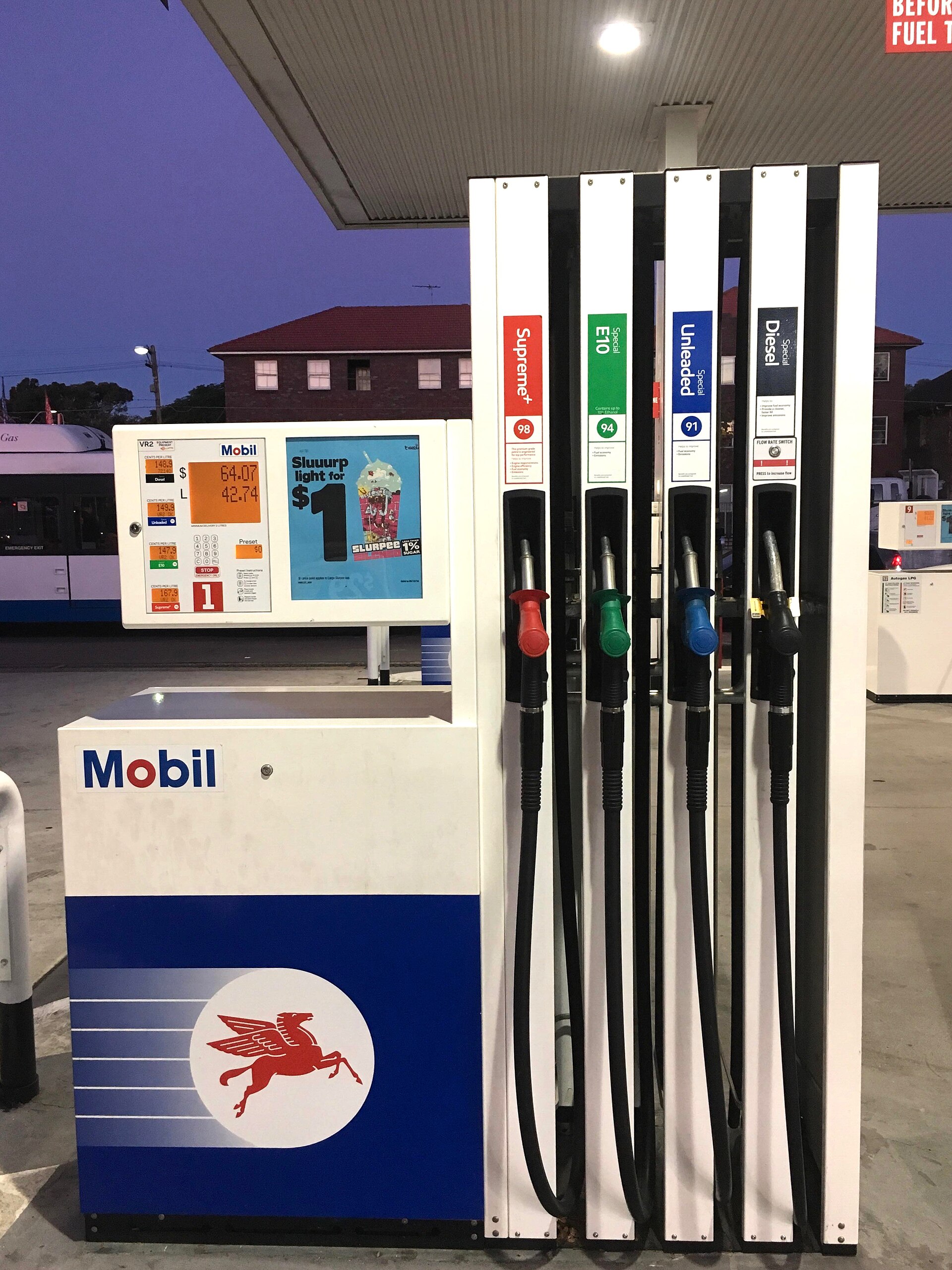
The normal cause: cold-start enrichment
When an engine is cold, it needs extra fuel to start and keep running. The engine control unit, or ECU, injects more fuel during a cold start to aid ignition and warm the catalytic converter quickly, according to Engineer Fix. This richer mixture means some fuel does not burn fully.
That unburned fuel leaves through the exhaust. Because the catalytic converter is still cold, it cannot clean up the exhaust yet, so a brief petrol smell is noticeable outside the car. If the smell fades within a minute or two of running, this transient condition is often the cause, according to Engineer Fix.
Cold weather makes the effect stronger. In very low temperatures, the coolant and exhaust are cold, the air-fuel mixture runs richer, and some mixture fails to combust fully and leaves through the exhaust, producing a noticeable petrol smell. Once the engine reaches normal operating temperature, around 80 to 90 degrees Celsius, the ECU reduces fuel injection and combustion becomes efficient, so the smell clears.
The rule of thumb is simple. A faint smell, outside the car, that clears within a minute or two, is often normal. A strong smell, a smell inside the cabin, or a smell that lingers beyond that window points to a fault rather than normal operation.
Fuel injector leaks
Fuel injectors spray petrol into the engine under pressure. Each injector is sealed by small rubber O-rings where it meets the fuel rail.
Those seals degrade with age, heat, and chemical exposure, according to Engineer Fix. When they harden or crack, they lose their ability to hold pressure.
The leak shows up most at startup because that is when the fuel system pressurises. Fuel can weep or drip onto hot engine parts and vaporise at once, creating a strong smell under the bonnet. In cold weather, shrunken seals may leak briefly until engine heat makes them expand again, which is one reason a smell can appear on the first start and then fade.
Leaking injectors can also flood the engine overnight. Fuel pools in the intake or cylinders, then vaporises at startup and creates a strong smell. If the smell comes with rough idling, hard starting, or black smoke from the exhaust, suspect the injectors or the fuel pressure regulator.
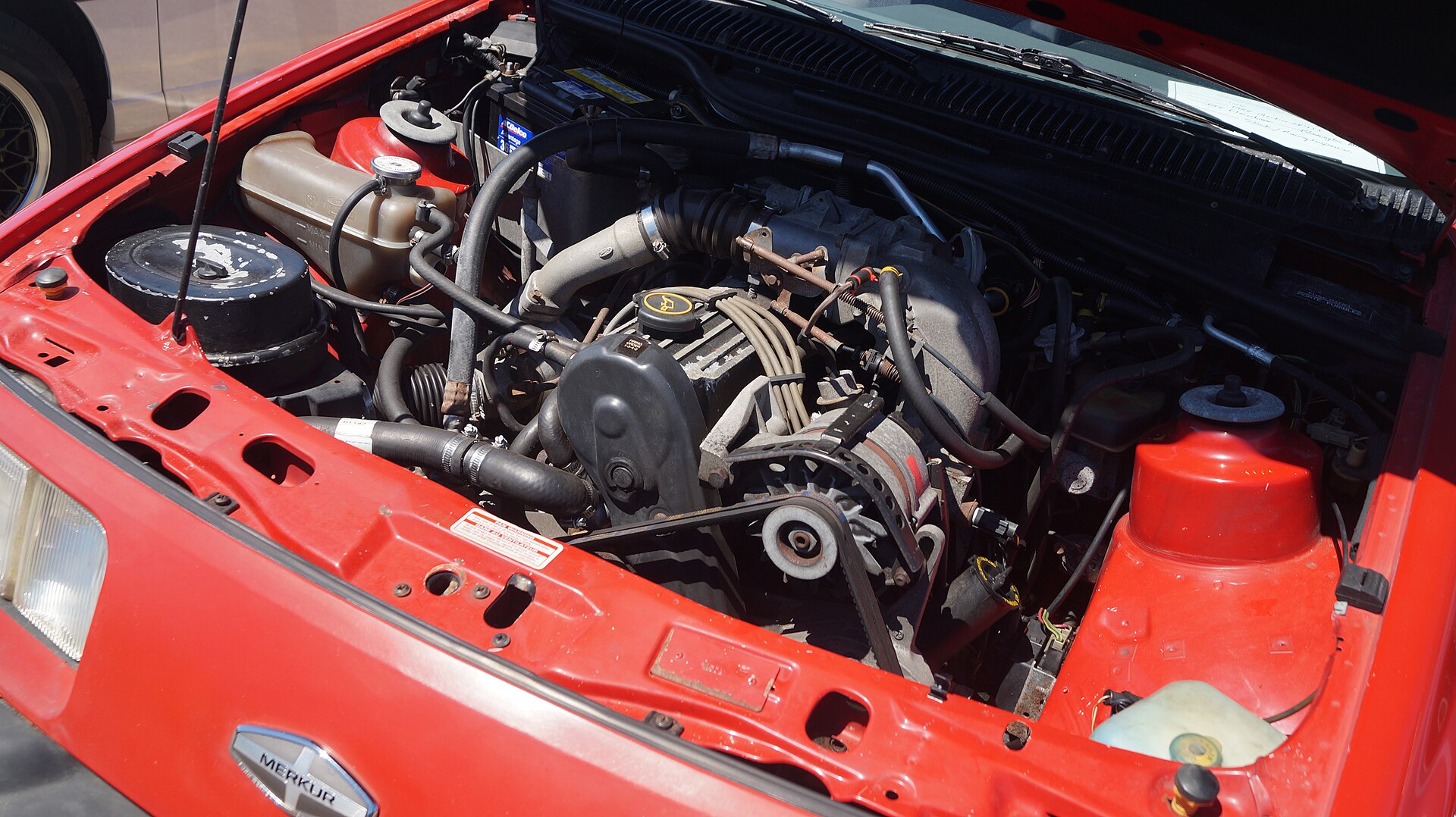
Fuel lines and hoses
Fuel lines carry petrol from the tank to the engine. Flexible hoses and their connections can develop leaks, especially on older vehicles where materials have suffered wear, heat, and rust, according to Engineer Fix. A breach anywhere along that path lets pressurised fuel escape.
A leak in the engine bay is the most worrying kind. Fuel can spray or drip onto hot exhaust parts or the engine block, which raises the fire risk. Even a pinhole leak releases enough vapour to create a strong smell at startup, because system pressure is at its highest point then.
Road salt speeds up corrosion of metal lines, and rubber hoses crack with age. Check for wet spots, drips, or fuel stains under the car and around the engine bay. A smell that is strongest under the car, toward the rear, points to the tank or the lines rather than the engine.
The EVAP system and the fuel cap
The evaporative emissions control system, or EVAP system, captures fuel vapours instead of releasing them into the air. It stores vapours in a charcoal canister and routes them to the engine to be burned during combustion. Failures in the canister, a cracked EVAP hose, or a faulty purge valve can let stored vapours vent directly into the air, according to Engineer Fix.
A loose or damaged fuel cap can defeat the whole seal. If the cap gasket degrades or the cap is not tightened properly, the sealed fuel system cannot hold pressure, and vapours escape. This often shows up as a smell shortly after refuelling, and it can also trigger the check engine light.
EVAP failures have a useful tell. They produce a noticeable smell without visible liquid dripping, because they release vapour rather than liquid fuel, according to Engineer Fix. A vapour-only smell with no wet spots still deserves a diagnostic check, since a smoke test by a mechanic can find leaks that eyes cannot.
Overfilling the tank can also flood the EVAP canister with liquid fuel. Stop at the first click of the pump. Topping up after the click is a common way to saturate the canister and create a lasting petrol smell.
Other causes worth knowing
A faulty fuel pressure regulator can let excess fuel pool in the intake manifold overnight. At startup, that fuel vaporises and creates a strong smell. Worn spark plugs can cause incomplete combustion, which leaves unburned fuel in the exhaust and adds to the smell.
Fuel can also reach the engine oil. If injectors leak or combustion wash-down occurs, petrol thins the oil and gives it a sharp fuel smell when the engine runs hot.
Pull the dipstick and check. Oil that smells strongly of petrol needs prompt inspection, because thinned oil lubricates poorly.
Older cars with carburettors can flood on startup, which produces the same symptom for a different reason. Cold weather brings its own set of starting and running problems, and a petrol smell in winter deserves the same checks as one in summer.
What to do when you smell petrol
Safety comes first. Park in a safe, open, well-ventilated place and switch the engine off, according to Engineer Fix. Do not try to start or drive the car if the smell is strong or if you see a visible leak, since starting pressurises the system again.
Once parked, look for clues. Check the fuel cap first: it should be present, undamaged, and tight.
Look under the bonnet for wet spots, drips, or spray around the fuel rail, injectors, and visible fuel lines. Look under the car for puddles or stains, and note where the smell is strongest: engine bay, cabin, or rear.
A diagnostic scan can help. An OBD-II scanner reads EVAP and fuel system trouble codes, such as P0440 for an evaporative emissions malfunction. The code narrows the search, though it does not replace a physical inspection.
If liquid fuel is dripping or pooling, do not start the car again. Arrange a tow to a mechanic, according to Engineer Fix.
A technician can use a fuel pressure tester or a smoke machine to pinpoint the leak safely. Never use a flame or a spark-producing tool to locate a fuel leak.
When to stop driving at once
Some signs mean the car should not be driven. A strong smell inside the cabin, visible liquid fuel, a large puddle under the car, or a smell that grows as you drive are all stop signals. Loss of engine power or stalling alongside the smell also means stop.
A faint outdoor smell that clears in a minute or two, with no other symptom, is the one case where driving on is usually reasonable. Even then, keep an eye on it. If the smell returns on the next cold start, or appears in warm weather too, book an inspection.
Costs vary widely with the cause. A fuel cap is a cheap fix.
Injector seals, fuel lines, and EVAP repairs cost more, and a tank replacement can exceed 1,000 dollars or pounds depending on labour access. The exact price depends on the car and the garage, so treat any figure as a range, not a quote.
FAQ
Is it normal for a car to smell like petrol when started?
A faint outdoor smell that fades within a minute or two can be normal cold-start enrichment, especially in cold weather. A strong smell, a cabin smell, or a smell that lingers is not normal and needs checking.
Why does my car smell like petrol but I see no leak?
Vapour leaks from the EVAP system release no liquid, so there may be nothing to see. A smoke test by a mechanic can find vapour leaks that leave no puddle.
Is it safe to drive a car that smells like petrol?
It depends. A brief, faint, outdoor smell that clears quickly is usually low risk.
A strong smell, a cabin smell, or any visible fuel means do not drive. Arrange a tow instead.
Can a loose fuel cap cause a petrol smell?
Yes. A loose, cracked, or missing cap breaks the fuel system seal and lets vapours escape. Tighten the cap until it clicks, and replace it if the gasket is worn.
Does a petrol smell mean the car will fail an emissions test?
It can. EVAP leaks and rich-running faults raise hydrocarbon emissions, and a check engine light for an EVAP code can cause a test failure. Fix the underlying fault before the test.
The bottom line
A short, faint petrol smell at startup is often just cold-start enrichment. A strong, lingering, or cabin-filling smell is a warning.
Check the fuel cap, look for wet spots, and do not drive if fuel is visibly leaking. Fuel smells are one of the few car symptoms where caution is always the right call.
Tags: car maintenance, fuel system, car smells, safety
Latest in Automotive
- What is the difference between petrol, diesel, and hybrid cars?
- Why does your car make a squealing noise when starting?
- How to improve fuel economy without driving slower everywhere
- How to prepare your car for winter in cold climates
Subscribe for one practical car-care explainer each week.
Related stories
Why does your car make a squealing noise when starting
A squeal at startup usually means a slipping serpentine belt. Learn the causes, the checks you can do, and when to get a mechanic involved
What is the difference between petrol, diesel and hybrid cars?
Petrol, diesel and hybrid cars differ in fuel use, torque and running costs. Diesel uses 15-20% less fuel, hybrids win in town, and rules
How to Improve Fuel Economy Without Driving Slower Everywhere
You can cut fuel use without crawling everywhere. Smooth driving, right tyre pressure, lighter loads, and basic upkeep save real money