
Why does your car make a squealing noise when starting
Key takeaways
- A short squeal at startup most often means the serpentine belt slips on a pulley.
- Cold and damp mornings make slipping worse, so the noise can fade as the engine warms.
- A squeal that lasts, grows louder, or comes with warning lights needs a mechanic soon.
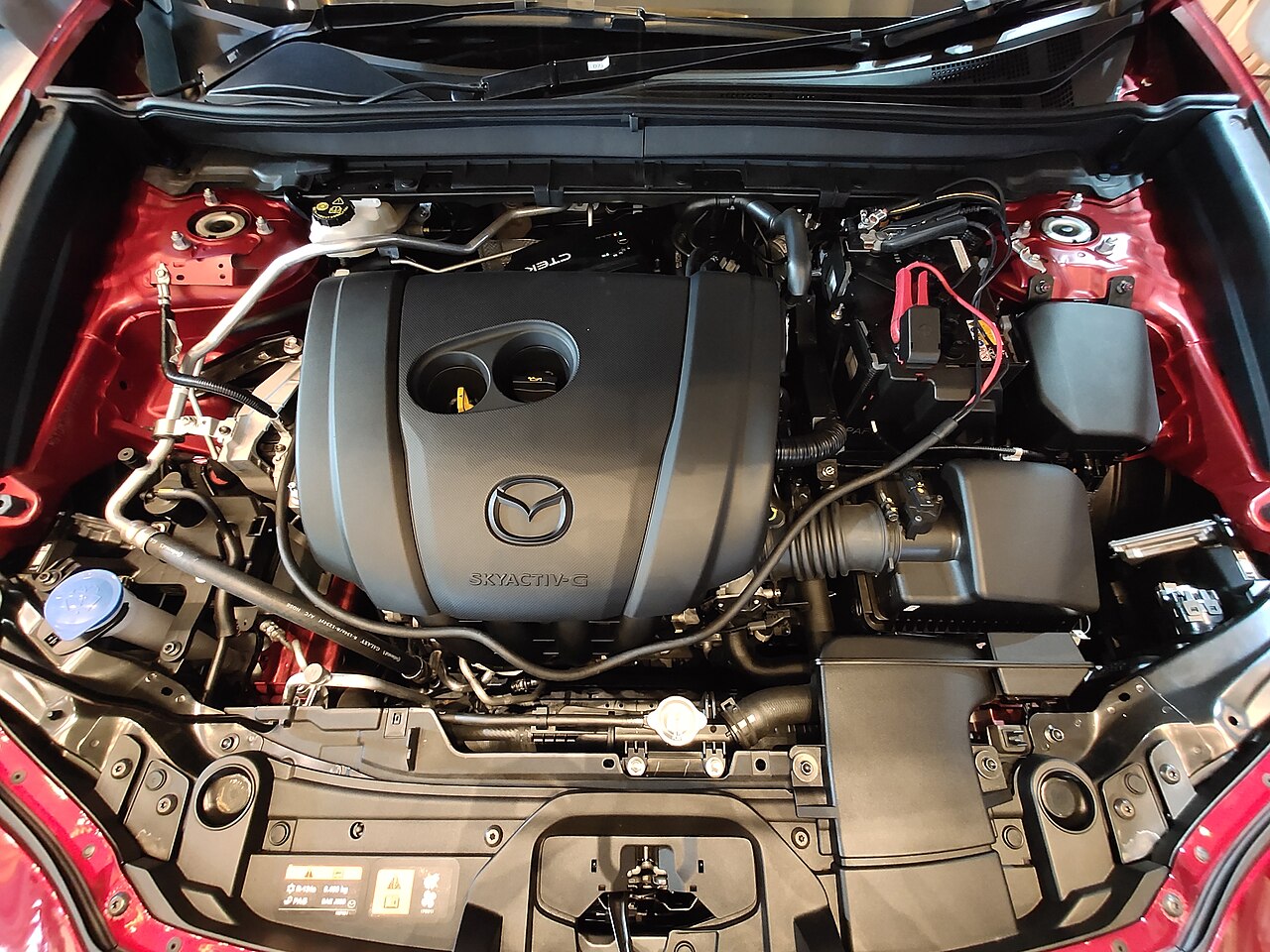
A squealing noise when starting is the sound of something slipping where it should grip. In most cars, that something is the serpentine belt, the single rubber belt that drives the alternator, power steering pump, water pump, and air conditioning compressor.
The squeal usually lasts a few seconds and fades as the engine warms up. That pattern is a clue, and it points to belt slip under the heavy load of a cold start.
This article explains why your car makes a squealing noise when starting, including how the belt system works, what makes a belt slip, how to tell belt noise from other faults, and what to do next.
How the serpentine belt system works
The serpentine belt winds around a set of pulleys in a snaking path, which gives it its name. The crankshaft pulley drives the belt, and the belt turns each accessory pulley in turn. AAA describes the belt as the link that keeps engine accessories running, and warns that a failed belt can stop power steering or coolant circulation.
One belt does all of this work in most modern cars. Older cars often used several separate belts, so one failing belt only stopped one system. A single-belt layout is compact, but it means a single failure affects everything at once.
Tension keeps the system working. A spring-loaded automatic tensioner holds the belt tight against the pulleys, and AAA advises replacing it with the belt so the new belt stays in full contact.
Why the belt slips at startup
Startup is the hardest moment for the belt. The starter has just drained the battery, so the alternator demands maximum power to recharge it. That demand puts a sudden load on the belt, and a belt with weak grip slips and squeals.
Cold weather makes it worse. Cold rubber grips less well, and morning dew on the pulleys acts as a short-term lubricant.
The noise fades for a clear reason. As the engine runs, the belt warms, the moisture burns off, and the alternator load drops as the battery recharges. Grip returns, and the squeal stops.
A squeal that follows this pattern is a classic cold-start belt slip.
The four common causes of belt slip
Loose tension is the first cause. A stretched belt or a weakening tensioner spring lets the belt ride loosely on the pulleys. The belt then slides instead of turning with the pulley, and the sliding makes the high-pitched sound.
Worn rubber is the second cause. Heat and age harden the belt surface into a smooth, shiny state called glazing. A glazed belt looks glossy and feels slick, and it cannot grip the grooves of the pulley.
Cracks, fraying, or missing chunks of rib are later signs of the same wear.
Contamination is the third cause. Oil, coolant, or power steering fluid on the belt coats the rubber and kills friction, and the squeal returns until the leak is fixed.
A dragging accessory is the fourth cause. If a pulley bearing on the alternator, water pump, or power steering pump starts to seize, the belt must drag that pulley around. The extra resistance forces the belt to slip.
This cause matters because replacing the belt alone will not fix it.
How to tell belt noise from other faults
Listen for timing first. A belt squeal starts with the engine and fades within seconds to a minute. A noise that only appears while the starter motor is cranking, then stops the instant the engine catches, points more toward the starter itself.
Listen for what changes the sound. A belt squeal often gets louder when you turn the steering wheel hard or switch the air conditioning on, because both actions raise the load on the belt. HomeAddict notes that hard steering demands maximum power from the power steering pump, which can make a slipping belt squeal loudly.
Listen for the shape of the sound. Belt slip is a high-pitched squeal or chirp that rises and falls with engine speed. A grinding or growling sound is different, and it suggests a bearing problem rather than a slipping belt.
Gumtree advises seeking help promptly if the noise changes to grinding, since that can mean alternator or water pump bearing failure.
Watch the dashboard too. A battery warning light or dimming headlights during a squeal suggest the belt is slipping on the alternator pulley, so the battery is draining while you drive. That combination needs attention the same day.
A 60-second check you can do safely
Start with the engine off and cool. Never reach near a belt while the engine is running, since a moving belt can catch fingers, sleeves, and hair. A cool engine also lets you see and feel the belt without burns.
Open the bonnet and find the belt. It is the wide, ribbed rubber belt winding around the pulleys at the front of the engine. Many cars carry a routing diagram on a sticker under the bonnet or in the owner's manual.
Look along the full length of the belt. Check for cracks across the ribs, frayed edges, a glossy glazed surface, or missing chunks of rubber. Any of these means the belt is worn, even if the squeal only appears at startup.
Press the belt gently midway between two pulleys. A belt with correct tension moves only a small amount, and a belt that feels slack points to a tensioner problem. Check the pulleys for oil or coolant stains, which suggest a leak is contaminating the belt.
Note what you find. A mechanic can diagnose faster with three facts: squeal length, cold or wet mornings, and steering or air conditioning changes. Cold-weather cars need the same seasonal care as in how to prepare your car for winter in cold climates.
When to drive on and when to stop
A brief squeal on a cold morning, with no warning lights and no other symptoms, is usually safe to drive to a planned inspection. Book the check soon, since a slipping belt wears faster the longer it slips.
A squeal that lasts through the whole drive is a stronger warning. The belt is losing grip under normal load, and it may fail without much more notice. Arrange repair before a long trip, not after.
Stop and get help if the squeal comes with a battery warning light, heavy steering, a climbing temperature gauge, or visible belt damage such as missing chunks. A snapped belt can leave a car without charging, cooling, or power steering within minutes.
Do not confuse the serpentine belt with the timing belt. The timing belt is hidden inside the engine and controls valve timing, while the serpentine belt is visible and drives accessories. Gumtree stresses that timing belt failure can destroy an engine, while serpentine belt failure stops accessories.
If your service manual shows a timing belt change is due, treat that as a separate job.
What repair usually costs
A serpentine belt replacement at an independent shop typically costs 100 to 300 dollars in parts and labour, according to HomeAddict. A dealership may charge 150 to 400 dollars for the same job. The exact price depends on the car model, since some engine bays make the belt hard to reach.
A tensioner or an oil-leak repair adds to the bill, and a leak must be fixed or the new belt will slip again.
Waiting costs more. HomeAddict puts a breakdown tow at 150 to 300 dollars, an alternator replacement at 500 to 1000 dollars, and overheating damage in the thousands.
How long a belt should last
AAA reports that modern serpentine belts can run for over 100,000 miles without visible wear, yet even a 5 percent material loss leads to belt slippage and extra wear. That is why technicians recommend replacement every 50,000 to 60,000 miles.
Your owner's manual is the final word for your car. Some makers set inspection every 20,000 miles and replacement by 60,000 to 100,000 miles. Follow the manual when it differs from a general rule, since belt routing and loads vary by engine.
Frequently asked questions
Why does my car only squeal on cold mornings?
Cold rubber grips less well, and dew or damp air can sit on the pulleys and lower friction. Startup also loads the alternator hard, since the battery needs recharging after cranking. The squeal fades as the belt warms, the moisture clears, and the charging load drops.
Can I spray something on a squealing belt to stop it?
Belt dressing gives short-term relief at best, and the wrong spray makes things worse. Gumtree advises specialist belt dressing, not WD-40, as a stopgap. The real fix is finding why the belt slips.
Is a squealing belt dangerous?
A brief squeal with no warning lights is usually not an emergency, but it is a warning. A belt that keeps slipping wears faster and can snap. If the squeal comes with a battery light, heavy steering, or a rising temperature gauge, stop driving and get help.
How do I know if it is the belt or the starter motor?
Belt noise starts with the engine and fades as it warms, and it often reacts to steering or air conditioning load. Starter noise appears only while the engine is cranking and stops the instant the engine catches. A mechanic can confirm the source with a short listen and a belt inspection.
How often should the serpentine belt be replaced?
AAA notes that technicians recommend replacement every 50,000 to 60,000 miles, even though modern belts can run past 100,000 miles without visible wear. Check your owner's manual for your model, and ask for a belt check at routine services. A smooth driving style also saves fuel, as covered in how to improve fuel economy without driving slower everywhere.
The bottom line
A squeal at startup is usually a slipping serpentine belt, and it is an early warning, not a mystery noise. Check the belt with the engine off and cool, note when the noise appears, and book a repair if the squeal lasts, grows, or brings warning lights. A belt changed on time is cheap, and it keeps charging, steering, and cooling working together.
Tags: automotive, car maintenance, serpentine belt, car noises
Latest in Automotive
- Petrol vs diesel vs hybrid cars: what is the difference
- Why your car smells like petrol when starting
- How to prepare your car for winter in cold climates
- What to do when your key fob stops working
Subscribe to the Rive News newsletter for one practical car-care explainer each week.
Related stories
Why Does Your Car Smell Like Petrol After Starting
A brief petrol smell at startup can be normal cold-start enrichment, but a strong or lingering smell can mean a fuel leak. Learn the causes

What is the difference between petrol, diesel and hybrid cars?
Petrol, diesel and hybrid cars differ in fuel use, torque and running costs. Diesel uses 15-20% less fuel, hybrids win in town, and rules
How to Improve Fuel Economy Without Driving Slower Everywhere
You can cut fuel use without crawling everywhere. Smooth driving, right tyre pressure, lighter loads, and basic upkeep save real money