
How to Improve Fuel Economy Without Driving Slower Everywhere
Key takeaways
- Smooth driving is the largest single win: aggressive driving can cut gas mileage by roughly 15 to 30 percent at highway speeds.
- Keeping tyres at the recommended pressure, cutting idling, and removing needless weight all save fuel at any speed.
- Fixing an out-of-tune engine improves fuel economy by about 4 percent, according to FuelEconomy.gov.
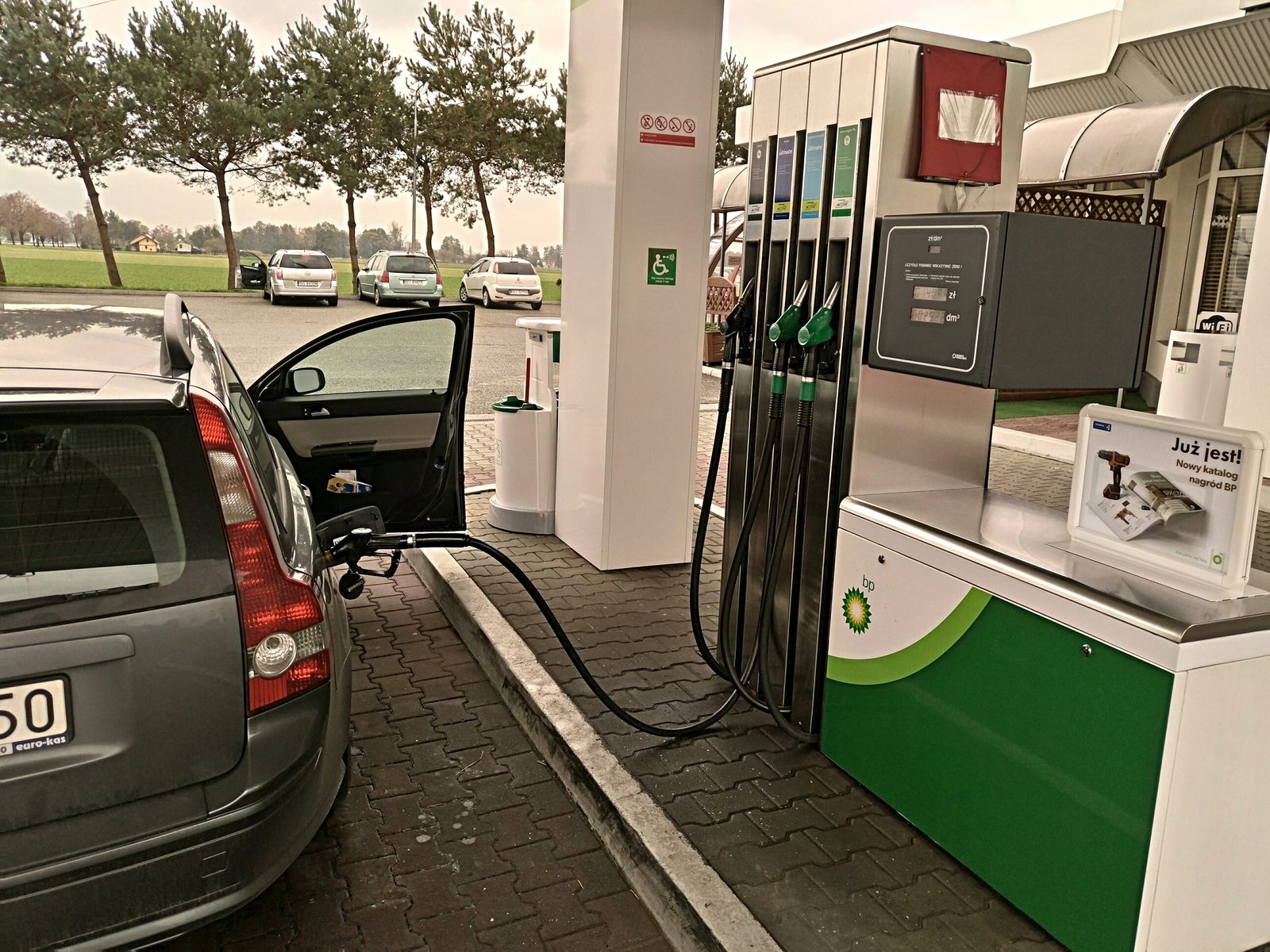
Fuel economy is the distance a car travels per unit of fuel, usually measured in miles per gallon or litres per 100 kilometres. Most advice about improving it starts with the same word: slow down. Speed does matter, but it is far from the only lever, and it is not even the largest one for many drivers.
This article explains how to improve fuel economy without driving slower everywhere, covering smooth driving, tyre pressure, idling, weight and drag, air conditioning, upkeep, and trip planning. None of these steps asks you to crawl along the motorway.
Drive smooth, not slow
Aggressive driving wastes fuel in a way that speed alone does not. FuelEconomy.gov, the official US government source run by the Department of Energy and the Environmental Protection Agency, reports that aggressive driving, meaning speeding, rapid acceleration, and hard braking, can lower gas mileage by roughly 15 to 30 percent at highway speeds and 10 to 40 percent in stop-and-go traffic.
The mechanism is simple. Hard acceleration pours fuel into the engine to build speed fast. Hard braking then throws that speed away as heat.
Gentle acceleration and early, gradual braking keep the energy you already paid for. You still reach the same cruising speed, but you spend less fuel getting there.
Look far ahead in traffic. When you see brake lights or a red signal in the distance, lift off the accelerator early and coast. Anticipation turns a stop-start drive into a flowing one.
In town, this habit alone can change your fuel use by a large margin.
Cruise control helps on flat motorways because it holds a steady speed. A steady speed uses less fuel than a speed that keeps drifting up and down. On hilly roads, switch it off and let the car gain a little speed downhill and lose a little uphill, since fighting every hill costs fuel.
Speed still matters, but only at the top end
Fuel economy usually drops fast once speed climbs past 50 mph. FuelEconomy. gov notes that each 5 mph driven over 50 mph is like paying an additional 0.30 dollars per gallon for gas.
That penalty grows with speed, since air resistance rises sharply as a car goes faster.
This does not mean you must drive slowly everywhere. It means the expensive zone is the top end. Dropping from 80 mph to 70 mph saves far more fuel than dropping from 60 mph to 50 mph.
If you drive fast on open motorways, a modest cut at the top end gives the best return for the least lost time.
Keep with the flow of traffic where it is safe to do so. A car weaving between lanes to pass everyone uses more fuel than one holding a steady place in the stream. Smooth and steady beats fast and frantic on almost every trip.
Keep tyres at the right pressure
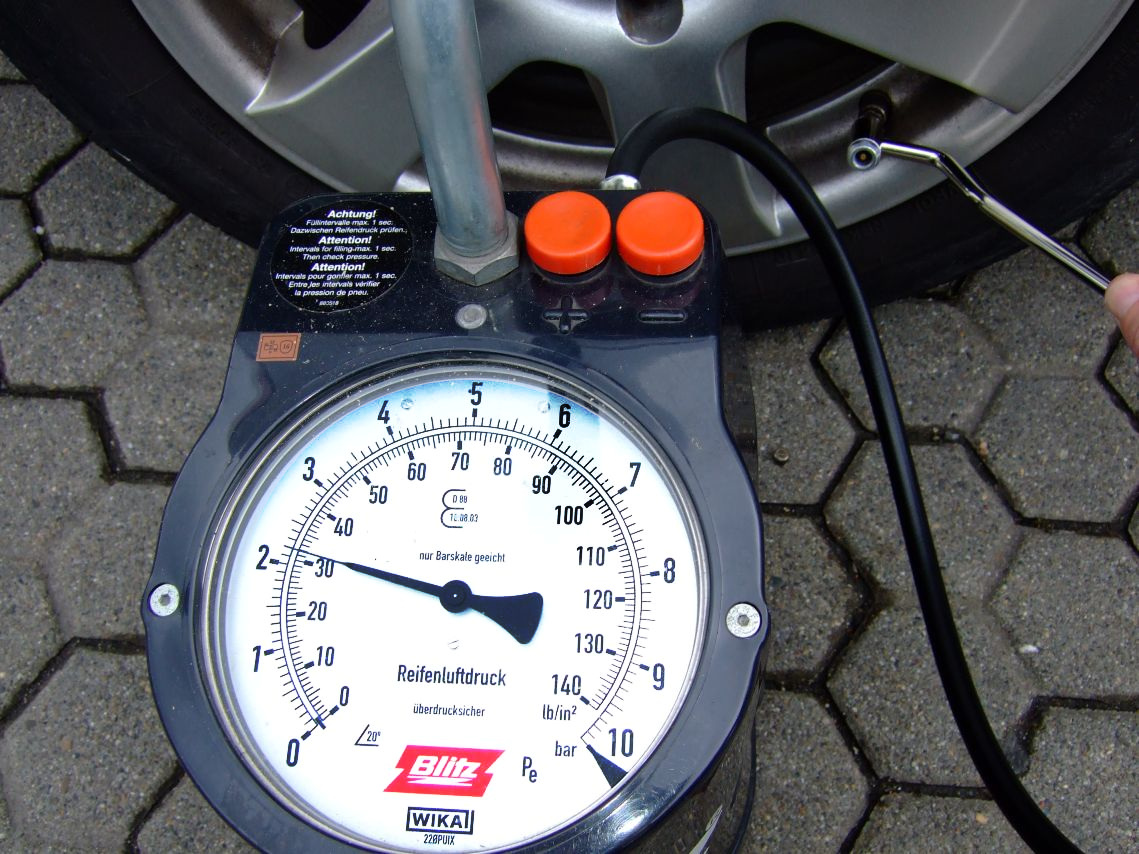
Tyres are where the car meets the road, and soft tyres fight you all the way. Underinflated tyres flex more as they roll, which raises rolling resistance and forces the engine to work harder. FuelEconomy.
gov reports that underinflated tyres can lower gas mileage by 0.2 percent for every 1 psi drop in pressure across all four tyres.
Tyres also lose pressure on their own. A typical tyre may lose 1 to 2 psi per month, and cold weather drops pressure further. That is why a monthly check matters more than a one-time fix.
Check pressure when tyres are cold, before driving or after the car has sat for at least three hours.
Use the pressure on the sticker inside the driver-side door jamb or in the owner's manual, not the maximum number moulded into the tyre sidewall. The sidewall number is a limit, not a recommendation. A basic gauge costs little and pays for itself quickly.
The US Department of Energy estimates that keeping tyres inflated to the proper pressure can improve gas mileage by roughly 3.3 percent. That gain costs nothing except a few minutes a month. Other upkeep helps too, and we come to that below.
Cut idling and combine trips
Idling gets zero miles per gallon. FuelEconomy. gov notes that idling can use a quarter to a half gallon of fuel per hour.
Turn the engine off when you are parked and waiting, unless you are in traffic.
Modern engines do not need a long warm-up idle, and letting a car idle to warm up uses more fuel and creates more pollution.
Short trips are thirsty for a different reason. A cold engine runs less efficiently until it warms up, so several short trips from a cold start can use twice as much fuel as one combined trip covering the same distance. Plan errands into one loop instead of five separate outings.
Order the loop so the longest leg comes first, letting the engine reach its working temperature early. Park once and walk between nearby stops when you can. Fewer cold starts and fewer miles add up over a month.
Lighten the load and cut drag
Every extra 100 pounds in a car lowers gas mileage by about 1 percent, according to FuelEconomy. gov. A boot full of tools, sports gear, and boxes you forgot to unload is a quiet fuel tax.
Take out what you do not need for the trip.
Roof loads are worse than boot loads. A roof-top cargo box can reduce fuel economy by 2 to 17 percent, since it increases aerodynamic drag. Roof racks and carriers do similar damage even when empty, because they disturb airflow over the car.
Remove roof racks when you are not using them, and put cargo inside the car or in the boot instead.
Open windows at motorway speed also add drag. At low speeds around town, open windows cost little. At high speeds, air conditioning may use less fuel than four open windows, though air conditioning has its own cost, which we cover next.
Use air conditioning with a light touch
Running electrical accessories lowers fuel economy, and air conditioning is the hungriest of them. FuelEconomy. gov reports that operating the air conditioner on Max can reduce MPG by roughly 5 to 25 percent compared with not using it.
That range is wide because it depends on the car, the weather, and how hard the system works.
Use the mildest setting that keeps you comfortable. Park in shade when you can, and open the windows for a minute to let hot air out before switching the air conditioning on. On mild days, use the fan alone.
On a hot motorway run, air conditioning with windows closed is usually the better choice.
Heated seats and rear window defrosters draw power too, but their effect is small next to air conditioning. Switch them off once they have done their job.
Keep the car in shape
A car that is out of tune wastes fuel every mile. FuelEconomy. gov reports that fixing a car that is noticeably out of tune can improve fuel economy by about 4 percent.
A faulty oxygen sensor, a misfiring spark plug, or a dragging brake can each add a steady penalty.
Use the grade of motor oil recommended in the owner's manual. Using the wrong grade can lower mileage by 1 to 2 percent. Look for oil marked "Energy Conserving" on the API label, which signals lower friction.
Replace a clogged air filter on older cars with carburetted engines, where it can improve mileage. On modern fuel-injected cars, a dirty filter hurts performance more than fuel use, but it is still worth replacing on schedule. Keep wheels aligned and balanced, since misalignment wears tyres unevenly and adds drag.
Watch the dashboard. A check-engine light often signals a fault that raises fuel use. Sorting it early protects both the engine and your wallet.
The same habit of noticing small faults early applies across car care, from a squealing noise when starting to a key fob that stops working.
Plan the trip, not just the speed
Route choice is a fuel choice. A slightly longer route with steady traffic can use less fuel than a shorter route through stop-start congestion. Navigation apps that show live traffic help you pick the flowing road.
Avoid rush hour when the trip is flexible. Ten minutes of waiting can save a tank of stop-start driving. If the trip is short and the weather is fair, walking or cycling uses no fuel at all, and public transport or a carpool spreads the cost across riders.
Track your fuel use for a month. Write down litres and distance at each fill-up, or use the car's trip computer. A number on paper turns vague good intentions into a habit you can see.
When a change works, the next fill-up shows it.
Frequently asked questions
Does cruise control really save fuel?
Yes, on flat motorways, because it holds a steady speed and avoids small accelerations. On steep hills it can cost fuel by fighting every gradient. Use it on flat roads and switch it off on hilly ones.
How often should I check tyre pressure?
At least once a month, and more often when temperatures drop. Cold weather lowers tyre pressure, so autumn is the season when most cars drift underinflated. Check when tyres are cold for an accurate reading.
Is it cheaper to drive with windows down or air conditioning on?
At low speeds around town, open windows cost little and are usually cheaper. At motorway speeds, open windows add drag, so air conditioning with windows closed is usually the better choice. Use the mildest air conditioning setting that keeps you comfortable.
Does premium fuel improve fuel economy?
Only if your car requires or recommends it. For most cars designed for regular fuel, premium fuel adds cost without a mileage gain. Check the owner's manual rather than the pump label.
How much can smooth driving save?
FuelEconomy. gov puts the benefit of sensible driving at 10 to 40 percent, depending on traffic. AAA notes that avoiding aggressive acceleration and hard braking can improve gas mileage by as much as 40 percent in stop-and-go traffic.
That is the largest single gain most drivers can make.
The bottom line
You do not need to crawl to save fuel. Drive smoothly, hold a steady speed, keep tyres at the recommended pressure, cut idling, lighten the load, and keep the car in tune. Each step is small, but together they can cut fuel use by a tenth or more without changing how fast you cruise.
Start with tyre pressure this week, then add smooth driving on the next tank, and let the numbers at the pump show the result. Drivers weighing running costs also benefit from knowing the differences between petrol, diesel, and hybrid cars before their next purchase.
Tags: fuel economy, driving, cars, saving money
Latest in Automotive
- Difference Between Petrol, Diesel, and Hybrid Cars
- Car Makes a Squealing Noise When Starting
- Key Fob Stops Working
Subscribe for one practical motoring guide in your inbox each week.
Related stories
Why does your car make a squealing noise when starting
A squeal at startup usually means a slipping serpentine belt. Learn the causes, the checks you can do, and when to get a mechanic involved
Why Does Your Car Smell Like Petrol After Starting
A brief petrol smell at startup can be normal cold-start enrichment, but a strong or lingering smell can mean a fuel leak. Learn the causes
What is the difference between petrol, diesel and hybrid cars?
Petrol, diesel and hybrid cars differ in fuel use, torque and running costs. Diesel uses 15-20% less fuel, hybrids win in town, and rules