
What is the difference between petrol, diesel and hybrid cars?
Key takeaways
- Petrol cars cost less to buy and run quietly, but they use more fuel than diesel or hybrid rivals.
- Diesel cars use about 15 to 20 percent less fuel and pull harder at low revs, which suits towing and long trips.
- Hybrid cars pair a petrol engine with an electric motor, so they save the most fuel in stop-and-go town driving.

Petrol, diesel and hybrid cars all burn fuel to move, but they do it in different ways. A petrol car uses spark plugs to ignite a mix of petrol and air. A diesel car squeezes its fuel-air mix until the heat of compression sets it alight, with no spark plugs at all.
A hybrid car adds one or more electric motors and a battery to a petrol engine, and the two power sources share the work.
This article explains how petrol, diesel and hybrid cars work, how they compare on fuel use and performance, what they cost to run, and which one fits which kind of driver.
How petrol, diesel and hybrid cars work
A petrol engine mixes petrol with air, then a spark plug fires to burn the mixture. The burn pushes a piston down, and that motion turns the wheels through a gearbox. Petrol engines rev freely and run smoothly, which is why they feel eager and quiet in town driving.
A diesel engine works on compression ignition. It squeezes air in the cylinder until it gets hot enough to ignite diesel fuel on contact. Diesel fuel holds more energy per litre than petrol, and the diesel cycle turns more of that energy into motion.
Modern diesels almost always use a turbocharger, which forces extra air into the engine and boosts low-speed pulling power.
A hybrid car carries both systems. In a full hybrid, a smaller petrol engine works with one or more electric motors and a battery pack. The electric motor handles low-speed driving and gives a boost when pulling away.
The petrol engine takes over at higher speeds, and it also charges the battery. A mild hybrid is a simpler version with a small 48-volt system that gives a modest assist but cannot drive on electric power alone.
One point confuses many buyers. A full hybrid charges itself as you drive, through the engine and through regenerative braking, which recovers energy when you slow down. You do not plug a standard hybrid into a wall socket.
Plug-in hybrids are a separate type, with a bigger battery you do charge from the mains.
Fuel economy and running costs
Fuel economy is where the three types split most clearly. Diesel engines typically use about 15 to 20 percent less fuel than equivalent petrol engines, thanks to their higher thermal efficiency, according to DailyDriven. That edge shows up most on long, steady motorway trips, where the diesel runs at its most efficient.
Petrol cars sit at the other end. They usually return the lowest miles per litre of the three, which means the highest fuel bill for the same distance. Their advantage is a lower purchase price and simpler servicing, which can offset the fuel cost for drivers who cover few miles.
Hybrids win in town. In stop-and-go traffic, the electric motor takes on much of the load, and the petrol engine can switch off at standstill. DailyDriven notes that hybrid consumption in urban conditions can be far lower than a conventional car.
On the motorway, though, the hybrid advantage shrinks, because the petrol engine does most of the work and must also carry the battery weight.
Real-world figures run higher than official test numbers. A European Commission report cited by DailyDriven found that petrol and diesel cars actually use about 20 percent more fuel than standard tests indicate. So treat brochure figures as a comparison tool, not a promise.
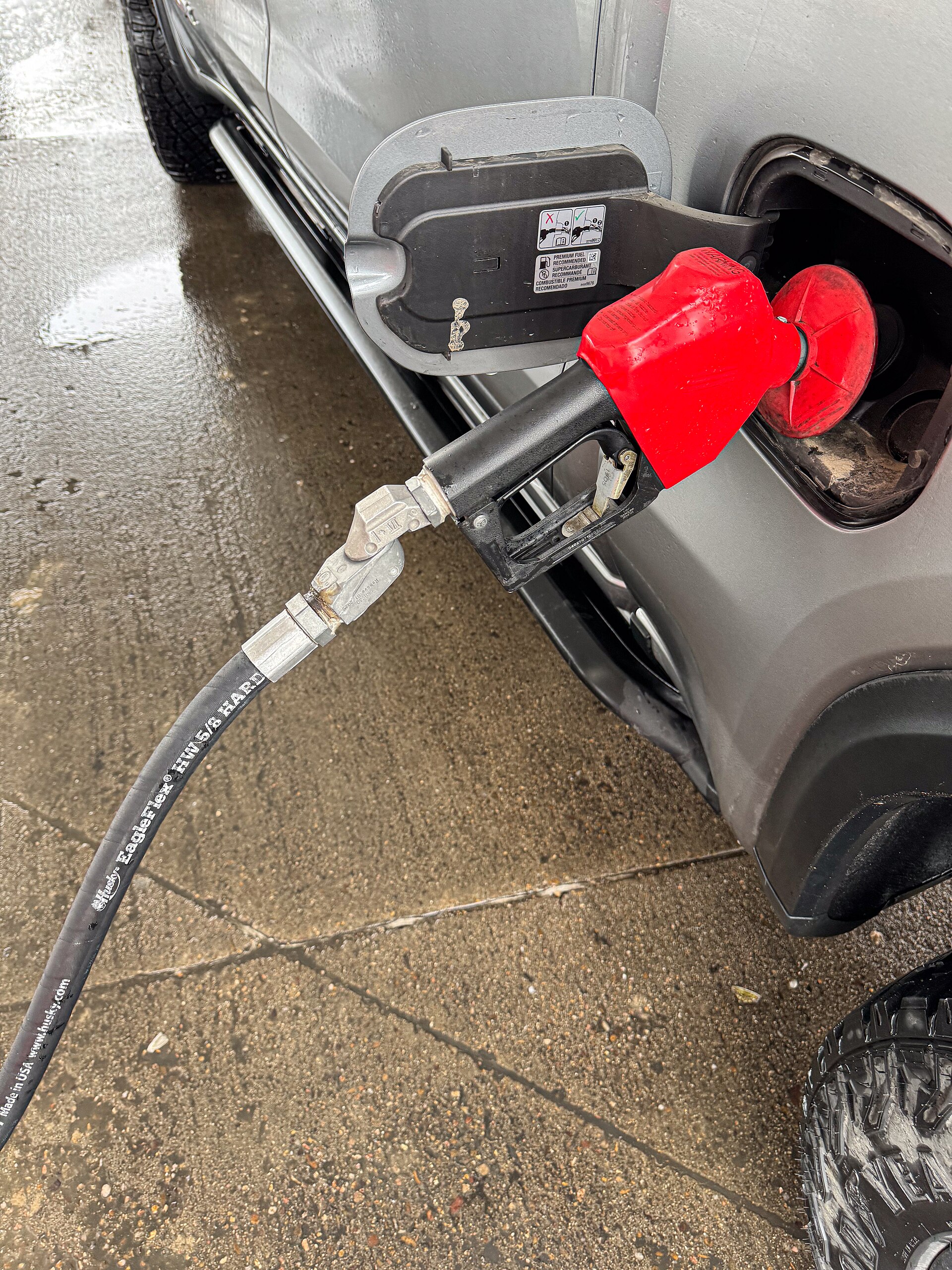
Running costs go beyond fuel. Diesel cars carry extra hardware such as a diesel particulate filter (DPF) and an AdBlue exhaust-treatment system, and servicing those parts costs money. Petrol cars need spark plugs and coils, but they have no DPF.
Hybrids add a high-voltage battery, yet many hybrid systems have a strong reliability record, and their batteries often carry long warranties.
Performance and driving feel
Torque is the key number for how a car feels when you press the accelerator. Torque is the twisting force the engine delivers, and it decides how hard the car pulls. A typical modern two-litre turbo diesel produces around 400 Nm of torque below 2,000 rpm, while an equivalent petrol turbo makes around 300 Nm at higher revs, according to DailyDriven.
That low-rev torque makes diesels feel strong from a standstill. They pull a caravan or a full load of passengers without strain, and they need fewer gear changes on hills. Petrol engines feel different.
They rev higher, respond quickly, and often reach higher top speeds, with a flatter torque curve that suits brisk driving.
Hybrids feel different again. An electric motor delivers its torque instantly, from zero revs, so a hybrid pulls away promptly and smoothly in town. At higher speeds, the picture changes.
Many hybrids use a continuously variable transmission (CVT) and carry extra battery weight, so their high-speed acceleration can feel more modest. Mild hybrids, with their small 48-volt systems, save only around 5 to 10 percent on fuel, according to DailyDriven, but they cost little extra.
Emissions and regulations
Emissions rules now shape which cars make sense in which place. Diesel cars produce less carbon dioxide per mile than petrol cars, because they burn less fuel. They emit more nitrogen oxides and particulates, though, which are the pollutants linked to local air quality.
That is why cities have targeted diesels with restrictions.
Several European cities have moved against older diesels. Paris, Madrid and Athens, together with Mexico City, decided in 2016 to ban diesel cars by 2025. London runs an Ultra Low Emission Zone that charges older, more polluting vehicles.
These rules do not ban every diesel overnight, but they make older diesels harder and costlier to use in city centres.
Petrol cars sit in the middle on emissions. They emit more carbon dioxide than diesels but fewer nitrogen oxides and particulates. Hybrids emit less than a pure petrol car in town, because the engine runs less often and the electric motor covers low-speed work.
The long-term direction is clear. The European Union has agreed that from 2035, all new cars sold in the EU must have zero carbon dioxide emissions. A hybrid bought today will still run for years, but its resale value will depend on how these rules develop.
Which type fits which driver
The right choice depends on how you drive, not on which technology wins a spec sheet. Start with your annual mileage and your typical trips.
Low-mileage town drivers usually suit petrol or hybrid cars. A petrol car costs less to buy and service, and it never has to worry about a diesel particulate filter clogging on short trips. A hybrid costs more up front but saves fuel on every short trip, and its quiet electric running suits city streets.
High-mileage motorway drivers still get real value from diesel. The fuel saving adds up over long distances, and the low-rev torque makes cruising and overtaking relaxed. But the buyer should check local rules, because a diesel that cannot enter city centres loses part of its value.
Mixed drivers often find a hybrid the easiest compromise, since it saves fuel in town and runs on petrol on the motorway.
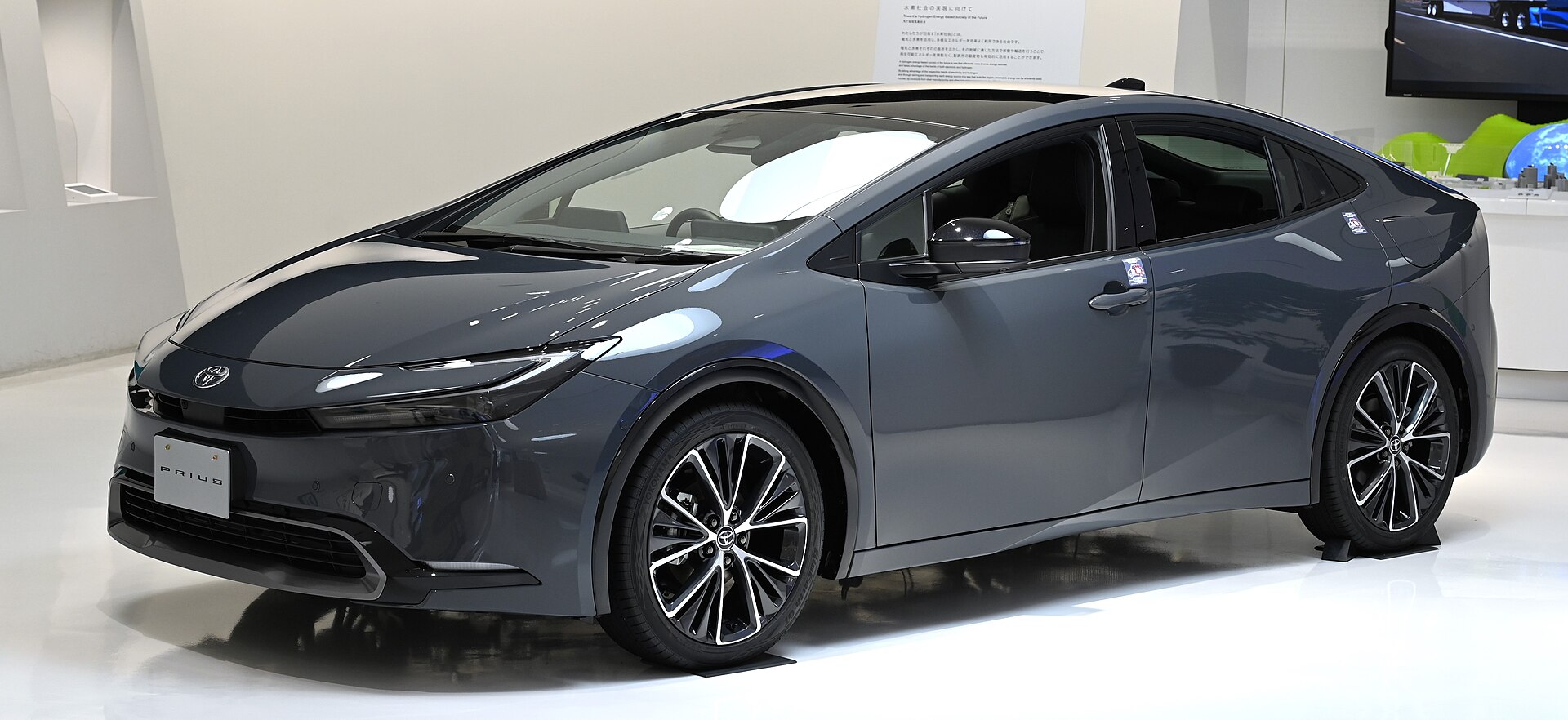
One rule of thumb comes from total-cost studies cited by DailyDriven: there is no general rule, because the answer depends on the model, annual mileage, purchase and maintenance costs, and resale value. A diesel only pays off at high mileage, while petrol and hybrid cars often win for urban use.
What to check before you buy
Drive each type on roads you actually use, including a hill start and a stretch at motorway speed. Listen for noise at idle, and feel how the car pulls away from a junction.
Check the service history and the warranty on hybrid batteries. Ask the seller about the diesel particulate filter if you are buying a used diesel, and find out whether the car meets the emissions standard your city requires. For a hybrid, ask how old the battery is and what the warranty covers.
Finally, work out the total cost, not just the price tag. Add fuel, insurance, servicing and likely resale value over the years you plan to keep the car. For a closer look at squeezing more miles from any car, see how to improve fuel economy without driving slower everywhere.
If a used car smells of fuel when you start it, read why a car smells like petrol when starting before you commit.
Frequently asked questions
Is a hybrid car more reliable than a petrol or diesel car?
Hybrids carry two power systems, so they are more complex, but many hybrid models have strong reliability records. Toyota and Lexus hybrid systems in particular are known for long battery life, and their batteries usually carry extended warranties. Check the warranty for the exact model you are considering.
Do diesel cars cost more to maintain?
Yes, usually. Diesel cars need a particulate filter and an AdBlue exhaust system, and repairs to those parts can be costly. Petrol cars need spark plugs and coils but have no particulate filter.
Hybrids sit close to petrol cars on routine servicing, with the battery as the main extra item.
Can I drive a hybrid without ever charging it?
Yes, for a standard full hybrid. It charges its own battery from the engine and from regenerative braking. Only plug-in hybrids need to be charged from the mains, though they can still run on petrol if you never plug them in.
Will diesel cars be banned?
No blanket ban on driving existing diesels is in force in most places, but several cities restrict older diesels, and new petrol and diesel car sales face phase-out dates in the EU and the UK. Rules vary by city, so check the rules where you live and drive.
The bottom line
Petrol cars are simple, quiet and cheap to buy. Diesel cars use 15 to 20 percent less fuel and pull hardest at low revs, which suits long trips and towing. Hybrid cars save the most fuel in town and run quietly on electric power at low speed.
Match the car to your mileage and your roads, check the emissions rules in your area, and let the total cost over several years decide.
Tags: petrol cars, diesel cars, hybrid cars, fuel economy
Latest in Automotive
- How to improve fuel economy without driving slower everywhere
- Why a car smells like petrol when starting
- How to prepare a car for winter in cold climates
- What to do when a key fob stops working
Subscribe to the Rive News newsletter for one practical explainer in your inbox each week.
Related stories
Why does your car make a squealing noise when starting
A squeal at startup usually means a slipping serpentine belt. Learn the causes, the checks you can do, and when to get a mechanic involved
Why Does Your Car Smell Like Petrol After Starting
A brief petrol smell at startup can be normal cold-start enrichment, but a strong or lingering smell can mean a fuel leak. Learn the causes
How to Improve Fuel Economy Without Driving Slower Everywhere
You can cut fuel use without crawling everywhere. Smooth driving, right tyre pressure, lighter loads, and basic upkeep save real money