
How to prepare a car for winter in cold climates
Key takeaways
- Test the battery and check tires first, since cold hits both hardest.
- Top up winter washer fluid, check antifreeze, and replace worn wipers for visibility.
- Pack an emergency kit and keep the fuel tank above one quarter in winter.
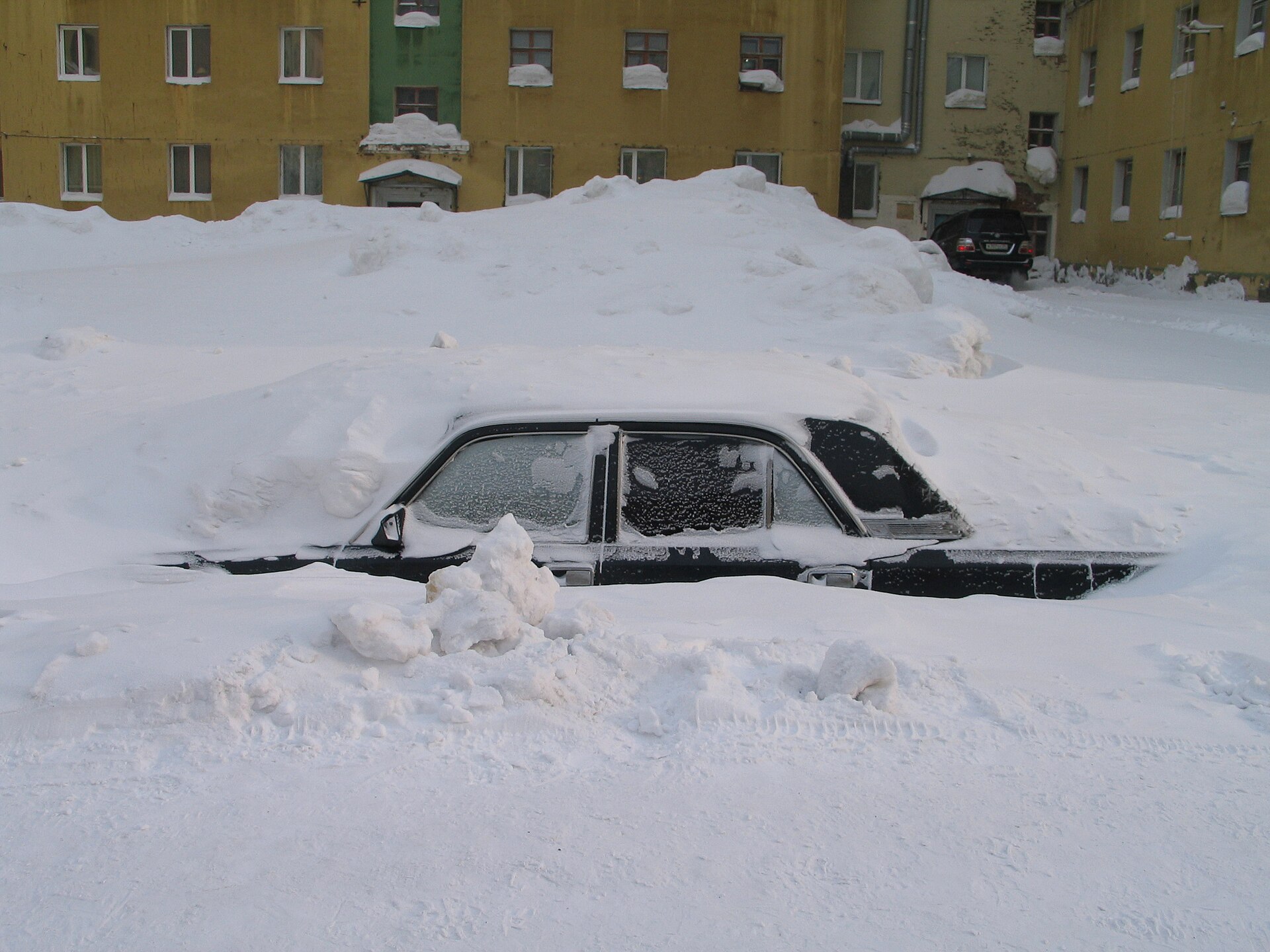
Cold weather punishes a car in ways warm weather never does. Oil thickens. Batteries weaken.
Tire pressure drops. Washer fluid freezes. Roads ice over.
A car that ran fine in September can refuse to start on the first freezing morning in December.
Preparation beats repair. A single weekend of checks in autumn can prevent a breakdown, a tow, or a crash. The stakes are real.
In a January 2026 winter safety release, AAA cited United States Department of Transportation figures: each year, 1,300 people are killed and 116,000 are injured in crashes on snowy or icy pavement. Megan Cooper, spokeswoman for AAA, The Auto Club Group, said, "Winter driving hazards such as slick ice, snow-packed roads, and reduced traction make braking and steering treacherous."
This article explains how to prepare a car for winter in cold climates, covering battery, tires, fluids, visibility, brakes and lights, emergency gear, and what to do if you get stranded.
Start with the battery
The battery is the most common winter failure. Cold slows the chemical reactions inside a battery, so it delivers less power. At the same time, a cold engine needs more power to turn over.
That gap strands drivers.
AAA Northampton states the scale plainly. At 0 degrees Fahrenheit, a car battery loses about 60 percent of its strength, while engines require more power to start. A battery that felt fine in summer can fail on the first cold morning.
If your battery is more than three years old, AAA advises having it tested before the cold sets in, and considering a replacement.
Testing is cheap and fast. Most auto parts stores and repair shops test batteries free or for a small fee. The test shows whether the battery still holds a full charge.
Ask the technician to check the cables and terminals too.
AAA Club Alliance adds a warning about maintenance habits. Its research found that 62 percent of vehicles are behind schedule for routine maintenance services. A battery check is one of the simplest items on that schedule.
Two-thirds of drivers, according to AAA, never check their battery before it dies. A five-minute test in autumn puts you in the other third.
If you buy a new battery, match the cold cranking amps to your car and climate. Cold cranking amps measure how much power the battery delivers in cold conditions. Your owner's manual lists the right rating.
A stronger battery helps in deep cold, but the correct fit matters more than the biggest number on the shelf.
Check tires and pressure
Tires are the only part of your car that touches the road. In winter, that contact patch is everything. Worn tires on ice stop later, slide sooner, and steer worse.
AAA lists tires as a top winter item: check pressure weekly and consider winter tires.
Pressure drops with temperature. The rule of thumb is about 1 pound per square inch for every 10-degree Fahrenheit drop. A tire filled to the right pressure in a 60-degree garage can read several pounds low on a 20-degree morning.
Low pressure hurts handling and wears the tire unevenly. Check pressure when tires are cold, before driving, and fill to the number on the driver's door jamb sticker. That number is the maker's recommendation.
The number on the tire sidewall is the maximum pressure, not the target.
Tread depth decides grip. AAA Northampton advises at least 4/32 of an inch of tread for winter driving. A simple check uses a coin.
Insert a penny into the groove with Lincoln's head facing down. If you see the top of Lincoln's head, the tread is too low. Replace the tire.
Also inspect for cuts, bulges, and cracking, and do not forget the spare.
Winter tires are worth considering where snow and ice are common. Their rubber stays flexible in cold, and their tread patterns bite into snow. All-season tires work in light snow if the tread is deep.
In heavy winter regions, a set of winter tires on all four wheels gives the best traction.
Fluids: coolant, oil, and washer fluid
Fluids behave differently in cold. Coolant, also called antifreeze, stops the engine block from freezing and cracking. AAA advises checking the antifreeze level and mix before winter.
The standard mix is half antifreeze and half water. A tester from an auto parts store reads the mix in seconds.
Engine oil thickens in cold. Thick oil flows slowly on a cold start, which starves parts of lubrication for a few seconds. If an oil change is due soon, do it before winter.
Check your owner's manual for the right oil grade. Some cars take a thinner winter grade. Do not guess.
The manual lists the grade for your engine and climate.
Washer fluid is the most overlooked winter fluid. Regular washer fluid can freeze in the reservoir and on the windshield. AAA advises topping off with a winter formula that will not freeze.
Keep an extra jug in the trunk. Winter roads spray salt, slush, and grit onto the glass.
Check the other fluids too. Brake fluid, power steering fluid, and transmission fluid each have a level and a service interval. A pre-winter service visit can cover all of them in one stop.
If you notice spots under the car, get them checked before the cold hides the leak under snow.
Visibility: wipers, lights, and defrosters
You cannot dodge what you cannot see. Winter cuts visibility with short days, snow, fog, and salt film. AAA's winter checklist covers wipers and defrosters: replace blades and make sure the heater works.
Wiper blades wear out fast. AAA Northampton notes that most only last about six months. Streaking, skipping, or chattering means the blade is done.
Winter blades have a rubber boot that resists ice buildup on the frame. They cost a little more and clear better in snow.
Test the defrosters before you need them. The front defroster should clear the windshield in minutes. The rear defroster should clear the back window.
If either is slow, check the fuses and the heating grid on the rear glass. Clean the inside of the windshield too. A film of grime on the inside fogs up fast in cold, damp air.
Check every light. Headlights, brake lights, turn signals, and hazard lights all matter more in winter darkness. Clean the lenses, since road salt dulls them.
Replace any burnt bulb. A dead brake light in a snowstorm can cause a rear-end crash.
Brakes, belts, hoses, and heating
Brakes deserve a pre-winter inspection. Wet, icy roads demand consistent stopping. If you feel grinding, squealing, vibration, or a soft pedal, book an inspection before winter.
Salt and moisture corrode brake parts over time. A mechanic can check pads, rotors, calipers, and lines in one visit.
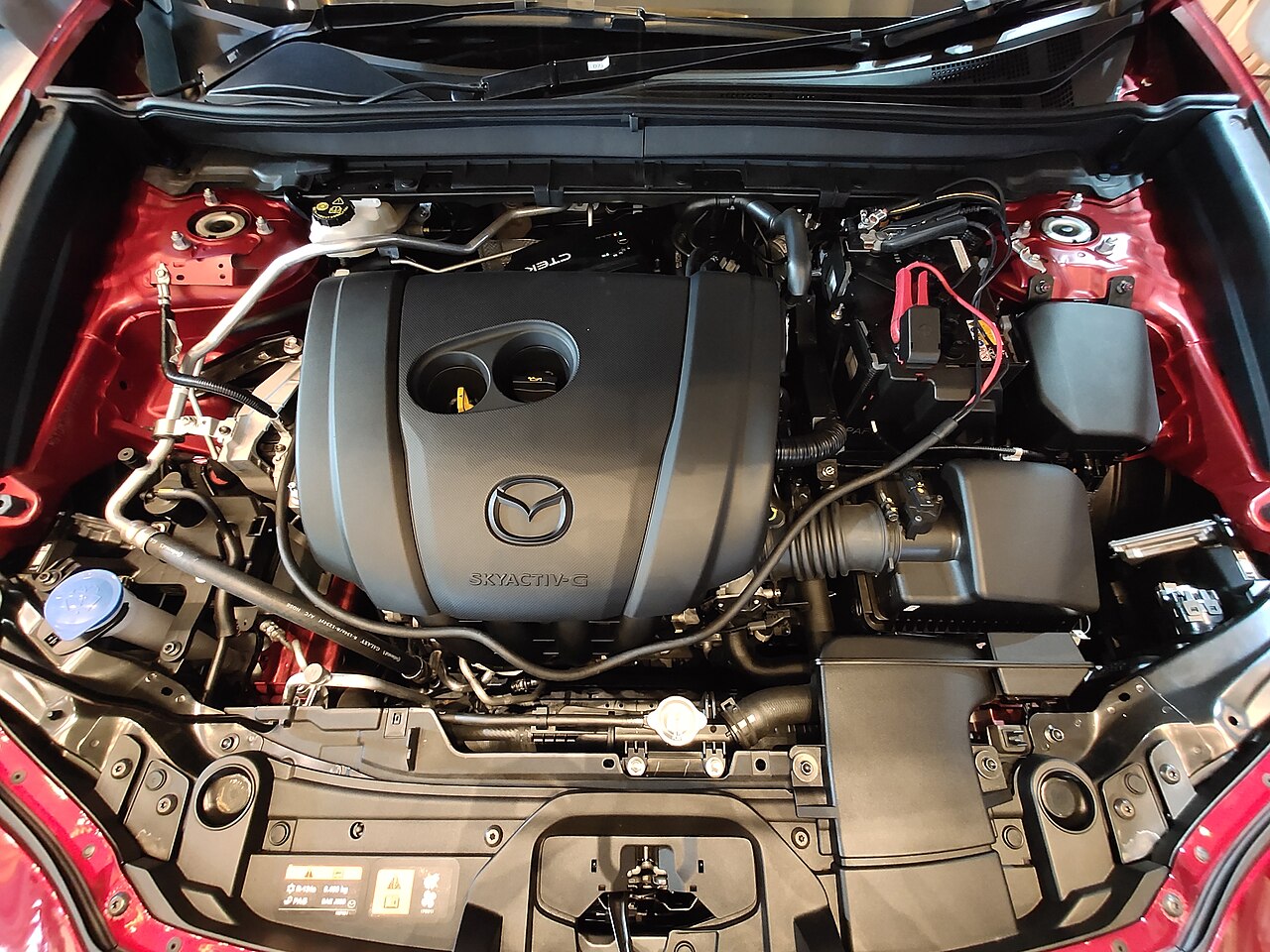
Belts and hoses suffer in cold. Rubber turns brittle as temperatures drop. Inspect belts for cracks and fraying, including the grooved underside where most wear hides.
Squeeze hoses and look for leaks, cracks, or loose clamps.
Pack a winter emergency kit
Even a well-prepared car can get stuck. A crash, a closed road, or a whiteout can leave you parked for hours. An emergency kit turns that wait from dangerous to uncomfortable.
AAA recommends keeping these items in the trunk: a blanket and warm clothing, an ice scraper and snow brush, jumper cables, a flashlight with extra batteries, non-perishable snacks and bottled water, and a small shovel with traction material such as sand or kitty litter. Add a phone charger, a first aid kit, and any medicine you need.
Keep the kit in the car all winter, not just on long trips. Most winter breakdowns happen close to home, on roads you drive every day. The kit only helps if it is already in the trunk when trouble finds you.
Fuel, parking, and daily winter habits
AAA warns drivers not to let the gas tank drop below one quarter in bad weather. A fuller tank keeps the fuel pump covered and gives you heat if you get stuck. Fill up before long trips and top off before a forecast storm.
Clear the whole car before driving. Brush snow off the roof, hood, lights, and plates. Clear every window and mirror.
A full clear takes five minutes and prevents a crash.
Warm the car properly. Idling for a few minutes is fine, but long idling wastes fuel and does not warm the engine well. Drive gently for the first few minutes instead.
Never warm a car inside a closed garage, since exhaust gas in an enclosed space can kill.
Electric vehicles in cold weather
Electric cars face a different winter problem. Cold cuts battery range. AAA says cold weather can slash EV range by up to 40 percent and slow charging.
Plan trips with that range loss in mind.
Three habits help. Precondition the battery while the car is still plugged in, which warms the pack before you drive. Leave the car plugged in overnight when possible to keep the battery warm.
Charge more often in winter, since range can drop by 20 to 40 percent in cold weather, according to AAA.
If you get stranded
AAA gives a clear stranded protocol. Stay inside your vehicle for shelter unless it is unsafe. Turn on hazard lights.
Call for help and share your GPS location. Run the engine sparingly, about 10 minutes per hour, and crack a window for ventilation. Layer clothing, stay hydrated, and conserve your phone battery.
The cracked window matters. A running engine in deep snow can push exhaust under the car and into the cabin. A small opening vents that gas.
Check that the exhaust pipe is not blocked by snow before running the engine.
Do not leave the car to walk for help in a storm. Your car is shelter and a signal. Rescuers look for cars.
A person walking in a whiteout is hard to find.
The bottom line
Winter preparation is a short list with a big payoff. Test the battery, check tire pressure and tread, confirm the coolant mix, switch to winter washer fluid, replace worn wipers, check the lights and brakes, and pack an emergency kit. Keep the tank above one quarter and clear the whole car before every trip.
One autumn weekend of work keeps the car starting, stopping, and heating all winter.
Tags: automotive, winter driving, car maintenance, cold weather
Latest in Automotive
- What is the difference between petrol, diesel, and hybrid cars
- Why your car makes a squealing noise when starting
- How to improve fuel economy without driving slower everywhere
- What to do when your key fob stops working
Subscribe for one practical car care tip each week, no spam.
Related stories
Why does your car make a squealing noise when starting
A squeal at startup usually means a slipping serpentine belt. Learn the causes, the checks you can do, and when to get a mechanic involved
Why Does Your Car Smell Like Petrol After Starting
A brief petrol smell at startup can be normal cold-start enrichment, but a strong or lingering smell can mean a fuel leak. Learn the causes

What is the difference between petrol, diesel and hybrid cars?
Petrol, diesel and hybrid cars differ in fuel use, torque and running costs. Diesel uses 15-20% less fuel, hybrids win in town, and rules