
What to Do If Your Key Fob Stops Working
Key takeaways
- A dead or weak coin-cell battery causes most key fob failures, and a fresh CR2032 or similar cell fixes them in minutes.
- Most fobs hold their pairing without power, so a battery swap does not erase the programming.
- Every fob hides a mechanical key, and most cars start with a dead fob held against the start button.
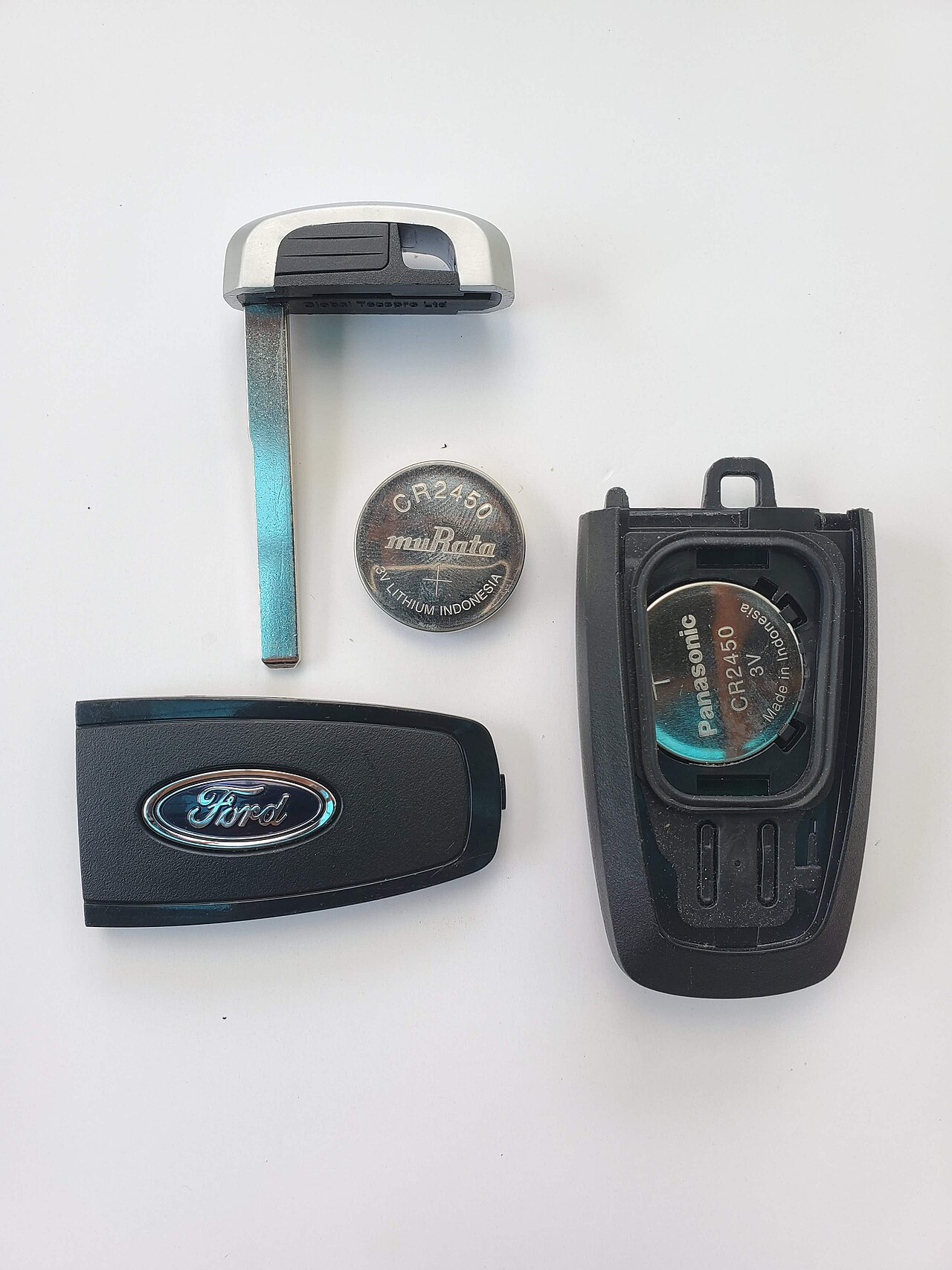
You press the unlock button and nothing happens. You press it again, closer to the car, and still nothing. A key fob failure feels like a lockout, but most of the time it is a small battery giving up.
This article explains what to do if your key fob stops working, including how to diagnose the fault, replace the battery, use the hidden mechanical key, resync the fob, and decide when a dealer or locksmith is the right call.
How a key fob works
A car key fob is a small, portable radio transmitter that talks to the car's security system, Engineer Fix explains. It sends a coded signal that locks and unlocks the doors, opens the trunk, and in many cars supports push-button starting. The code lives on a chip called EEPROM, which is non-volatile memory.
That matters because non-volatile memory keeps its data even with no power.
The battery only powers the radio transmitter. When the battery dies, the fob stops sending its signal, but the stored code stays put. That is why a battery swap restores most fobs at once, with no reprogramming.
Modern fobs do more than lock doors. Tagore AutoParts notes that a fob can handle remote start, trunk release, proximity unlock, and push-button ignition, all running on one small coin-cell battery that usually lasts two to four years.
First checks before you open anything
Start with the simplest tests. They take a minute and can save a battery swap.
Move closer to the car. A dying battery shrinks the working range, so a fob that fails from ten meters may still work at two. Try each button twice, slowly, since a weak signal can need a second press.
Check for interference. Phones, laptops, chargers, and metal objects can block the fob's signal. Ten Cook Me suggests moving away from other electronics and trying again within 3 to 5 feet of the car.
It also notes the old trick of holding the fob near your head, since your body can act as an antenna.
Try the spare fob if you have one. If the spare works and the main fob does not, the fault sits in the main fob, not the car. If neither fob works, the car's receiver or battery may be the problem, and that points toward professional help.
Check the fob's little LED. Tagore AutoParts lists a weak or missing LED as one of the signs of a dying battery, along with shorter range and hit-or-miss buttons. A dashboard warning about low key battery on some cars tells the same story.
Replace the battery
A battery swap is the number one fix. Tagore AutoParts puts a DIY swap at $2 to $8 and about five minutes, against $50 to $150 or more at a dealer or locksmith.
Find the right battery first. The most common type is the CR2032, a 3-volt coin cell. Other fobs use CR2025, CR2016, CR1620, or CR2450, according to Tagore AutoParts.
Check the marking on the old battery or look in the owner's manual. Buying the wrong size wastes a trip.
Open the case gently. Most fobs open one of three ways: a visible seam you pry apart, a tiny screw on the back, or a release switch that pulls out the emergency key and leaves a pry slot. Lay the fob on a soft cloth and use a small flathead screwdriver or a plastic pry tool.
Go slowly, since rushing snaps the plastic clips.
Note the battery position before you remove it. Engineer Fix stresses that polarity is essential: the positive side, usually marked with a plus sign, faces a set direction, and a reversed battery will not power the fob. Snap a photo with your phone so you can match it.
Slide the old battery out without touching the circuit board more than needed. Skin oils can harm contacts over time, Engineer Fix notes. Check the contacts for corrosion or dirt.
A cotton swab with a little rubbing alcohol cleans light corrosion.
Drop in the new battery the same way the old one sat. Press it snug, snap the two halves together until the seams close, and make sure any rubber gasket seats properly to keep moisture out. Then test every button: lock, unlock, trunk, and panic.
Step back and test the range too.
Use the hidden mechanical key
Almost every fob hides a mechanical key inside. Ten Cook Me describes it as a small metal key you release with a slide or twist button on the fob. Use it to unlock the driver's door by hand when the remote fails.
Once inside, most cars still start with a dead fob. On push-button models, hold the fob against the start button while pressing it. Some cars have a dedicated slot for the fob.
Your owner's manual shows the exact method for your model, so check it before you need it in a parking lot at night.
Keep the mechanical key in mind for cold weather too. Ten Cook Me notes that batteries lose power temporarily in freezing temperatures. Warming the fob in your hands or pocket for a minute or two can revive it long enough to unlock the car.
If the fob still fails after a new battery
A fresh battery does not fix every fob. Work through these checks before you pay for help.
Recheck the battery. A reversed battery, a loose clip, or a dud cell straight from the packet can all leave the fob dead. Tagore AutoParts lists trying another battery as the first step, since a dead new cell is not rare.
Confirm the polarity and the seating.
Look for physical damage. Check the case for cracks, the buttons for stickiness, and the contacts for corrosion. Ten Cook Me lists cracks, corrosion, and unresponsive buttons as the signs to look for.
Clean the contacts with a cotton swab dipped in rubbing alcohol and let them dry.
Resync the fob. Engineer Fix explains that a fob and car can fall slightly out of sync after a battery change, even though the security code stays stored. The rolling code counter may sit a step off.
Many makers include a simple resync procedure, such as turning the key in the ignition to the "on" position or pressing a set button sequence near the driver's door. The exact steps vary by brand, so the owner's manual is the authority here.
Consider the car's side. If two fobs both fail, the receiver in the car may be at fault. Ten Cook Me lists a faulty receiver as rare but possible.
A weak car battery can also cause odd electrical symptoms, so if the fob failure comes with warning lights or starting trouble, get the car checked rather than chasing the fob.
When to call a dealer or locksmith
True reprogramming is rare. Engineer Fix states that it is only needed in extreme cases, such as damage to the EEPROM chip from a power surge or a major internal failure, which needs diagnostic equipment.
Call a pro when:
- A new battery, correct polarity, clean contacts, and a resync all fail.
- The fob shows water damage or a cracked circuit board.
- No fob works, which points to the car's receiver.
- The fob is sealed with no obvious opening, or the internals feel fragile.
A locksmith often costs less than a dealer for fob work, and auto parts stores may test fobs for free. Ten Cook Me notes that parts stores often test fobs and sell replacement batteries or fobs at about half the dealer price. Ask for the price of a replacement fob and programming before you agree, since a new fob can cost far more than a battery.
Make the battery last longer
Small habits stretch fob battery life. Tagore AutoParts advises keeping the fob away from heat and moisture, not pressing buttons when far from the car, and swapping the battery every two to three years before it quits. Buy batteries from known brands rather than the cheapest multipack, since a dud cell wastes time and can leak.
Keep a spare battery where you can find it. A coin cell in the glove box turns a lockout into a two-minute fix. Note the battery type on a slip of paper in the owner's manual so you buy the right one next time.
Frequently asked questions
Do I have to reprogram my key fob after changing the battery?
In most cases, no. Engineer Fix explains that the security code lives in non-volatile EEPROM memory, so removing the battery does not erase it. A few older models may need a resync, which the owner's manual describes.
What battery does my key fob use?
Most fobs use a CR2032, but CR2025, CR2016, CR1620, and CR2450 are also common, Tagore AutoParts reports. Read the marking on the old battery or check the owner's manual for the exact type.
Can I start my car if the key fob battery is dead?
Yes, on most cars. Hold the fob against the push-button start switch, or use the dedicated fob slot if your car has one. The hidden mechanical key unlocks the door first.
Why does my fob work only when I stand next to the car?
Shorter range is a classic sign of a dying battery. Replace the cell. If range stays short with a fresh battery, check for interference or damage to the fob.
How much does a dealer charge to fix a key fob?
A battery swap at a dealer can run $50 or more, Tagore AutoParts reports, while a DIY battery costs a few dollars. A full replacement fob with programming costs far more, so ask for a quote before agreeing.
The bottom line
Start with the battery. A fresh coin cell, fitted the right way up, fixes most dead fobs in minutes and costs a few dollars. Use the hidden mechanical key to get in, hold the fob against the start button to drive, and resync only if the manual calls for it.
If a new battery and a resync both fail, or if no fob works at all, let a locksmith or dealer check the fob and the car's receiver.
Tags: key fob, car maintenance, DIY, automotive
Latest in Automotive
- Petrol, diesel, or hybrid: what is the difference?
- Why your car makes a squealing noise when starting
- How to improve fuel economy without driving slower everywhere
- Why your car smells like petrol when starting
Subscribe for one practical car guide in your inbox each week.
Related stories
Why does your car make a squealing noise when starting
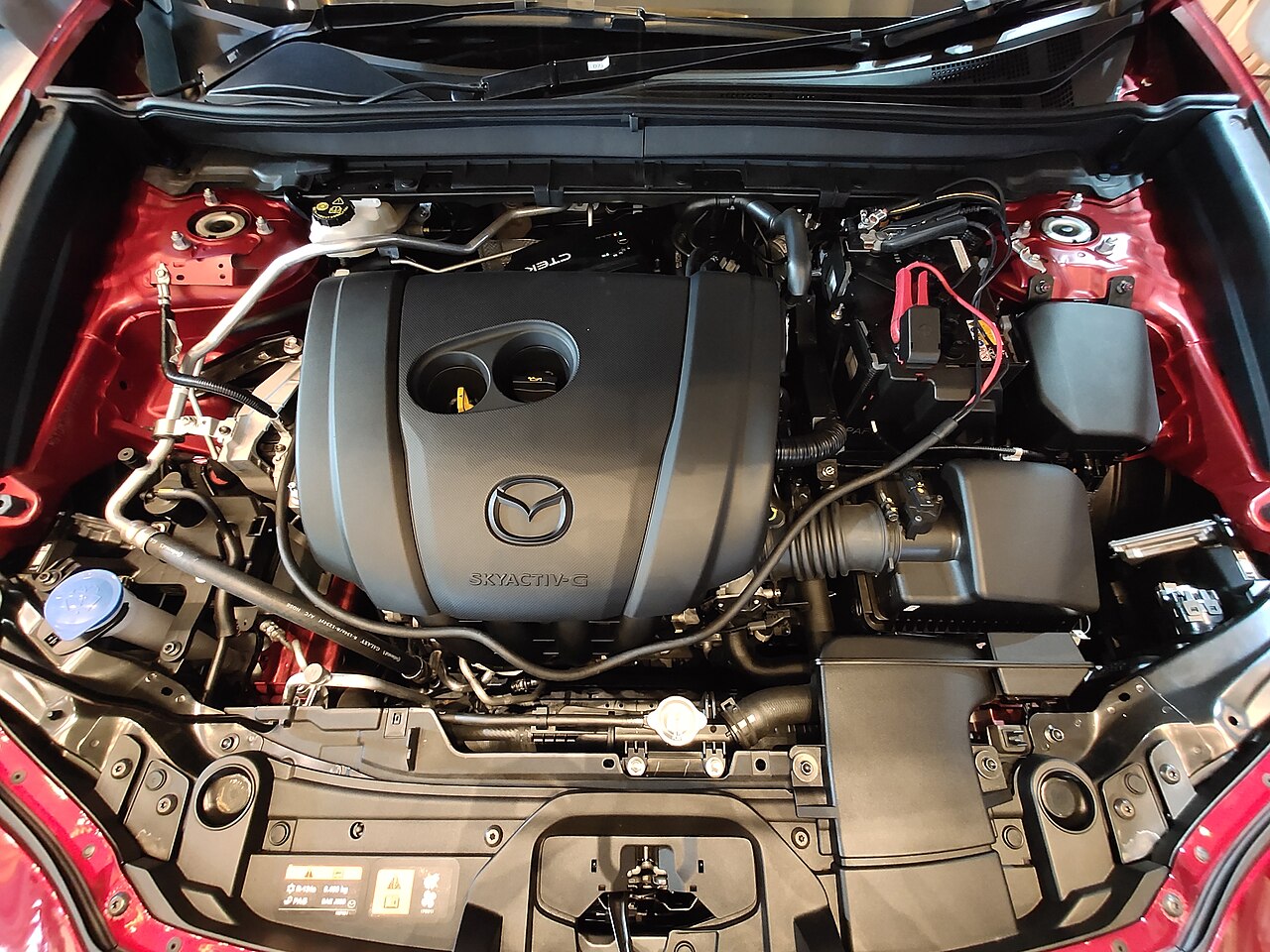
A squeal at startup usually means a slipping serpentine belt. Learn the causes, the checks you can do, and when to get a mechanic involved
Why Does Your Car Smell Like Petrol After Starting
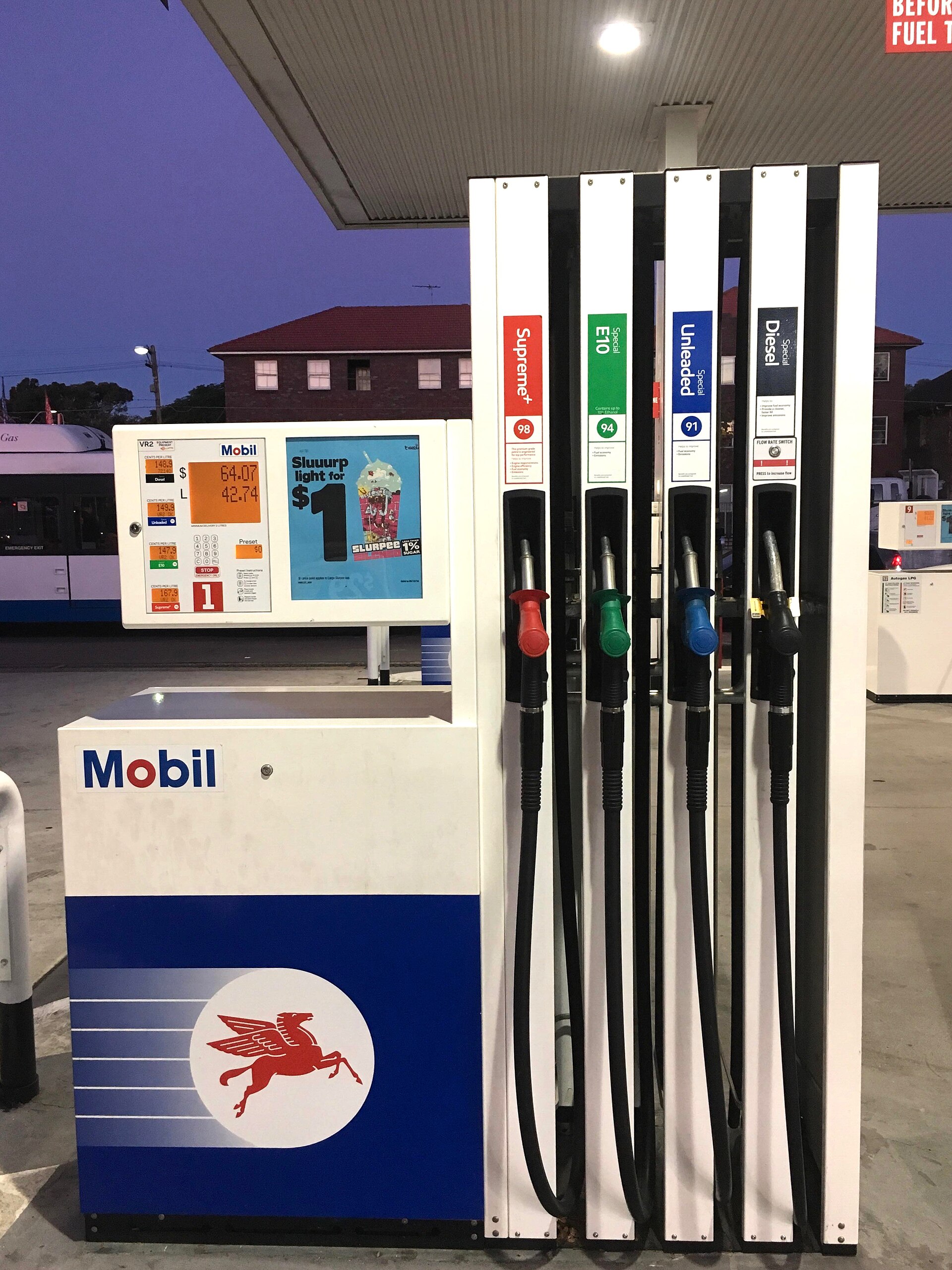
A brief petrol smell at startup can be normal cold-start enrichment, but a strong or lingering smell can mean a fuel leak. Learn the causes
What is the difference between petrol, diesel and hybrid cars?
Petrol, diesel and hybrid cars differ in fuel use, torque and running costs. Diesel uses 15-20% less fuel, hybrids win in town, and rules