
Why Does Handwriting Your Name Feel Automatic: The Memory Science
Key takeaways
- Writing your name runs on procedural memory, an implicit motor-skill system that works without conscious recall.
- Spelling it aloud needs declarative memory, the fact system that stores things you can state explicitly.
- The two systems live in different brain regions, so one can feel effortless while the other stumbles.
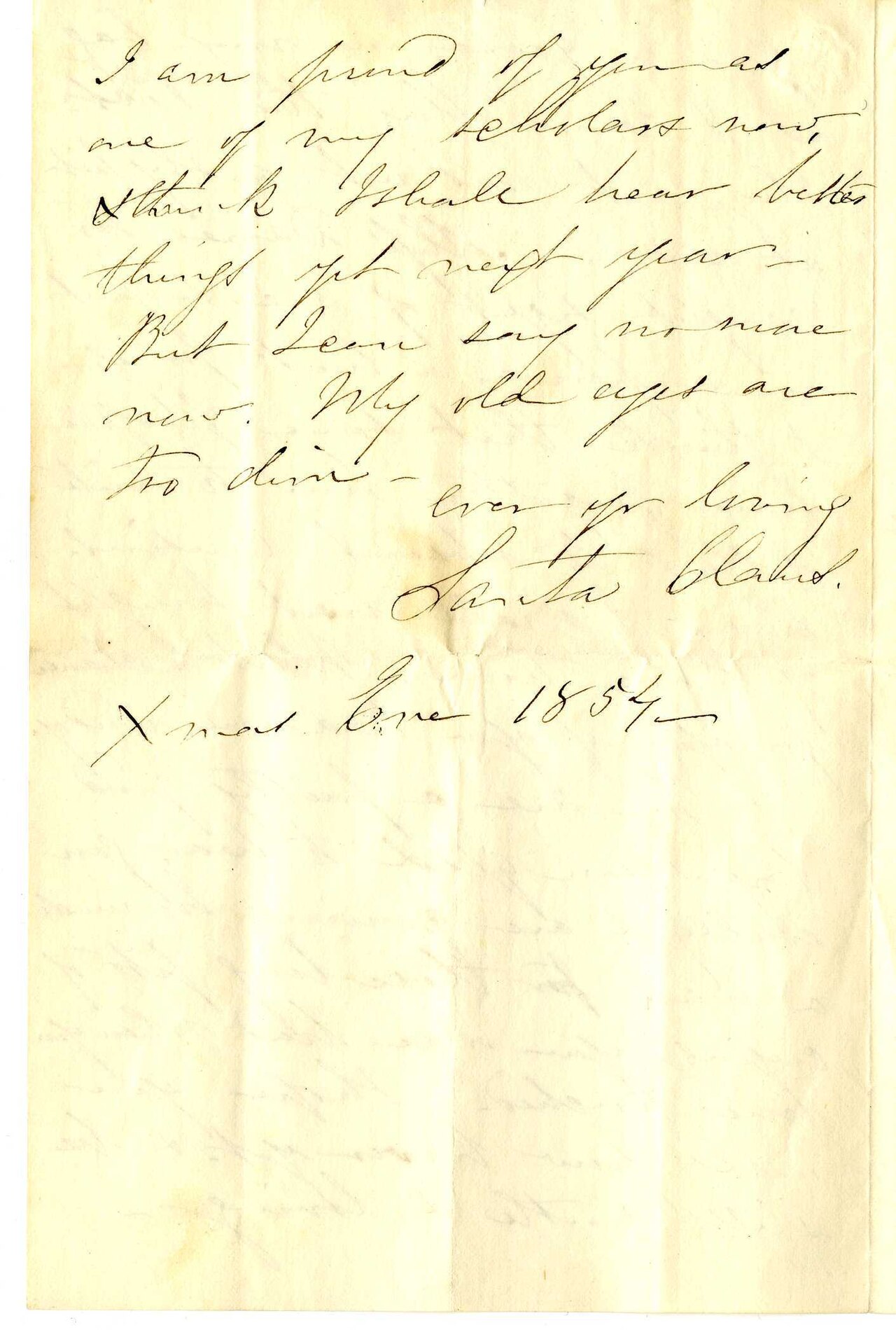
You can sign your name while thinking about dinner. Ask you to spell it out loud, letter by letter, and you may hesitate halfway through, even though you have written it ten thousand times.
It feels like your brain is hiding information from itself. In a real sense, it is, because two different memory systems are involved.
This article explains why handwriting your name feels automatic but spelling it aloud feels hard, including the difference between procedural and declarative memory, where each system lives in the brain, why translating between them trips you up, and what amnesia patients revealed about the split.
Your signature lives in a different memory system
Psychologists divide long-term memory into two great families. Declarative memory, also called explicit memory, stores facts and events you can consciously recall and state out loud: the capital of a country, what you had for breakfast, the letters of your name in order. Procedural memory, also called implicit memory, stores how to do things: riding a bike, typing without looking, tying your shoes.
Fiveable's psychology reference gives the diagnostic clue: if you can do the skill but struggle to explain it step by step, you are dealing with procedural memory rather than deliberate fact recall.
Writing your name is a motor sequence your hand learned through thousands of repetitions. You never stored it as a list of letters. You stored it as a movement program, and running a movement program feels like nothing at all.
Spelling your name aloud asks for the opposite. Now you need the letter sequence as explicit, verbal facts, pulled from declarative memory and spoken in order.
The signature never needed that list, so the list was never built with much care. Playvolution HQ makes the same point about children: a child may perform a task proficiently yet struggle to explain how they do it, because the memory works below the level of awareness.
Where the brain keeps each kind
The split is not just conceptual. It is anatomical.
Procedural memory relies heavily on the basal ganglia, the cerebellum, and the motor cortex, the machinery of movement and habit. Declarative memory depends on the hippocampus and temporal lobes, the machinery of facts and episodes, according to Matthew Lynch's overview and the CalmSage explainer.
That neurological separation explains the everyday weirdness. When you write your name, the motor circuit fires off its well-worn program.
When you spell it aloud, the request goes to a different neighborhood of the brain that was never the primary keeper of the information. The hesitation you feel is the cost of the transfer.
Why speaking it aloud has to cross the gap
There is a second force at work: thinking about a practiced movement can actively interfere with it.
Language-learning researcher Matt Bury notes that the moment you start thinking about each movement in a practiced task, you often mess it up, because declarative memory interferes with a process meant to run on autopilot.
Baseball players call this the yips. Musicians call it choking. Your signature gets a milder version.
Spelling aloud forces the verbal, step-by-step system to supervise a job the motor system normally does alone. The two systems speak different languages, one in muscle sequences and one in symbols, and the translation is effortful. This is also why you can type a password fluently but blank on it when a form asks you to type it slowly, and why spaced repetition works the way it does: the study method you choose decides which memory system gets the practice.
What amnesia patients taught us
The cleanest proof that these systems are separate comes from people who lost one and kept the other.
Lynch describes patients with certain types of amnesia who completely lost the ability to form new declarative memories yet retained the capacity to learn new procedural skills. They could improve at a task across practice sessions without any memory of having practiced before. The skill lived in the basal ganglia and cerebellum, untouched by the hippocampal damage that erased their facts.
The reverse shows up in healthy aging. Procedural memory emerges early in life and stays relatively resilient across the lifespan, Lynch notes, while declarative memory declines more. That is why an older adult may struggle to recall a name but still play a piano piece learned decades ago, or sign their name with the same effortless flourish at eighty that they had at eighteen.
How to make hard-to-say facts feel automatic too
You cannot move your name's spelling into your hand, but you can use the same principle the motor system uses: repetition in the right format.
If you want a fact to feel automatic, practice retrieving it the way you will need it. Students who only reread notes are rehearsing recognition, not recall. Students who test themselves are building the retrieval path itself, which is why active recall beats passive review and cramming fails long term.
For anything you must produce under pressure, a spelling, a phone number, a PIN, say it aloud during practice, not just in your head.
Speaking recruits the verbal sequence you will actually need later. And when handwriting itself is the skill you want to sharpen, the old advice holds: the hand learns by doing. Tracing, copying, and repeated writing build the motor program that conscious study cannot.
Is this the same thing as muscle memory?
Mostly, yes. Muscle memory is the informal name for procedural memory applied to movement. Psychologists prefer procedural memory because the memory lives in the brain's motor circuits, not in the muscles.
Why can I type my password but not say it?
Typing it is a procedural motor sequence. Saying it requires declarative recall of the character string. The two were stored separately, and the verbal version got less practice.
Does handwriting notes help learning more than typing?
Often, because the slower, more effortful motor act of forming letters forces deeper processing. But the benefit comes from the engagement, not magic in the pen. Active typing with self-testing beats passive handwriting.
Why do children learn letters by tracing them?
Tracing recruits the motor system alongside vision, building a procedural trace of each letter's shape. The hand remembers the path even when the eye is still learning the form.
The bottom line
Handwriting your name feels automatic because it is automatic: a procedural motor program running in the basal ganglia and cerebellum, built by thousands of repetitions.
Spelling it aloud feels hard because that asks declarative memory, the fact system in the hippocampus, for a letter list it never carefully stored. The gap between the two is not a flaw. It is the architecture of how brains keep skills and facts apart.
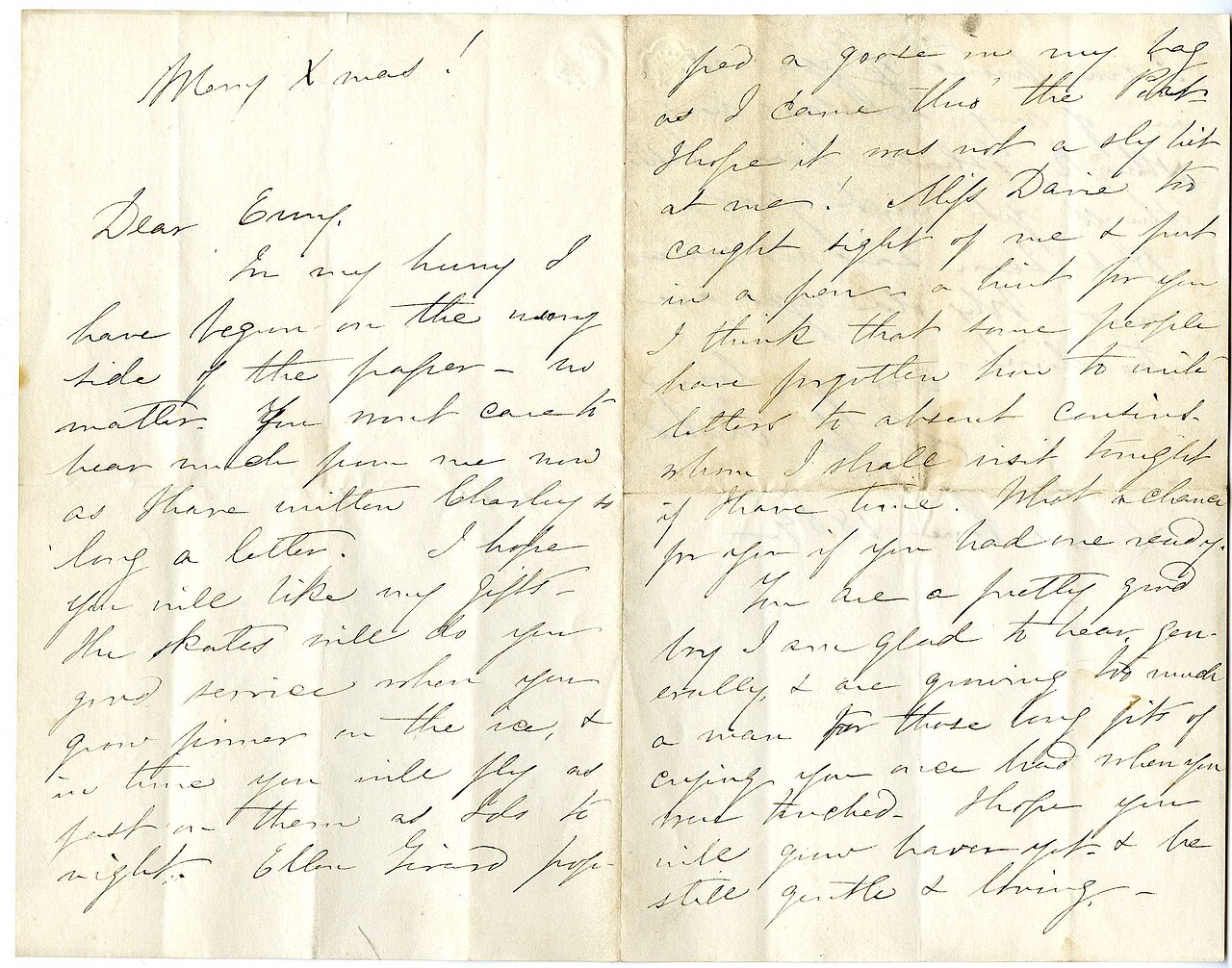
Image Credits: Wikimedia Commons / Fanny (Appleton) Longfellow (1817-1861)
Latest in Education & Study
- How spaced repetition intervals actually work
- What is active recall and how to use it
- Why cramming is ineffective for long-term learning
Subscribe to Rive News for one clear explainer like this every day.
Related stories

Why Do I Blank Out During Tests Despite Studying: Test Anxiety and Retrieval Failure
Blanking out in exams is retrieval failure, not missing knowledge. Anxiety drains working memory; rereading builds false confidence. Here
How to Study for Exams Without Burning Out
Sleep 7-8 hours, study in 25-50 minute blocks, and exercise daily. The science-backed way to study for exams without burning out, and what
Why Do I Forget What I Just Read? Science Has an Answer
You forget what you just read because of the forgetting curve, mapped by Ebbinghaus in 1885. Science explains why memory fades fast and how