
Is There School on Election Day? The Answer Depends on Your District
Web StoryWatch this story in 15 seconds →Key takeaways
- No national rule decides the question. Election Day is not a federal holiday, so each state and school district sets its own schedule.
- About 58 percent of tracked US districts close on Election Day. Every district tracked in five states closes, while three states keep all schools open.
- New York City students will learn from home this Election Day. It is the first time the city has used a remote day for the vote.
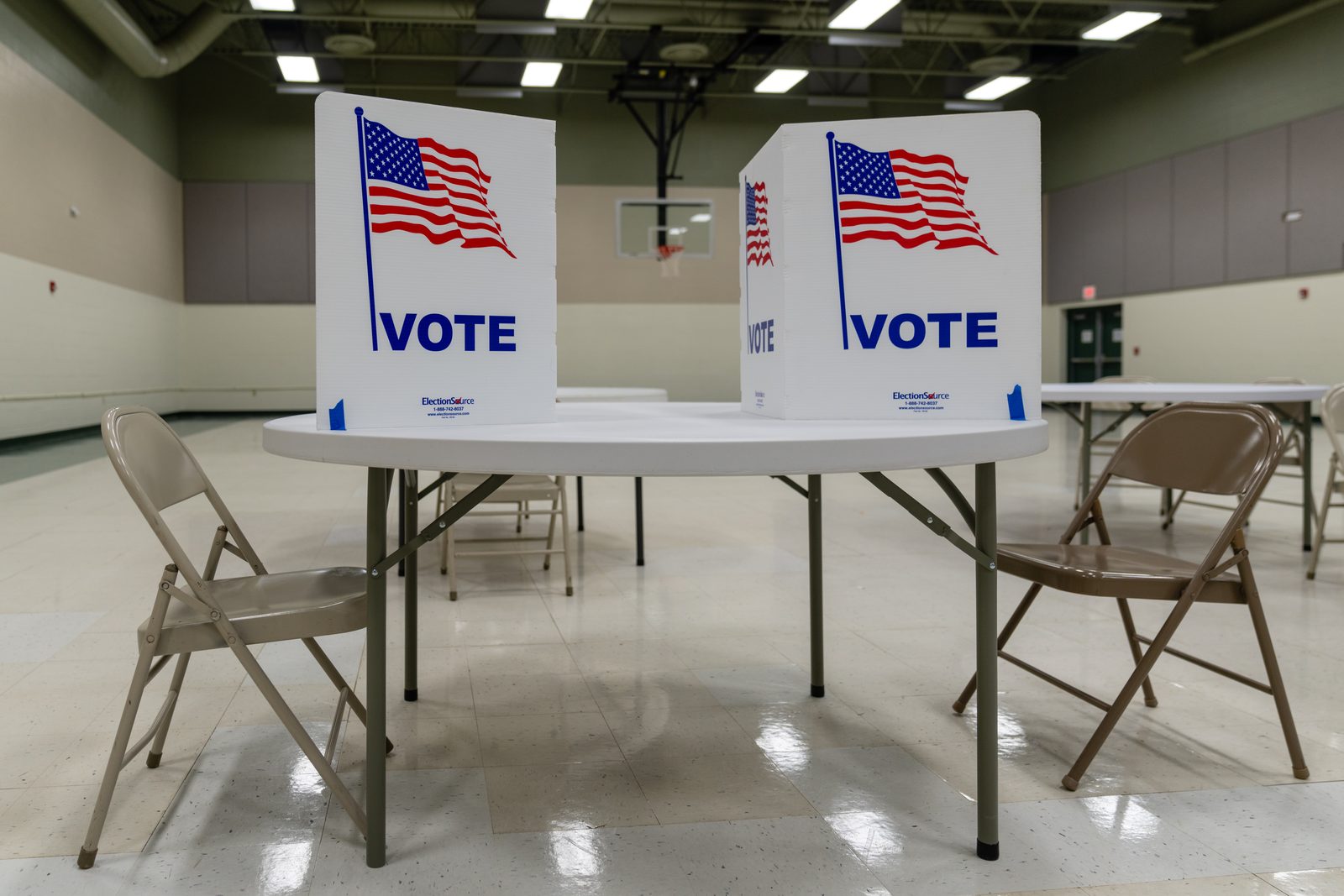
Millions of American parents are asking one question today. Is there school on Election Day? The short answer is that it depends on where you live.
Why the question is surging
"Is there school on election day" is trending on Google in the United States. The search spiked because the vote is tomorrow. Election Day 2026 falls on Tuesday, November 3.
Voters will choose members of Congress, state governors, and many local leaders. The races cover key congressional seats and crucial local ballot measures, according to The Sun. Parents need to plan childcare tonight, and the answer is not the same everywhere.
What happened: there is no national rule
Election Day is not a federal holiday in the United States. Federal offices, post offices, and banks will open as usual. No national law forces schools to close either.
Each state and school district makes its own call. Many districts keep classrooms open while voting happens on campus. Others decide that they need to close for the day.
About 14 states treat Election Day as an official state holiday, according to LegalClarity. They include Delaware, Hawaii, Illinois, Indiana, Kentucky, Louisiana, and Maryland. The rest: Michigan, Montana, New Jersey, New York, Rhode Island, Virginia, West Virginia.
In those states, state government workers get the day off. But school districts can still set their own calendars. Private schools almost always set their own schedules too.
What happened: what the district survey found
A survey of 179 school districts found a split picture. About 58 percent have no school on Election Day. The other 75 districts hold class, according to SchoolYearCalendars.
The site checked each district's official 2026-27 calendar in October. A district counts as closed if it lists a holiday or a teacher workday. One official calendar per state backs the numbers.
Every district tracked in five states closes for the day. They are Connecticut, New Hampshire, New Mexico, Rhode Island, and West Virginia. Connecticut shows 27 of 27 districts closed.
West Virginia even has a state law on the books. The law says schools must close during statewide or district elections. The statute is Section 18A-5-2 of the West Virginia Code.
What happened: the states that stay open
The picture is the opposite in three states. Every district tracked in Arkansas, Mississippi, and North Dakota holds class. For families there, November 3 is a normal school day.
Many other states are mixed, with neighbors following different rules. Louisiana closes eight of nine tracked districts. Missouri closes 12 of 18, according to the same survey.
Iowa closes only three of 11 tracked districts, while Kansas closes just one. Nebraska also keeps most schools open. Your street matters more than your state.
Why it matters: schools are polling places
The biggest reason schools close has nothing to do with holidays. It is voting logistics, according to LegalClarity. Schools are among the most common polling places in the country.
They sit in central spots and are easy to reach. When a gym or cafeteria becomes a polling place, hundreds of voters pass through. That creates a real safety headache for principals.
Schools limit visitor access all year. Then on Election Day the doors open wide to the voting district. Many administrators and parents are uncomfortable with that trade-off.
Some districts fix the problem by closing for the day. Others let voters use only one room with its own door. A growing number use a third trick instead.
They call the day a teacher training day. Students stay home while staff handle training and planning. The building then serves voters without students present.
Why it matters: the New York City twist
New York City is trying something new this year. Its public schools will hold remote classes on Election Day. Every student from kindergarten up will learn from home.
It is the first time for the city, per the official schools calendar. Buildings close, but school continues online. New York is one of the states where Election Day is a state holiday.
The city made the call because its schools often serve as poll sites. Remote learning keeps students out of the buildings. Remote classes raise a bigger question about how students learn from home.
Why it matters: one local example
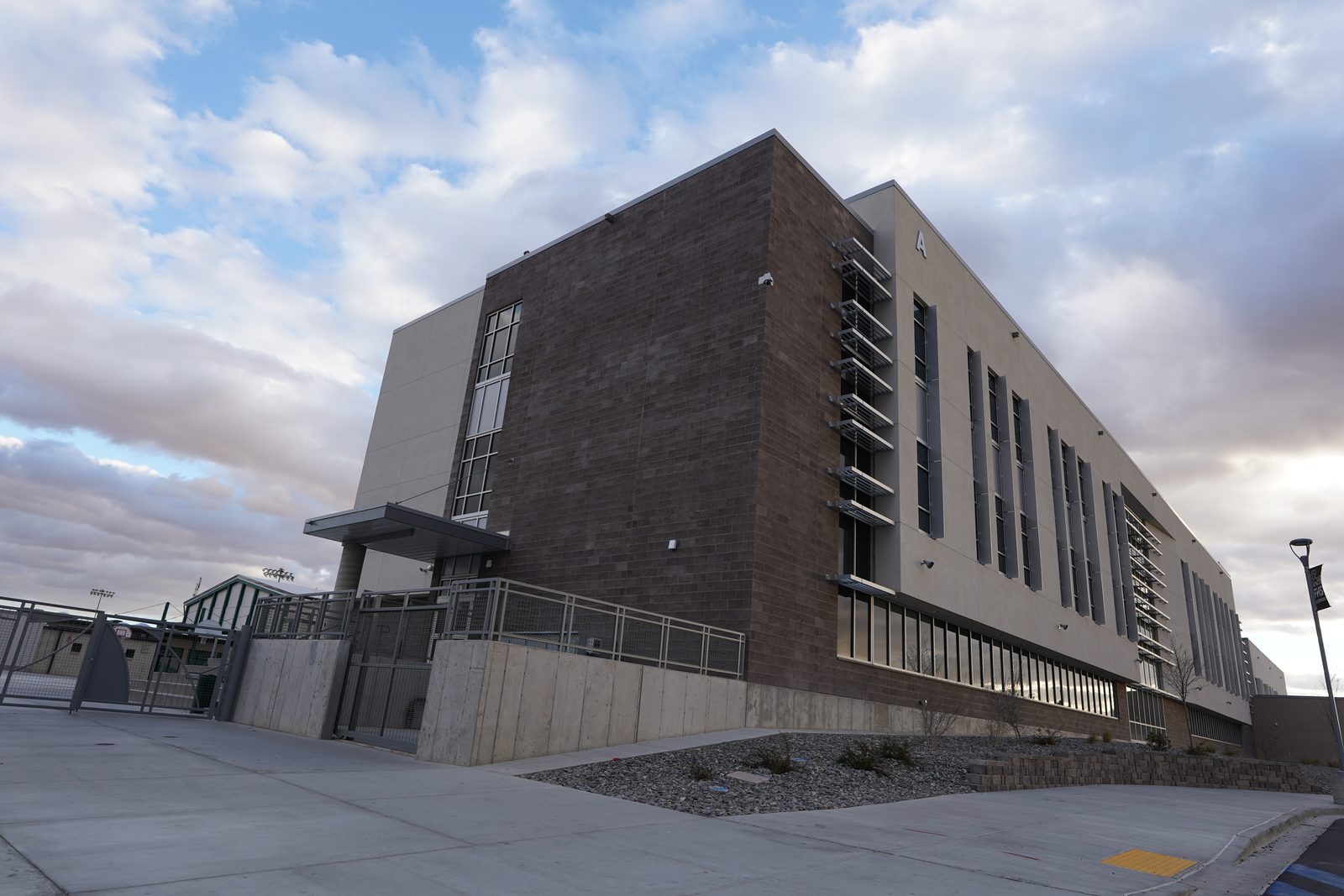
In Alexandria, Virginia, public schools will have no classes on Tuesday. The city also moved four polling places this week. Voters should check their assigned precinct before leaving, according to The Zebra.
Polls open from 6 AM to 7 PM. Anyone in line by 7 PM may still vote. Virginia is one of the states that treats Election Day as a holiday.
City courts and the DMV also close or shift hours. Most other city offices stay open. The mixed pattern is normal: every place decides for itself.
What happens next: how to get your answer
The only sure answer is local. Check your district's 2026-27 calendar tonight. Look for "Election Day" or "no school" next to November 3.
Watch for a "staff development day" label too. That is often Election Day in disguise, according to LegalClarity. If the calendar is unclear, call the school office in the morning.
Parents who need childcare should plan now. Many families face the same problem on the same day. Banks and post offices stay open, since the day is not a federal holiday.
The 2026 midterms also touch school policy beyond the calendar. This includes student loans. Students should know how student loans connect to this year's midterms.
What happens next: students can work the polls
High school students can join the action. Most states let teens aged 16 or 17 work as poll workers. They need parent permission, school permission, and training.
Many states excuse the absence for the day. Student poll workers are generally paid, just like adults. In California, they can earn 65 to 180 dollars, according to LegalClarity.
It is one of the few ways to take part before you can vote. A surprise day off is also a homework trap. Here is how to stop procrastinating when the work piles up.
The vote is tomorrow, and the school question has no single answer. The law leaves it to states and districts. Your calendar has the final word.
Related stories
Why Do I Blank Out During Tests Despite Studying: Test Anxiety and Retrieval Failure
Blanking out in exams is retrieval failure, not missing knowledge. Anxiety drains working memory; rereading builds false confidence. Here
How to Study for Exams Without Burning Out
Sleep 7-8 hours, study in 25-50 minute blocks, and exercise daily. The science-backed way to study for exams without burning out, and what
Why Do I Forget What I Just Read? Science Has an Answer
You forget what you just read because of the forgetting curve, mapped by Ebbinghaus in 1885. Science explains why memory fades fast and how