
Why Does Breathing Settle After the First Few Minutes of a Run?
Key takeaways
- Breathing feels hard at the start because your heart, blood flow, and muscles need a few minutes to match the new workload.
- Once oxygen delivery catches up, ventilation steadies and the run feels easier, a shift tied to the first ventilatory threshold.
- Starting the first minutes too hard pushes you past that threshold early, which is why easy warm-ups feel smoother.
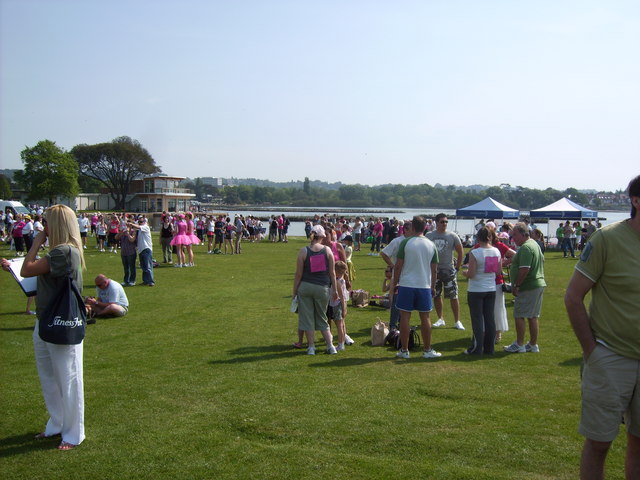
Most runners know the feeling: the first five minutes are the worst, then breathing settles and the run clicks into rhythm. This is not your imagination. It is your cardiovascular system catching up with your legs, and exercise physiologists can measure exactly when it happens.
This article takes a closer look at the settle-in effect, including what happens in the body during the first minutes, the role of the ventilatory threshold, why starting too fast ruins the rhythm, and how to warm up so the settle arrives sooner.
What happens in the first minutes of a run
When you go from standing to running, your muscles' demand for oxygen jumps instantly. Your delivery systems cannot follow that fast.
Heart rate climbs, blood gets redirected from the gut and skin toward working muscles, and the muscles start extracting more oxygen from each liter of blood. That ramp-up takes a few minutes.
During those minutes you run partly on borrowed energy. The body covers the shortfall anaerobically at first, then transitions as oxygen delivery catches up.
Breathing is driven mostly by carbon dioxide production, and ventilation tracks the metabolic rate closely. So in the opening minutes, breathing rises fast and feels labored because the system is still chasing equilibrium.
Once delivery matches demand, the body reaches what physiologists call steady state. Heart rate plateaus, ventilation steadies, and the effort that felt ragged at minute two feels sustainable at minute ten.
Nothing about your fitness changed in those eight minutes. Your plumbing just caught up.
The ventilatory threshold, in plain English
As running intensity rises, breathing does not rise in a straight line. It stays fairly stable through easy efforts, then shifts upward at distinct points called ventilatory thresholds. The first of these, VT1, is the key to the settle-in feeling.
VT1 is the first significant increase in breathing that appears as exercise gets harder. Below it, fat is the major fuel source, lactate production stays low, and the extra oxygen you need arrives mostly through deeper breaths rather than faster ones. Your breathing rate stays steady even as you pick up the pace slightly.
Cross VT1 and the picture flips. Blood lactate starts accumulating faster than the body can clear it.
To buffer the resulting acid, the body produces extra carbon dioxide, and because the body is extremely sensitive to CO2, ventilation jumps to blow it off. This is why breathing suddenly feels like work: you have crossed from a stable zone into one where every step costs more air.
Anar Vikmaa, founder of the training analytics company TimeWare, describes VT1 as the moment fat oxidation maxes out and carbohydrates start making up the difference.
What lab tests show about your thresholds
Lab measurements put real numbers on these zones. In a study of 12 trained male runners (mean age 27.1 years, VO2max 60.5 ml per kg per minute), the first ventilatory threshold landed at 73.2 percent of VO2max, and the second threshold, where breathing becomes truly ragged, at 89.6 percent.
The zone between them, where the body buffers acid while keeping CO2 stable, spanned about 16.4 percent of the VO2max range. Those numbers move with training, but the pattern is the same in every runner.
So the settle you feel a few minutes in is your body finding its level below VT1. Your breathing was climbing toward that threshold as systems ramped up, and once delivery caught demand, ventilation locked into a sustainable rhythm.
Why starting too fast keeps you breathless
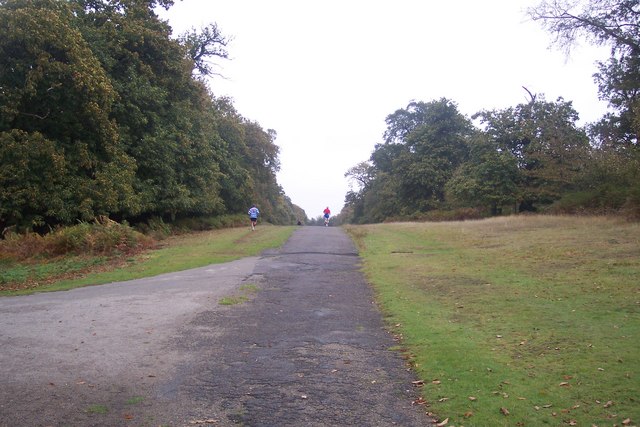
Go out hard and you cross VT1 in the first minute. Lactate and CO2 pile up before your delivery systems have even warmed up, and breathing spikes to dump the excess gas.
Because you never gave the body a chance to reach steady state below the threshold, the ragged feeling persists. You slow down, it eases; you surge again, it returns.
This is the classic beginner mistake, and it is also why getting out of breath fast when running is such a common complaint. The fitness is often fine. The pacing is the problem.
Starting at a pace you could hold for an hour feels insultingly easy for the first three minutes, and that is exactly the point.
A proper warm-up is simply a structured way to avoid the trap. Five to ten minutes of easy jogging, or a walk-run approach if you are new, lets heart rate, blood flow, and ventilation ramp gradually. By the time you reach your target pace, the systems are already at steady state and breathing never has to spike.
How to make the settle happen sooner
Keep the first five to ten minutes easy enough that you could hold a conversation. That conversational effort sits comfortably below the threshold where breathing gets ragged, which gives your body the runway it needs.
Add two or three short pickups if you plan a hard session. Thirty seconds at a brisk but controlled effort, with a minute or two of easy jogging between, nudges the delivery systems awake without flooding the blood with lactate. Distance runners call these strides, and they work as a bridge between the warm-up shuffle and the real workout.
Stay consistent and the settle arrives at faster paces. Training tends to push VT1 higher as a fraction of your maximum, which means steady, comfortable breathing kicks in at speeds that used to feel hard. The first mile never becomes free, but it stops feeling like a crisis.
Is it normal to be out of breath in the first five minutes?
Yes. Oxygen delivery lags behind muscle demand at the start of every run, so breathing works overtime until the systems catch up. Even elite runners feel the first minutes; they just reach steady state at much faster paces.
Does fitness change when breathing settles?
Fitness changes the pace at which it settles, not the mechanism. Trained runners hit their ventilatory thresholds at higher speeds, so their breathing steadies while running paces that would leave a beginner gasping.
Why do I switch to mouth breathing when running hard?
As ventilation climbs past the first threshold, breathing rate rises sharply and the nose alone cannot move enough air. Most runners switch to mouth breathing naturally to meet the demand. It is a response to the workload, not a technique flaw.
Should I try to control my breathing pattern?
A steady rhythm helps many runners relax, but no single pattern is proven best for everyone. Focus on effort and pace first; the breathing usually sorts itself out once you stop starting too fast.
The bottom line
The settle is your body reaching steady state. For the first few minutes, oxygen delivery chases muscle demand and breathing runs hot.
Once the systems sync up below the ventilatory threshold, ventilation steadies and the run feels sustainable. Warm up easy, start conservatively, and let the rhythm come to you instead of chasing it.
Latest in Fitness
- Why Do You Get Out of Breath So Fast When Running?
- Why Do You Get Dizzy After Working Out?
- Why Do Your Shins Hurt When You Start Running?
Get one plain-English fitness explainer in your inbox every week. Subscribe to the Rive News newsletter.
Image Credits: Wikimedia Commons / ValP, David Anstis
Related stories
How long does it really take to build noticeable muscle?
Strength gains start in week one, but visible muscle takes 8-12 weeks for most beginners. What the Oklahoma CT-scan study measured,

Why you feel dizzy after a workout: the 5 common causes
Post-workout dizziness usually comes from a blood pressure dip, dehydration, or low blood sugar. The numbers behind each cause, and when
Why Do Knees Hurt When Squatting but Not Running?
Knees hurt when squatting but not running because deep bends multiply force on the kneecap. Learn the mechanics, common causes, fixes,