
Why Do Compound Lifts Burn More Calories Than Isolation Moves?
Key takeaways
- A 155-pound person burns about 216 calories in 30 minutes of vigorous lifting, double the 108 of an easy session, per Harvard Health figures.
- Compound lifts use several big muscle groups at once, so each rep demands more energy than a single-joint isolation move.
- Heavier loads, shorter rests, and the post-workout repair bill all widen the gap further in favor of compounds.
Ask any experienced lifter which burns more, a heavy set of squats or a set of bicep curls, and you will get the same answer before you finish the question. The squat wins by a wide margin.
The reason is not mysterious, and it is not about effort alone. It is about how much living tissue you put to work with every rep.
A compound lift moves two or more joints at once and recruits several large muscle groups in a single motion. A squat uses the quadriceps, glutes, hamstrings, calves, spinal erectors, and core.
An isolation move like a leg extension uses mainly the quadriceps. More muscle doing more work costs more energy, and energy is what a calorie measures.
This article explains the energetics behind that gap, what the published calorie numbers actually say, why intensity matters as much as exercise choice, and how to use the difference in your own training.
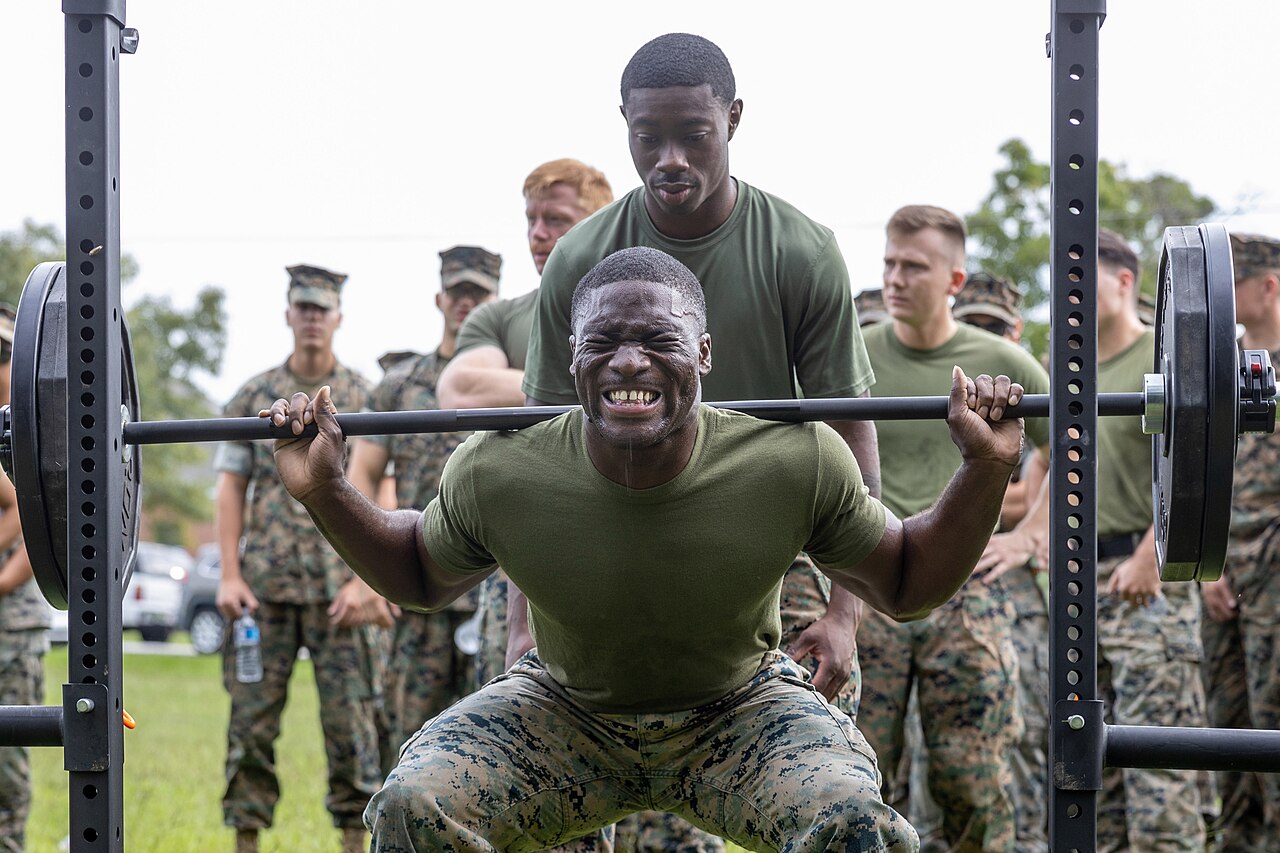
Barbell squats recruit the quads, glutes, hamstrings, and core in every rep, which is why they cost far more energy than single-joint moves. Photograph: Lance Cpl. Christian Salazar
Image Credits: Wikimedia Commons / Lance Cpl. Christian Salazar, RickyBennison
More muscle means more fuel per rep
Muscles burn adenosine triphosphate, the cell's energy currency, to contract. The more muscle fibers you recruit, and the harder each one contracts, the more ATP you spend, and the more oxygen your body must consume to replenish it. Calorie burn during exercise is essentially a measure of that oxygen consumption.
A deadlift lights up the entire posterior chain: lats, traps, spinal erectors, glutes, and hamstrings, plus the forearms and core as stabilizers. A bench press uses the chest, front deltoids, and triceps together.
Compare that with a lateral raise, which isolates the middle deltoid almost alone. The compound movement is running several engines at once; the isolation move is running one. The fuel bill reflects the difference.
Load multiplies the effect. Because compounds spread the work across many muscles, you can lift far more total weight: a 225-pound squat versus a 25-pound curl.
Moving heavier loads through space is more mechanical work, rep for rep, and mechanical work is paid for in calories. As the Mayo Clinic's exercise guidance puts it, the higher the intensity and the larger the muscle groups involved, the more calories you burn in less time.
Stabilization adds a hidden surcharge. Free-weight compounds force dozens of small muscles to fire just to keep you balanced and the bar path true.
Machines and isolation moves, especially seated ones, outsource that job to the equipment. Your nervous system works harder during a standing barbell press than during a seated machine press at the same nominal load, and the meter runs faster.
What the numbers say
Harvard Health Publishing's calorie chart makes the intensity side concrete. For a 155-pound person, 30 minutes of general weight lifting, a typical session with normal rest between sets, burns about 108 calories.
The same 30 minutes of vigorous lifting, heavy compound work or short rest periods where you are breathing hard, burns about 216 calories. That is a clean doubling, and the pattern holds across body weights: 180 versus 90 at 125 pounds, 252 versus 126 at 185 pounds.
The CDC's activity tables tell the same story on an hourly basis. A 154-pound adult burns roughly 220 calories per hour of light weight lifting and about 440 per hour of vigorous effort. The jump from light to vigorous is the jump from casual machine circuits to demanding compound work, and it doubles the burn.
The MET math behind the numbers
Exercise scientists formalize this with METs, metabolic equivalents from the Compendium of Physical Activities. One MET is your resting burn rate; vigorous resistance training sits around 6 METs. The conversion formula is simple: calories per minute equals METs times 3.5 times body weight in kilograms, divided by 200. Plug in a 70-kilogram lifter at 6 METs and you get about 7.35 calories per minute, or 220 per half hour, right in line with the Harvard figure.
Isolation work is not worthless in this math. It still builds muscle in the targeted area, and muscle tissue is metabolically active around the clock.
But per minute of gym time, the compound lift simply moves more mass with more muscle, and the calorie ledger shows it. If fat loss is the goal, not losing weight despite exercising often comes down to exactly this intensity gap.
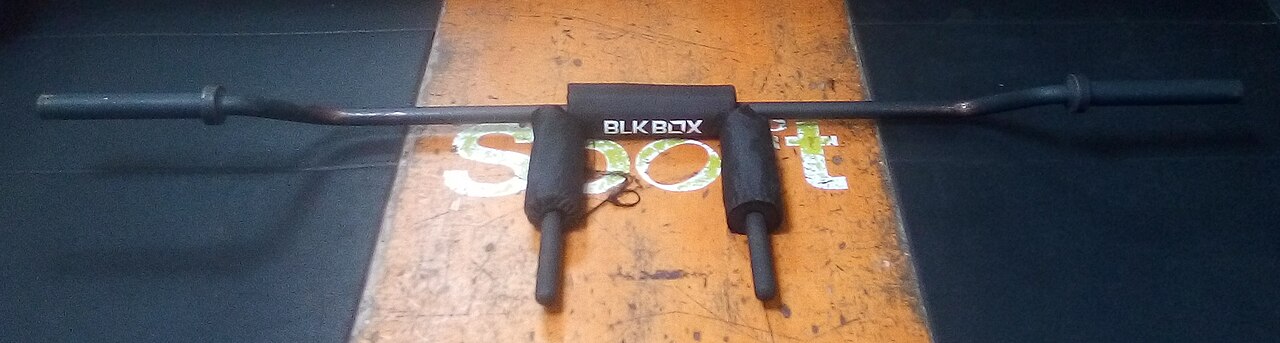
A safety squat bar on the rack. Heavier compound loads mean more mechanical work per rep, which is paid for in calories. Photograph: RickyBennison
The afterburn widens the gap
The calorie story does not end when you rack the bar. Hard training creates an oxygen debt: elevated body temperature, depleted fuel stores, micro-damage to muscle fibers, and a hormonal cascade that the body must pay back over hours. Physiologists call this excess post-exercise oxygen consumption, or EPOC, and it keeps your metabolic rate elevated after you leave the gym.
Why the afterburn favors big lifts
Compound lifts generate a bigger debt because they disturb more tissue. A brutal set of deadlifts disrupts homeostasis across half the body's musculature; a set of wrist curls barely registers.
Research on training protocols consistently finds that multi-joint, high-effort sessions produce a larger and longer EPOC than single-joint work at matched duration. The afterburn is not enormous in absolute terms, but it points in the same direction as everything else: compounds cost more, during and after.
The long game: building a bigger engine
There is also the long game. Compound lifts are the most efficient way to add lean mass across the whole body, because they let you load the biggest muscles heaviest and progress them longest.
Each pound of added muscle raises resting energy expenditure slightly, 24 hours a day. Isolation moves contribute too, but nobody ever built an impressive metabolic engine one bicep at a time.
The timeline for building noticeable muscle is measured in months either way; compounds just give you more engine per month.
How to use this in your training
None of this means isolation exercises are useless. They are the right tool for bringing up a lagging muscle, rehabbing around an injury, or adding volume without taxing your recovery. The smart approach is to build the session around compounds and finish with isolation, not the reverse.
If calorie burn is the priority, three levers matter most:
- Choose multi-joint free-weight movements: squats, deadlifts, presses, rows, pull-ups.
- Keep rest periods honest: 60 to 90 seconds between hard sets keeps heart rate and oxygen demand high.
- Train with real load: a challenging set of 6 to 10 reps on a compound lift out-burns a breezy set of 20 on a machine.
Just remember that your grip can give out before your back does on deadlifts, so use straps or mixed grip when the goal is metabolic, not grip training.
One caution: chasing burn by slashing rest and piling on volume is a fast track to sloppy form and injury. The calorie advantage of compounds assumes clean reps. Five crisp heavy squats beat fifteen ugly ones on every metric that matters, including safety.
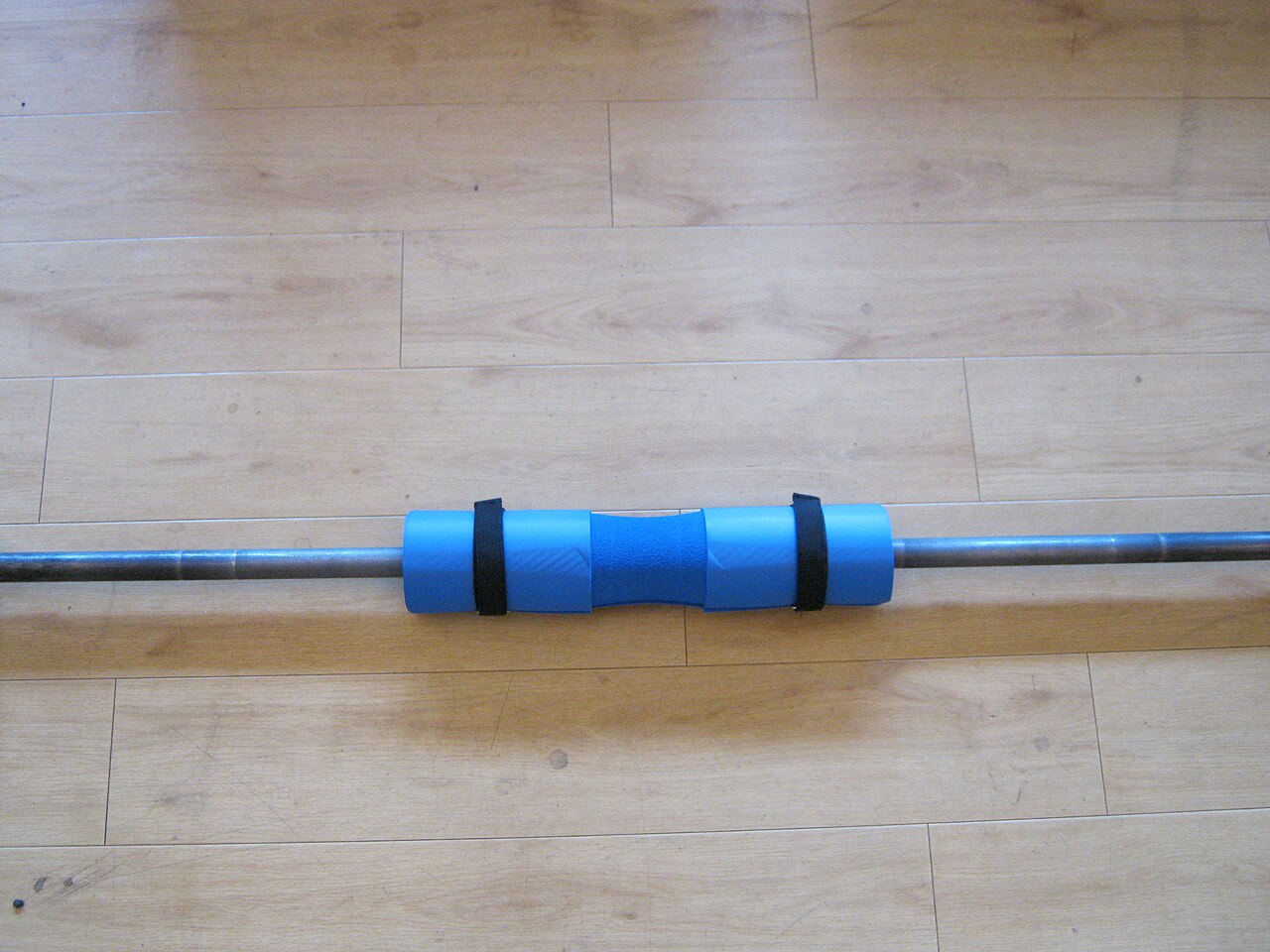
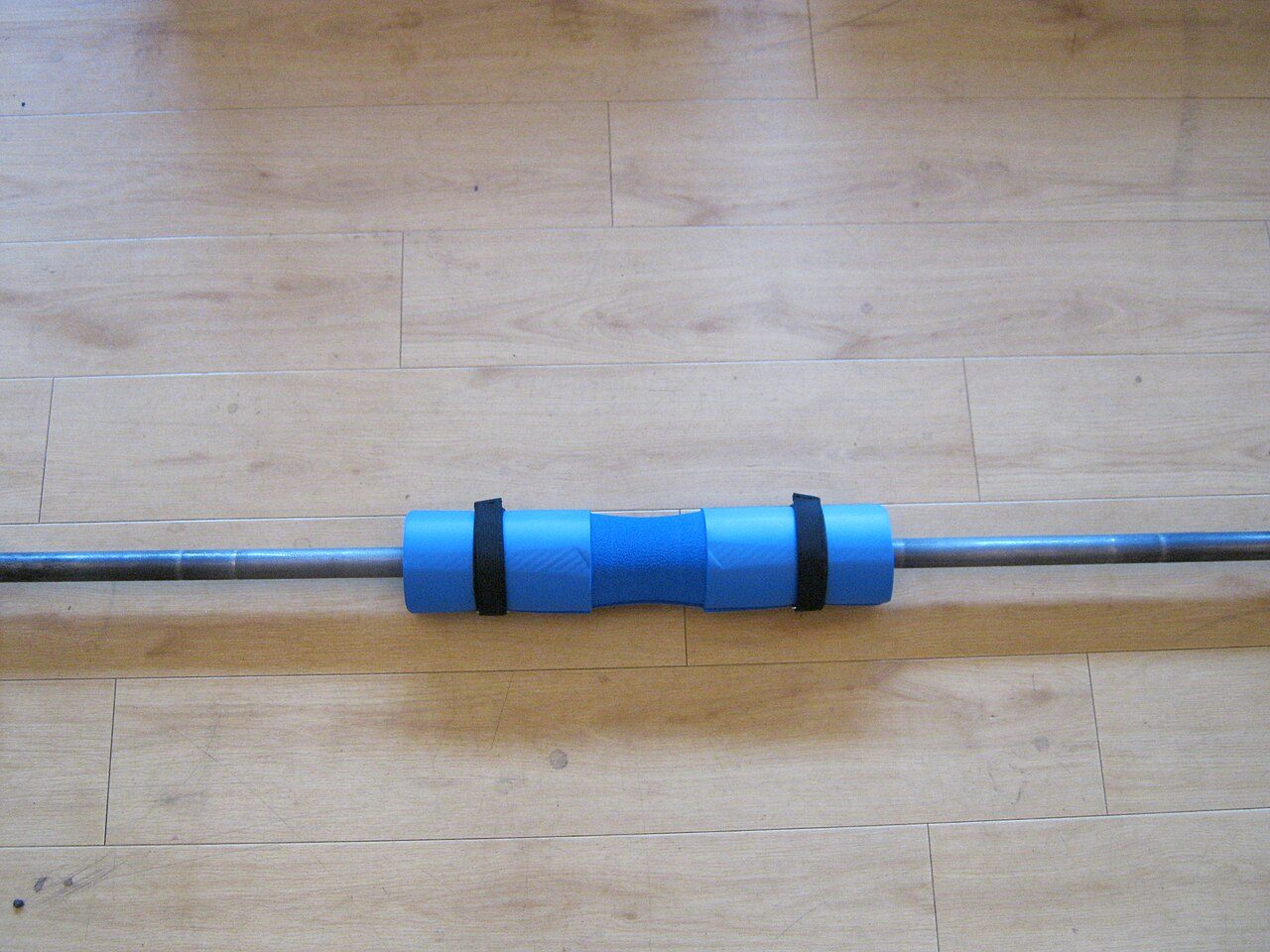
A barbell pad for squats. Comfort details like this help lifters handle the heavy compound loads that drive calorie burn. Photograph: RickyBennison
Do squats burn twice the calories of leg extensions?
Roughly, yes, for matched effort and time. The squat recruits the glutes, hamstrings, core, and stabilizers alongside the quads, while the leg extension isolates the quads. More muscle mass in motion means more oxygen consumed and more calories spent per set.
Is it better to do high reps or heavy weight for calorie burn?
Both work, through different routes. Moderate-to-heavy loads with short rests raise the in-session burn through mechanical work and heart rate.
Heavier low-rep work leans more on the post-exercise afterburn. A program that mixes both, such as compound lifts in the 6 to 12 rep range with 60 to 90 second rests, captures most of the benefit.
Can isolation exercises ever burn more than compounds?
Only in contrived comparisons, like an all-out drop-set marathon on curls versus a lazy warm-up set of squats. Rep for rep and minute for minute at honest effort, the multi-joint lift wins because physics does not negotiate: more mass moved by more muscle costs more energy.
Does building muscle really raise resting metabolism?
Yes, but modestly. Muscle is more metabolically active than fat, so added lean mass raises your resting burn slightly around the clock.
The bigger win is the training itself: regular compound lifting is a recurring calorie expense that isolation-only routines cannot match.
This article is for general information only and is not medical advice; talk to a qualified professional before starting a new training program.
The bottom line
Compound lifts burn more calories than isolation moves for the simplest reason in exercise science: they put more muscle to work. More recruited fibers, heavier loads, harder stabilization, and a bigger post-workout repair bill all stack in the same direction.
The published numbers back it up, with vigorous lifting roughly doubling the calorie burn of easy lifting. Build your sessions around squats, deadlifts, presses, and rows, keep rests short and form clean, and save the isolation work for the finishing touches.
Latest in Fitness
- How long it takes to build noticeable muscle
- Why protein matters after a workout
- Why you are not losing weight despite exercising
- Why your grip fails before your back on deadlifts
Get one practical fitness explainer like this every morning. Subscribe to the Rive News newsletter.
Related stories
How long does it really take to build noticeable muscle?
Strength gains start in week one, but visible muscle takes 8-12 weeks for most beginners. What the Oklahoma CT-scan study measured,
Why you feel dizzy after a workout: the 5 common causes
Post-workout dizziness usually comes from a blood pressure dip, dehydration, or low blood sugar. The numbers behind each cause, and when
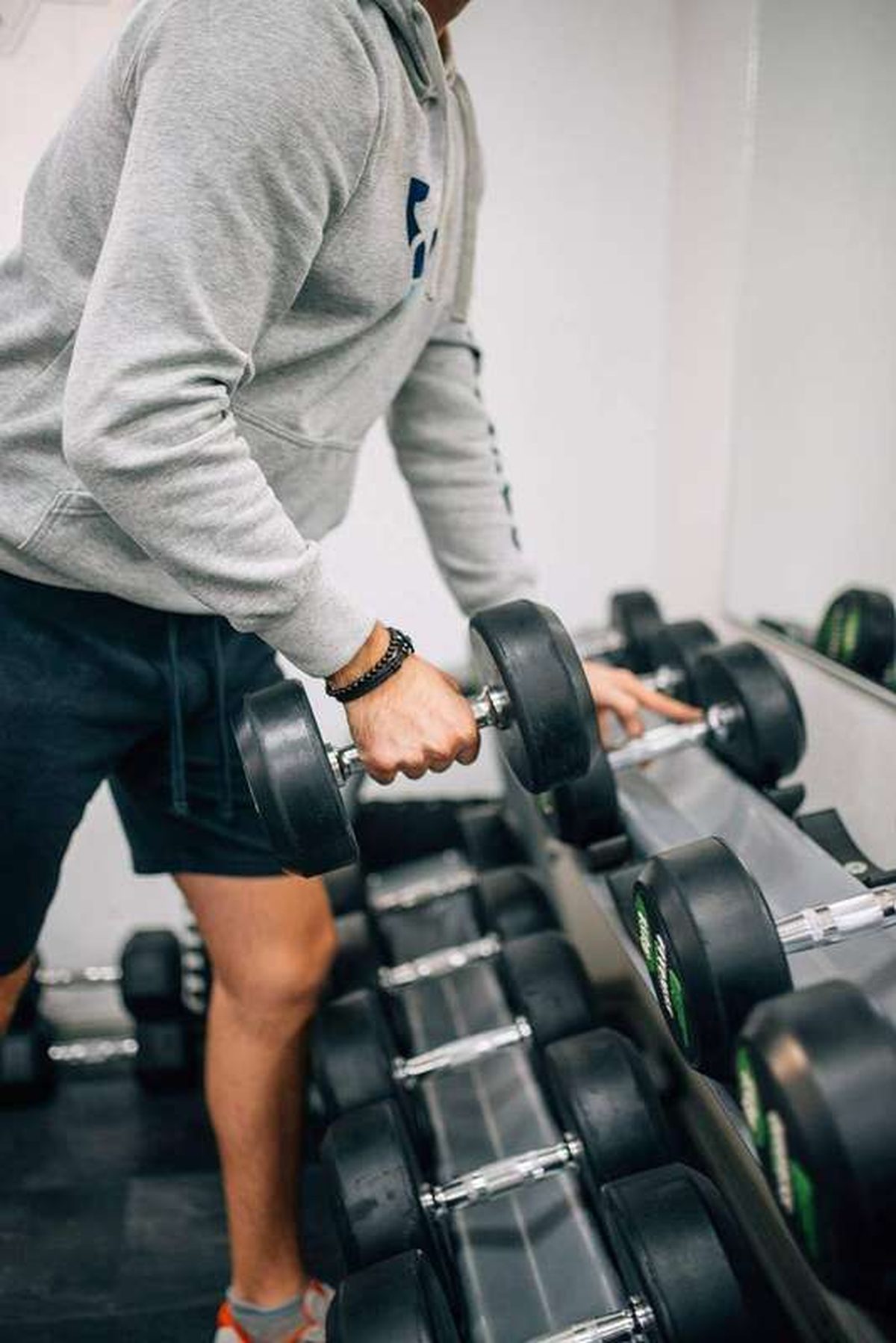
Why Do Knees Hurt When Squatting but Not Running?
Knees hurt when squatting but not running because deep bends multiply force on the kneecap. Learn the mechanics, common causes, fixes,