
What Is the Difference Between a Plank and a Crunch for Core Strength?
Key takeaways
- A plank is a still hold that trains the core to resist movement.
- A crunch is a short spinal bend that trains the abs to shorten.
- EMG testing gives the crunch the edge for ab activation, while the plank wins for stability and spine-friendly training.
The plank and the crunch both train the core, yet they do almost opposite jobs. One holds the body still against gravity. The other bends the spine in a short, repeated curl.
This article explains what is the difference between a plank and a crunch for core strength, including how each move works, what muscle-activation testing shows, how each loads the spine, how to do both with good form, and how to program them together.
This article is for general information, not medical advice. Anyone with back pain, a recent injury, or a medical condition should check with a qualified professional before starting a new exercise routine.
What a plank does
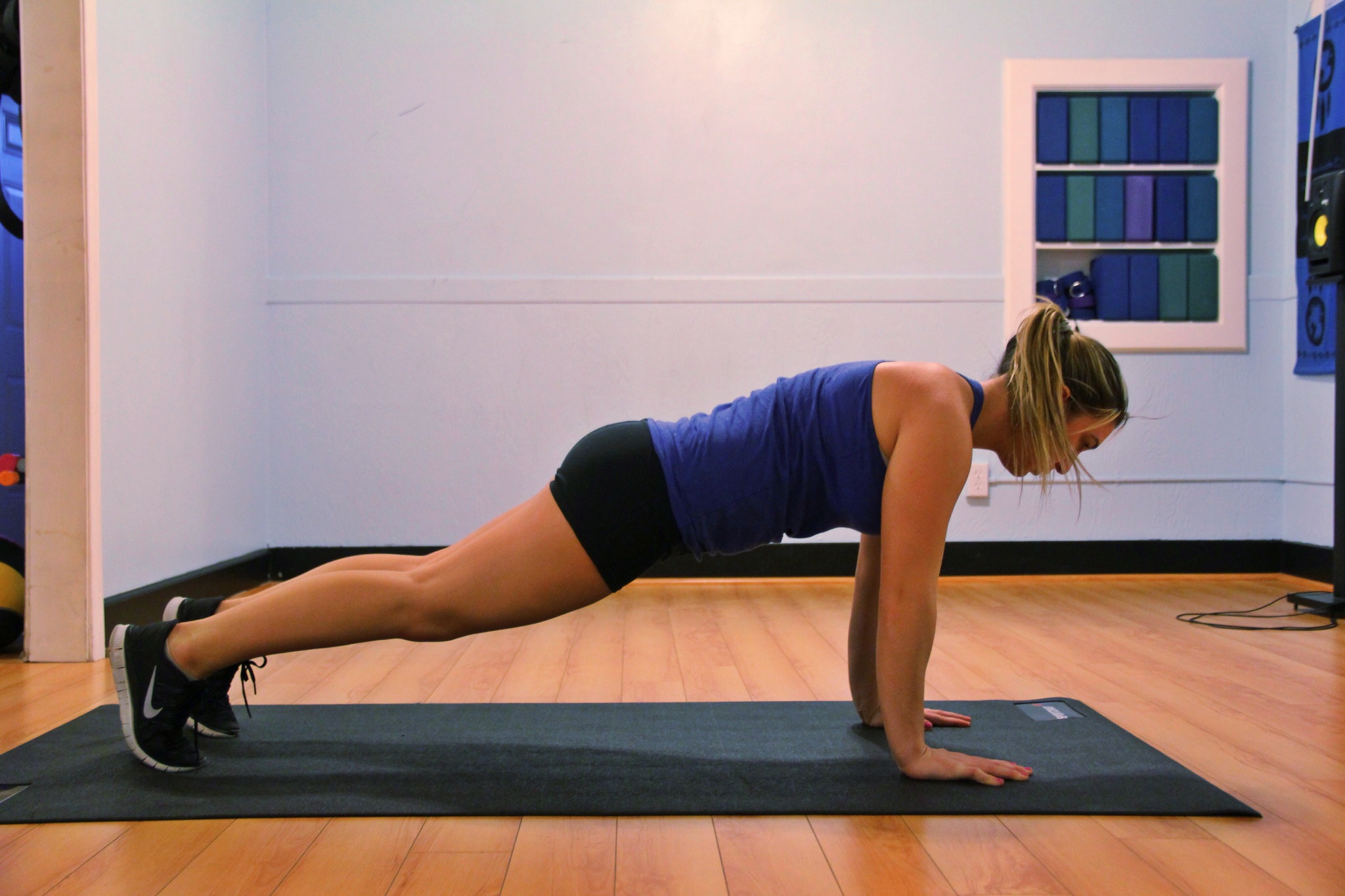
The plank is an isometric hold. You lie face down, rest on your forearms and toes, and hold your body in a straight line from head to heel. Nothing moves.
The core works by resisting gravity, which keeps trying to pull your hips toward the floor.
Elbows sit under the shoulders, forearms flat, legs stretched behind with toes tucked under. The job is to let nothing drift. Hips should not sag, and they should not rise into a pike.
Glutes stay tight, breathing stays steady, and the lower back stays flat. When form breaks, the set is over, even if the timer still runs.
The plank trains anti-extension. That is the core's ability to stop the spine from arching backward under load. The muscles involved spread wide: rectus abdominis, obliques, deep transverse abdominis, plus shoulders and glutes that keep the hips level.
What a crunch does
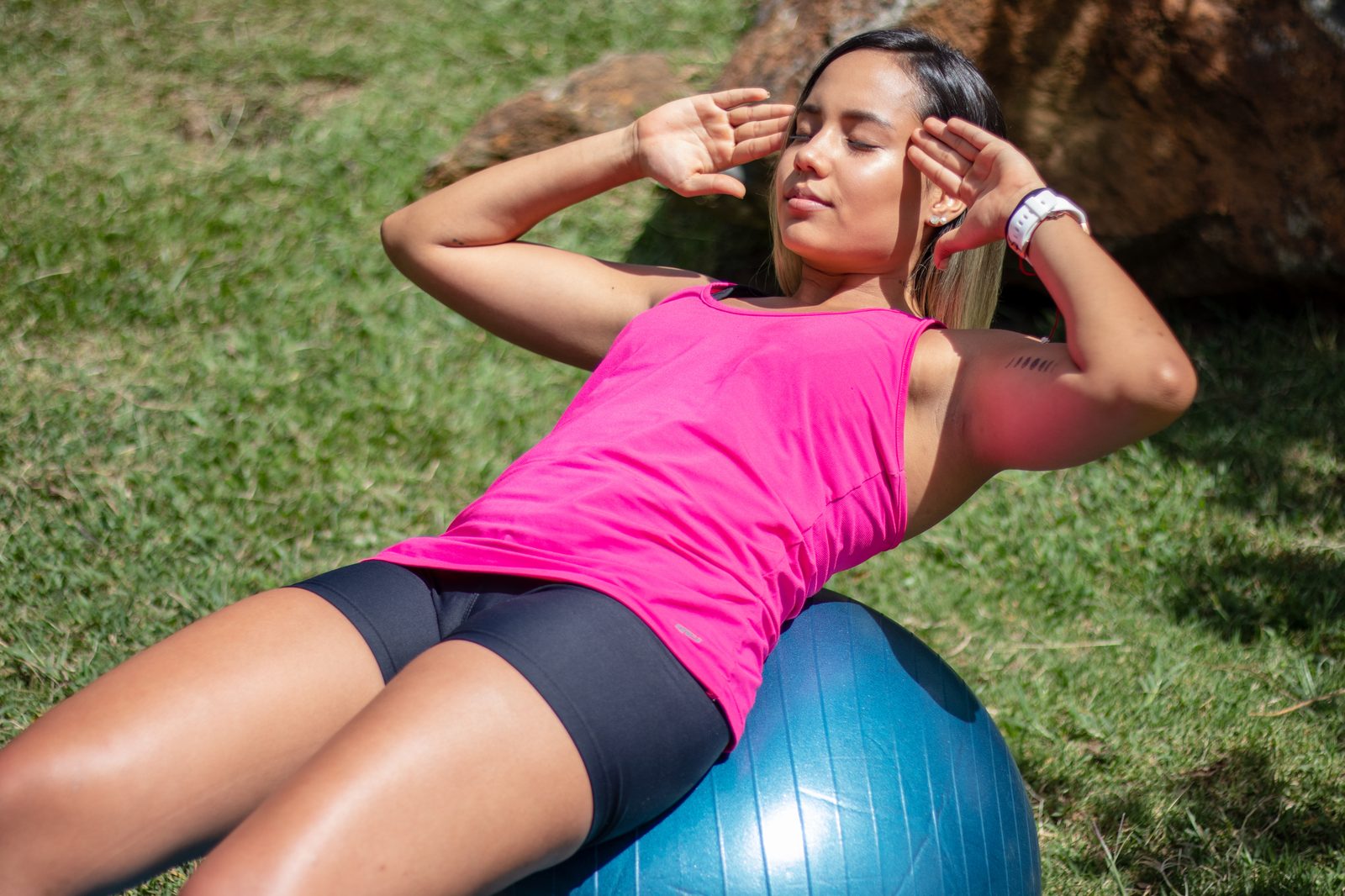
The crunch is a dynamic, short-range spinal flexion exercise. You lie on your back with knees bent and feet flat, then curl your shoulder blades a few inches off the floor. The lower back stays pressed into the mat through the whole rep.
Then you lower back down under control and repeat.
The short range is the point. A full sit-up lifts the whole torso and drags the hip flexors into the move. A crunch lifts only the shoulder blades, which keeps the work concentrated on the rectus abdominis, the long muscle down the front of the abdomen that people call the abs.
Hands rest lightly behind the head or crossed over the chest. They support the head, and they never pull on the neck.
Each rep shortens the rectus abdominis through a small range of motion, then lengthens it again. That repeated shortening is the classic way to train a muscle for activation and growth. The crunch does little for the rest of the body, and that narrow focus is both its strength and its limit.
What muscle-activation testing shows
Surface EMG testing measures how hard a muscle fires during a move. A study from the exercise physiology lab at the University of Wisconsin-La Crosse put electrodes on the upper and lower rectus abdominis and tested 15 abdominal exercises against the traditional crunch as the benchmark. The crunch alone produced an average of roughly 70 percent of maximum voluntary contraction across both regions.
More precisely, it averaged 69.6 percent for the upper rectus abdominis and 67.1 percent for the lower rectus abdominis.
No exercise in that study beat the crunch on this measure. The front plank came in with significantly lower upper and lower rectus abdominis activation than the crunch. That result surprises people who expect the plank to win everything.
Other testing adds nuance. A 2013 Les Mills research project found that a plank with a hand reach gave 20 percent more rectus abdominis activation than a crunch.
A plank with a knee lift toward the opposite side of the chest increased rectus abdominis activation by 30 percent and external oblique activation by 20 percent. Moving planks recruit more muscle than a basic hold, which closes some of the gap with the crunch.
The honest read is that the two moves measure different things. The crunch concentrates nearly all its effort on one muscle through a moving rep. The plank spreads its effort across many muscles through a still hold.
If the goal is maximum ab activation per rep, the crunch wins. If the goal is a core that steadies the whole body, the plank wins.
How each move loads the spine
The real difference between the two exercises sits in the spine, not in the abs. Spine biomechanics researcher Stuart McGill reviewed low back injury mechanics and found that repeated spinal flexion under load pushes disc compression forces toward and past the National Institute for Occupational Safety and Health action limit of 3,300 newtons. That threshold is linked to higher injury rates in repetitive loading tasks.
A crunch repeats that flexion-compression pattern on every rep. One crunch is not a problem. Fifty crunches a day, every day, adds up to a large dose of cumulative loading.
Volume is the risk factor here, not the move itself. Moderate, controlled sets keep the dose low.
The plank never flexes the spine at all. Held with good form, it is a neutral-spine hold, which is why clinicians use it for people with lower back sensitivity. McGill built core protocols around exercises that build endurance without a single rep of spinal bending.
The catch is the phrase "with good form." A sagging hip turns the plank into lumbar extension under load, which recreates a version of the problem the exercise avoids. A mirror or a camera check catches drift that the exerciser cannot feel.
Harvard Medical School's Core Exercises report makes a similar point from the other side. It notes that planks target muscles in the sides, front, and back, while sit-ups or crunches strengthen just a few muscle groups. ## How to do a plank well
Set up on a mat with forearms flat and elbows under the shoulders. Extend the legs behind, tuck the toes under, and lift the hips until the body forms one straight line. Squeeze the glutes, draw the ribs slightly down, and breathe steadily.
Watch for the two common errors. Sagging hips drop the lower back into an arch and shift the load onto the spine. Piking hips lift the seat toward the ceiling and shift the work off the abs entirely.
Both errors feel easier than a true plank, which is how they sneak in. Check the line in a mirror at least once.
Hold quality beats hold length. A range of 20 to 60 seconds per set suits most people building strength. When form breaks, come out of the position.
How to do a crunch well
Lie on your back with knees bent and feet flat on the floor. Cross the arms over the chest or rest fingertips at the temples. Curl the shoulder blades up using the abs, keep the lower back pressed into the mat, and lift only a few inches.
Lower back down slowly. The lift is small because the rectus abdominis has a short useful range.
The biggest error is pulling on the neck. Hands behind the head tempt the lifter to yank the head forward, which loads the cervical spine for zero extra ab benefit. Crossing the arms over the chest removes the temptation.
The second error is sitting all the way up, which turns the crunch into a hip-flexor move and leaves the abs behind.
Dosing stays modest. A typical prescription is 10 to 20 reps per set, performed with control. High-rep daily burnout sets add spinal compression without adding much ab benefit.
The crunch works best as a finishing move at the end of a session, after the heavy lifts are done, so a tired spine does not grind through flexion work before the session's main lifts.
How to program both
Most solid programs use both moves for different jobs. Planks tend to go early in a session, waking up core stability before anything gets loaded heavy. Crunches work better tacked on at the end, once the compound lifts are finished.
A simple weekly plan could look like this. Train the plank two to three times a week, three sets of 20 to 60 seconds, stopping each set when form breaks. Train the crunch one to two times a week, two to three sets of 10 to 20 controlled reps.
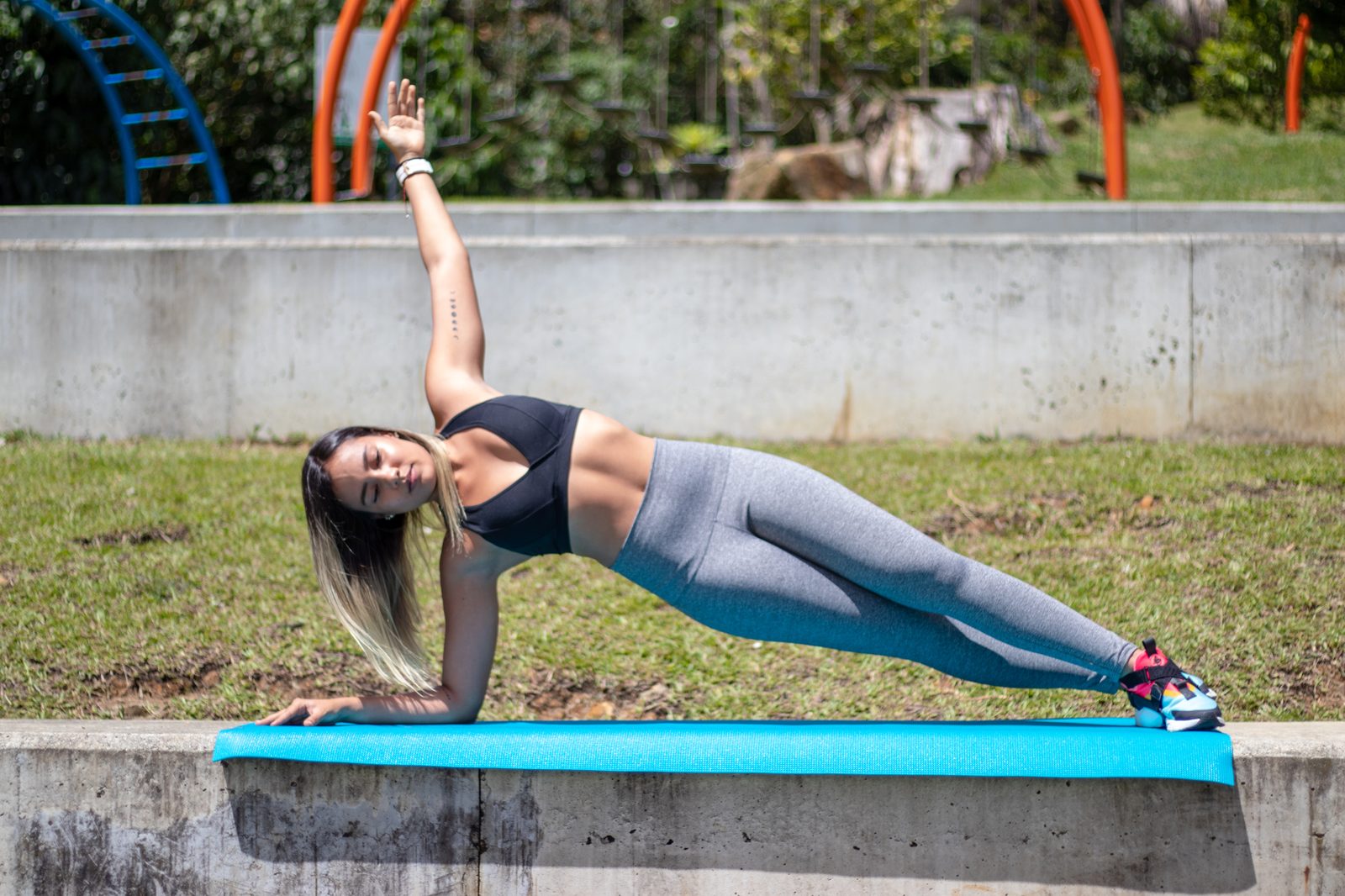
Progress each move on its own terms. For the plank, add weight, try a reach or a knee lift, or move to a side plank. For the crunch, slow the tempo, hold a light plate on the chest, or use a slight decline bench.
Progression should never come at the cost of form. A heavier plank with sagging hips is worse than a shorter one held straight.
Beginners and people with lower back sensitivity should start with the plank. Skipping spinal flexion makes it the safer default, and the stability carries over to squats, deadlifts, and everyday lifting. People chasing visible ab definition can add crunches in modest doses once the plank base is solid.
Frequently asked questions
Is a plank better than a crunch for abs?
It depends on what "better" means. For raw rectus abdominis activation, EMG testing gives the edge to the crunch. For overall stability and spine-friendly training, the plank wins.
Do planks really work the abs more than crunches?
Not for the rectus abdominis specifically. That is where the crunch pulled ahead in testing. The plank earns its reputation through breadth: it pulls in the obliques, the transverse abdominis, the shoulders, and the glutes at the same time.
Are crunches bad for your back?
Not on their own. Every rep adds a bit of spinal compression, and high daily volume adds up toward the loading linked to injury risk in research. Keep the volume reasonable and the form clean, and the risk stays low.
How long should I hold a plank?
Somewhere in the 20 to 60 second range per set works for most people building strength. Beyond that, form usually gives out before the exercise still does much. At that point, adding weight beats stretching out the clock.
Can I just do planks and skip crunches?
Yes, and it is a defensible choice if lower back sensitivity is a concern. You still get excellent stability and anti-extension strength. What you miss is the concentrated rectus abdominis activation the crunch provides, which matters for visible ab definition.
The bottom line
The plank trains the core to hold still. The crunch trains the abs to shorten. Testing gives the crunch the edge for ab activation, and the plank the edge for stability and spinal load.
A program that uses both, with the plank early and the crunch late, gets the strength of each without the weakness of either.
Tags: core training, plank, crunch, ab workout
Latest in Fitness
- Progressive Overload in Simple Terms
- Why Warming Up Before Exercise Matters
- How Many Rest Days Do Beginners Need Each Week?
- How to Improve Flexibility With Daily Stretching
Subscribe for one practical fitness guide each week.
Related stories

How long does it really take to build noticeable muscle?
Strength gains start in week one, but visible muscle takes 8-12 weeks for most beginners. What the Oklahoma CT-scan study measured,

Why you feel dizzy after a workout: the 5 common causes
Post-workout dizziness usually comes from a blood pressure dip, dehydration, or low blood sugar. The numbers behind each cause, and when

Why Do Knees Hurt When Squatting but Not Running?
Knees hurt when squatting but not running because deep bends multiply force on the kneecap. Learn the mechanics, common causes, fixes,