
What Should You Eat Before and After a Workout?
Key takeaways
- Before training, eat carbohydrates for fuel and a little protein for support.
- After training, pair protein with carbohydrates within about two hours.
- Daily totals matter more than exact timing for most recreational exercisers.

Training runs on fuel, and recovery runs on raw material. Food supplies both. What you eat before a session sets your energy level.
What you eat after it supplies the protein for repair and the carbohydrates that refill your energy stores.
The details are simpler than most advice makes them sound. Carbs before, protein plus carbs after, water throughout, and a plan you can repeat. Timing helps, but your total daily intake does most of the work.
This article explains what to eat before and after a workout, including how fuel works, pre-workout timing, post-workout recovery, strength versus cardio needs, hydration, common mistakes, and a sample day.
This article is for general information, not medical advice.
How workout fuel works
Your body stores carbohydrate as glycogen in muscles and liver. BodySpec compares glycogen to a battery pack: eating carbohydrates tops it up, and exercise drains it. When the pack is full, you can push harder and last longer.
When it runs low, fatigue arrives early.
Protein plays a different role. It supplies amino acids that repair the muscle damage training causes. Kinetic Physical Therapy states the split plainly: the body runs mostly on carbohydrates during exercise, and it uses protein to repair and build muscle afterward.
Fat matters for overall health but digests slowly. Keep it light right before a workout so your stomach stays settled. Fiber acts the same way.
A heavy, fatty, or very fibrous meal just before training can sit uncomfortably while you move.
What to eat before a workout
The pre-workout goal is fuel without discomfort. For most people, that means carbohydrates with a moderate amount of protein, eaten early enough to digest. Kinetic Physical Therapy suggests a full meal with carbohydrates, lean protein, and little fat two to three hours before exercise, or a small carbohydrate snack 30 to 60 minutes before.
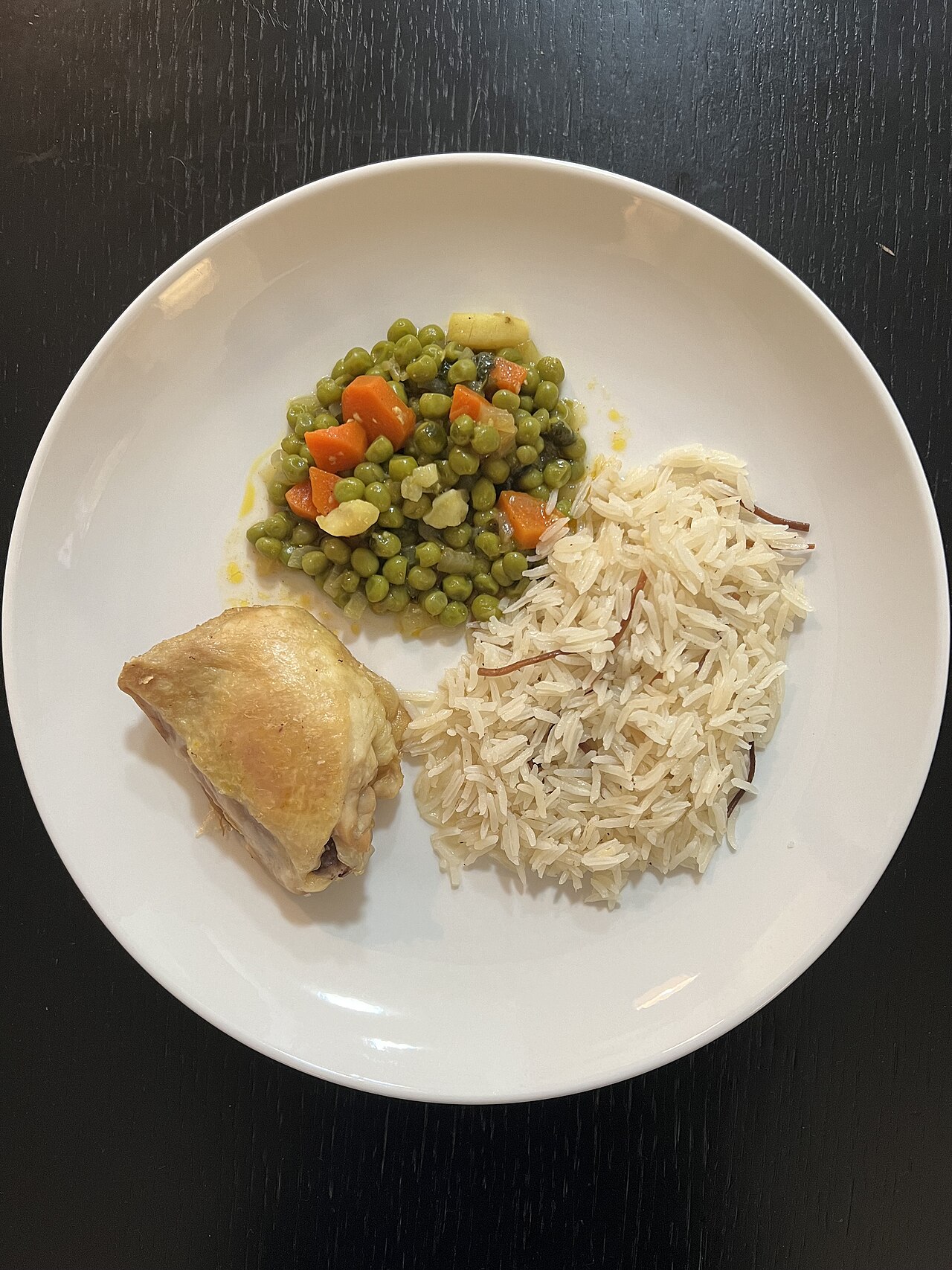
Two to three hours out, choose a balanced meal. Good options from the sources include grilled chicken with brown rice and vegetables, oatmeal with berries and Greek yogurt, or salmon with quinoa and spinach. These meals give sustained energy because complex carbohydrates release glucose steadily.
Thirty to 60 minutes out, go light and simple. BodySpec recommends a ripe banana, a few dates or raisins, or a plain rice cake with a thin layer of honey or jam. PlateauBreaker adds a banana with a small scoop of whey, Greek yogurt with berries, or a rice cake with almond butter.
These foods convert to glucose fast and leave the stomach before training starts.
Avoid high-fat meals and large portions right before a session. PlateauBreaker lists both as mistakes, since fat slows digestion and a big meal causes sluggishness. Test new foods during ordinary training, not on race day or a heavy lifting day.
What to eat after a workout
The post-workout goal is repair plus refill. Pair protein with carbohydrates in a balanced meal or snack within one to two hours of finishing, per Kinetic Physical Therapy. PlateauBreaker puts the window at 60 to 90 minutes and the protein target at 20 to 40 grams.
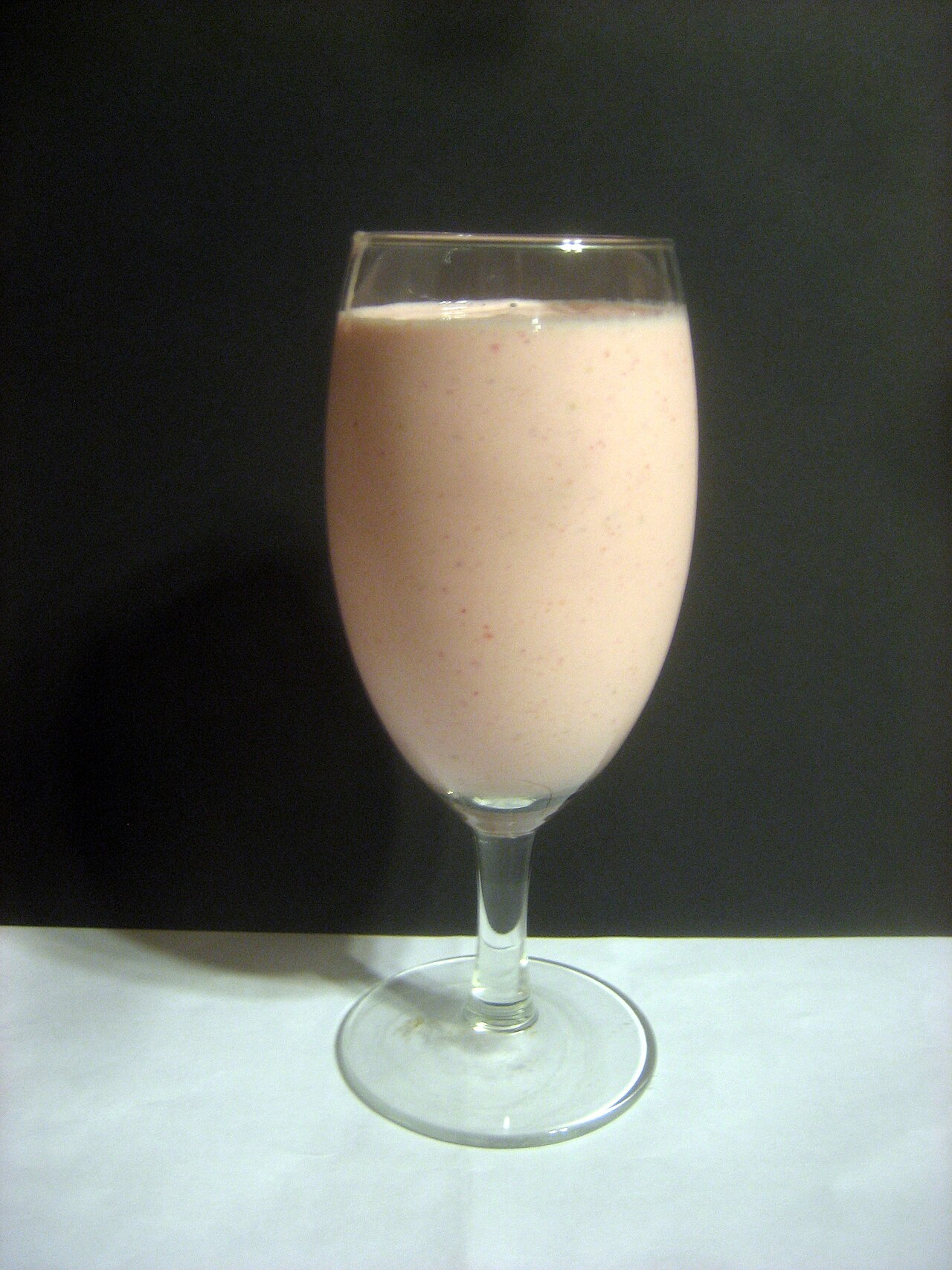
Good options include grilled chicken or fish with a baked sweet potato, Greek yogurt with fruit and granola, chocolate milk or a protein smoothie with a banana, scrambled eggs with whole grain toast and fruit, or a turkey sandwich on whole grain bread with vegetables. Each pairs protein for repair with carbohydrates for glycogen.
BodySpec notes that muscles are highly sensitive to insulin after exercise, so glucose uptake runs efficiently in that window. Failing to eat carbohydrates after a hard session can leave you sluggish and slow repair, especially if you train on consecutive days.
Do not skip carbohydrates when trying to lose fat. PlateauBreaker advises keeping post-workout carbs, since they refill what training burned rather than adding new fat stores. The overall daily calorie balance decides fat loss, not the carbs in one recovery meal.
Strength versus cardio needs
Strength training and cardio pull on fuel differently. For strength sessions, Kinetic Physical Therapy advises a balanced meal or snack with carbohydrates and protein beforehand, then protein afterward to support muscle repair. For cardio, carbohydrates take center stage because they are the main fuel for longer efforts.
BodySpec adds a useful threshold. For recreational lifters doing low-volume sets with long rests, exact carb timing is not a make-or-break factor, and hitting daily carbohydrate and protein totals is enough. When volume rises past about 10 sets per muscle group, eating carbohydrates 1 to 4 hours before training can raise total work output.
Endurance sessions past 60 to 90 minutes are a different case. BodySpec says pre-workout carbohydrates become non-negotiable there, and many endurance athletes need carbohydrates during the session too. Its cited guideline supports 30 to 60 grams of carbohydrates per hour of prolonged exercise, depending on duration and intensity.
Match the meal to the session. A short walk needs little planning. A long run or a heavy leg day deserves a real pre-workout meal and a planned recovery meal.
Hydration around training
Food gets the focus, but fluids decide how the session feels. Kinetic Physical Therapy warns that even mild dehydration hurts performance and leaves you drained. Drink water steadily through the day, sip before you start, and rehydrate afterward.
For sessions longer than an hour, or very sweaty workouts in heat, add electrolytes. An electrolyte drink or a salty snack helps replace sodium lost in sweat. Watch for warning signs such as dark urine, headaches, dizziness, or cramps.
If symptoms are severe, stop exercising and seek medical care.
Pale yellow urine is a simple sign of good hydration. A proper warm-up and steady hydration together make the first ten minutes of a session far easier.
Does the anabolic window matter?
The old claim was that you must eat protein within 30 minutes of finishing or the session is wasted. The sources here are more relaxed. Kinetic Physical Therapy gives a one to two hour window.
PlateauBreaker gives 60 to 90 minutes. BodySpec stresses that glycogen refills fastest in the first hours but that daily totals matter most for recreational lifters.
The practical rule: eat a real meal within about two hours of training, and do not stress the exact minute. If your next regular meal falls in that window, it counts. If you train twice a day or on consecutive hard days, eat sooner rather than later, since the next session arrives fast.
People with diabetes or other conditions that affect blood sugar should treat timing more carefully. BodySpec notes that exercise can affect blood glucose for many hours, and anyone managing diabetes should work out a plan with a healthcare provider rather than copying generic advice.
Common mistakes
Training hard on an empty stomach is the first mistake. Kinetic Physical Therapy lists it first, since it leaves people weak or lightheaded. A short, easy morning session may be fine unfueled, but a hard session deserves a snack.
Eating a heavy, high-fat meal right before exercise is the second mistake. It digests slowly and competes with working muscles for blood flow. Keep the pre-workout meal moderate and low in fat.
Skipping protein after strength sessions is the third. Muscle repair needs amino acids, and a carbohydrate-only snack does not supply them. A fourth mistake is relying only on bars and supplements instead of whole foods.
Supplements can fill gaps, but PlateauBreaker is clear that food comes first.
The last mistake is ignoring rest days. Recovery meals work best when rest days give muscles time to use them. Training hard every day while eating well still stalls, since the repair window never closes.
A sample training day
A sample day makes the pattern concrete. Two to three hours before an afternoon session, eat grilled chicken, brown rice, and steamed vegetables. Thirty minutes before, if you feel hungry, eat a banana.
After training, drink water and eat within two hours: Greek yogurt with fruit and granola, or a protein smoothie with a banana. Later, eat a normal dinner with protein, carbohydrates, and vegetables. Drink water through the day.
Supplements: useful, not required
You do not need supplements to succeed. PlateauBreaker lists three basic options worth considering when meals are inconsistent or training starts early: whey protein for a convenient post-workout option, creatine for strength and muscle retention, and branched-chain amino acids for fasted or heavily restricted training.
Check quality and dose before buying. Supplements vary in purity, and a cheap powder with fillers is worse than no powder at all. Whole foods cover the same nutrients for most people, and a supplement should support a solid eating plan, not replace it.
Frequently asked questions
Should I eat before an early morning workout?
It depends on the session. A short, easy workout may feel fine unfueled. A long or hard session usually goes better with a small snack, such as a banana, 30 to 60 minutes beforehand.
If you feel weak or lightheaded training fasted, eat first.
How much protein do I need after a workout?
Many athletes aim for roughly 20 to 30 grams, per Kinetic Physical Therapy, and PlateauBreaker gives a 20 to 40 gram range. Your ideal amount depends on body size and goals. A palm-sized portion of meat, a cup of Greek yogurt, or a scoop of whey all land in that range.
Are carbs before a workout bad for fat loss?
No. Training fasted may raise the share of energy drawn from fat during the session, but BodySpec notes it rarely changes total fat loss and often lowers intensity. Daily calorie balance matters more than pre-workout carbs.
What if I can only eat one meal around my workout?
Pick the post-workout meal. Eat a protein and carbohydrate meal within about two hours of finishing. If you train hard regularly, add a small pre-workout snack too, since fueled sessions let you train harder.
Do I need a protein shake right after training?
No. A shake is convenient, but a meal with the same protein and carbohydrates works as well. Greek yogurt with fruit, eggs on toast, or chicken with a sweet potato all cover recovery without a shaker bottle.
The bottom line
Eat carbohydrates before training for fuel, and pair protein with carbohydrates after training for repair. Aim for a full meal two to three hours before or a light snack 30 to 60 minutes before, then a recovery meal within about two hours after. Drink water through the day and add electrolytes for long, sweaty sessions.
Daily totals still matter most. A good eating pattern repeated all week beats a perfect meal timed to the minute once. Pair that pattern with a proper warm-up, sensible rest days, and daily stretching, and training gets steadily easier.
Tags: workout, nutrition, protein, recovery, fitness
Latest in Fitness
- Why Warming Up Before Exercise Matters
- How Many Rest Days Do Beginners Need Each Week?
- Plank vs Crunch: Which Builds Core Strength?
- How to Improve Flexibility With Daily Stretching Routines
Subscribe to the Rive News newsletter for one practical fitness guide each week.
Related stories

How long does it really take to build noticeable muscle?
Strength gains start in week one, but visible muscle takes 8-12 weeks for most beginners. What the Oklahoma CT-scan study measured,

Why you feel dizzy after a workout: the 5 common causes
Post-workout dizziness usually comes from a blood pressure dip, dehydration, or low blood sugar. The numbers behind each cause, and when

Why Do Knees Hurt When Squatting but Not Running?
Knees hurt when squatting but not running because deep bends multiply force on the kneecap. Learn the mechanics, common causes, fixes,