
Why exercise makes you feel more awake after a workout
By Rive News / Research desk | Rive News / Published October 27, 2026 at 9:00 AM PKT
Key takeaways
- Exercise raises heart rate and blood flow, which delivers more oxygen to the brain and muscles during and shortly after a session.
- Alertness chemicals, including norepinephrine, dopamine, and endocannabinoids, rise with effort and help explain the brighter mood many people report.
- The longer-lasting energy gain comes from fitness and sleep, not from a single workout, so regular moderate activity matters more than one hard session.

People run and walk along a path in the early morning. Photograph: the morning runners scene
Image Credits: Wikimedia Commons
Exercise can feel tiring while it is happening, yet many people feel more awake once they stop. That awake feeling is not a single chemical or a single trick. It is a mix of faster blood flow, a more alert brain, a sense of completion, and, over weeks, a body that handles daily effort with less strain.
This article explains why exercise makes you feel more awake afterwards, including what changes during a workout, which brain chemicals are involved, why the lift fades, and how regular activity builds steadier daytime energy.
What changes in the body during exercise
The first change is mechanical. The heart beats faster and pumps more blood with each beat, so working muscles and the brain receive more oxygen and fuel.
Breathing deepens to match that demand, and blood vessels in working muscles widen to let that blood through. The body also warms up, which is part of why a morning walk can shake off the stiffness of sleep.
The second change is a shift in arousal. The body treats exercise as a demand that needs attention, so it raises alertness in the same broad way it would for any active task.
Heart rate, breathing, and muscle tension all signal that the body is in an active state rather than a resting one. When the session ends, that arousal does not switch off instantly, so the person carries a period of heightened alertness into the next task.
That carryover is one reason a short walk before work can help more than another cup of coffee for some people. Coffee blocks sleepiness signals, while movement raises the whole system into a more active state. The two effects are different, and they can combine, but movement also adds the fitness and sleep benefits that caffeine alone does not provide.
The brain chemicals behind the lift
Endorphins are the chemicals most often named, and they do play a role. They are natural opioids produced by the body during sustained effort, and they reduce the feeling of pain while contributing to a sense of well-being. The popular name for the result is the runner's high, although the same broad effect can follow many kinds of sustained activity.
Newer research has complicated that simple story. Endorphins are large molecules that cross into the brain poorly, so researchers have looked more closely at endocannabinoids such as anandamide, which are small enough to cross the blood-brain barrier and bind to some of the same receptors targeted by cannabis compounds. A recent summary of that research puts the threshold for a reliable effect at 30 to 60 minutes of aerobic exercise at 70 to 85 percent of maximum heart rate, with the effect lasting 45 minutes or more after stopping.
Dopamine and norepinephrine add two more pieces. Dopamine is linked to reward and motivation, so it helps explain why finishing a workout can feel satisfying and why the next workout feels easier to start.
Norepinephrine is linked to alertness and focus, so its rise during effort helps explain the sharper attention that often follows a session. Together, these chemicals produce a lift that is part mood, part alertness, and part reduced discomfort.
Why you feel awake but also tired
Feeling awake after exercise does not mean the body is fully recovered. Muscles may be tired, glycogen stores may be partly used, and the body may need water and food.
The awake feeling sits on top of that fatigue, because alertness and muscle tiredness are measured by different systems. A person can have tired legs and a clear head at the same time.
Intensity decides which feeling dominates. A moderate session usually leaves most people alert, because the arousal lift outweighs the fatigue.
A very hard session, especially one done without enough sleep, food, or water, can leave the person drained once the arousal fades. That is why the same workout can feel energising on one day and exhausting on another.
Timing matters as well. Exercise close to bedtime can delay sleep for some people, because body temperature and arousal stay high.
The awake feeling that is welcome at 9 in the morning can become a problem at 10 at night. Most people find that morning or afternoon sessions give the daytime lift without costing the night's sleep.
The longer energy gain from regular activity
The single-session lift fades within hours, but regular activity builds a slower and steadier gain. A fitter heart delivers blood more efficiently, so ordinary tasks such as climbing stairs or carrying shopping cost less effort. When daily tasks cost less, more energy is left for the rest of the day, and that is often what people mean when they say exercise gives them energy.
Sleep is the second slow gain. A study published in the Journal of Sleep Research in April 2015, covering people with insomnia who completed at least 150 minutes of moderate-intensity activity per week, found reduced insomnia severity and improved mood. Better sleep then feeds back into daytime alertness, which is a larger effect than any single post-workout lift.
Health guidance reflects that weekly total rather than a single session. The American Heart Association recommends at least 30 minutes of moderate-intensity aerobic activity at least five days per week for overall cardiovascular health. That adds up to the same 150 minutes per week used in the sleep study, which gives a practical target for people who want the energy gain without chasing extreme workouts.
How to get the lift without overdoing it
Start with a session that ends with energy to spare. A brisk 20 to 30 minute walk, an easy cycle, or a light swim is enough for most beginners to feel the alertness lift. The goal of the first weeks is regularity, not exhaustion, because the fitness gain only arrives when sessions repeat.
Pay attention to the hour after the session. If alertness rises and stays up for the next task, the dose was about right.
If dizziness, nausea, or a long crash follows, the session was too hard, too hot, or done without enough food or water, and the next session should be shorter or easier. The related guide on feeling dizzy after a workout covers the common causes, and the guide on heart rate after exercise explains why the pulse stays high for a while.
For people who train later in the day, a short cool-down and a gap before bed usually protect sleep. For people who want a pre-workout lift, the guide to caffeine and workout performance explains when caffeine helps and when it can backfire. What to eat around a session also matters, and the guide on eating before and after a workout gives a simple starting point.
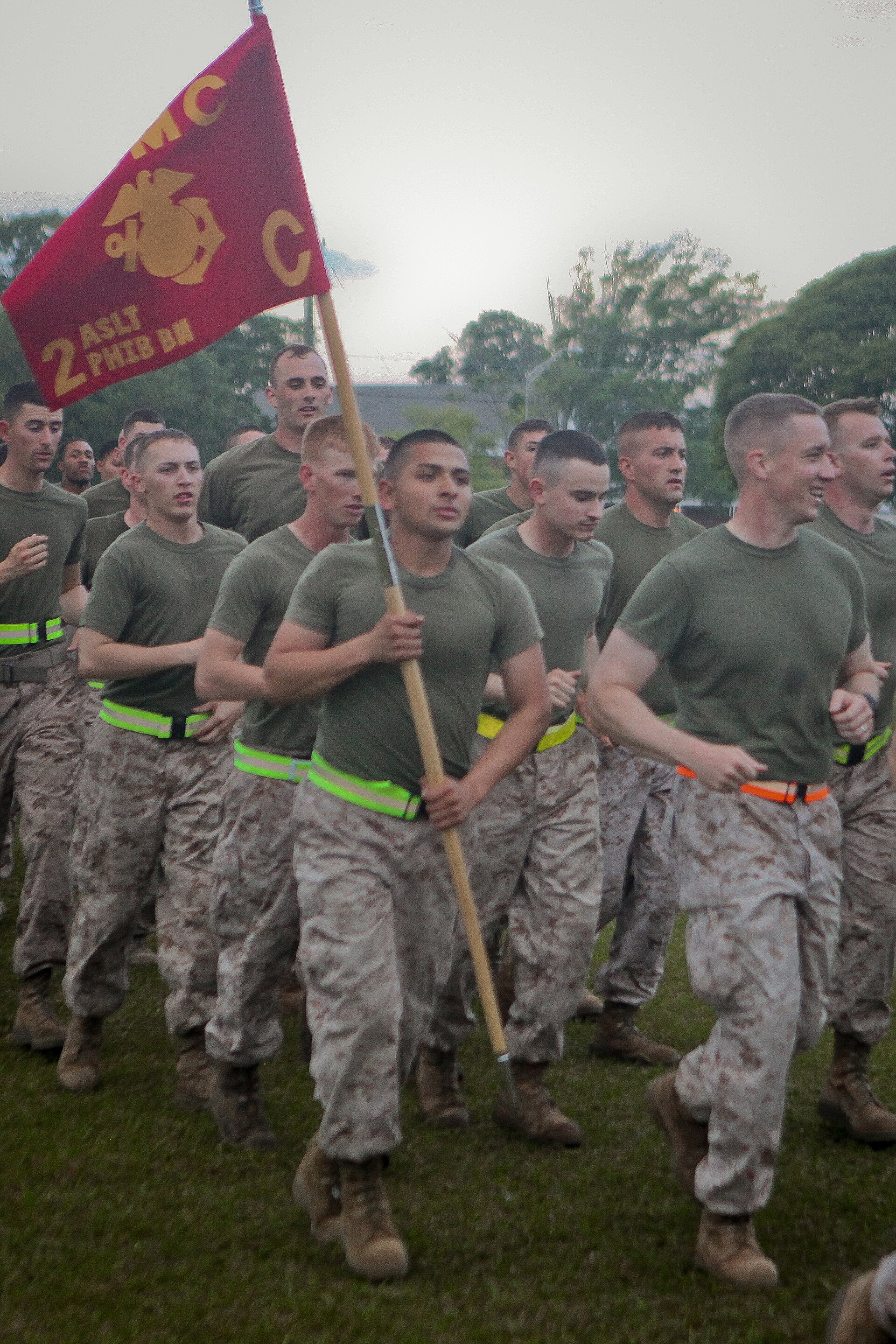
Runners train outdoors on a road. Photograph: the training runners scene
Image Credits: Wikimedia Commons
The bottom line
Exercise wakes you up because it raises blood flow and alertness while the body is working, and that active state carries over after the session ends. Brain chemicals, including endorphins, endocannabinoids, dopamine, and norepinephrine, add mood and focus to the lift. The steadier energy most people want, however, comes from weeks of regular moderate activity, better fitness, and better sleep.
Tags: exercise, energy, brain chemistry
The Rive News research desk writes plain-English explainers from published research and public sources, with claims tied to named studies where the evidence matters.
Related
- Why your heart rate stays high after you stop exercising
- Why you feel dizzy after a workout
- What to eat before and after a workout
Subscribe for one research-backed fitness explainer each week.
Rive News standards: claims are attributed to public sources, and no invented study, quote, or statistic appears in this article.
Related stories
How long does it really take to build noticeable muscle?
Strength gains start in week one, but visible muscle takes 8-12 weeks for most beginners. What the Oklahoma CT-scan study measured,
Why you feel dizzy after a workout: the 5 common causes
Post-workout dizziness usually comes from a blood pressure dip, dehydration, or low blood sugar. The numbers behind each cause, and when
Why Do Knees Hurt When Squatting but Not Running?
Knees hurt when squatting but not running because deep bends multiply force on the kneecap. Learn the mechanics, common causes, fixes,