
Why you feel lightheaded after heavy squats and recover
By Rive News / Research desk | Rive News / Published October 26, 2026 at 9:00 AM PKT
Key takeaways
- Heavy squats spike pressure inside the chest, then release it, and blood pressure dips briefly.
- That dip briefly reduces blood flow to the brain, which feels like lightheadedness.
- Breathing technique, hydration, and a slow cool down reduce how often it happens.
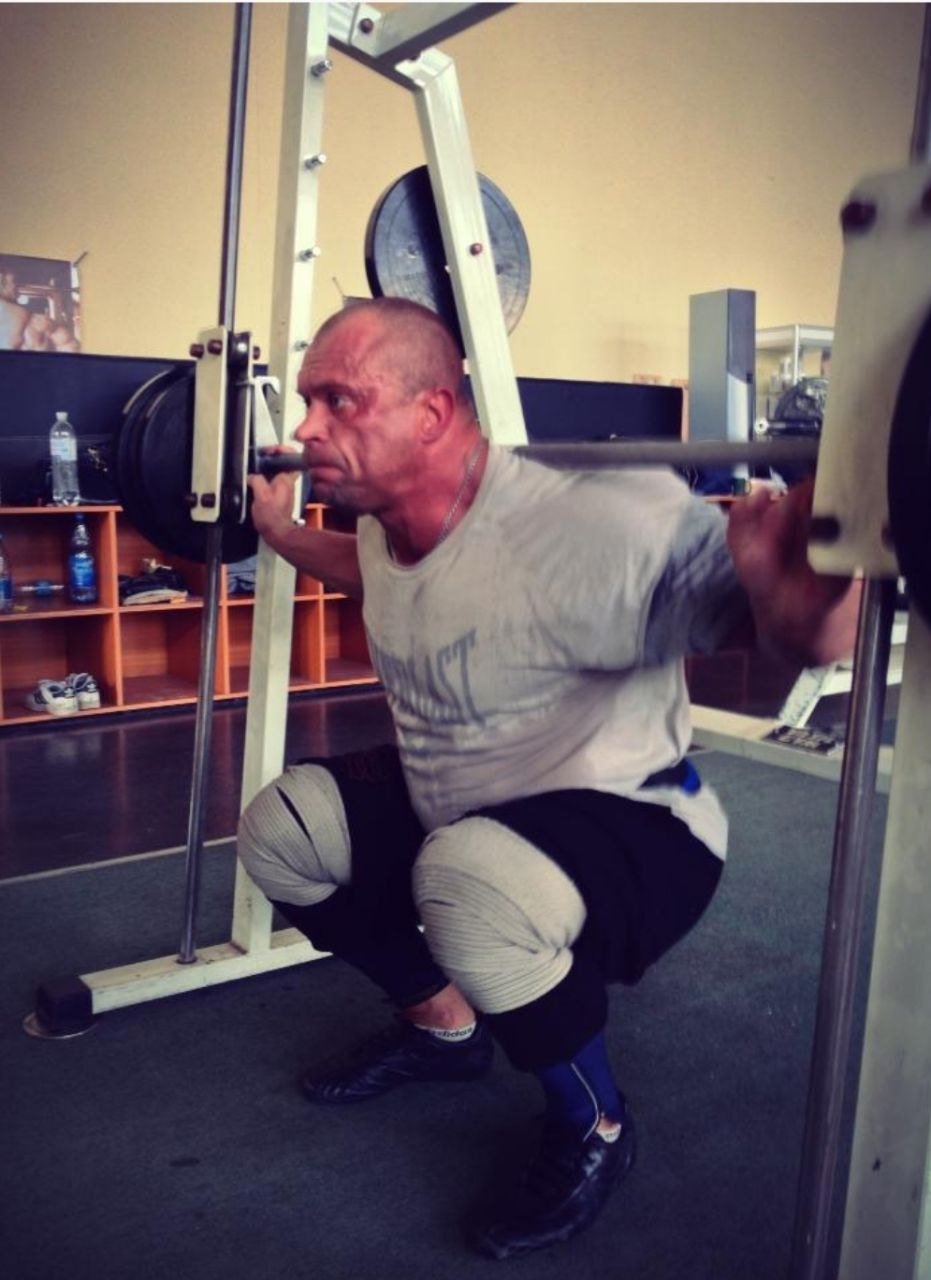
[A lifter performing a barbell squat in a gym.] Photograph: barbell squat
Image Credits: Wikimedia Commons
This article is for general information only and is not medical advice; talk to a clinician about any symptoms.
You finish a heavy set of squats, rack the bar, and the room tilts for a few seconds. Your vision narrows, your head feels light, and you grab the rack until it passes.
That moment has a clear cause. Heavy squats swing your blood pressure up and then down in a matter of seconds, and the brain notices the downswing first.
This article explains the pressure swing, the breathing pattern behind it, and the other factors that make it worse, including dehydration, low fuel, and standing still after the set.
The Valsalva maneuver, in plain terms
Most lifters hold their breath during a heavy squat without thinking about it. They breathe in, brace the core hard, squat down, drive up, and breathe out at the top.
That pattern is called the Valsalva maneuver. It raises pressure inside the chest and abdomen, which stiffens the trunk and protects the spine under a heavy bar.
FitnessRec describes it as essential for heavy compound lifts, including squats, deadlifts, and overhead presses. The same source notes it is most useful for sets of 1 to 8 reps at 70 to 95 percent of a one rep maximum.
The trade off is pressure. While you hold your breath and brace, pressure inside the chest climbs sharply, and that pressure squeezes the veins that return blood to the heart.
Less blood returning to the heart means less blood leaving it. The brain, sitting at the top of the system, feels that shortfall first, and lightheadedness is how it reports it.
What the 1973 measurements showed
The clearest evidence comes from a study published in The Lancet in 1973. Compton, Hill, and Sinclair, from the University of Auckland, measured lifters during actual weight lifting to find the cause of blackouts in competition.
They recorded intrathoracic pressures as high as 160 to 260 millimetres of mercury during lifts. For comparison, a normal resting blood pressure reading sits near 120 over 80 in the same units.
At the end of the high pressure phase, their cineangiography showed a delay in the left ventricle filling with blood. Electrocardiogram complexes appeared without matching arterial pulses, and blood pressure fell transiently to 25 to 50 millimetres of mercury.
Those numbers explain the timing lifters report. The worst moment is not during the lift, but just after it, when the breath is released and the built up pressure collapses.
The authors attributed weight lifters' blackout to reduced cardiac output and cerebral blood flow linked to the Valsalva maneuver. Lightheadedness is the milder version of the same chain of events.
Why squats trigger it more than other lifts
Squats combine everything that drives the pressure swing. The load is heavy, the muscles involved are the largest in the body, and the breathing pattern is a long held breath under effort.
Legs demand a large share of blood during the set. When the set ends, blood that was serving the leg muscles takes time to return to central circulation, and pressure dips while that redistribution happens.
Standing still after the set makes it worse. The calf muscles normally help pump blood back upward when you walk, and standing with knees locked and motionless removes that help.
That is why walking slowly between sets, or flexing the calves gently, helps more than standing frozen. Movement keeps blood moving back toward the heart while pressure recovers.
Overhead lifts can trigger a similar feeling for the same reason. The pattern is a heavy effort plus a held breath plus a sudden release, and squats are simply the most common place lifters meet all three.
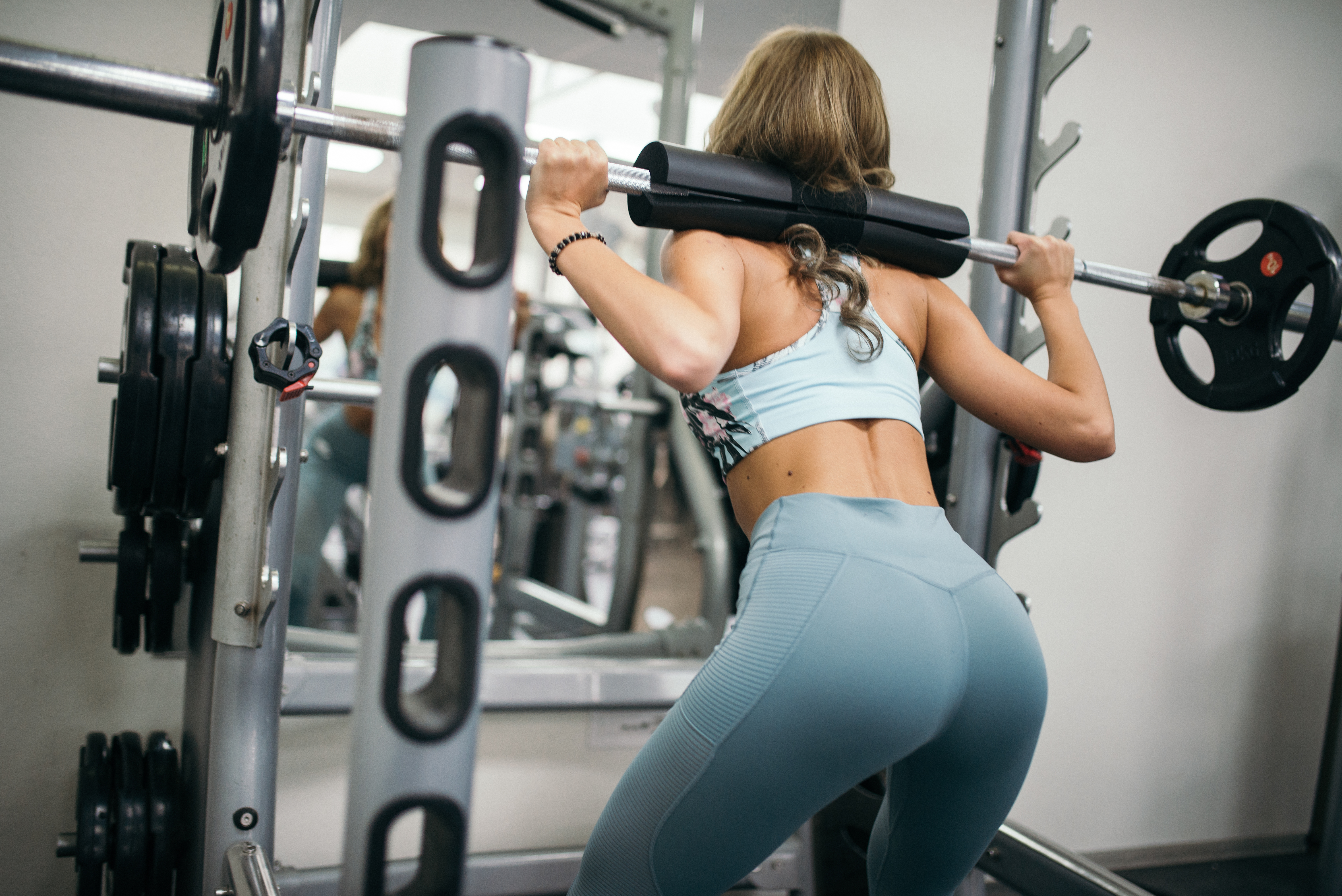
[A lifter performing a squat workout with a barbell in a gym.] Photograph: squat workout
Image Credits: Wikimedia Commons
Dehydration, fuel, and fatigue
Breathing is the main mechanism, but three other factors decide how bad the dip feels. The first is dehydration, which lowers the total volume of blood available to keep pressure up.
The Cleveland Clinic summary cited by Welly lists dehydration and low blood sugar alongside breathing as major contributors. Both reduce what the body has to work with when pressure swings.
The second factor is fuel. Training on an empty stomach, or after a long gap without food, leaves blood sugar lower, and low blood sugar alone can cause lightheadedness during hard effort.
The third factor is accumulated fatigue. A third heavy set, done when already tired, produces a bigger swing than a fresh first set, because the body has less reserve to absorb it.
New lifters also report it more often. Their breathing and bracing patterns are less practised, so they tend to hold the breath longer and release it more abruptly.
What helps, and what to avoid
Breathe between reps, not just between sets. Take a fresh breath and rebrace at the top of each rep, rather than holding one breath across several heavy reps.
Keep the breath hold short. For most lifters, holding through a single rep and breathing out past the sticking point is enough, and it limits how high chest pressure climbs.
Move gently after the set. Walk a few steps, keep the knees soft, and avoid locking out and standing perfectly still while the room spins.
Hydrate and eat before training. Water through the day and a normal meal a couple of hours before lifting give the body the volume and fuel it needs to ride out the swing.
Do not train through repeated near fainting. If lightheadedness happens on most sets, or comes with chest pain, fainting, or vision changes that linger, stop and get checked.
Our guide to breathing correctly when lifting weights covers the rep by rep pattern in more detail, and our proper squat form guide covers the setup that makes bracing easier.
When lightheadedness needs attention
Brief lightheadedness that passes in seconds after a heavy set is common, and the Cleveland Clinic summary describes it as a common phenomenon linked to a temporary drop in blood pressure.
Persistent or severe dizziness is different. The same summary advises medical evaluation when dizziness comes with chest pain, fainting, or symptoms that do not clear quickly.
Fainting itself is a clear line. A lifter who actually loses consciousness needs a check, even if they feel fine afterwards, because the cause needs ruling out rather than guessing.
People with uncontrolled high blood pressure, a history of stroke or aneurysm, heart valve problems, or eye pressure problems should be cautious with the Valsalva maneuver. FitnessRec lists these as conditions where the maneuver should be avoided or modified.
If you are unsure whether your symptoms fit the normal pattern, err toward getting checked. A short appointment settles a question that guessing cannot.
Frequently asked questions
Is it normal to feel lightheaded after squats?
Yes, brief lightheadedness after a heavy set is common. It comes from the temporary blood pressure dip when a held breath is released, and it usually passes within seconds.
Does holding your breath while squatting cause dizziness?
It contributes strongly. The Valsalva maneuver raises chest pressure and reduces blood returning to the heart, so releasing the breath drops pressure and briefly reduces blood flow to the brain.
Should I stop squatting if I feel dizzy?
Stop the set and sit or walk gently until it passes. If dizziness is frequent, severe, or comes with chest pain or fainting, stop training and talk to a clinician.
Does drinking water stop post squat dizziness?
It helps, since dehydration lowers blood volume and worsens the dip. Water alone does not fix a long breath hold, so combine hydration with breathing between reps.
The bottom line
Lightheadedness after heavy squats comes from a pressure swing: the held breath spikes chest pressure, the release drops it, and the brain briefly gets less blood. The 1973 Lancet measurements put numbers on that swing, with pressure falling as low as 25 to 50 millimetres of mercury for a moment.
Shorten the breath hold, breathe between reps, keep moving after the set, and arrive hydrated and fed. Those four habits reduce most episodes.
If dizziness is frequent, severe, or comes with chest pain or fainting, stop and talk to a clinician. For related symptoms, see why you feel dizzy after a workout and why you feel nauseous during intense workouts.
Tags: squats, strength training, dizziness, breathing technique
The Rive News research desk writes plain English explainers from public sources, with every key claim tied to a named document or dataset.
Related
- How to breathe correctly when lifting weights
- What is proper squat form
- Why you feel dizzy after a workout
- Why you feel nauseous during intense workouts
Subscribe for one practical explainer a week, no hype and no filler.
Rive News publishes explainers from public sources. Corrections are welcomed and fixed promptly.
Related stories
How long does it really take to build noticeable muscle?
Strength gains start in week one, but visible muscle takes 8-12 weeks for most beginners. What the Oklahoma CT-scan study measured,
Why you feel dizzy after a workout: the 5 common causes
Post-workout dizziness usually comes from a blood pressure dip, dehydration, or low blood sugar. The numbers behind each cause, and when
Why Do Knees Hurt When Squatting but Not Running?
Knees hurt when squatting but not running because deep bends multiply force on the kneecap. Learn the mechanics, common causes, fixes,