
What happens in your body during a deload week
By Rive News / Research desk | Rive News / Published October 24, 2026 at 9:00 AM PKT
Key takeaways
- A deload week cuts training stress by 30-50% while you keep moving, letting accumulated fatigue clear without losing fitness.
- Your nervous system, tendons, hormones, and motivation all recover on different timelines, which is why one light week beats scattered rest days.
- True detraining takes 2-3 weeks of complete inactivity, so a planned deload costs you nothing and often precedes personal records.
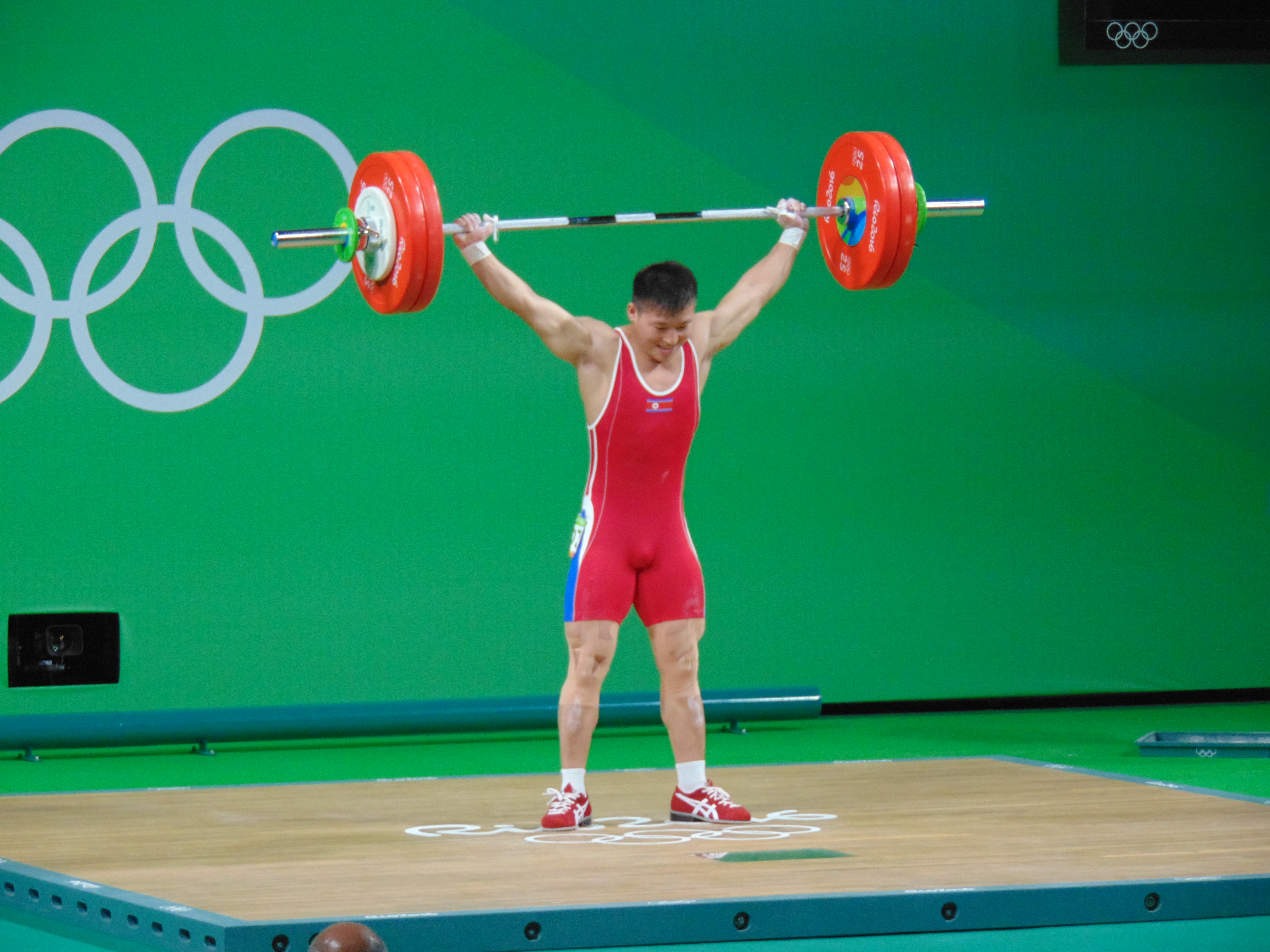
[A weightlifter mid-lift at the Rio 2016 Olympics; even elite lifters schedule lighter weeks to shed fatigue.] Photograph: an Olympic weightlifter
Image Credits: Wikimedia Commons
A deload week sounds like a week off, but it is not. It is a planned reduction in training stress, usually by 30 to 50%, while you keep your normal routine and movement patterns. That definition comes from a 2023 study summarized by Gymshark, and it captures the whole idea: you are still training, just lighter.
This article explains what happens in your body during a deload week, including how fatigue clears, why tendons lag behind muscles, what changes hormonally, and why one light week does not cost you your gains.
What is a deload week, exactly?
After three to six weeks of progressive overload, fatigue accumulates faster than fitness. A deload week is the scheduled answer to that imbalance. You lift lighter weights, do fewer sets, train fewer days, or some combination, for about six to seven days.
A common setup: keep the same exercises, but work at 40 to 60% of your usual weights with no sets taken close to failure. If you squat three times a week at challenging loads, a deload might mean squatting once or twice at 60 to 70% with fewer total sets. The movements stay; the stress drops.
Strength athletes typically deload every four to six weeks, bodybuilders every six to eight, according to ProsourceFit's programming guide. Coach Obi, quoted by Healthspan Elite, suggests every four to eight weeks with adjustments based on how your body responds. The point is the same: schedule the easy week before your body forces one on you.
Fatigue clears while fitness stays put
Here is the core physiology. Consistent hard training creates two overlapping curves: fitness adaptations and accumulated fatigue. Rest days of 24 to 48 hours clear session-to-session fatigue, but they do not clear the systemic fatigue that builds across a whole training block.
A deload week gives that systemic fatigue time to dissipate while the fitness adaptations finish consolidating. The result has a name: supercompensation.
After adequate recovery from a training stimulus, the body overshoots its previous baseline. Many lifters set personal records in the session right after a properly executed deload, not despite the light week but because of it.
Think of it as revealing strength that was already there. One coach described a client who had stalled for four months: after adding a mandatory deload every fourth week, he added 25 lbs to his squat and 20 lbs to his bench within eight weeks. The fitness had been hiding under the fatigue.
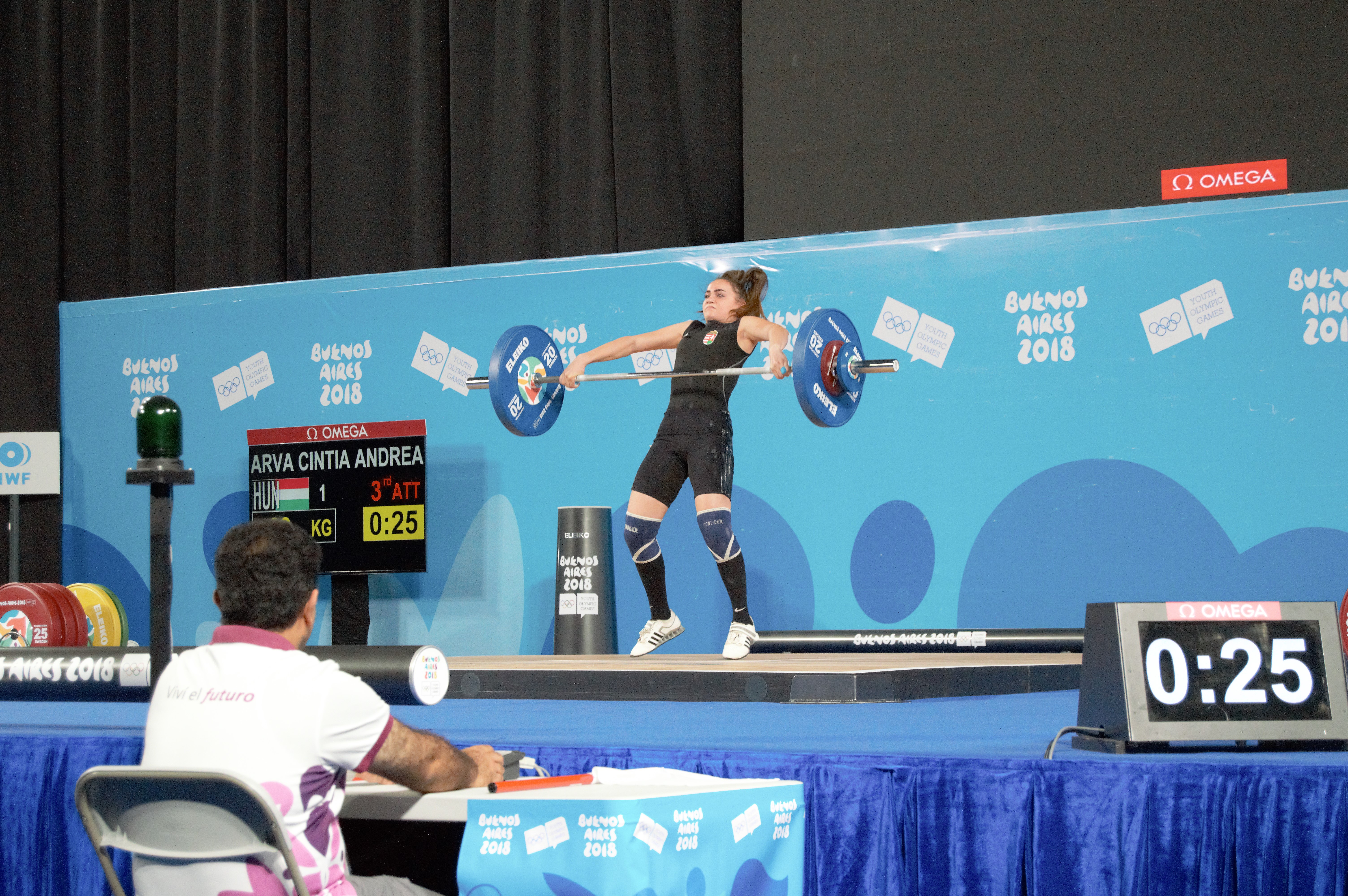
[A young weightlifter at the 2018 Youth Olympic Games; structured light weeks are part of serious programming, not laziness.] Photograph: a youth weightlifter
Image Credits: Wikimedia Commons
Your nervous system recovers first and matters most
Heavy training does not just tire your muscles. It creates neural stress that shows up as a feeling of heaviness, slower bar speed, and reduced power output even after soreness is gone. This central nervous system fatigue inhibits force production and coordination.
That is why lifts can feel heavy when your muscles feel fine. The muscles recovered in 48 hours; the nervous system needs the better part of a week. A deload clears this neural fatigue, and the return of bar speed is usually the first sign it worked.
Sleep often improves during a deload too. Chronically elevated cortisol from sustained high-volume training disrupts sleep, and as stress hormones normalize, sleep quality follows. If you track your heart rate staying elevated after exercise, a deload week is when those recovery markers start looking normal again.
Muscles heal faster than tendons and joints
This mismatch is one of the biggest injury drivers in training. Muscle tissue repairs its microdamage within days, so your muscles feel ready to go heavy again. Tendons and ligaments, with their poorer blood supply, adapt on a much slower timeline.
A deload week lets connective tissue close the gap. The reduced load is still enough to keep tendons loaded and healthy, since tendons respond to load, but it is light enough to let accumulated irritation settle. Nagging joint aches that lingered through the training block often quiet down.
This is also why you should not skip all exercise during a deload. Light training promotes blood flow and recovery while maintaining the habit. Complete rest is not the goal; reduced stress is.
Hormones and motivation reset
Sustained high-volume training without recovery periods keeps cortisol elevated and can suppress the hormonal environment that supports adaptation, including testosterone production. Deload weeks help restore the balance, creating conditions where muscle protein synthesis can do its repair work unimpeded.
Then there is the mental side, which is physical too. The motivation to train is not just willpower; it is influenced directly by systemic fatigue levels.
When the stress load drops, motivation returns on its own. Lifters who dreaded the gym often find themselves eager to train again by day five or six.
That rebound is a feature, not a coincidence. How many rest days beginners need covers the same principle at smaller scale: recovery is when the adaptation you paid for actually arrives.
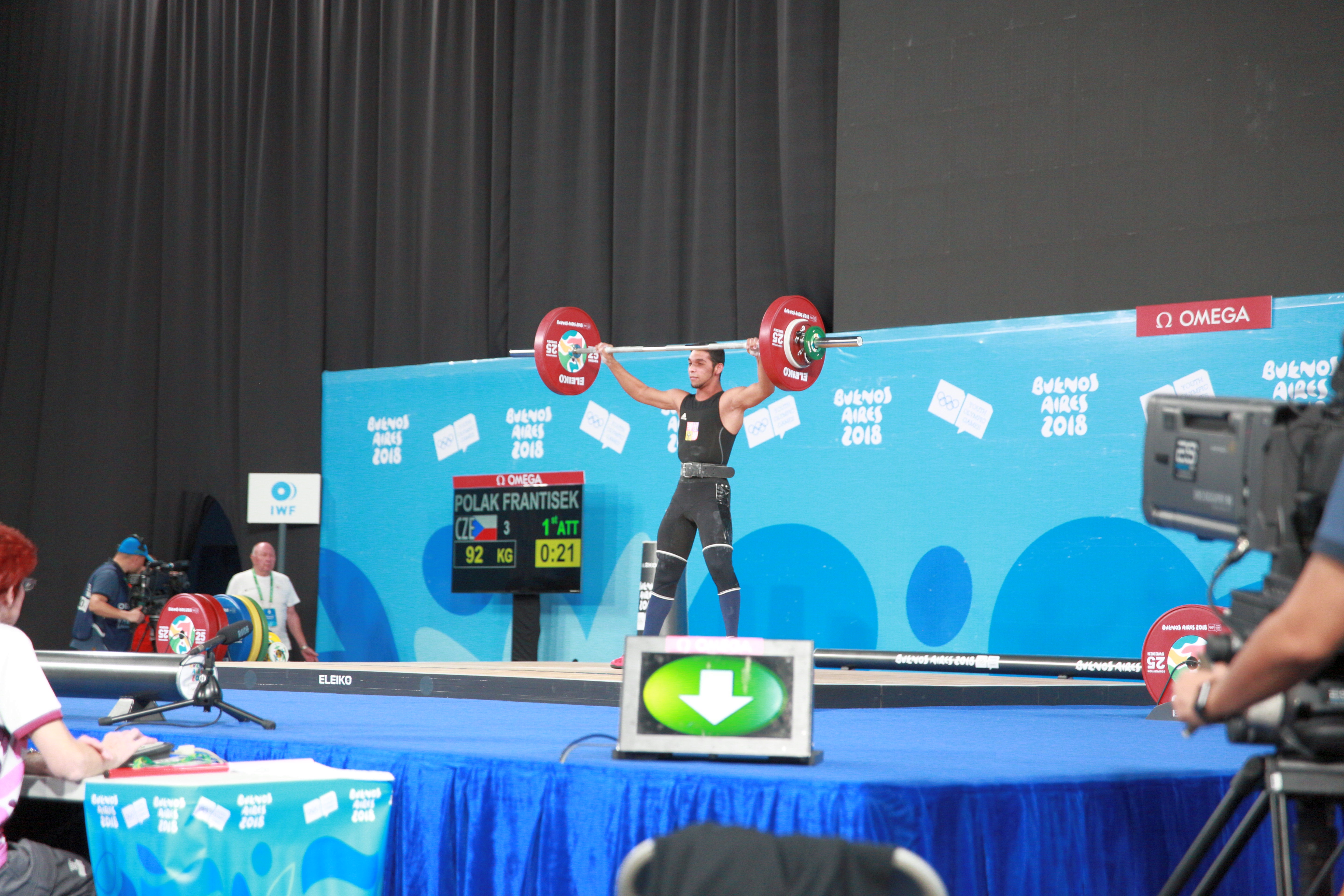
[A weightlifter competing at the 2018 Summer Youth Olympics; the week after a deload is when many lifters hit personal records.] Photograph: an Olympic weightlifter
Image Credits: Wikimedia Commons
Deload vs. detraining: why you don't lose gains
The fear that keeps people from deloading is simple: will a light week cost me muscle? The evidence says no. Meaningful detraining takes two to three weeks of complete inactivity to show up in most trainees, according to GainLogger's review of the research.
A deload is not inactivity. You are still training, still loading the muscles and joints, just at reduced stress.
That is nowhere near the threshold for detraining. A study in the Journal of Strength and Conditioning Research, summarized by The Lost Gentleman, found that athletes who built regular deload weeks into their programs saw greater improvements in strength, power, and muscle mass than those who trained continuously without breaks.
The honest risk calculus runs the other way. A skipped deload that leads to injury or burnout costs weeks or months of training. A planned deload costs one lighter week and pays back with interest.
How to know you need one
Your training log is the most honest signal. Watch for the slow creep: weights that stopped moving, session-to-session inconsistency, persistent fatigue despite enough sleep, soreness that lingers past 48 hours, a higher waking heart rate, or motivation that has quietly evaporated. Joint discomfort and more frequent colds round out the list.
When those signs appear, deload sooner rather than later. And afterward, return to normal training expecting to feel strong. That post-deload PR is the proof the week did its job.
FAQ
How often should I take a deload week?
Every four to six weeks for heavy strength training, six to eight for bodybuilding-style volume. Adjust based on your own signals: if fatigue signs show up early, deload early.
Will I lose muscle during a deload week?
No. Detraining requires two to three weeks of complete inactivity, and a deload is neither complete nor inactive. Most lifters come back stronger.
Should beginners deload?
Beginners accumulate less systemic fatigue, so they need deloads less often. Learning the signs early still helps, and light weeks are useful for practicing technique. Compare with flexibility versus mobility for another recovery concept beginners often mix up.
Can I just take the week completely off?
You can, but light training works better. Movement promotes blood flow, keeps the habit intact, and maintains the movement patterns your nervous system just spent weeks learning.
What does a deload workout actually look like?
Same exercises, roughly half the stress: 40 to 60% of usual weights, fewer sets, no grinding reps, and a focus on clean technique. If it feels easy, you are doing it right.
The bottom line
A deload week is controlled recovery, not a vacation from training. Fatigue drains out of your nervous system, tendons catch up to your muscles, hormones rebalance, and motivation returns on its own.
The gains were never at risk. One light week every month or two is the cheapest insurance in training, and the personal records that follow are the receipt.
Topics: deload week, recovery, strength training
Written by the Rive News research desk, which produces plain-English explainers built on documented sources.
Related
- Why does your heart rate stay elevated after exercise? EPOC and recovery
- How many rest days do beginners actually need?
- Why Do You Get a Stitch in Your Side While Running?
- What is the difference between flexibility and mobility?
Want more plain-English explainers like this? Subscribe to the Rive News newsletter for one clear idea every morning.
Rive News standards: every factual claim traces to a cited public source; corrections are published promptly.
Related stories

How long does it really take to build noticeable muscle?
Strength gains start in week one, but visible muscle takes 8-12 weeks for most beginners. What the Oklahoma CT-scan study measured,

Why you feel dizzy after a workout: the 5 common causes
Post-workout dizziness usually comes from a blood pressure dip, dehydration, or low blood sugar. The numbers behind each cause, and when
Why Do Knees Hurt When Squatting but Not Running?
Knees hurt when squatting but not running because deep bends multiply force on the kneecap. Learn the mechanics, common causes, fixes,