
How Does a Smartwatch Estimate Calories Burned During Workouts?
Key takeaways
- A smartwatch never measures a calorie directly; it feeds heart rate, motion and your profile into a proprietary formula.
- A 2026 study of 58 adults found calorie errors of 50 to 100 percent or more, growing worse as body fat percentage rose.
- Heart rate readings are reasonably accurate, but good heart rate data cannot turn an estimate into a measurement.
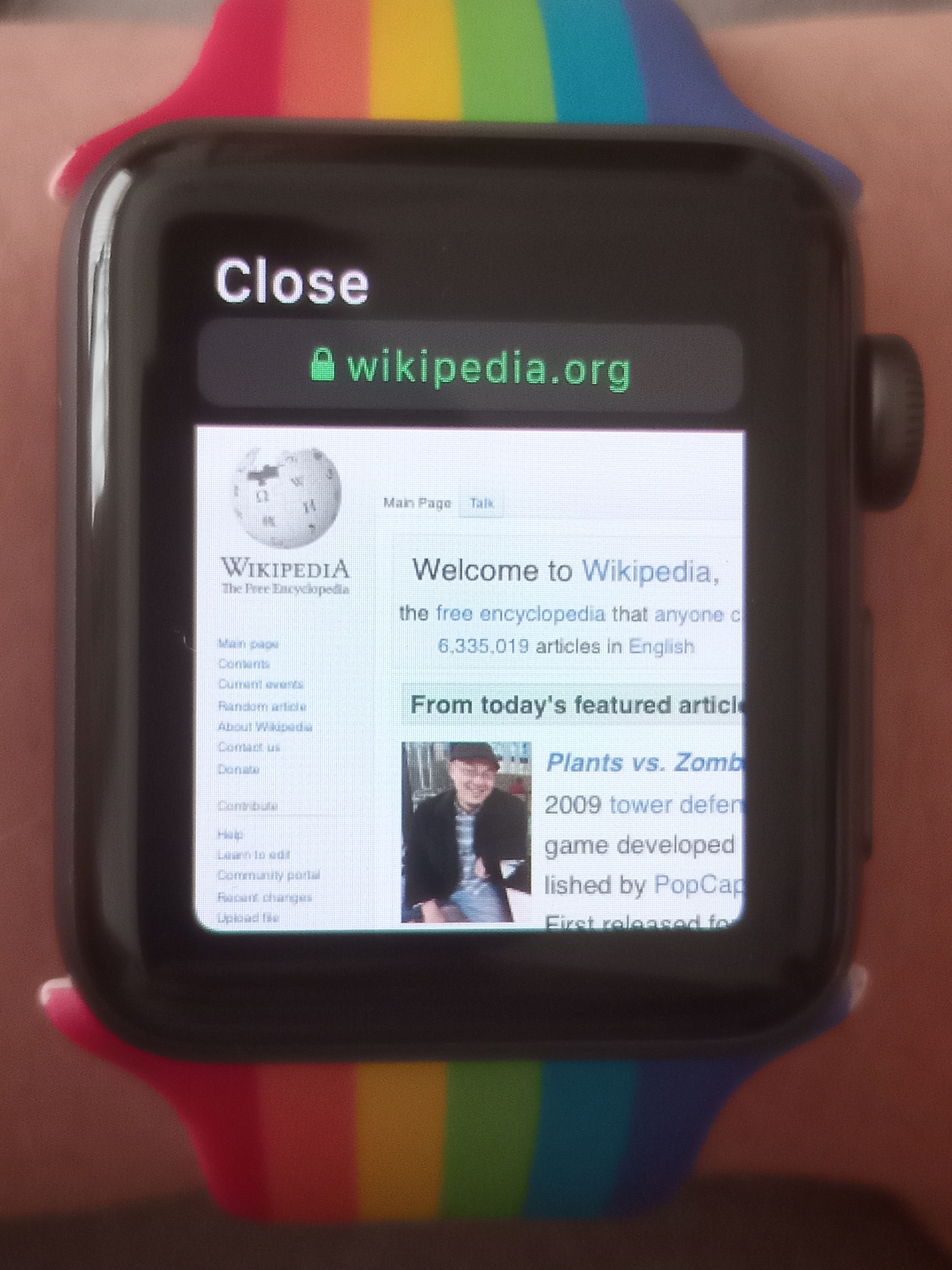
An Apple Watch worn on the wrist. Under the strap, an optical sensor tracks blood flow to estimate heart rate, one input to the calorie formula. Photograph: Wikimedia Commons
Your smartwatch presents its calorie number with total confidence: 347 calories, as if counted one by one. The truth is less flattering.
No wrist device has ever measured a calorie. Every number on that screen is an educated guess built from a handful of signals, and recent research shows the guess can be badly wrong.
This article explains how a smartwatch estimates calories burned, including what the sensors actually measure, how the proprietary formula works, what lab studies found about accuracy, why body fat breaks the math, and how to use the number wisely.
What the watch actually measures
A smartwatch collects only a few raw signals. The first is movement, captured by an accelerometer that detects the rhythm and intensity of your motion. The second is heart rate, measured optically through photoplethysmography, usually shortened to PPG.
PPG works like this: with each heartbeat, the volume of blood flowing through the vessels in your wrist changes. Blood absorbs light, so a beam of green light shone into the skin bounces back differently as blood pulses through.
The watch reads that flickering reflection and converts it into a heart rate. Some watches add GPS for pace and distance outdoors, plus a barometer for elevation gain.
That is the complete sensor picture: motion, light-based pulse, position, and altitude. Everything else on the screen, including calories, is computed from those inputs. As exercise scientist Jason Kostrna of Florida International University explains, caloric expenditure is "much more complex" than heart rate or movement, because it cannot be observed directly at the wrist.
The formula: from signals to calories
To turn signals into calories, the watch combines the sensor data with your profile: age, sex, height, and weight. It then runs everything through a proprietary equation that estimates energy expenditure. Each manufacturer builds its own formula, tunes it on its own test population, and discloses almost nothing about the details.
The equation is not a measurement. In laboratory research, energy use is assessed with methods like indirect calorimetry, which analyzes respiratory gases through a mask, or doubly labeled water for longer free-living periods. A wrist device must infer the result from limited inputs, and different companies infer differently, which is why two watches on the same wrist routinely disagree.
Many variables feed the uncertainty: body composition, fitness level, movement efficiency, exercise type, ambient temperature, how tightly the watch fits, and the hidden assumptions inside the algorithm. Change any of them and the estimate shifts, even when the actual calories burned do not.
How accurate is the number?
The calorie figure is consistently the weakest number on the screen. A 2022 systematic review examined 65 studies of wrist-worn activity trackers and found that mean absolute percentage error for energy expenditure exceeded 30 percent across brands. The authors concluded that none of the tested devices had proved accurate for measuring energy expenditure.
A Stanford study of 60 adults compared seven wrist-worn devices against clinical standards during sitting, walking, running, and cycling. Heart rate held up well, with the Apple Watch showing just 2.0 percent error.
But no device achieved energy-expenditure error below 20 percent. Good heart rate data improves the estimate, but it cannot transform it into a direct measurement.
The freshest data comes from Florida International University. Kostrna's team published findings in the journal PLOS One in September 2026 after testing four popular trackers on 58 adults against a clinical-grade metabolic analyzer during a standardized cycling protocol. The devices tested were the Apple Watch Series 8, Garmin Forerunner 955, Samsung Galaxy Watch 5, and Fitbit Sense 2.
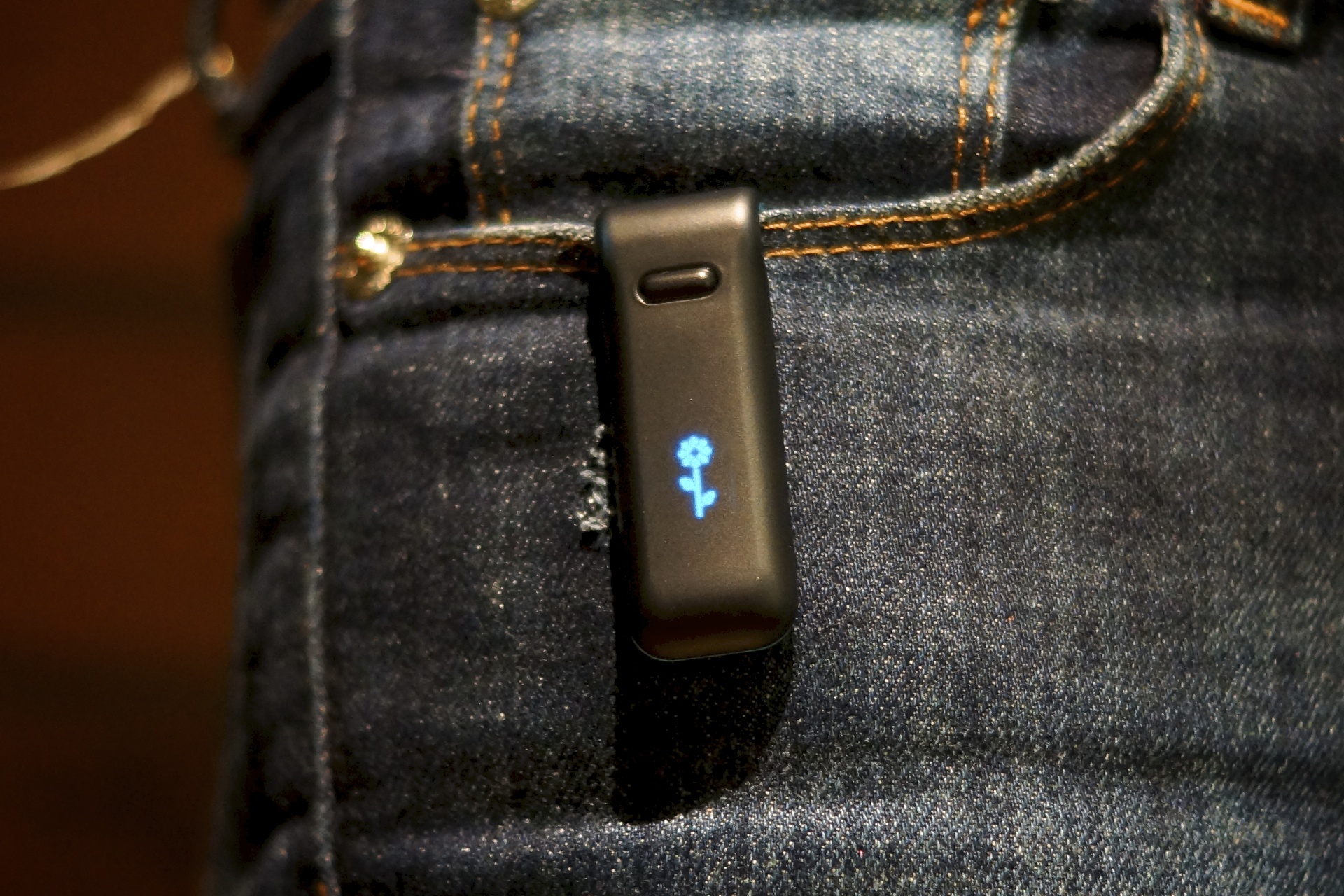
A FitBit Ultra fitness tracker. In the FIU study, Fitbit showed the largest average calorie error once implausible readings were counted. Photograph: TaurusEmerald / Wikimedia Commons
Why body fat breaks the math
The FIU study's headline finding was not just that the watches err, but who they err for. Calorie errors grew larger as body fat percentage rose, across all four devices. Garmin overestimated by roughly 69 kilocalories per session on average, Samsung by about 57, and Apple by about 22. Fitbit looked accurate only because implausible readings were excluded; counting them back in gave it the largest average error, around 129 kilocalories.
For participants with higher body fat percentages, errors for some watches ranged from about 50 percent to 100 percent or more. To put that in concrete terms: if the metabolic analyzer measured 100 calories for a session, a 50 percent overestimate shows 150, and a 100 percent overestimate shows 200.
The researchers trace the gap to calibration. Each brand's proprietary formula converts heart rate and motion into calories, tuned on test populations that skew leaner.
When the wrist being measured does not resemble the wrists in the calibration set, the guess drifts. Notably, the study found no measurable effect of skin tone on calorie error across Fitzpatrick types III to V, contrary to what many assume about optical sensors.
Heart rate is not the problem
It is tempting to blame the optical sensor, but the evidence points elsewhere. In a companion analysis using the same exercise protocol, the FIU team found the devices measured heart rate with reasonable accuracy. The Stanford work reached the same conclusion years earlier.
The distinction matters. Heart rate is a signal the device attempts to observe directly at the wrist, and it does that job decently during steady activity.
Calories are a downstream calculation influenced by heart rate plus movement, body size, fitness, exercise type, temperature, device fit, and algorithmic assumptions. A good heart rate reading is one decent input among many shaky ones.
Step counting tells a similar story about what watches do well. In controlled tests, smartphone and wearable step counts landed within roughly 7 percent of human-observed counts.
Counting rhythmic footfalls is a direct observation; estimating metabolic cost is modeling. The watch is a good counter and a mediocre physiologist.
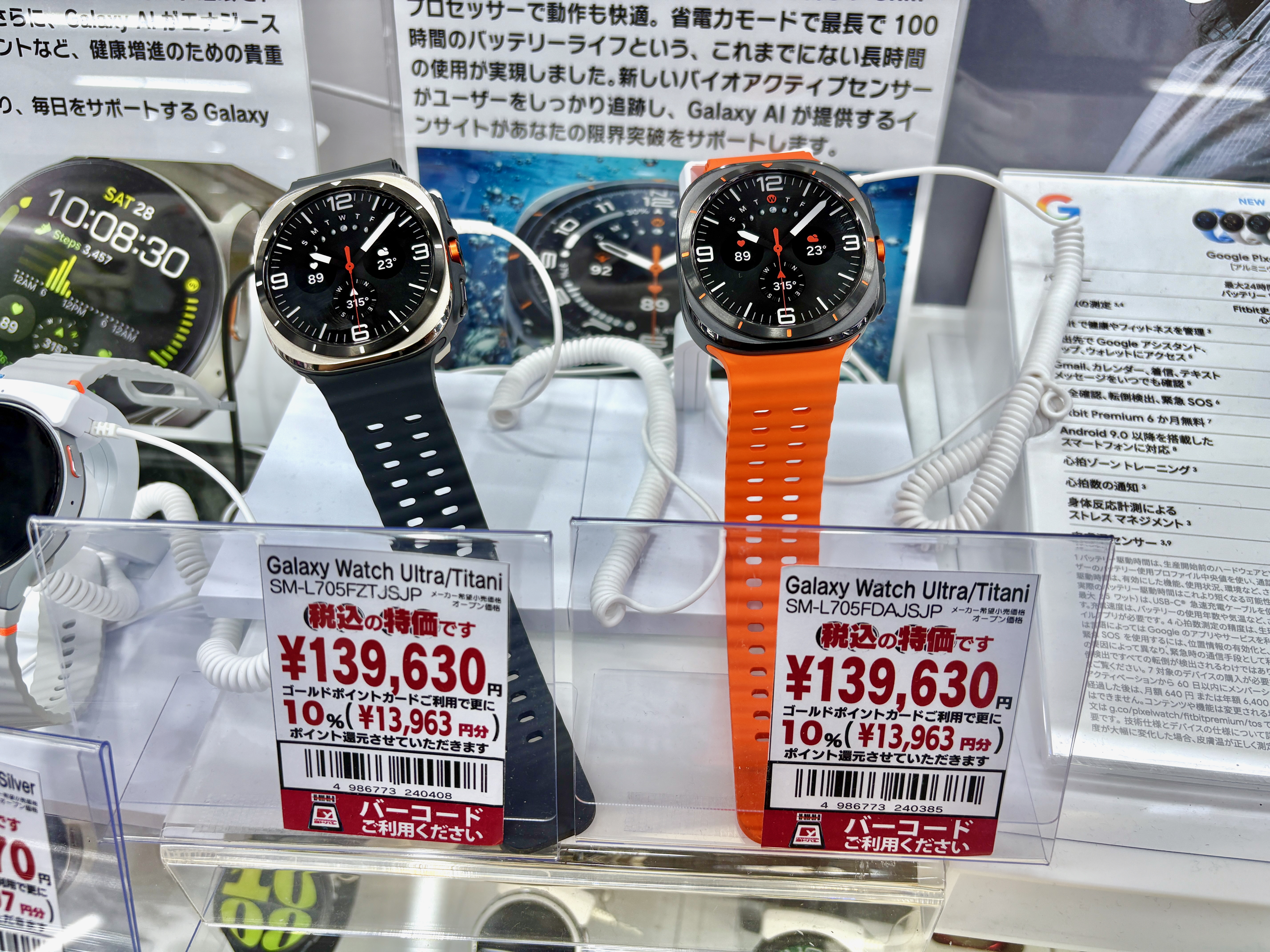
A Samsung Galaxy Watch Ultra. In lab testing it overestimated session calories by about 57 kilocalories on average. Photograph: Kyu3a / Wikimedia Commons
How to use the number wisely
None of this makes the calorie figure useless. It makes it a trend instrument rather than a accounting tool.
Used consistently, the same watch on the same wrist can show whether this week's workouts were bigger than last week's. That relative comparison survives the error, because the bias is roughly consistent for one person.
What the number cannot do is settle precise calorie math. Eating back "347 burned calories" as if it were measured will mislead, especially since most devices overestimate. Treat the figure as an estimate with wide error bars, keep the profile data in the companion app accurate, wear the watch snugly above the wrist bone during workouts, and remember that the heart rate graph on the same screen is the more trustworthy signal.
Why do two watches show different calorie counts?
Each brand uses its own proprietary formula with different assumptions and calibration populations. Given the same heart rate and motion data, the equations diverge. Disagreement between devices is expected, not a sign that one is broken.
Does a higher heart rate always mean more calories?
Roughly, but not proportionally. Heart rate correlates with effort, yet the relationship between heart rate and energy expenditure varies with fitness, body size, and exercise type. Two people at 150 beats per minute can burn very different amounts.
Are newer watches more accurate?
Incrementally, for heart rate. For calories, the fundamental limit is the method: estimation from wrist signals rather than measurement of gas exchange. Until the sensing changes, expect better polish on the same uncertain number.
Should I trust the calorie goal on my watch?
Use it as a motivational target, not a scientific one. Hitting a daily move goal builds a consistent habit, which is genuinely valuable. Just do not treat the goal as an exact energy balance for diet planning.
The bottom line
A smartwatch estimates calories by watching light bounce off your wrist, counting your movement, and running the results through a secret formula tuned on somebody else's body. Lab studies keep finding the same thing: the heart rate is decent, the calorie number is not, with errors from 30 percent to over 100 percent depending on the device and the wearer. Use the number for trends, trust the heart rate more, and never let a guess on your wrist overrule measured reality.
Latest in Fitness
- How does your body switch from walking to running without thinking?
- Why do you get goosebumps from music?
- How do trees survive freezing winters without moving?
- Why does grilled food taste smoky even on a gas grill?
Subscribe for one clear explainer like this every morning.
Image Credits: Wikimedia Commons (Apple Watch); TaurusEmerald / Wikimedia Commons (FitBit Ultra); Kyu3a / Wikimedia Commons (Galaxy Watch Ultra)
Related stories

How long does it really take to build noticeable muscle?
Strength gains start in week one, but visible muscle takes 8-12 weeks for most beginners. What the Oklahoma CT-scan study measured,

Why you feel dizzy after a workout: the 5 common causes
Post-workout dizziness usually comes from a blood pressure dip, dehydration, or low blood sugar. The numbers behind each cause, and when
Why Do Knees Hurt When Squatting but Not Running?
Knees hurt when squatting but not running because deep bends multiply force on the kneecap. Learn the mechanics, common causes, fixes,