
Why your muscles burn during a hard workout
By Rive News / Research desk | Rive News / Published October 29, 2026 at 9:00 AM PKT
Key takeaways
- The burn comes mainly from hydrogen ions building up and lowering muscle pH, not from lactate itself.
- Lactate is a useful fuel that muscles, the heart, and the liver can reuse, not a toxic waste product.
- Lactate clears from the blood within about an hour, so it cannot explain soreness felt days later.

[A person training with barbells in a gym.] Photograph: SAgbley
Image Credits: Wikimedia Commons
This article is for general information only and is not medical advice; talk to a clinician about any symptoms.
Muscles burn during a hard workout because intense effort changes the chemistry inside the muscle faster than the body can tidy up. Hydrogen ions pile up, the inside of the muscle becomes more acidic, and pain sensors pick up that change. The burn is a signal, not damage, and it fades as the chemistry clears.
This article explains the old lactic acid story, what hydrogen ions actually do, why lactate deserves a better reputation, and how the burn differs from next-day soreness.
The old story blamed the wrong molecule
For decades, coaches and textbooks taught a simple story. Hard exercise starves muscles of oxygen, so muscles switch to anaerobic metabolism, produce lactic acid as waste, and that acid burns. The story felt tidy, and it matched the timing: the burn arrived exactly when effort peaked.
Modern physiology has overturned most of that story. Lactate forms even at rest and during moderate exercise, not only when oxygen runs short.
The molecule people call lactic acid splits immediately at the body's normal, near-neutral pH into lactate and a hydrogen ion. The body never stores up lactic acid as such. It accumulates lactate, which is useful, and hydrogen ions, which cause trouble.
NASM's trainer guide states the correction plainly: the burn during hard sets comes from hydrogen ions and a drop in muscle pH during intense anaerobic work, along with other metabolites, not lactate itself. Lactate is more bystander and fuel than culprit.
Where the hydrogen ions come from
Muscles run on ATP, the cell's energy currency. Breaking ATP down to power contractions releases hydrogen ions. At easy intensities, the body clears those ions as fast as they appear, and nothing burns.
Hard effort changes the balance. Glucose gets broken down rapidly through glycolysis to keep ATP supplied, and hydrogen ions appear faster than clearance systems can remove them. The muscle interior grows more acidic, which is what physiologists mean by a drop in pH.
X Gym's lactate guide describes the next step: hydrogen ions stimulate specialized sensory nerves called group III and IV muscle afferents. Those nerves report the chemical change to the brain, and the brain reads it as burning. The same acidity also interferes with the machinery of contraction, which is why muscles weaken as the burn grows.
Other byproducts join in. Inorganic phosphate, released as ATP breaks down, also contributes to fatigue.
Infusion studies cited by X Gym found that neither lactate nor hydrogen ions alone fully recreates the familiar burn, while the combination of lactate, hydrogen ions, and ATP comes closer. The burn is multifactorial, but hydrogen ions are the main driver.
Lactate is fuel, not poison
Lactate production actually consumes a hydrogen ion when pyruvate converts to lactate. That means making lactate partly buffers the acidity rather than causing it. Lactate is part of the solution, not the problem.
Once formed, lactate travels. Muscles can burn it for energy, the heart uses it as a preferred fuel, and the liver converts it back toward glucose. Indiana Public Media's A Moment of Science, published September 13, 2019, notes that lactic acid enables high-intensity performance and is the preferred fuel source of the heart and many other tissues.
The body also gets better at handling lactate with training. Tissues adapt to use it more efficiently, which keeps concentrations lower at a given workload. That adaptation is one reason trained athletes can hold a hard pace longer before the burn forces them to slow down.
Why the burn fades fast but soreness does not
The burn usually eases within minutes of stopping, and lactate clears from the blood within about an hour of exercise, according to NASM. That quick clearance is the key test of the old myth.
If lactate caused soreness, soreness would peak within the hour. Instead, delayed onset muscle soreness peaks a day or two later.
Next-day soreness comes from a different process: microscopic damage to muscle fibers and the inflammation of repair. That damage happens most with unfamiliar or eccentric work, like lowering weights slowly or running downhill for the first time. It has nothing to do with lactate, which is long gone by the time soreness arrives.
This split matters for recovery advice. Light movement, sleep, gradual progression, and time help soreness. Chasing lactate out of the muscle with special flushes or gimmicks does not, because the lactate already left on its own.
When the burn is a warning, not just effort
Ordinary burn arrives gradually during hard sets, spreads through the working muscle, and fades after rest. It is uncomfortable but familiar, and it tracks effort closely. Slowing down or resting brings relief within minutes.
Sharp, sudden, or one-sided pain is different. So is pain in a joint rather than a muscle, numbness, swelling, or pain that does not fade with rest. Those signs can point to injury rather than effort, and they deserve prompt medical attention rather than another set.
Chest pain, severe breathlessness, or dizziness during exercise also sit outside normal burn. Stop, rest, and seek care if those appear. The disclaimer at the top of this article applies here: general explanations cannot sort out individual symptoms.
Training changes the burn threshold
The intensity where lactate accumulates faster than it clears is called the lactate threshold, and it is a key conditioning marker. Tempo work, intervals, and steady aerobic training all raise it over time, according to NASM. A higher threshold means harder work before the burn builds up.
That is why the same workout burns less after weeks of training. The muscles did not stop producing hydrogen ions. They got better at clearing them and at using lactate as fuel, so the chemistry stays manageable longer.
Beginners feel the burn sooner because their clearance systems are less developed and their muscles recruit fibers less efficiently. That gap closes with consistent training, not with any supplement or trick.

[A weightlifter in competition at the 2018 Summer Youth Olympics.] Photograph: Sandro Halank
Image Credits: Wikimedia Commons
Frequently asked questions
Does lactic acid cause muscle soreness the next day
No. Lactate clears from the blood within about an hour of exercise, while soreness peaks a day or two later. Delayed soreness comes from muscle micro-damage and repair, not from lactate.
Should I stop when my muscles start to burn
Not necessarily. The burn is a normal signal of hard effort and fades with rest.
Slow down or pause when the burn limits your form or output. Stop and seek care for sharp, sudden, or one-sided pain, or for chest pain and dizziness.
Can training reduce the burn
Yes, at a given workload. Aerobic base work, tempo sessions, and intervals raise the lactate threshold and improve clearance. The burn still appears at higher intensities, but it arrives later.
Do sports drinks with lactate help
Some sports drinks include the lactate part of lactic acid as a fuel source, since working tissues can burn lactate. That does not remove the burn, which comes from hydrogen ions and acidity rather than from a lactate shortage.
The bottom line
Muscles burn because hard work produces hydrogen ions faster than cells can clear them. The rising acidity triggers pain sensors and weakens contraction, which is why the burn and fatigue arrive together. Lactate rises at the same time, but it works as fuel and even soaks up a hydrogen ion when it forms.
Blaming lactate was a useful shorthand for a century, but it pointed at the wrong molecule. The burn belongs to acidity, the fuel belongs to lactate, and the soreness two days later belongs to muscle repair. Knowing which is which makes training, and recovery, much easier to understand.
Tags: muscle burn, exercise science, lactate
Rive News is the research desk behind this article, covering everyday exercise science from published sources.
Related
- Why lactic acid gets blamed for soreness when it clears in an hour
- Why muscles shake during exercise
- Why you feel nauseous during intense workouts
- Why you get sore two days after a workout, not next day
Subscribe for one everyday exercise-science explainer in your inbox each week.
Rive News publishes explainers from named public sources; corrections are noted on the article page.
Related stories
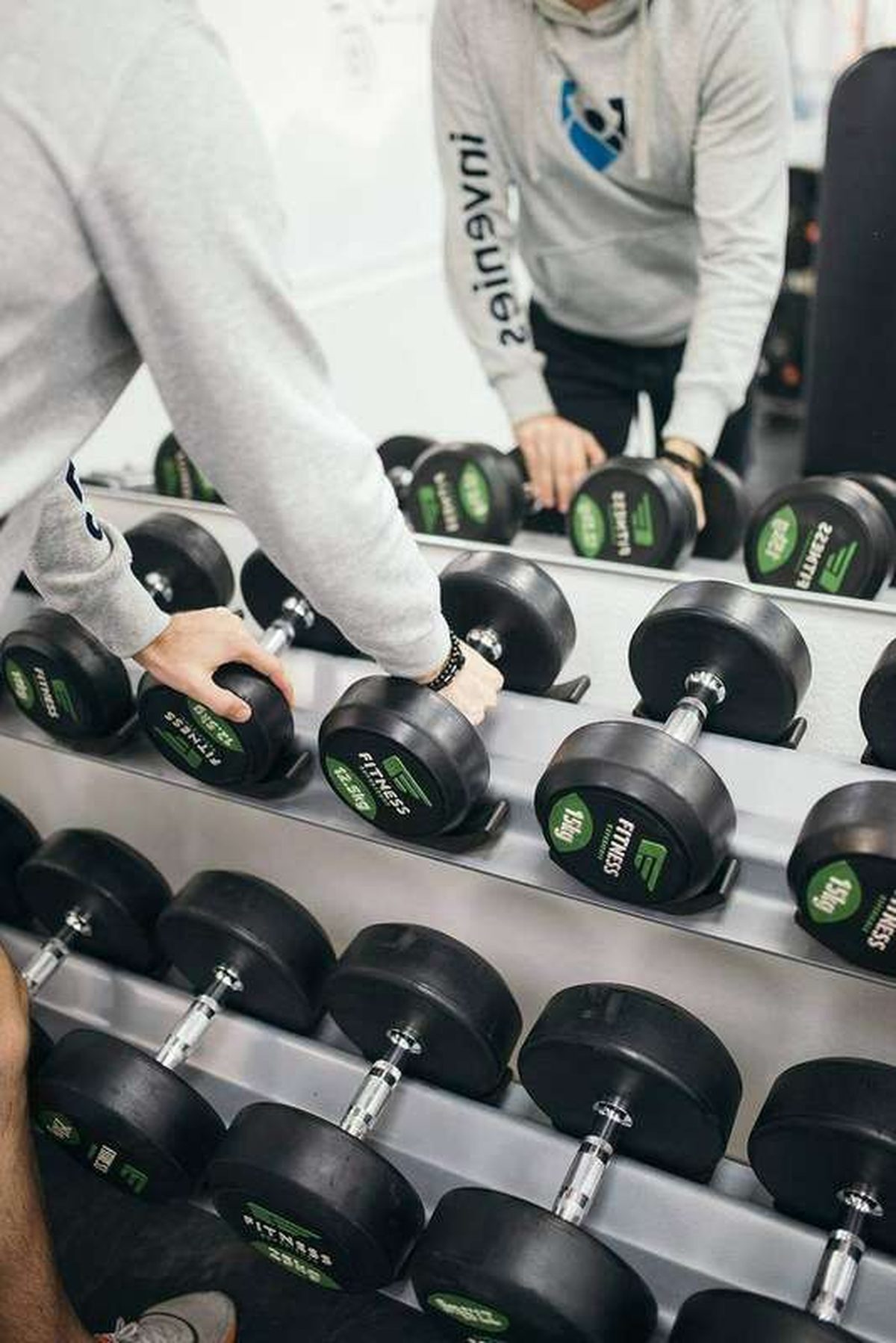
How long does it really take to build noticeable muscle?
Strength gains start in week one, but visible muscle takes 8-12 weeks for most beginners. What the Oklahoma CT-scan study measured,

Why you feel dizzy after a workout: the 5 common causes
Post-workout dizziness usually comes from a blood pressure dip, dehydration, or low blood sugar. The numbers behind each cause, and when
Why Do Knees Hurt When Squatting but Not Running?
Knees hurt when squatting but not running because deep bends multiply force on the kneecap. Learn the mechanics, common causes, fixes,