
Why Running Feels Easier After the First Ten Minutes
Key takeaways
- At the start of a run, your muscles need oxygen faster than your heart and lungs can deliver it, creating a temporary oxygen deficit.
- It takes several minutes for blood flow, breathing, and enzymes to ramp up; VO2max tests run 10-12 minutes partly for this reason.
- A gradual warm-up or a short surge before your run moves that awkward phase earlier, so the run itself feels easier.
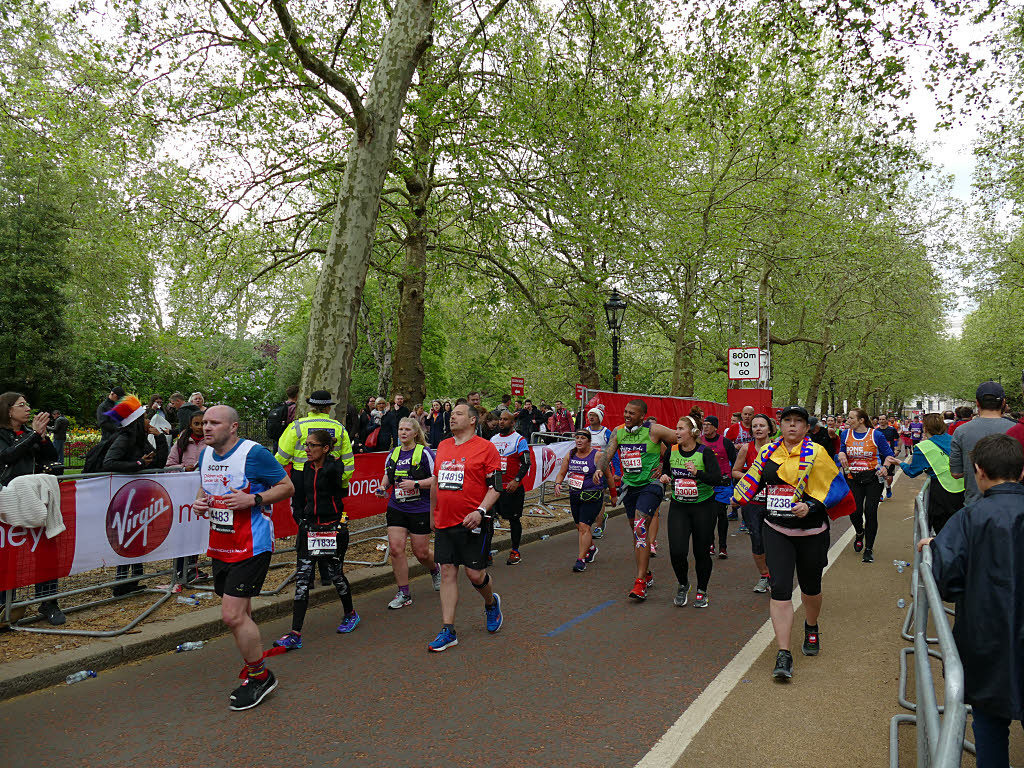
Every runner knows the pattern. The first ten minutes feel terrible: heavy legs, ragged breathing, a strong urge to quit. Then, somewhere around the second mile, the body settles.
Breathing finds a rhythm, the legs lighten, and the same pace that felt brutal starts to feel sustainable.
Runners call this the second wind. Physiologists call it the end of the oxygen deficit. Either way, it is one of the most reliable experiences in endurance sport, and it has a clear mechanical explanation.
This article looks at why running feels easier after the first ten minutes, including the oxygen lag at exercise onset, what changes in your body as you settle in, and how a smarter warm-up can move the hard part before the run even starts.

The oxygen lag at the start of every run
When you start running, your muscles instantly demand far more energy than they do at rest. But your oxygen delivery system cannot respond instantly. Your heart needs beats to speed up, blood vessels need seconds to dilate, and the enzymes that extract oxygen inside muscle cells need minutes to reach full activity.
The gap between what your muscles need and what your lungs and heart can deliver is called the oxygen deficit. During those first minutes, your body covers the shortfall with anaerobic energy, breaking down fuel without oxygen. This pathway is fast but inefficient, and it produces the burn and breathlessness that make the start of a run feel so hard.
Exercise physiologists have known about this lag for a century. Work by August Krogh and Johannes Lindhard in the 1920s showed that part of the energy at exercise onset comes from non-aerobic sources, and later research found that blood lactate accumulates most in the first few minutes of exercise. Science writer Alex Hutchinson notes that this ramp-up is one reason VO2max tests take 10 to 12 minutes rather than being a short all-out sprint: the body simply needs time to reach its maximum rate of oxygen delivery.
What changes after ten minutes
Several systems come online in sequence during those opening minutes. Cardiac output rises as heart rate climbs and each beat pumps more blood. Breathing deepens and quickens, moving more air across the lungs.
Blood flow redistributes away from the gut and skin toward working muscles.
Muscle temperature rises, which speeds up the chemical reactions that produce energy.
Hormones join in too. Catecholamines like adrenaline and noradrenaline rise with exercise, mobilizing fuel from the liver and fat stores and sharpening the cardiovascular response. By around the ten-minute mark at a steady pace, most of these systems have reached a working equilibrium.
Oxygen delivery finally matches demand, the anaerobic crutch is no longer needed, and perceived effort drops even though the pace has not changed.
This is the physiological core of the second wind: not a sudden burst of energy, but the moment the aerobic system catches up. Many runners also report that heavy legs early in a run give way to a lighter stride at exactly this point, which fits the same timeline.

The science of warming up first
If the hard part is the ramp-up, the logical fix is to do the ramp-up before the run counts. Research on the priming effect supports exactly this.
A review in the Revista Brasileira de Cineantropometria e Desempenho Humano found that prior exercise accelerates oxygen uptake kinetics at the start of subsequent exercise. In one cited study by Gerbino and colleagues, the mean response time of oxygen uptake fell from 53 seconds to 37 seconds after a priming bout, meaning the body closed its oxygen deficit substantially faster.
Mark Burnley's group at Aberystwyth tested the practical version: a six-minute hard effort, about ten minutes before the main event. The priming bout boosted oxygen kinetics and significantly increased time to exhaustion in tests lasting 2 to 10 minutes. Go too hard, though, and depleted energy stores cancel the benefit, which is why the priming intensity matters.
This is also why the second interval of a workout usually feels easier than the first, a mystery Hutchinson describes from his own training days. The first rep does the priming; the second reaps the benefit. A proper warm-up is simply a deliberate way to get that first rep out of the way.
How to make every run start easier
For easy runs, start the first ten minutes deliberately slower than your target pace. Many coaches suggest the first mile 60 to 90 seconds slower than goal pace. This lets the oxygen systems ramp up without a big anaerobic bill, and the run settles into rhythm on its own.
For races and hard workouts, add a short surge near the end of your warm-up. Three to five minutes at a comfortably hard effort, followed by five to ten minutes of easy jogging, primes oxygen kinetics without leaving you tired. This is the protocol the research supports, and it is what experienced racers do instinctively with strides before the start.
Stay patient on bad days. Heat, poor sleep, and dehydration all slow the ramp-up, so the awkward phase can stretch past ten minutes. That does not mean fitness is gone; it means the systems need longer.
Runners who hit the wall at mile 20 are dealing with a different problem, fuel depletion, but the same principle applies: respect what the body is doing and adjust pace early.
Frequently asked questions
What is the second wind in running?
It is the folk term for the moment, usually 10 to 20 minutes in, when a run suddenly feels easier. Physiologically it matches the point where oxygen delivery catches up with demand and the body shifts fully to aerobic energy production.
Why is the first mile always the hardest?
Because your cardiovascular system needs minutes to ramp up while your muscles need energy immediately. The resulting oxygen deficit forces reliance on inefficient anaerobic metabolism, which feels like heavy breathing and burning legs.
Does a warm-up really help, or is it just ritual?
It really helps. Studies show prior exercise speeds up oxygen uptake kinetics, cutting the mean response time from about 53 to 37 seconds in one experiment. A warm-up moves the hardest minutes before the run starts.
Should I run through the discomfort or slow down?
Slow down slightly. Dropping the pace for the first ten minutes keeps the oxygen deficit small and lets systems ramp smoothly. Forcing the pace early just extends the miserable phase.
The bottom line
Running feels easier after the first ten minutes because your oxygen delivery system needs that long to catch up with your muscles' demand. The early burn is the oxygen deficit; the relief is the aerobic system arriving.
Start slow, warm up with a short surge before hard efforts, and trust that the second wind is physiology, not willpower. Your heart rate settling into its groove is the signal that the systems are online.
Image Credits: Wikimedia Commons / Parkywiki, DS Pugh, Stephen Craven
Latest in Fitness
- How Warming Up Actually Prepares Your Muscles
- Why Your Legs Feel Heavy During a Run
- Why Do Runners Get a Second Wind?
- Why Your Heart Rate Stays Elevated After Exercise
Subscribe to the Rive News newsletter for one practical training tip every week.
Related stories

How long does it really take to build noticeable muscle?
Strength gains start in week one, but visible muscle takes 8-12 weeks for most beginners. What the Oklahoma CT-scan study measured,

Why you feel dizzy after a workout: the 5 common causes
Post-workout dizziness usually comes from a blood pressure dip, dehydration, or low blood sugar. The numbers behind each cause, and when
Why Do Knees Hurt When Squatting but Not Running?
Knees hurt when squatting but not running because deep bends multiply force on the kneecap. Learn the mechanics, common causes, fixes,