
How to stop your shins hurting when you run: 7 fixes
By Rive News / Research desk | Rive News / Published October 24, 2026 at 9:00 AM PKT
Key takeaways
- Shin pain usually comes from overstriding, hard surfaces, and weak calves, not bad luck.
- Raising your cadence to 170-180 steps per minute shortens your stride and cuts braking force on the shin.
- Calf raises, heel walks, and hip strength work three to four times a week address the root cause.
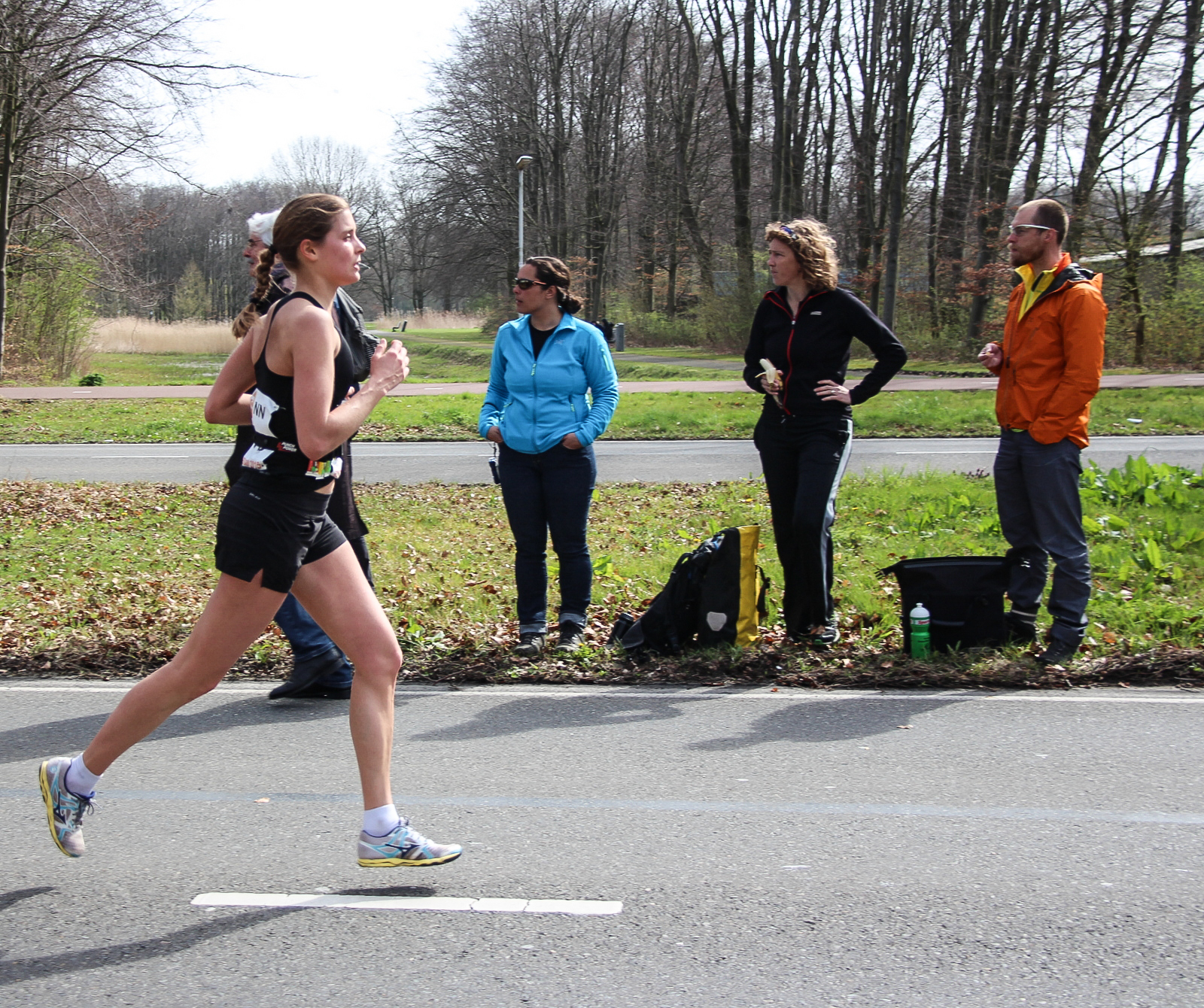
[A runner on the road during the 2015 Rotterdam marathon. Photograph: marathon runner]
Image Credits: Wikimedia Commons
Shin pain while running, often called shin splints, is pain along the inner edge of the shinbone. It comes from repetitive stress on the bone and the connective tissue that anchors muscles to it. The usual triggers are doing too much too soon, worn-out shoes, hard running surfaces, and weak lower-leg muscles.
The pain is common, and it is fixable. Most cases respond to changes in how you run and where you run, plus a few minutes of strength work.
New shoes help, but they are only one piece. The fixes that matter most are your running surface, your cadence, and your calf strength.
This guide covers seven fixes for shin pain when you run, including how to ease the pain right now, the surface and cadence changes that prevent it, the strength exercises that protect your shins, and when to see a clinician.
1. Back off and let the pain settle first
If your shins hurt on every run, the first fix is rest from impact. Pain is information, and running through it turns a passing irritation into a season-long problem. Rest from high-impact activity for one to three weeks is the standard recommendation, depending on severity.
Rest does not mean the couch. Low-impact options like swimming or cycling keep your fitness while your shins calm down.
Apply ice to the shins for 15 minutes after activity if they ache. Compression sleeves on the lower leg can help some runners feel supported, though the evidence for healing is mixed.
Ease back in gradually. The classic error is resting for two weeks, feeling fine, and then running the same distance that caused the problem. Return at half your previous volume and build from there.
If the pain is sharp, focused on one small spot on the bone, or does not ease after a few weeks of rest, see a clinician. Stress fractures feel different from shin splints and need professional assessment.
2. Move one or two runs a week to a softer surface
Concrete is the hardest common running surface, and pounding it run after run is a leading cause of shin pain. You do not need to give up the road entirely. Swapping just one or two runs per week to a softer surface can make a noticeable difference, according to CEP Running's marathon training guide.
Good options are grass, dirt trails, a rubberized track, or a treadmill with decent cushioning. Each stride on a softer surface sends less shock up through the tibia. Trails add a bonus: the varied terrain strengthens the small stabilizing muscles around the ankle that road running never challenges.
If you run on a treadmill, keep the incline at 1 percent to mimic outdoor effort. And rotate surfaces with intent. Doing your easy recovery runs on grass while keeping one quality session on the road gives your shins regular relief without changing your training.
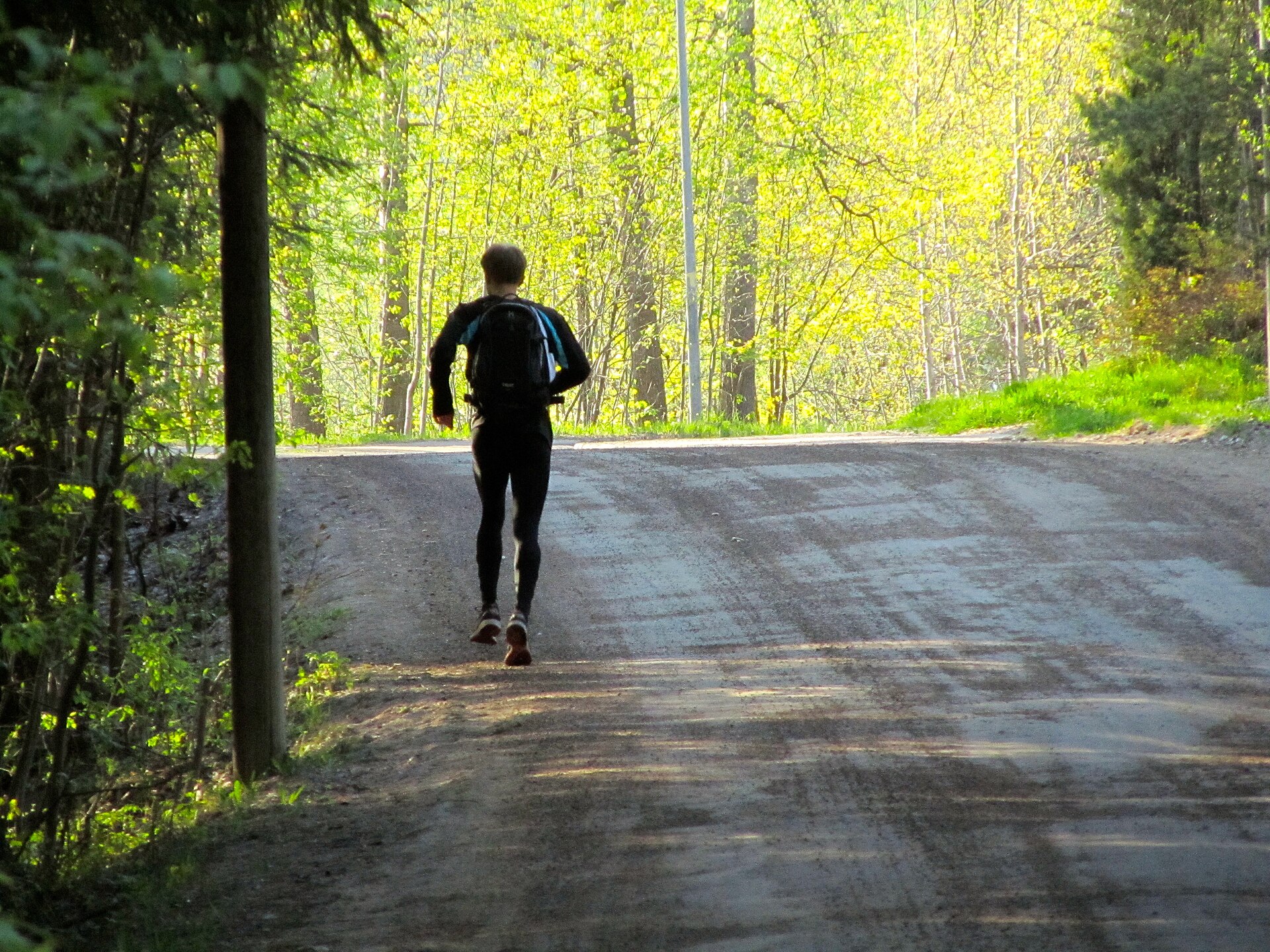
[A runner on a dirt road through woodland. Photograph: trail runner]
Image Credits: Wikimedia Commons
3. Shorten your stride and raise your cadence
Overstriding is one of the biggest contributors to shin stress. When your foot lands far ahead of your body, each step acts like a brake.
That braking force travels straight up into the shin. The fix is a quicker turnover with shorter steps.
Aim for a cadence of 170 to 180 steps per minute, CEP Running advises. A quicker cadence means your foot lands closer to your center of gravity, which reduces the braking forces on the tibia. Running coach Gaudette, writing for Outside Run, sets the floor slightly lower: he advises his athletes to raise cadence to at least 165 strides per minute to stop overstriding and over-stressing the shin.
Count your steps for 30 seconds on an easy run and double it. Most struggling runners land around 150 to 160.
Nudge it up by 5 percent at a time, not all at once. A metronome app or a playlist at the right tempo makes the change almost automatic within a couple of weeks.
While you are at it, check your footstrike. Landing with a heavy heel strike far ahead of the body multiplies impact.
You do not need a dramatic forefoot overhaul. Just aim to land with the foot under the hips rather than reaching forward with it.
4. Build the muscles that protect your shins
Weak calves leave your shins exposed. The calf muscles and the hips brace the shin bone against the impact of running, and when they are weak, the bone and its connective tissue absorb more of every stride. Research has found a correlation between weak hip abductors and shin splints across multiple studies.
"What you really need to work on is hip strength and calf strength," Gaudette told Outside Run. He recommends clamshells, donkey kicks, calf raises, and hip thrusts for runners dealing with shin pain.
A simple routine, three to four times per week, covers it:
- Calf raises. Three sets of 15, both straight-leg and bent-knee versions. The straight leg targets the gastrocnemius; the bent knee hits the soleus underneath.
- Heel walks. Walk on your heels for 30 to 60 seconds, rest, and repeat three times. This directly strengthens the tibialis anterior, the muscle along the front of the shin.
- Toe walks. Walk on your toes for 30 seconds, rest, and repeat three times.
- Single-leg balance holds. Stand on one foot for 30 to 60 seconds per side to build ankle stability.
Add a resistance band for ankle dorsiflexion work if you want more: loop it around your forefoot and pull your toes toward you against the resistance. Ten minutes total is enough to make a difference within a month.
5. Check your shoes before you blame your legs
Running shoes lose their shock absorption long before the tread wears down. The foam compresses with every mile, and a shoe that looks fine can be dead inside. Replace your shoes every 300 to 500 miles, CEP Running recommends, and consider rotating between two pairs during training.
Fit matters as much as freshness. Shoes with good arch support and proper cushioning absorb impact and reduce stress on the shins.
Get fitted at a running shop if you can. They will watch you run and check whether you overpronate, which is when the ankle rolls inward excessively and loads the inner shin.
Break new shoes in gradually. Do not debut a fresh pair on a long run.
And if your pain started right after a shoe change, the shoes are the prime suspect. Go back to the old pair for a run and see what happens.
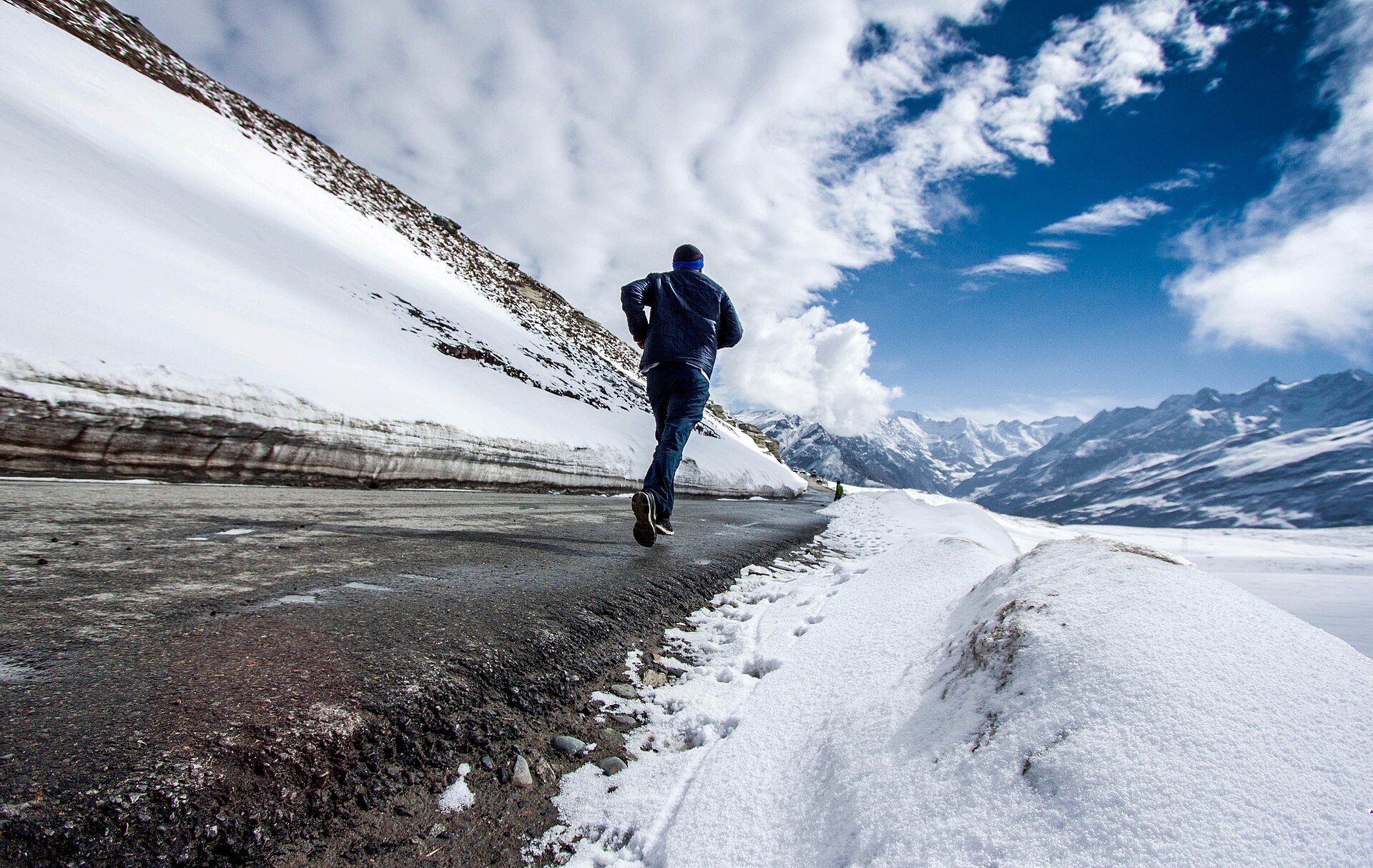
[A runner on a mountain road at altitude. Photograph: road runner]
Image Credits: Wikimedia Commons
6. Warm up and cool down properly
Going from a desk chair straight into running pace is exactly when shin pain strikes. The lower-leg tissues need a few minutes to prepare for impact. Five to ten minutes of easy walking or jogging before picking up the pace makes a real difference.
Add dynamic movement: leg swings, ankle circles, and a few walking lunges. These wake up the hips and calves without the injury risk of static stretching cold muscles. After the run, stretch the calves against a wall and kneel with the tops of your feet flat to stretch the fronts of the shins.
Foam rolling the calves after runs helps release tightness that pulls on the shin area. Tight calves change how the ankle moves, and that altered movement loads the shin. A minute per calf after each run is enough.
7. Build mileage slowly and respect recovery
Most shin pain is an overuse story. A sudden jump in distance, intensity, or hill work overloads tissues that have not adapted yet. The fix is the least exciting and the most effective: increase weekly mileage by no more than about 10 percent, and schedule real rest days.
Beginners are the classic victims because everything is new: the impact, the shoes, the surfaces, the stride. If you are starting out, alternate run days with rest or cross-training days. Your bones and connective tissue adapt more slowly than your lungs do, and they need the calendar time.
Sleep and nutrition play supporting roles. Bone remodels during rest, and it needs calcium, vitamin D, and enough total energy to do it. Runners who under-fuel while training hard are more vulnerable to bone stress injuries of all kinds.
How long do shin splints take to heal?
Mild cases often settle within one to three weeks of reduced impact and the fixes above. More stubborn cases can take six to eight weeks. Pain that does not improve with rest deserves a clinician's look.
Should I run through shin pain?
No. Running through shin pain usually makes it worse and lengthens recovery. Switch to low-impact training until you can run pain-free, then rebuild gradually.
Do compression sleeves help shin splints?
Graduated compression of 20-30 mmHg may reduce muscle vibration during runs and help some runners feel supported. They are a comfort measure, not a cure. The strength work matters more.
Are shin splints the same as a stress fracture?
No. Shin splints cause diffuse pain along a stretch of the inner shin. A stress fracture usually causes sharp pain in one small spot, often with swelling, and needs medical assessment.
Can the wrong shoes cause shin pain?
Yes. Worn-out cushioning, poor fit, and shoes that do not suit your gait are all common contributors. But shoes are rarely the whole story, so check surface, cadence, and strength too.
The bottom line
Shin pain responds to a simple formula: softer surfaces for some runs, a quicker cadence around 170 to 180 steps per minute, and regular calf and hip strength work. Your next step is concrete: count your cadence on your next easy run, and add heel walks and calf raises three times this week. If the pain is sharp, one-sided, or refuses to fade with rest, see a clinician rather than pushing through.
Tags: running, shin splints, fitness, injury prevention, running form
Rive News's research desk writes plain-English explainers from primary sources and coaching guides. Every fact in this article traces to a cited source.
Related
- How to train for your first 5K run
- Why does your heart rate stay elevated after exercise?
- How many rest days do beginners actually need?
- What is the difference between flexibility and mobility?
Subscribe to the Rive News newsletter for one practical fitness explainer each week.
Rive News publishes research-backed explainers. Corrections: reply with the article URL and the correction.
Related stories
How long does it really take to build noticeable muscle?
Strength gains start in week one, but visible muscle takes 8-12 weeks for most beginners. What the Oklahoma CT-scan study measured,
Why you feel dizzy after a workout: the 5 common causes
Post-workout dizziness usually comes from a blood pressure dip, dehydration, or low blood sugar. The numbers behind each cause, and when
Why Do Knees Hurt When Squatting but Not Running?
Knees hurt when squatting but not running because deep bends multiply force on the kneecap. Learn the mechanics, common causes, fixes,