
How to Train for Your First 5K Run
Key takeaways
- A nine-week walk-run plan takes a beginner from one-minute runs to 30 minutes of continuous running.
- Run three days a week, never on back-to-back days, and repeat any week that feels too hard.
- Run slowly enough to hold a short conversation, and save your fastest effort for race day.
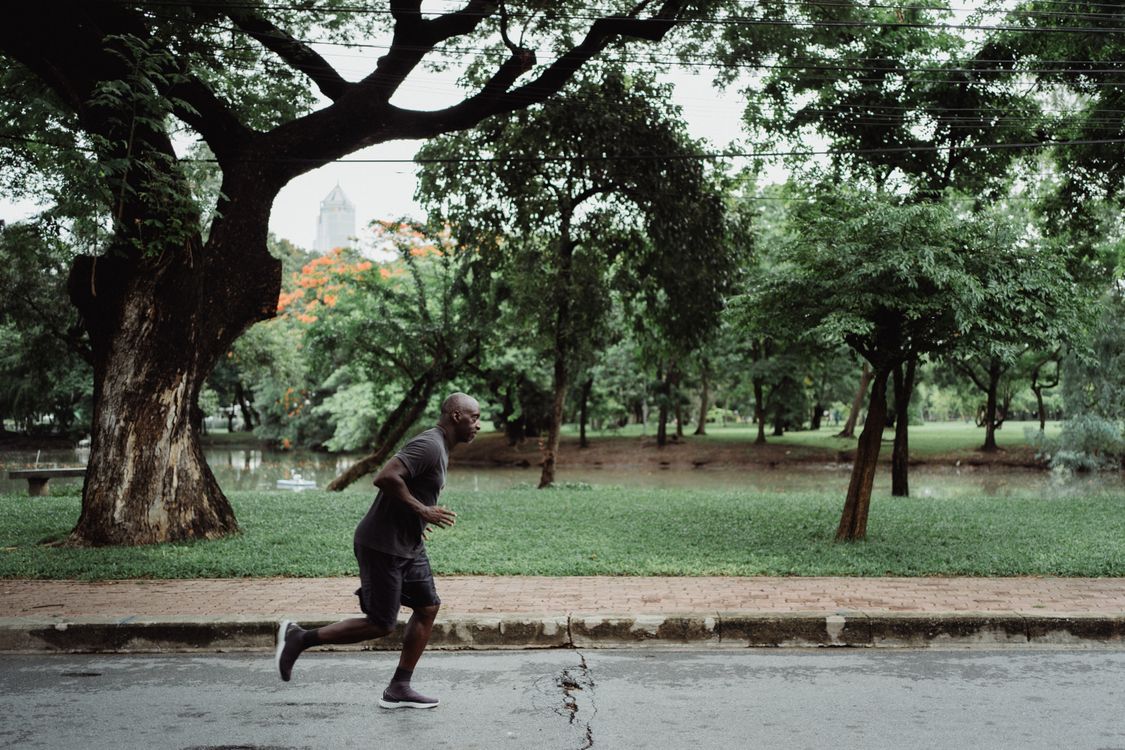
Five kilometers sounds like a long way when you cannot yet run for five minutes. The distance is honest, and so is the good news: a beginner who can walk for half an hour can train for a 5K in about nine weeks.
The method is walk-run intervals. Short runs alternate with walks, and the runs grow longer each week while the walks shrink. By the final week, the walks disappear and you run for 30 minutes without stopping.
This article explains how to train for your first 5k run, including the nine-week plan, the walk-run psychology, pacing rules, rest and recovery, gear basics, and race-day tips.
The nine-week walk-run plan
The best-known beginner plan is the free NHS Couch to 5K program. It runs three sessions a week, with rest days in between and a fresh schedule each week. Every session starts with a five-minute brisk-walk warm-up and ends with a five-minute walk cooldown.
Week 1 sets the pattern: alternate one minute of running with 90 seconds of walking, repeated for about 20 minutes. The runs feel almost too short. That is the point.
The plan builds the habit before it builds the distance.
Week 2 stretches the runs to 90 seconds with two-minute walks. Week 3 mixes 90-second runs, three-minute runs, and walks of matching length. Week 4 adds a five-minute run in the middle of the session, and the total session reaches about 25 to 28 minutes.
Weeks 5 and 6 are the turning point. Week 5 ends with a 20-minute continuous run, the first session with no walk breaks. Week 6 ends with a 25-minute continuous run.
Many beginners doubt these sessions until they finish them, and finishing them changes how they see themselves as runners.
Weeks 7 and 8 hold the distance at 25 and then 28 minutes of continuous running. Week 9 asks for 30 minutes without stopping. For most beginners, 30 minutes of running covers about 5K, which is the graduation line.
The plan works in nine weeks only if every week goes well. Taking 12 to 16 weeks is normal and fine. If a week feels too hard, repeat it.
Repeating a week is a success, not a failure, because it keeps you training instead of injured or discouraged.

The walk-run psychology
Walk breaks are not a sign of weakness. They are the mechanism that makes the plan work, and understanding why helps on the days motivation dips.
First, walk breaks protect tissues that adapt slowly. Heart and lungs improve in weeks, but tendons and bones take months. Walk breaks let the slow-adapting tissues catch up while fitness grows.
Runners who skip the walks often feel fine for two weeks, then pick up shin or knee trouble in week 3.
Second, walk breaks make the session feel possible before it starts. "Run one minute, then walk" is a deal anyone can accept. "Run for 30 minutes" is a deal a beginner will avoid.
The plan wins by making each session feel small.
Third, walk breaks teach pacing. A beginner who runs every interval too fast arrives at the last interval exhausted. A beginner who runs the intervals at a talkable pace finishes the session and wants to return.
The walks are a built-in speed limit.
The psychology shifts around week 5. The 20-minute continuous run looks impossible on paper, and most runners who attempt it finish it. That single session does more for confidence than the previous four weeks combined. After it, the goal stops feeling like a fantasy and starts feeling like a schedule.
Expect a dip around week 3 or 4. The novelty fades, the runs get longer, and the sessions stop feeling new. This is the point where most beginners quit. The fix is small: run with a friend, run a new route, or repeat a week instead of pushing through.
A plan you stay on beats a plan you abandon.
Pacing, rest, and recovery
Pacing is the skill that decides whether the plan works. Run slowly enough to pass the talk test: you should be able to speak a short sentence while running. If you cannot, you are running too fast.
"Slower than feels natural" is correct for a beginner, and it stays correct for weeks.
Do not set pace targets. Effort is the only number that matters at this stage. A slow run you finish beats a fast run you quit.
Speed comes later, after the habit and the base exist.
Run three days a week, never on consecutive days. The rest days are when the body adapts to the training, and skipping them does not speed progress. It adds injury risk.
If life forces a missed session, shift the week rather than doubling up.
Sleep and food support the training. Drink water before and after runs, and take small sips mid-run if needed. Eat a light snack, such as a banana, toast, or yogurt, 30 to 60 minutes before running.
A heavy meal right before a run is a common beginner mistake.
Pain is information. Muscle soreness that fades within a day or two is normal. Sharp pain, pain that changes how you walk, or pain in the same spot every run is not normal.
Stop, rest, and see a doctor if you are worried about your health before starting an exercise plan, as the NHS advises. Our guide on why muscles get sore two days after exercise explains the normal kind of soreness.
If you are new to exercise in general, read our guide on how to start running when you have never run and our piece on how long a beginner workout should last for the wider base.
Gear basics
Gear for a first 5K is simple. The only item worth real money is shoes.
Invest in a pair of running shoes suited to your foot type. Proper footwear lowers the risk of shin splints, plantar fasciitis, and knee pain. Buy them from a shop that watches you run or walk, if one is near, and break them in on short sessions before race day.
Never race in brand-new shoes.
Clothing should be moisture-wicking and breathable. Cotton holds sweat, gets heavy, and causes chafing on longer runs. A cheap technical shirt beats an expensive cotton one for running.
A few small items help. A watch or phone timer handles the intervals, and many free apps call out the run and walk segments for you. A light, reflective layer helps on dark mornings.
A water bottle matters on warm days, though you can run 30 minutes without one in cool weather.
Skip the extras until after the first race. Compression gear, energy gels, and racing watches solve problems a beginner does not yet have. Finish the first 5K, then decide what you need for the second.
For a wider kit list, see our guide on how to choose running shoes for beginners before you shop.
Race day
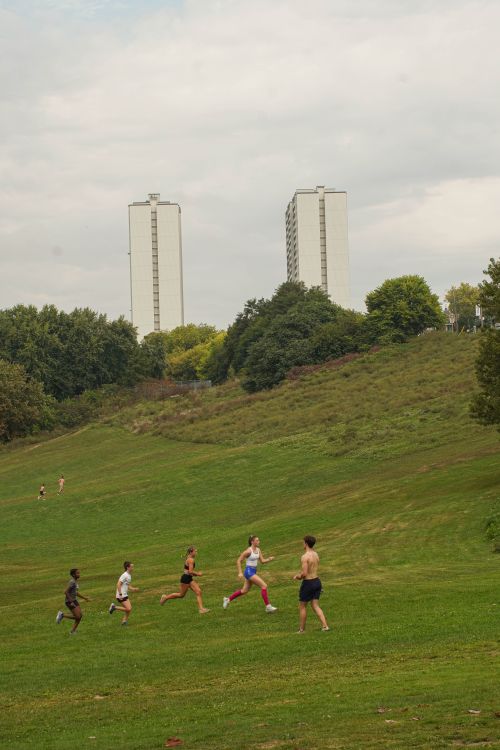
Pick a race that suits a first timer. Local 5K events and parkruns welcome walkers and run-walkers, and many publish generous time limits. A flat course with water stations is ideal.
Check the race page for the cutoff time before you enter.
Taper in the final week. Run the week 9 sessions, but keep them easy and short, and take two rest days before the race. Do not try a hard "test run" the day before.
Fresh legs beat one more workout.
On race morning, eat the same snack you ate before training runs, and wear the same shoes and clothes. Nothing new on race day is the oldest rule in running, and it exists because new gear causes blisters and new food causes stomach trouble.
Start near the back and run your own pace. The crowd will pull you faster than your training pace in the first kilometer. Resist it.
If you use walk breaks, keep using them. A run-walk strategy that you practiced is faster than a heroic start followed by a walk of defeat.
Finish with something in reserve for the last stretch. A strong last 500 meters feels far better than a desperate one, and it leaves you wanting a second race. That feeling is the real prize of the first 5K.
After the race, walk for five to ten minutes, drink water, and eat something with protein and carbs. Note your time, but do not judge it. Every first 5K is a personal best, and the second one is where the clock starts to matter.
FAQ
How long does it take to train for a first 5K?
About nine weeks on the NHS Couch to 5K plan, running three days a week. Taking 12 to 16 weeks is normal and fine, and repeating a hard week counts as progress.
Do I need to run the whole 5K without stopping?
No. Walk breaks are part of the training method, and many first-time racers use them on race day. A run-walk finish still counts, and it is faster than starting too fast and stopping.
What if I miss a week of training?
Shift the plan, do not double up. Repeat the last completed week and continue. Two rest days between sessions still apply, and missed sessions never need to be "made up" with extra running.
Is 5K too far for someone who has never run?
No, if the build-up is gradual. Week 1 asks for one-minute runs with walk breaks, and the distance grows a little each week. A person who can walk for 30 minutes can start the plan.
Should I run every day to get faster?
No. Beginners should run three days a week, never on consecutive days. Rest days let the body adapt, and extra sessions add injury risk without adding fitness.
The bottom line
A first 5K is a nine-week project, not a single heroic run. Follow the walk-run plan, run three days a week at a talkable pace, repeat any week that feels too hard, and arrive at race day in familiar shoes with a familiar plan. The finish line takes care of itself.
Tags: sports, running, fitness, beginners
Latest in Sports
- How to choose running shoes for beginners
- How to start hiking when you have never done it
- How to pack a day hiking bag with the essentials
- How to start cycling to work safely
Subscribe to the Rive News newsletter for one practical guide in your inbox each week.
Rive News publishes explainers from public sources. This article is for general information, not medical advice. Speak to a doctor if you are worried about your health before starting an exercise plan.
Related stories

Why Is Altitude Sickness Worse for Some People?
Altitude sickness hits some people harder because of genetics, ascent speed, and prior history, not fitness level. Here is what raises risk

Why Do You Get Blisters When Hiking and How to Prevent Them
Friction plus moisture plus heat equals a blister. Learn why hiking breeds all three, and the boots, socks, and tape system that keeps

How to choose hiking boots for beginners: fit, features, and break-in
Beginners should buy for fit first: snug everywhere, tight nowhere, with a thumb's width at the toes. Here is how to size, test,