
How to Start Hiking If You Have Never Done It Before
Key takeaways
- Pick a short, easy, well-marked trail for your first hike, and walk it in good weather.
- Carry water, food, navigation, sun protection, and a first-aid kit, even on a short walk.
- Tell someone your plan, start early, and turn back at your planned time.
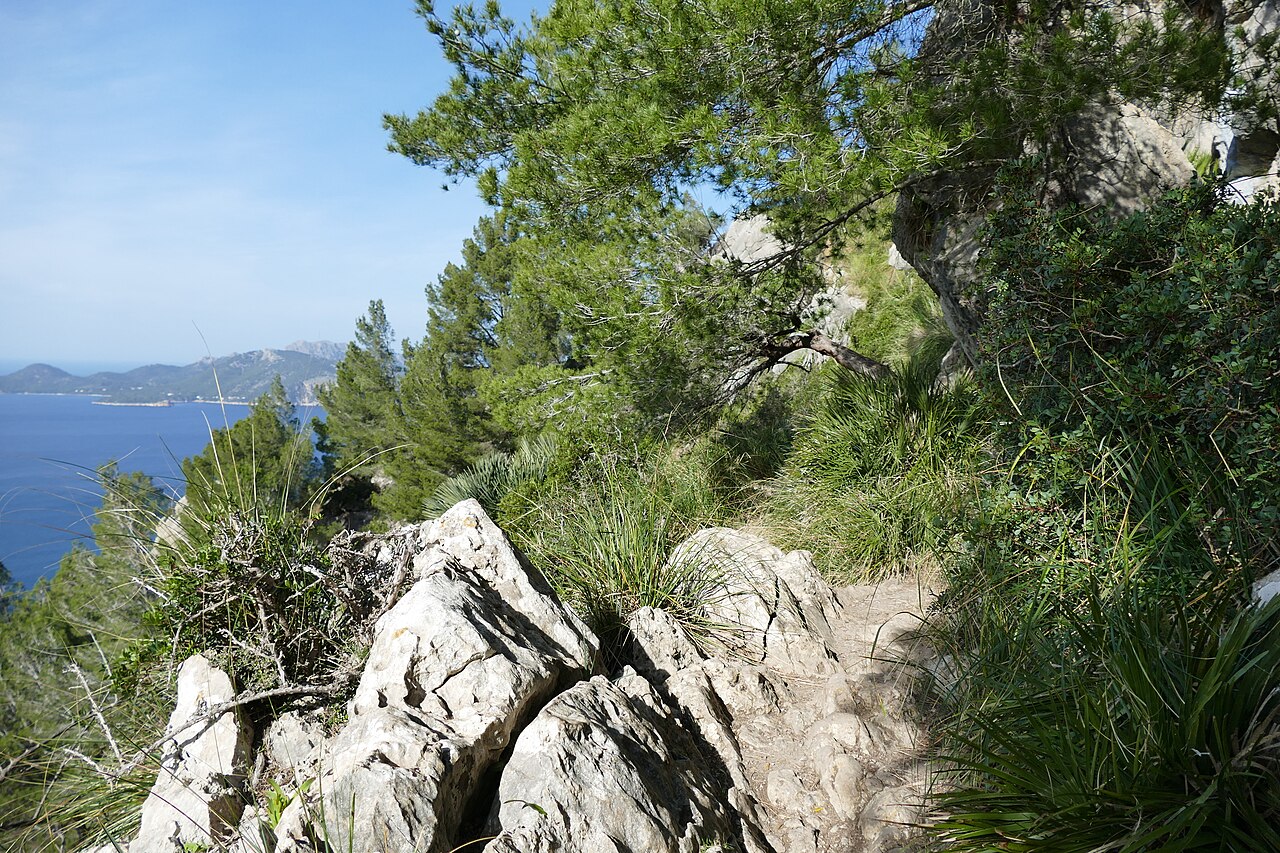
Hiking is walking with a plan. You pick a trail, you carry what you need, and you walk it at a pace you can hold. No special fitness is needed for a first hike.
A short easy trail and a small pack are enough.
This article explains how to start hiking if you have never done it before, including picking a first trail, packing the essentials, dressing for the walk, and building the habits that make the second hike easier.
Pick a first trail you can finish
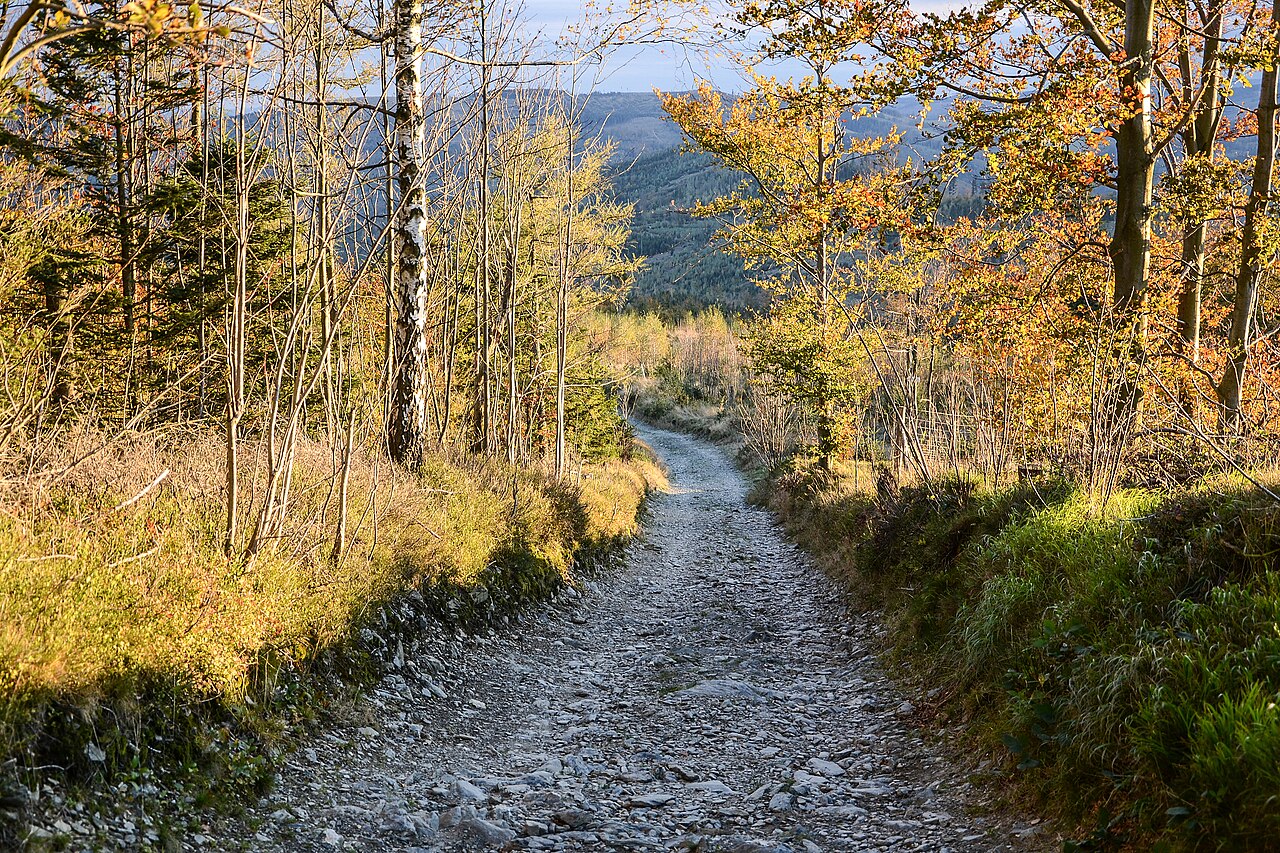
Your first trail should feel easy. Look for a short loop or out-and-back path on flat or gentle ground. A walk of 1 to 3 miles (about 2 to 5 km) is plenty.
A trail rated easy, with clear signs and a maintained path, beats a scenic scramble every time for a first outing.
Read the trail description before you go. Check the distance, the elevation gain, and the surface. Elevation gain tells you how much climbing the trail holds.
A trail with 100 m of gain feels very different from one with 500 m, even at the same distance.
Pick a trail close to home or to a car park. A short drive means you arrive fresh and can leave early. A popular trail is a good thing for a first hike, since other walkers are nearby if you need help.
Save remote and rugged routes for later.
Check the weather and the trail conditions the night before and again in the morning. Rain turns paths slippery and raises streams. Heat makes a short walk feel long.
If the forecast shows storms, lightning, or extreme heat, postpone. The trail will still be there next weekend.
Tell someone your plan
Before you leave, tell a friend or family member where you are going, which trail you will walk, and when you expect to return. This is the single most important safety habit in hiking. If you get lost or hurt, that person knows where to send help.
Leave a note with the trail name, the car park, and your return time. Agree on a check-in time. If you do not check in, your contact should try your phone, then call local rescue services.
Carry your phone charged, but do not rely on it. Many trails have no signal. Download an offline map of the area before you leave.
A paper map in a zip bag is a solid backup. Learn to read the trail signs at the trailhead, since they mark the route, the distances, and any warnings.
Start early. Morning light gives you time, cooler air, and quieter trails. A late start on a first hike risks finishing in the dark.
Plan to be back at the car well before sunset, and set a turnaround time before you start.
Dress for comfort, not for show
Hiking clothes should be comfortable, quick-drying, and layered. REI advises clothing made of quick-drying, moisture-wicking fabrics such as wool or polyester, and warns against cotton, which takes a long time to dry when wet.
Think in three layers. The base layer sits next to the skin and moves sweat away. The middle layer adds warmth, such as a light fleece.
The outer layer blocks wind and rain. On a warm day, you may only wear the base layer, but pack the other two.
Wear wool or synthetic socks, not cotton. REI makes the same point for socks as for shirts: wool or synthetic, not cotton. Cotton socks stay damp, and damp socks raise blister risk.
Change into dry socks if your feet get wet.
A hat and sunglasses protect against sun. A light rain jacket packs small and saves the day when weather shifts.
If you are choosing footwear for other sports too, how to choose running shoes for beginners covers a similar fit-first approach.
Choose footwear you trust
Footwear is the most personal gear choice in hiking. REI notes that some hikers prefer supportive over-the-ankle boots, while others enjoy lightweight trail-running shoes. The terrain decides which fits better.
Lightweight low-cut shoes suit well-kept trails. Sturdy boots suit rough ground with rocks, roots, and streams.
For a first hike on an easy trail, the best shoes are the ones you already own and trust, as long as they have grip and a closed toe. Trainers with a tread work fine on a dry, even path. Do not buy brand-new boots the night before a hike and wear them straight onto the trail.
Break footwear in before the hike. Wear new shoes on short walks around home for a week. New shoes cause blisters, and blisters end hikes early.
If you buy hiking shoes, try them on with the socks you will hike in, and check that your toes do not hit the front on a downhill step.
Lace your shoes snugly but not tight. Loose shoes rub. Over-tight shoes numb toes.
If you feel a hot spot forming on the trail, stop and cover it with tape or a blister plaster at once. A hot spot ignored becomes a blister within the hour.
Pack the Ten Essentials
The Ten Essentials are a list of gear and clothing that every hiker should carry. REI lists them as navigation, sun protection, insulation, illumination, first aid, fire, repairs, nutrition, hydration, and emergency shelter. On a short easy hike you may not use them all.
You should still carry them, since they cover the day that goes wrong.
REI suggests a 10 to 20 litre daypack for a longer outing, holding snacks, a phone, extra layers, and a first-aid kit. A small pack keeps the load light. Pack the heavy items close to your back and keep water easy to reach.
Here is a first-hike packing list built on that advice:
- Water: at least 500 ml per hour of walking, more in heat
- Food: sandwiches, fruit, nuts, and an extra snack
- Navigation: map, compass or phone with an offline map
- Sun protection: sunscreen, sunglasses, and a hat
- Insulation: an extra warm layer and a rain jacket
- Illumination: a headlamp or torch, even for a day hike
- First aid: plasters, tape, pain relief, and any personal medicine
- Fire: matches or a lighter in a dry bag
- Repairs: a small knife or multi-tool
- Emergency shelter: a lightweight emergency blanket
Keep the pack light. A heavy pack tires you out and strains your knees. If you are unsure whether an item earns its place, ask what it does for safety or comfort.
For a full packing list, how to pack a day hiking bag breaks it down by trip length.
Walk at a pace you can hold
Start slower than you think you need. A steady pace that lets you talk in full sentences is right for a first hike. If you cannot talk, you are going too fast.
If you feel fresh at the halfway point, you paced it well.
Use the rest step on climbs. Take a short step, lock the back knee for a moment, and breathe. It looks slow, but it saves energy on a long hill.
Shorten your stride on steep ground and keep your weight over your feet.
Drink before you feel thirsty. Sip water every 20 minutes rather than waiting for a big thirst. Eat a small snack every hour on a longer walk.
Hunger and thirst creep up on first-time hikers, and both make the last mile feel twice as long.
Turn back at your planned time, even if you have not reached the viewpoint. The summit is optional. Getting back is required.
A turnaround rule is the habit that keeps hikers safe. Set it before you start: "We turn back at 2 pm, whatever happens."
Learn trail manners and safety habits
Stay on the marked path. Shortcuts cut corners, damage plants, and lead walkers onto loose ground.
Leave no trace. Carry out all rubbish, including food scraps and tissues. Fruit peel takes months to rot.
Do not pick flowers or feed animals. Leave the trail as you found it, or cleaner.
Watch the weather as you walk. Dark clouds building, a sudden wind shift, or distant thunder all mean it is time to turn back. Lightning and exposed ridges do not mix.
Descend to lower ground and shelter away from lone trees and water.
If you get lost, stop. Sit down, drink water, and check the map. Retrace your steps to the last point you recognised.
Do not push on into unknown ground. A phone whistle or a bright item can help rescuers find you. If you want a dedicated guide to staying found, how to avoid getting lost on a hike covers navigation in more depth.
Build from one hike to the next
One hike makes you a hiker. The second hike makes it a habit. After your first walk, write down what worked and what you would change.
Increase one thing at a time: a little more distance, or a little more climb. A steady ladder builds fitness and confidence together.
FAQ
How fit do I need to be to start hiking?
You need enough fitness for a steady walk of 1 to 3 miles on gentle ground. Start with a short easy trail and build up. Regular walking is the best training for hiking.
What should I wear on my first hike?
Wear moisture-wicking layers, wool or synthetic socks, and shoes with grip that are already broken in. Pack a warm layer and a rain jacket. Avoid cotton and jeans.
How much water should I carry?
Carry at least 500 ml per hour of walking, and more in heat or on climbs. Drink small sips often. Running out of water is one of the most common first-hike mistakes.
What if I get tired halfway?
Rest, drink, and eat a snack. If you feel unwell, turn back early. There is no shame in a short first hike.
The goal is to finish safely and want to go again.
The bottom line
A first hike needs little: an easy trail, honest weather, water, food, and a small pack with the Ten Essentials. Start early, walk at a talking pace, and turn back at your planned time. Then write down what worked and pick a slightly longer trail next time.
Confidence comes from finished hikes, not from gear. If you plan to camp next, how to choose a tent for first-time campers is the next step.
Tags: hiking, outdoors, beginners, walking
Latest in Sports
- How to choose running shoes for beginners
- How to pack a day hiking bag with the essentials
- How to avoid getting lost on a hike
- How to choose a tent for first-time campers
Subscribe to the Rive News newsletter for one practical outdoors guide each week.
Related stories

Why Is Altitude Sickness Worse for Some People?
Altitude sickness hits some people harder because of genetics, ascent speed, and prior history, not fitness level. Here is what raises risk

Why Do You Get Blisters When Hiking and How to Prevent Them
Friction plus moisture plus heat equals a blister. Learn why hiking breeds all three, and the boots, socks, and tape system that keeps

How to choose hiking boots for beginners: fit, features, and break-in
Beginners should buy for fit first: snug everywhere, tight nowhere, with a thumb's width at the toes. Here is how to size, test,