
How to Choose a Tent for First-Time Campers
Key takeaways
- Buy a tent rated for one person more than your group, so gear has room too.
- Pick a 3-season tent with a waterproof rating of at least 1,500 mm for spring, summer, and autumn.
- Practice pitching the tent at home before the trip, and check that you can carry its packed weight.
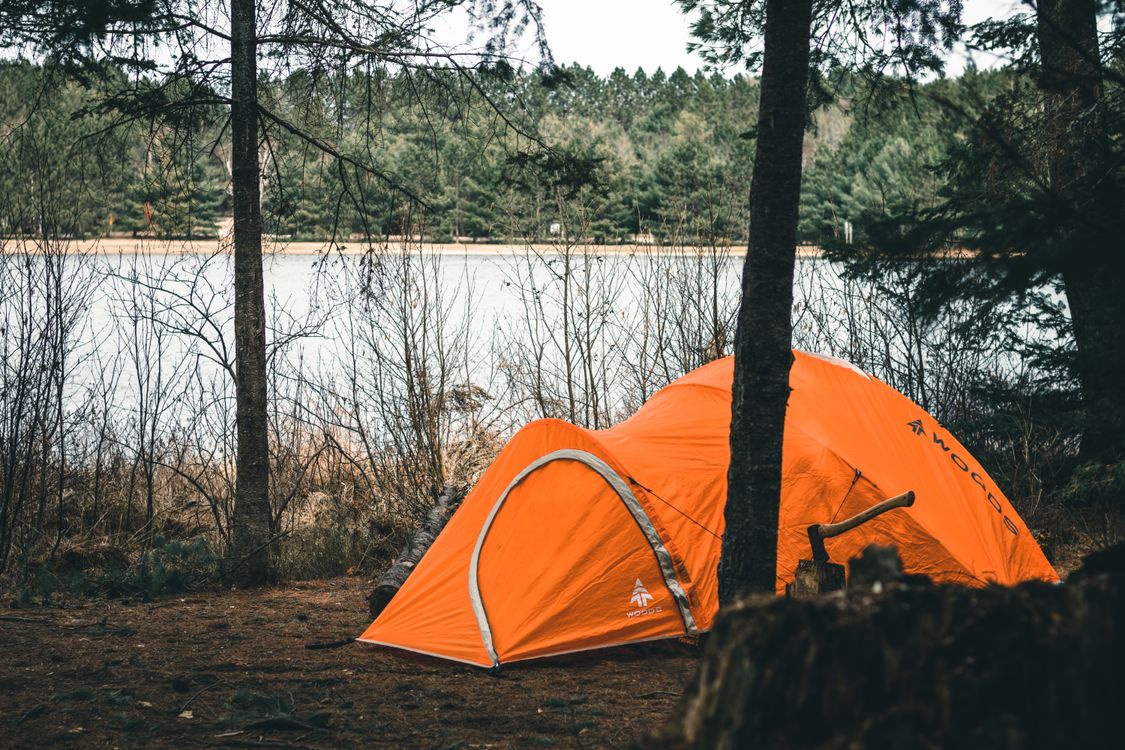
Choosing a tent for a first camping trip means matching three things: the number of people, the weather you will meet, and the way you will get there. A tent that fits two people and a car park is a poor pick for four people hiking to a hilltop. A fair weather tent is a poor pick for a wet weekend.
The good news is that a first tent does not need to be costly or technical. A simple dome tent, sized up by one person, with a full rainfly and a clear waterproof rating, covers most first trips. The rest is setup practice and a dry run at home.
This article explains how to choose a tent for first-time campers, including size, season and weather ratings, tent types, features that matter, and a buying checklist.
Start with how you will camp
How you reach the campsite shapes the tent you need. Car camping allows weight and size, since the car carries the tent. Backpacking demands light weight and a small packed size, since you carry it on your back.
Family camping needs standing room and separate sleeping areas.
Ask four questions before you look at any tent. How many people will sleep in it. Will you drive or walk to the site.
Which seasons will you camp in. What is your budget. The answers cut the choice from hundreds of tents to a handful.
For a first trip, car camping at a proper campsite is the easiest start. It forgives a heavier tent, it gives you level ground and facilities, and it lets you bring extra gear without carrying it. A first tent bought for car camping can still serve later trips, as long as you do not need to carry it far.
If you plan to hike, weight matters more than space. A backpacking tent for two people often weighs under 3 kg, while a family car camping tent can weigh over 10 kg. Check the packed weight and packed size on the label, not just the floor size.
Size the tent by people plus gear
Tent capacity labels describe the maximum number of people who can fit, not the number who can sleep in comfort. Camping Tourist advises choosing a tent rated for one more person than your group size, so there is room for gear and movement. A three person tent suits two campers with bags, and a four person tent suits three.
Floor space tells the real story. Check the floor length and width in centimetres, not just the "person" number. Two adults on sleeping mats need about 120 cm of width for the mats alone, plus room for bags.
If you use air mattresses, note that a twin air mattress takes up about two "person spots," as one tent guide points out.
Peak height matters too. A low tent is fine for sleeping, but a tent you can sit up in feels far better in rain. For family camping, a cabin tent with near vertical walls gives standing room across the tent.
Dome tents have sloped walls, which cuts headroom at the edges but gives better wind stability.
Vestibules add useful space outside the sleeping area. A vestibule is a covered porch formed by the rainfly, and it holds boots, bags, and wet gear out of the rain. Camping Tourist lists vestibule space as one of the core features beginners should check.
Even a small vestibule keeps the inner tent cleaner and drier.
Match the tent to the season and weather
Season ratings describe the conditions a tent is built for. Three-season tents handle spring, summer, and autumn. They are light, with plenty of mesh for airflow, but they will not stand up to heavy snow or fierce winter winds.
Four-season tents handle winter and high altitude, with stronger poles and less mesh, and they cost more and weigh more.
First-time campers should buy a 3-season tent in most cases. It covers the seasons when most people camp, and it costs less than a 4-season tent. OutdoorTrekz notes that 4-season tents are built for winter camping and give better insulation, but they are overkill for summer or mild weather camping.
Buy the tent for the trips you will actually take.
The waterproof rating, called the hydrostatic head, tells you how much water pressure the fabric holds back. Camping Tourist advises looking for at least 1,500 mm for reliable protection. OutdoorTrekz gives the same floor: a hydrostatic head rating of at least 1,500 mm with taped seams.
For wet climates, Cotswold Outdoor suggests geodesic or tunnel tents with 3,000 mm or more for handling rain and wind.
Seams matter as much as fabric. Taped or sealed seams stop water entering through stitching. A full coverage rainfly, which reaches close to the ground, protects better than a small fly that covers only the roof.
In a storm, the gap between a short fly and the ground is where rain gets in.
Wind shapes the tent too. Dome and geodesic shapes handle wind better than tall cabin tents, because their low, curved profiles shed gusts. Guylines, which are the cords that stake the rainfly out, add stability in wind.
A tent that comes with full guylines and strong stakes is ready for bad weather without extra shopping.
Pick a tent type that is easy to pitch
Dome tents are the best first pick for most beginners. Camping Tourist recommends a dome tent for a first trip, since it gives wind stability, simple setup, and a beginner friendly design. Two crossed poles form the dome, and the inner tent clips on in minutes.
Cabin tents suit family car camping. They give vertical walls and standing room, with room dividers in larger models. They are heavy, and they catch more wind, so they suit sheltered campsites and calm weather rather than exposed hillsides.
Pop-up tents pitch in seconds, which is tempting for a first trip. The catch is that they are bulky to carry and hard to fold back down, and most are only suited to light showers. Cotswold Outdoor warns that most pop-up tents are only suitable for light showers and short trips.
They work for a dry festival weekend, but not for a wet camping trip.
Tunnel tents give a lot of space for their weight and handle bad weather well, but they need guylines for stability and take longer to pitch. Backpacking tents are light and compact, but they trade space and headroom for weight. For a first tent, ease of pitching beats a clever shape.
Check the features that change a trip
Ventilation decides whether you wake up dry or damp. Breath, wet clothes, and warm air all add moisture inside a tent. Mesh panels and adjustable vents let that moisture out.
Camping Tourist lists mesh panels and adjustable vents as a core feature, since they stop condensation soaking sleeping bags.
Doors and storage make life easier. Two doors stop midnight climbs over other sleepers. Interior pockets, gear loops, and a loft shelf keep small items off the floor.
A lantern hook at the peak holds a light where it helps most. These small features cost little and pay off every night.
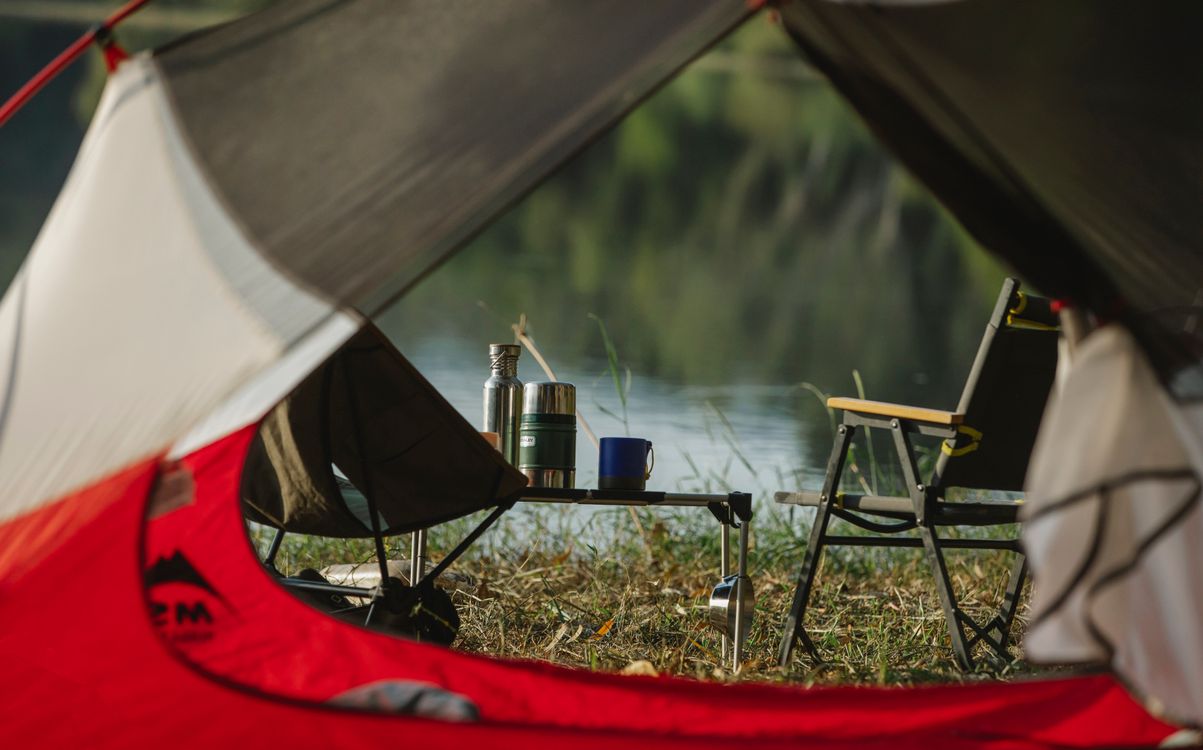
Practice pitching before the trip
Every first-time camper should pitch the new tent at home before the trip. Camping Tourist advises practicing pitching at home, since it saves fumbling in darkness at the campsite. A garden, a park, or even a large room shows you how the poles fit and how long setup takes.
Time the practice pitch. If it takes 20 minutes at home in daylight, it will take longer at a campsite in rain. Practice twice, and pack the tent the same way each time so you know where each part is.
Check that all poles, stakes, and the rainfly are in the bag before you leave.
Pack the tent dry whenever you can. Camping Tourist warns never to pack a wet tent, since moisture breeds mould and weakens fabric. If you must pack wet in rain, unpack and air dry the tent as soon as you get home.
Store it loosely rolled, not stuffed tight, in a cool, dry place.
A buying checklist for first-time campers
Use this checklist in the shop or on the product page, and do not buy until every line has an answer.
- Capacity: rated for one person more than your group, with floor size in centimetres.
- Season: 3-season for spring, summer, and autumn; 4-season only for winter camping.
- Waterproof rating: at least 1,500 mm, with taped seams and a full coverage rainfly.
- Floor: rated higher than the fly if possible, plus a footprint for rough ground.
- Weight and packed size: light enough to carry the way you will travel.
- Setup: colour coded poles, clips rather than sleeves, and a practice pitch at home.
- Ventilation: mesh panels and adjustable vents to cut condensation.
- Doors and storage: two doors for three or more people, plus pockets and a vestibule.
- Stakes and guylines: full set included, strong enough for your ground.
- Price: weather protection and frame first, gadgets last.
What size tent do I need for two people?
A 3-person tent is the usual pick for two campers, since it leaves room for bags and movement. Check the floor size in centimetres and whether two sleeping mats fit side by side. Add a vestibule for boots and wet gear.
Can I use a 3-season tent in winter?
A 3-season tent is risky in winter, as Cotswold Outdoor notes, since it lacks snow valances and has mesh panels that let cold in. For snow or high altitude, use a 4-season tent. For mild cold with no snow, a 3-season tent with a footprint and good stakes can manage.
How waterproof should a first tent be?
Look for a waterproof rating of at least 1,500 mm with taped seams, as advised by Camping Tourist and OutdoorTrekz. In wet climates, aim for 3,000 mm or more. A full coverage rainfly and sealed seams matter as much as the number.
The bottom line
The right first tent is a 3-season dome tent, rated for one person more than your group, with a waterproof rating of at least 1,500 mm, a full rainfly, and a setup you have practiced at home. Check the floor size, the packed weight, and the ventilation before you buy, and skip gadgets that do not keep you dry. For more outdoor starts, see how to start hiking when you have never done it, how to choose running shoes for beginners, and what to pack in a day hiking bag.
Tags: camping, tents, outdoors, beginners
Latest in Sports
- How to start hiking when you have never done it
- How to choose running shoes for beginners
- What to pack in a day hiking bag
- How to avoid getting lost on a hike
Subscribe to the Rive News newsletter for one practical guide each week.
Related stories

Why Is Altitude Sickness Worse for Some People?
Altitude sickness hits some people harder because of genetics, ascent speed, and prior history, not fitness level. Here is what raises risk

Why Do You Get Blisters When Hiking and How to Prevent Them
Friction plus moisture plus heat equals a blister. Learn why hiking breeds all three, and the boots, socks, and tape system that keeps

How to choose hiking boots for beginners: fit, features, and break-in
Beginners should buy for fit first: snug everywhere, tight nowhere, with a thumb's width at the toes. Here is how to size, test,