
How to Pack a Day Hiking Bag With the Essentials
Key takeaways
- Pack by system, not by item: the Ten Essentials cover navigation, water, food, shelter, and repair.
- Water decides the load, so plan about one litre per person per hour and carry extra on hot or remote routes.
- Heavy gear rides close to your back, grab-often items ride on top or in side pockets.
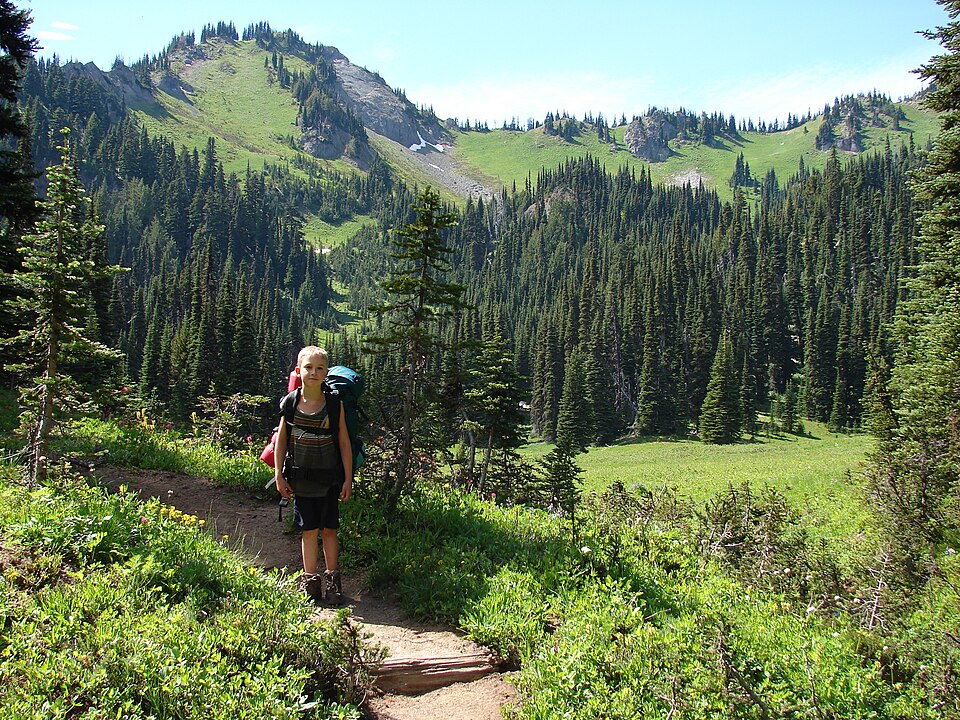
A day hike is any outing you finish in a day, from a two-hour park loop to a twelve-hour mountain route. The pack for both looks similar at first glance, but the longer and more remote the hike, the more water, food, and clothing you need. Weather and distance from help decide the final load, not the length of the checklist.
The classic framework is the Ten Essentials. The Mountaineers, a Seattle-based climbing and outdoor club, put the original list together in the 1930s to help hikers handle an accident or an unplanned night out. Today the list is ten systems rather than ten exact items, which means you tailor each one to the trip.
This article explains how to pack a day hiking bag with the essentials, including each of the ten systems, how much water and food to carry, how to order the load by weight and priority, and what to leave behind.
Start with the bag
A daypack is the main piece of gear for a day hike. For a longer outing, REI suggests a 10- to 20-litre daypack, which holds snacks, a phone, extra layers, and a first-aid kit. Shorter walks can work with a smaller pack, a waist pack, or a bottle sling, but a real daypack carries weight better and keeps your hands free.
Fit matters more than features. The hip belt should sit on your hips, not your waist, so most of the load rides on your legs rather than your shoulders. Adjust the shoulder straps and the sternum strap until the pack sits close to your back without pulling you backwards.
Try the pack loaded before you leave, not on the trail.
A rain cover or a set of dry sacks keeps gear dry. Cheap dry sacks beat a rain cover in heavy rain, because they protect each bundle even if water gets past the cover. A few small zip bags separate first aid, tools, and small items so you can find them with cold hands.
The Ten Essentials
The Ten Essentials are ten systems that cover what can go wrong outdoors. The first five help you prevent and respond to an emergency. The second five help you survive an unplanned night outside.
Carrying all ten adds only about five pounds, according to Hiking Insights, and it is cheap insurance against a day that goes wrong.
1. Navigation
Carry a map and a compass, plus a backup. A phone app with offline maps works well on marked trails, but phones run out of battery and lose signal. A paper map and a baseplate compass weigh almost nothing and need no power.
Learn to use them before you need them. A compass you cannot read is dead weight. Study the route at home, note the junctions, and carry the map where you can reach it.
2. Sun protection
Pack sunscreen, sunglasses, and a hat. Hiking Insights suggests sunscreen of SPF 30 or higher. The Niagara Adventure Club notes that health experts advise SPF 15 as a minimum, with SPF 30 for extended outdoor activity, and reapplication as often as every two hours.
Add SPF lip balm, which many hikers forget until their lips crack.
A lightweight long-sleeve sun shirt covers both sun and insect protection without overheating you. It weighs less than a bottle of sunscreen and never runs out.
3. Insulation
Carry extra clothing beyond what you wear. Weather changes fast in hills and mountains, and an injury can turn a walk into a long, still wait. A compact fleece or insulated jacket plus a rain shell covers most day hikes.
Add gloves and a warm hat in cold or high country.
Skip cotton. Cotton holds sweat, dries slowly, and chills you when the temperature drops. Synthetics and wool keep you warmer when damp and dry faster on the move.
4. Illumination
Pack a headlamp with spare batteries. A headlamp keeps your hands free for poles, first aid, or map reading. A hike that runs long, an injury, or a wrong turn can all push you into darkness, and a phone torch drains the battery you need for navigation and rescue calls.
5. First-aid supplies
Carry a small first-aid kit you know how to use. Cover the likely problems: blisters, scrapes, stings, pain, and exposure. Moleskin or blister pads, adhesive bandages, gauze, medical tape, antiseptic wipes, tweezers, and a few pain relief tablets cover most day-hike injuries.
Add your personal medication.
A first-aid course is worth more than a bigger kit. Knowing how to treat a sprain or stop bleeding beats carrying gear you cannot use.
6. Fire
Carry a lighter and a small firestarter. A disposable butane lighter is the simplest option. Waterproof matches in a waterproof container work as a backup.
Dry tinder in a zip bag, a candle stub, or dryer lint all catch a flame in wet conditions.
Check local rules before you light anything. Fire bans are common in dry seasons and in many parks. The fire kit is for emergencies, not for routine cooking.
7. Repair kit and tools
Pack a knife or multi-tool plus a small repair kit. Duct tape wrapped around a pencil, a few zip ties, a safety pin, and cordage fix most trail problems: a torn pack, a broken strap, a flapping sole. The repair kit weighs almost nothing and earns its place the first time something breaks.
8. Nutrition
Pack food beyond what you plan to eat. The Niagara Adventure Club advises at least an extra day of food in case injury or bad weather extends the trip. Energy bars, nuts, dried fruit, and jerky need no cooking and keep well.
Trail mix, granola bars, fresh fruit, and hard cheese cover a day hike. Pack a little more than you expect to eat. Hikes run long, and you may share with someone who forgot theirs.
9. Hydration
Water is the heaviest essential and the one you must get right. REI suggests starting with about one litre per person per hour of hiking, adjusted for length, intensity, weather, age, sweat rate, and body type. Hiking Insights suggests at least two litres on moderate hikes, rising to three litres or more in hot, desert, or high-altitude conditions.
The Niagara Adventure Club offers a lower baseline of about half a litre per hour during moderate activity in moderate temperatures, with more needed for heat, altitude, exertion, or emergencies. Treat these as a range, not a contradiction: start with the higher figure on hot or remote routes, and learn your own rate over time.
Carry a way to treat water if the route depends on natural sources. A filter or purification tablets let you refill from streams. On short routes with no water sources, carry everything you need from the start.
10. Emergency shelter
Carry a light emergency shelter. An emergency space blanket packs small, weighs ounces, and can keep you warm and dry if you are stuck. An ultralight tarp or bivy sack is a step up for remote routes.
A large plastic bag works in a pinch.
Your tent counts as shelter only if you carry it. A tent left at camp does not help you on the trail.
The packing order: weight and priority
How you pack matters as much as what you bring. Use three zones: heavy and rarely needed at the back and centre, grab-often items on top and in side pockets, and emergency gear where you can find it fast.
Heavy gear goes close to your back and in the centre of the pack. The water bladder or bottles, lunch, and bulky layers sit against the spine. Weight close to your body keeps you balanced and saves your shoulders.
Grab-often items go on top or in side pockets. Sunscreen, snacks, bug spray, sunglasses, and the headlamp belong where you can reach them without unpacking. Every time you unpack to find sunscreen, you lose time and patience.
Emergency items go deep but together. First aid, gloves, and the thermal blanket live in one zip bag at the bottom or in a dedicated pocket. You do not need them often, but when you do, you need them at once, so keep them in one place and remember where that place is.
Leave an itinerary with a friend before you set out.
What to leave behind
A lighter pack is a happier pack. Leave behind duplicate gear, heavy survival equipment, thick books, full-size tools, and bulky camera gear unless photography is the point of the trip.
Ask one question about each item: does it support safety, navigation, warmth, hydration, nutrition, weather protection, or real comfort? If it does not clearly serve one of those, leave it at home. A second spare jacket for a two-hour park walk fails the test.
A rain shell on a mountain route passes it.
Adjust for weather and terrain
Hot weather means extra water, at least an extra litre, plus electrolytes and sun protection. Wear ventilated, loose-fitting clothing and a wide-brim hat.
Remote routes mean the full kit: all ten systems, a satellite messenger or personal locator beacon if you have one, and extra food and water.
Frequently asked questions
How big a daypack do I need?
For a longer day hike, a 10- to 20-litre daypack is about right, according to REI. Shorter walks can work with a smaller pack, but a real daypack carries weight better and keeps your hands free.
How much water should I carry on a day hike?
Start with about one litre per person per hour as a planning figure, and adjust for heat, altitude, distance, and your own sweat rate. Carry at least two litres on a moderate hike, and more on hot or remote routes.
Do I really need all Ten Essentials for a short hike?
The systems scale with the trip. On a short, easy, well-marked trail you might carry a light version of each. The point is to cover each function, not to carry ten heavy items.
What is the most commonly forgotten essential?
Sun protection and illumination. People remember water and food, then finish a hike sunburned, or get caught by darkness without a headlamp. Pack both before you leave.
Should I carry a whistle?
Yes. A whistle carries farther than shouting and costs almost no weight. Three blasts is the standard distress signal.
Keep it on your pack strap, not buried inside.
The bottom line
Pack the Ten Essentials as systems, put water first in your planning, and load the pack by weight and priority: heavy gear close to your back, everyday items on top, emergency gear in one findable bag. The goal is not the lightest pack. It is the right pack for the day ahead.
Tags: hiking, outdoors, packing, day hike
Latest in Sports
- Start hiking if you have never done it
- Choose a tent for first-time campers
- Avoid getting lost on a hike
- Train for your first 5K run
Subscribe for one practical outdoors tip each week, no spam.
Related stories

Why Is Altitude Sickness Worse for Some People?
Altitude sickness hits some people harder because of genetics, ascent speed, and prior history, not fitness level. Here is what raises risk

Why Do You Get Blisters When Hiking and How to Prevent Them
Friction plus moisture plus heat equals a blister. Learn why hiking breeds all three, and the boots, socks, and tape system that keeps

How to choose hiking boots for beginners: fit, features, and break-in
Beginners should buy for fit first: snug everywhere, tight nowhere, with a thumb's width at the toes. Here is how to size, test,